Carta Cliente Withdrawal In Utah
Description

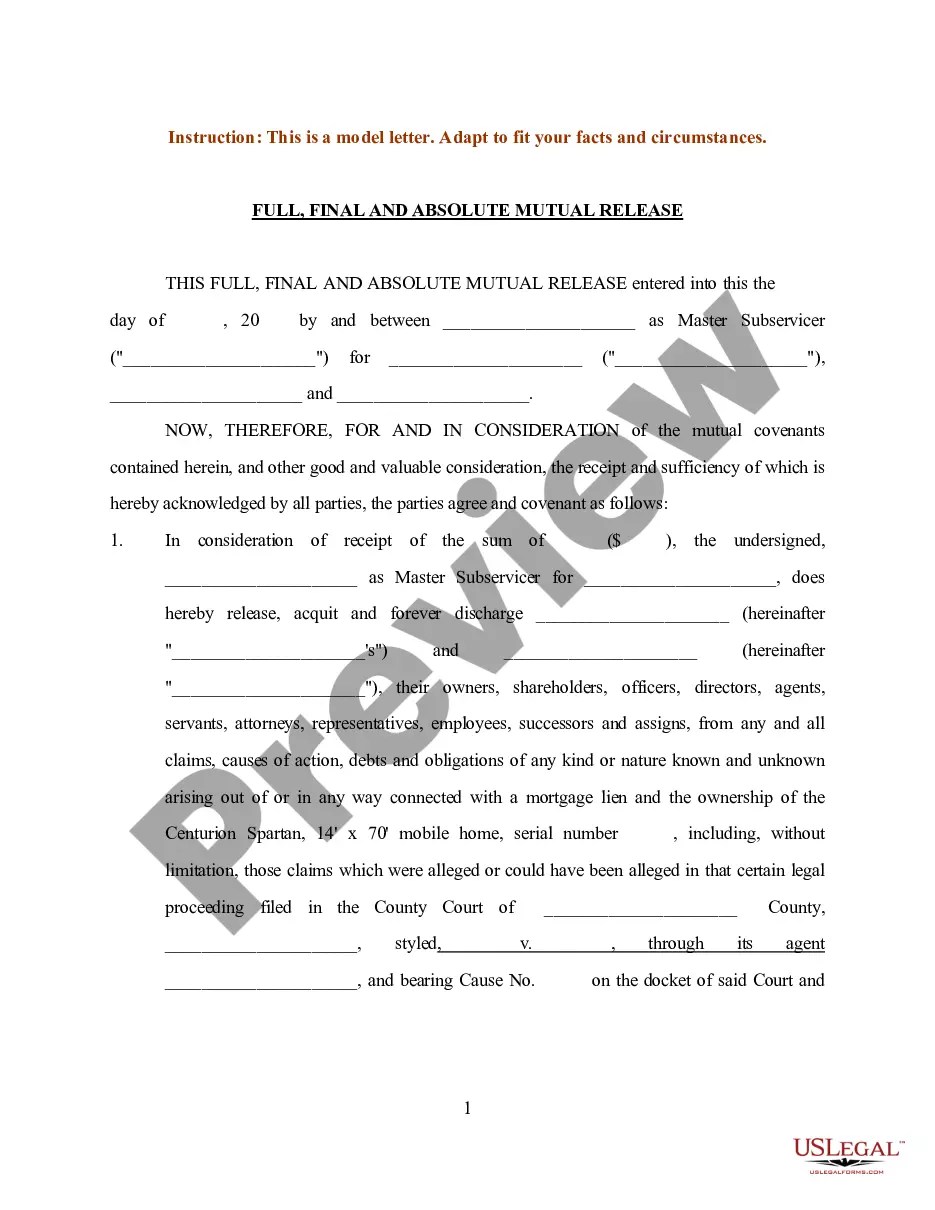
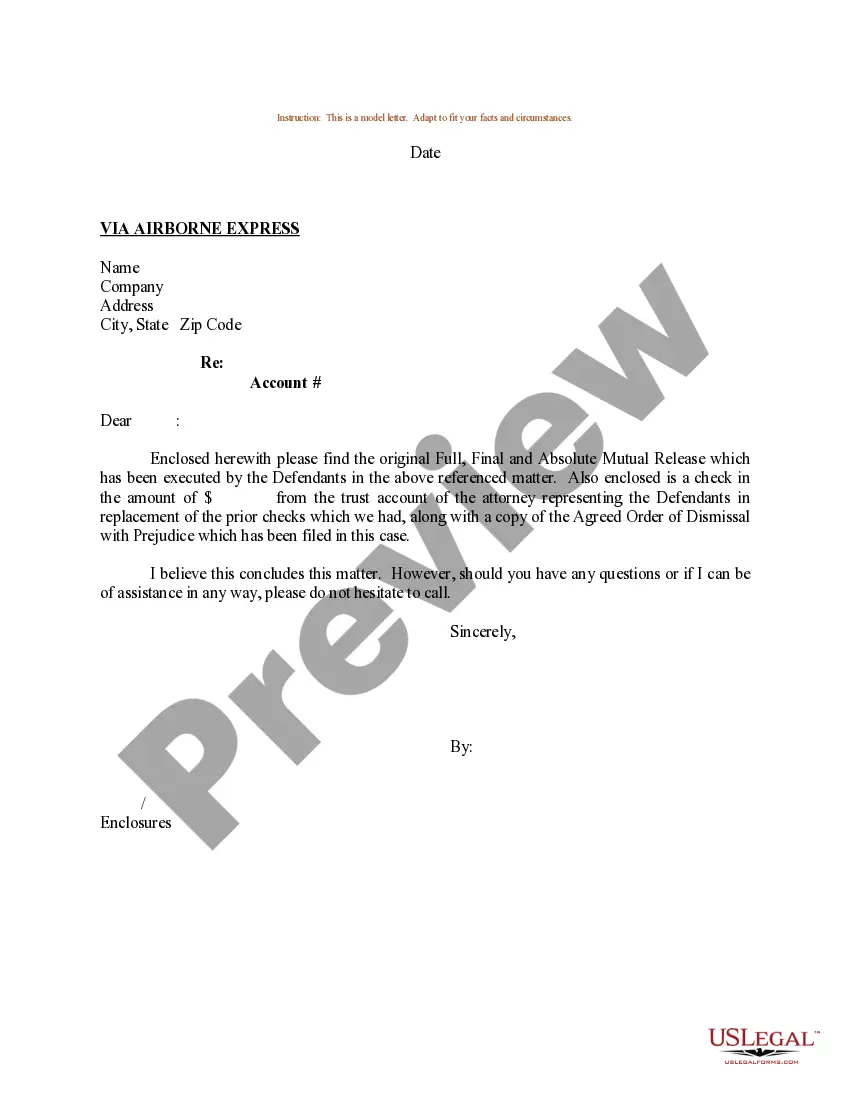
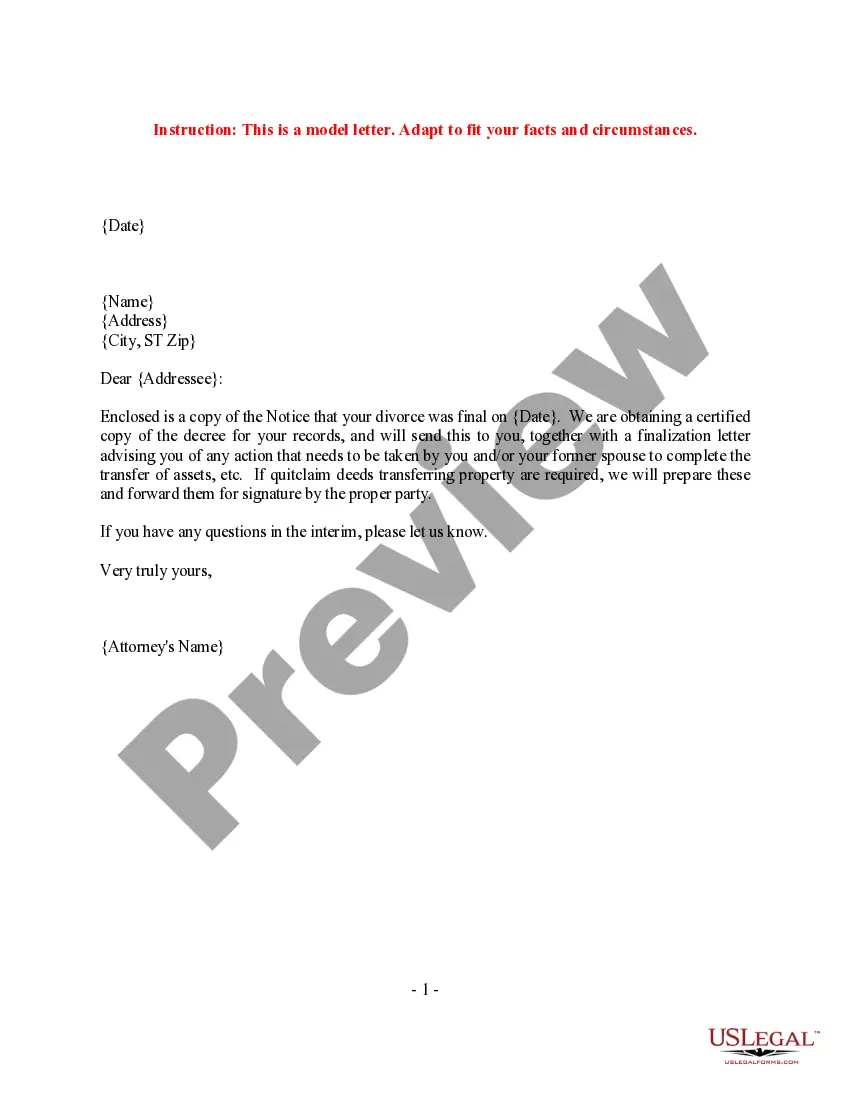
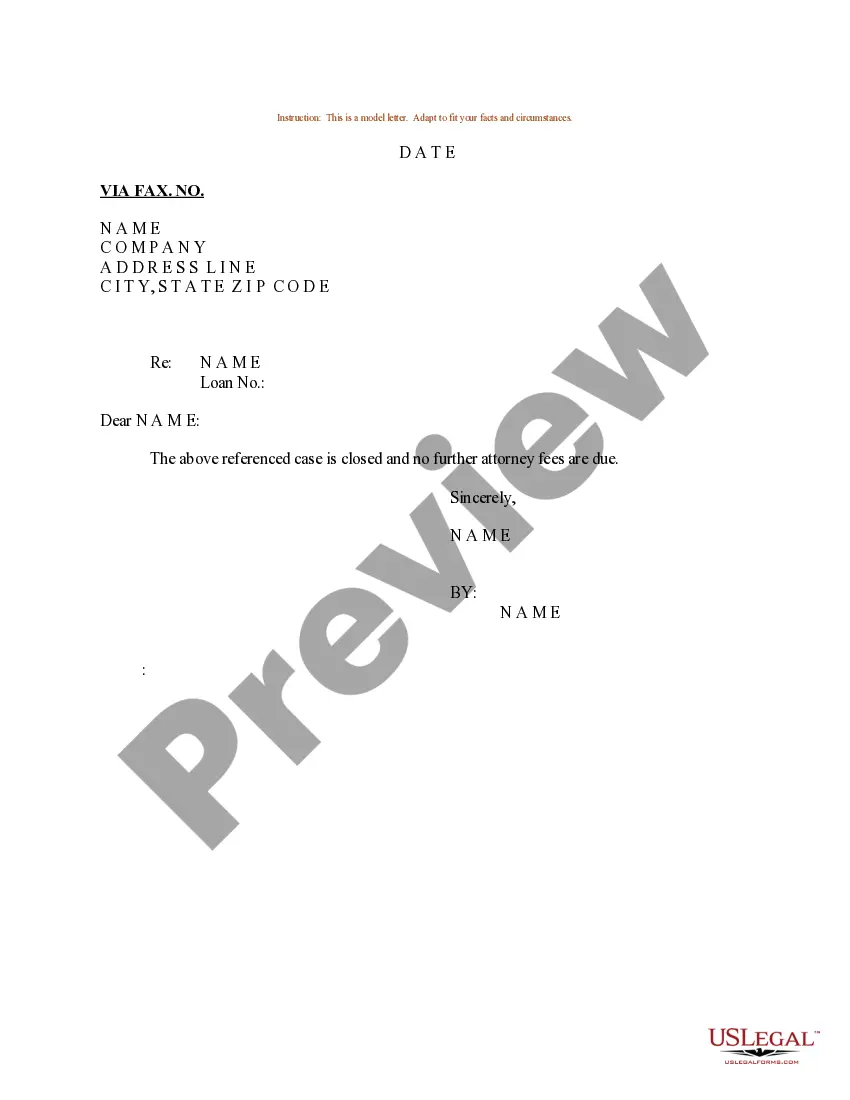
Get your form ready online
Our built-in tools help you complete, sign, share, and store your documents in one place.
Make edits, fill in missing information, and update formatting in US Legal Forms—just like you would in MS Word.
Download a copy, print it, send it by email, or mail it via USPS—whatever works best for your next step.
Sign and collect signatures with our SignNow integration. Send to multiple recipients, set reminders, and more. Go Premium to unlock E-Sign.
If this form requires notarization, complete it online through a secure video call—no need to meet a notary in person or wait for an appointment.
We protect your documents and personal data by following strict security and privacy standards.

Make edits, fill in missing information, and update formatting in US Legal Forms—just like you would in MS Word.

Download a copy, print it, send it by email, or mail it via USPS—whatever works best for your next step.

Sign and collect signatures with our SignNow integration. Send to multiple recipients, set reminders, and more. Go Premium to unlock E-Sign.

If this form requires notarization, complete it online through a secure video call—no need to meet a notary in person or wait for an appointment.

We protect your documents and personal data by following strict security and privacy standards.
Looking for another form?
Form popularity
FAQ
Withdrawal of counsel refers to an attorney's decision to stop representing a client in a legal case. This can happen for various reasons, such as a conflict between the attorney and client over strategy or fees.
(a) Notice of withdrawal. An attorney may withdraw from the case by filing with the court and serving on all parties a notice of withdrawal. The notice of withdrawal shall include the address of the attorney's client and a statement that no motion is pending and no hearing or trial has been set.
A written notice of a planned absence or vacation is a smart move to support an attorney's claim that the opposing counsel was advised well in advance that he or she is unavailable. Such notice is especially important if the attorney is either a sole practitioner or the only one who can handle the discovery or filings.
If the lawyer or licensed paralegal practitioner (LPP) who was representing you no longer does, they are supposed to file a Notice of Withdrawal of Counsel or Licensed Paralegal Practitioner with the court. This notice tells the court and the other party that the lawyer or LPP no longer represents you.
A form disengagement letter (also known as a withdrawal letter or a termination of engagement letter) sent by an attorney or law firm to a client when withdrawing from representation in a litigation matter. This Standard Document has integrated notes with important explanations and drafting tips.
An attorney may replace the counsel of record by filing and serving a notice of substitution of counsel signed by former counsel, new counsel and the client.
Rule 1.16 requires you to withdraw if the representation will cause you to violate the rules, if the client insists on a course of action that you reasonably believe is criminal or fraudulent, or if the client is using your services to perpetrate a crime or fraud.
