Sample Letters For Ielts General In San Jose
Description

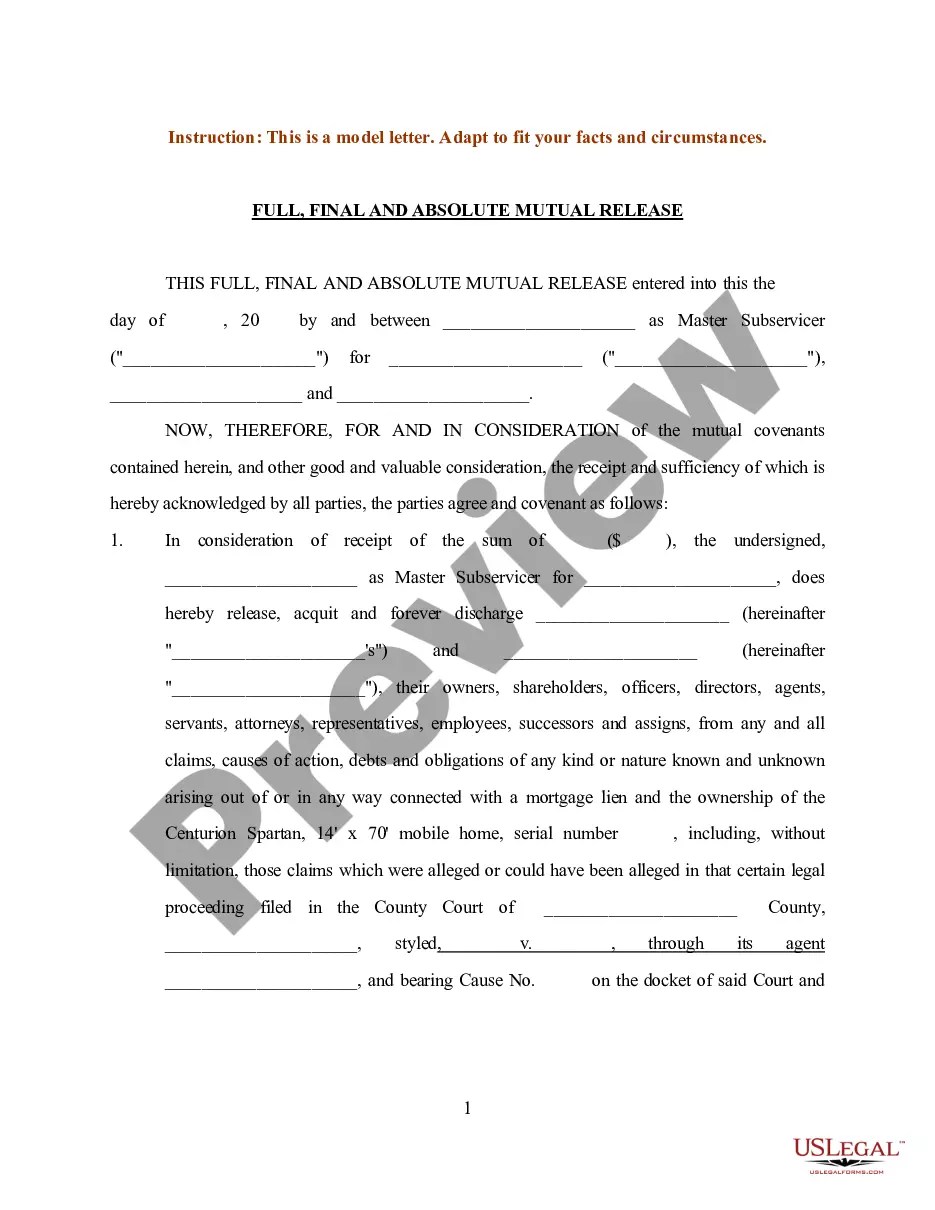
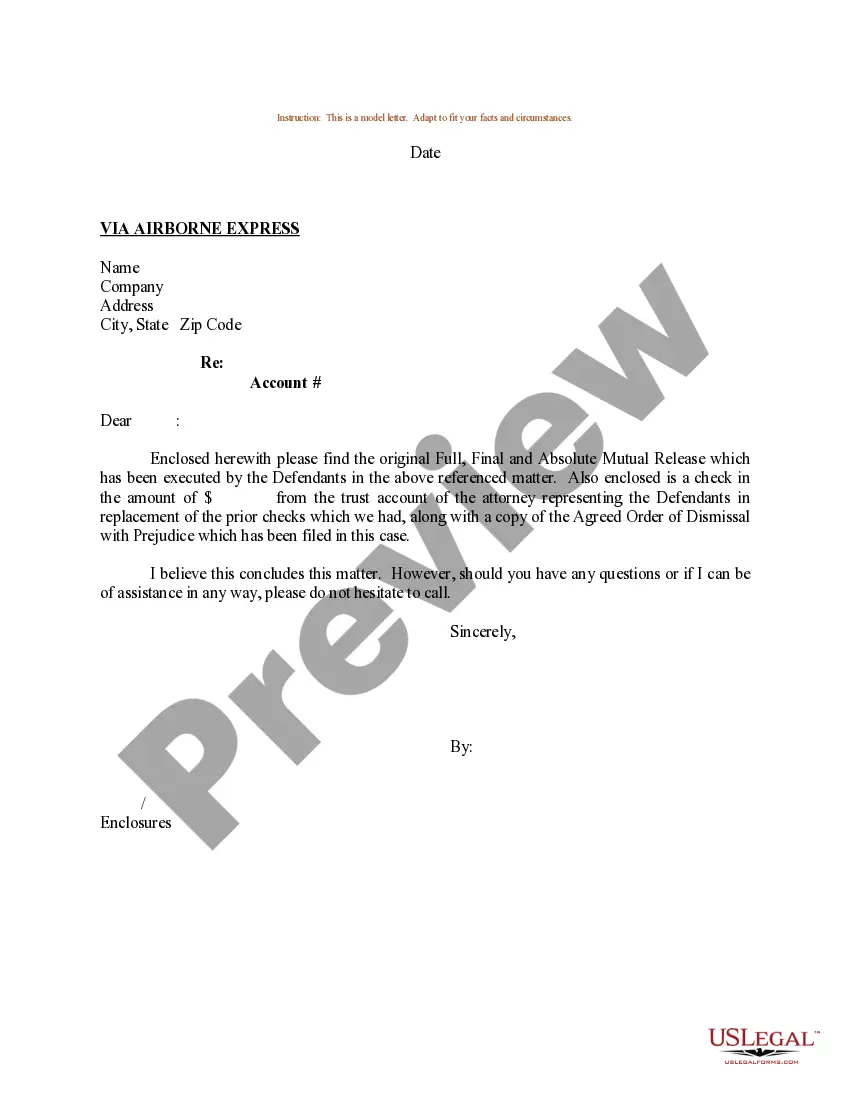
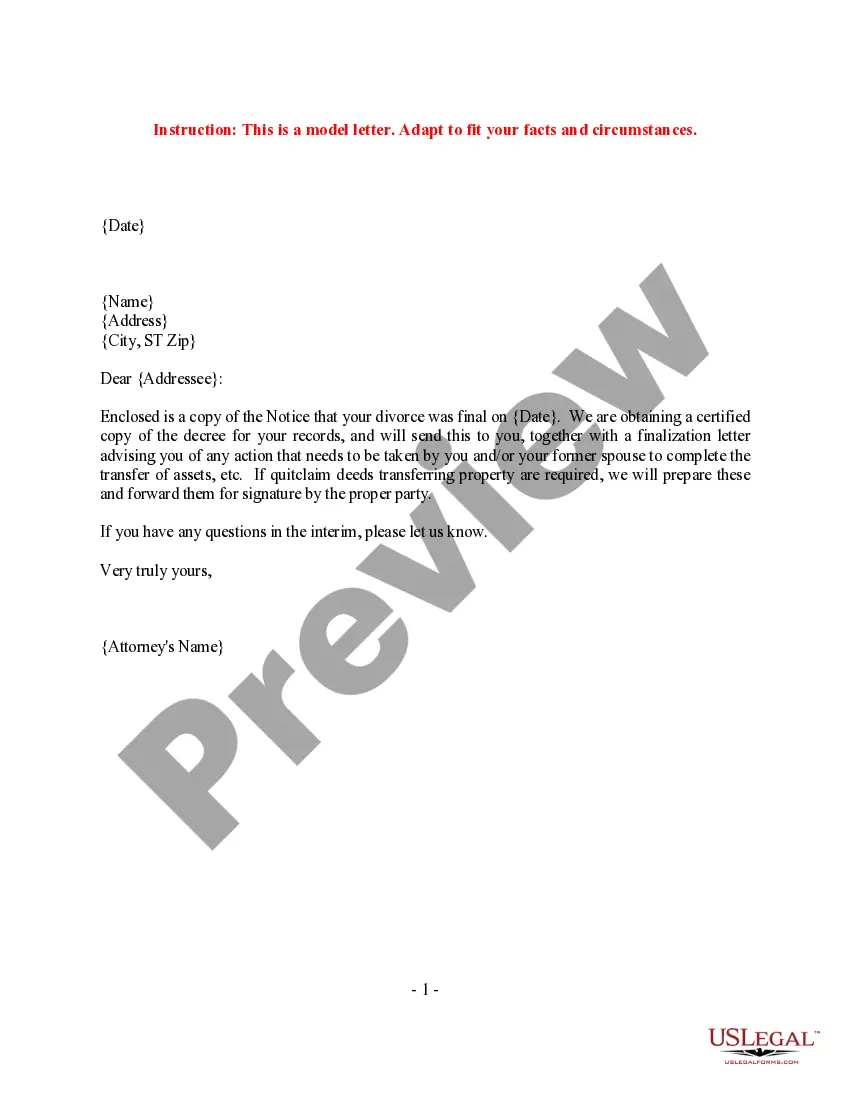
Get your form ready online
Our built-in tools help you complete, sign, share, and store your documents in one place.
Make edits, fill in missing information, and update formatting in US Legal Forms—just like you would in MS Word.
Download a copy, print it, send it by email, or mail it via USPS—whatever works best for your next step.
Sign and collect signatures with our SignNow integration. Send to multiple recipients, set reminders, and more. Go Premium to unlock E-Sign.
If this form requires notarization, complete it online through a secure video call—no need to meet a notary in person or wait for an appointment.
We protect your documents and personal data by following strict security and privacy standards.

Make edits, fill in missing information, and update formatting in US Legal Forms—just like you would in MS Word.

Download a copy, print it, send it by email, or mail it via USPS—whatever works best for your next step.

Sign and collect signatures with our SignNow integration. Send to multiple recipients, set reminders, and more. Go Premium to unlock E-Sign.

If this form requires notarization, complete it online through a secure video call—no need to meet a notary in person or wait for an appointment.

We protect your documents and personal data by following strict security and privacy standards.
Looking for another form?








Form popularity
FAQ
IELTS Writing Study Tips Complete Writing Task 2 First. Avoid Informal Writing. Watch Your Word Count! ... Understand the Marking Criteria. Practice, Practice, Practice! ... Paraphrase, Don't Copy. Make Sure You're Actually Answering the Question.
Use this easy to remember 6 part structure. Dear ..... Paragraph 1: Purpose – why you are writing. Paragraph 2: Write about 1st bullet point. Paragraph 3: Write about 2nd bullet point. Paragraph 4: Write about 3rd bullet point. Signoff.
Make sure it is clear where each paragraph begins and ends. Write clearly and legibly. Cross out changes neatly and erase thoroughly. Leave some time at the end to check for and correct spelling and grammar mistakes. Read as much or as often as you can so that you become more familiar with the way writing is organized.
IELTS Writing Task 2: 7 steps towards a band 7 Step 1: Answer all parts of the question. Step 2: Present a clear position. Step 3: Structure your essay. Step 4: Use linking devices. Step 5: Use a range of vocabulary. Step 6: Use a range of grammatical structures correctly. Step 7: Check your essay thoroughly.
Tips to write a perfect letter in your IELTS General Training Writing task 1 Start with the purpose. Begin your letter by explicitly stating the purpose behind your communication. Use the correct tone. Ensure that you include the bullet points.
Writing Write task 1 and task 2 every day. Analyse your mistakes. Work on your weaknesses. Read band 9 essays and compare them to the answers that you have written. Check each sentence for mistakes as you write your IELTS essays. Give yourself 3-5 minutes at the end of the writing test to check over your writing.
Tips to improve your IELTS Writing band score Read the questions carefully. Set yourself up for success by ensuring that you understand the question well before you start writing. Use paragraphs. Each paragraph should contain one idea. Utilise your vocabulary. Try to avoid using the same words too much.
You must write your answers using full sentences. You must not write your answers as notes or bullet points. You must write your answers on the answer sheet. You are allowed to write notes on the question paper but these will not be seen by the examiner.
You should write in an academic or semi-formal/neutral style. You will need to organise your ideas clearly and make sure you use relevant examples (which can be from your own experience, if relevant) or evidence. You should spend no more than 40 minutes on this task.
Tips for writing a strong introduction in the IELTS Writing task 2 Tip 1: Thoroughly read and analyse the question. Tip 2: Start with a general statement and focus on the specifics of the question. Tip 3: Use your original language. Tip 4: Clearly express your stance. Tip 5: Outline how you plan to approach your essay.

