Sample Letter With Signature In San Bernardino
Description

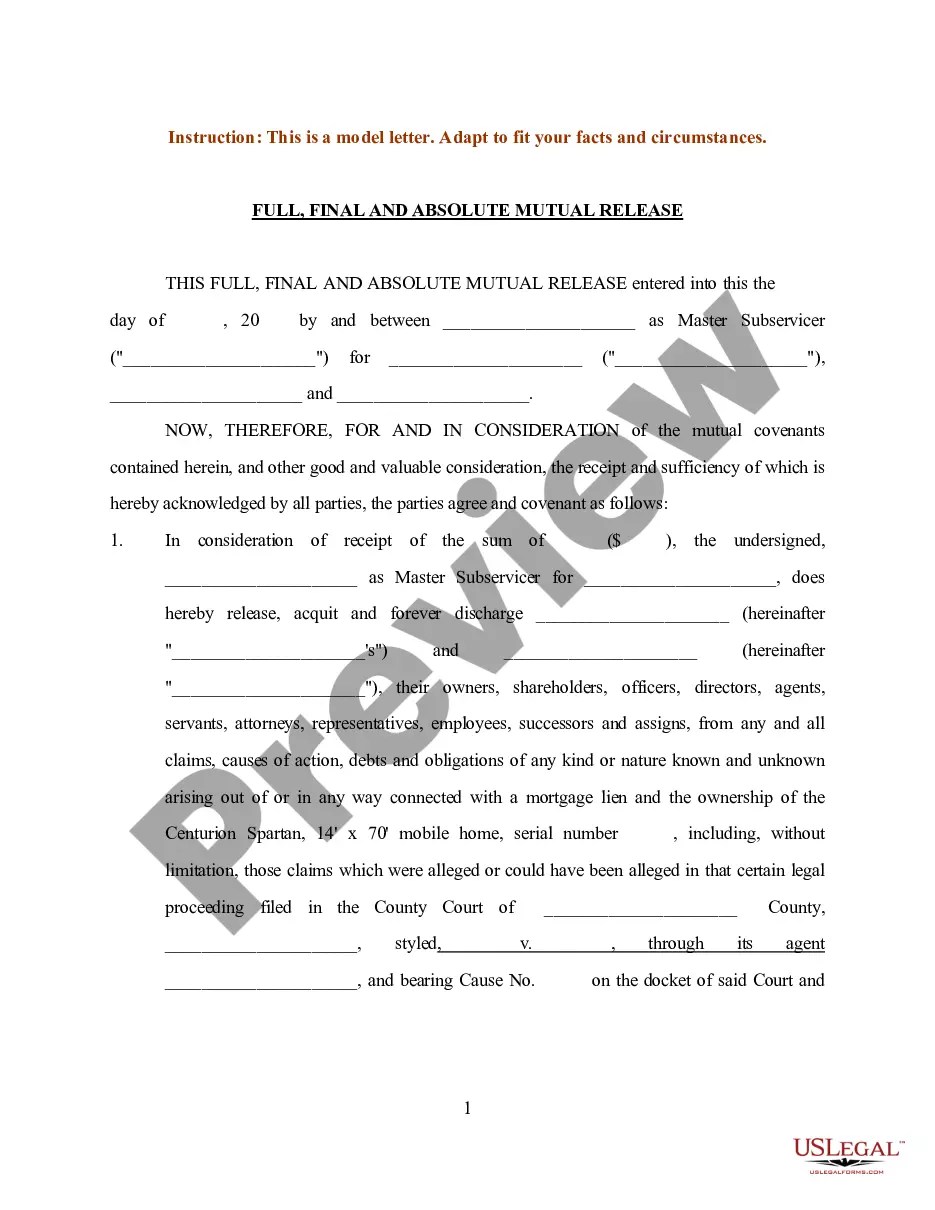
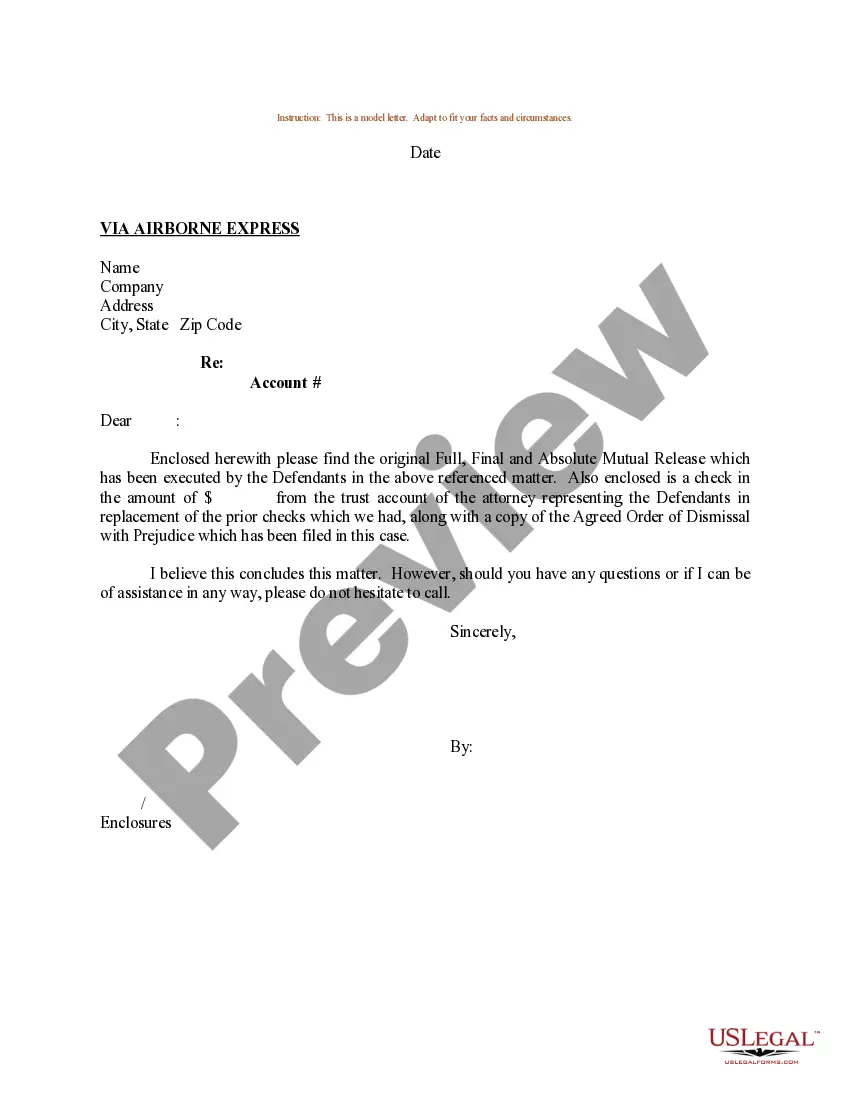
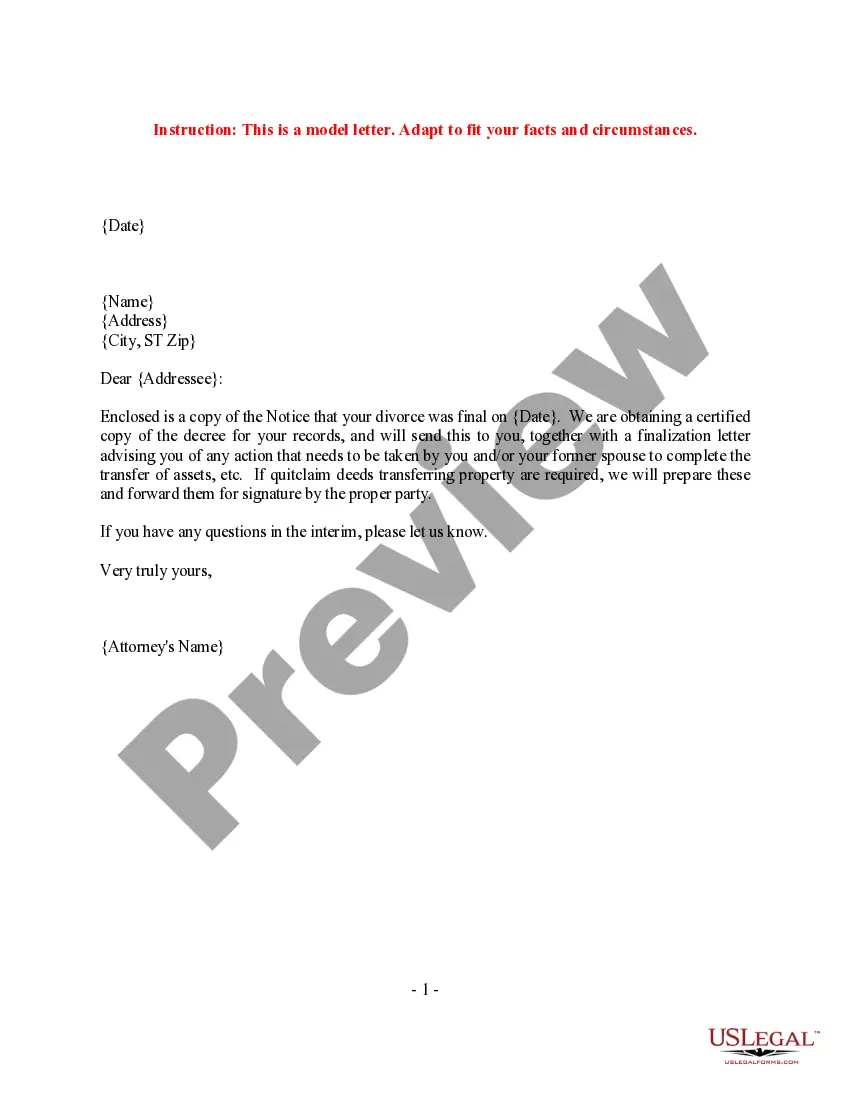
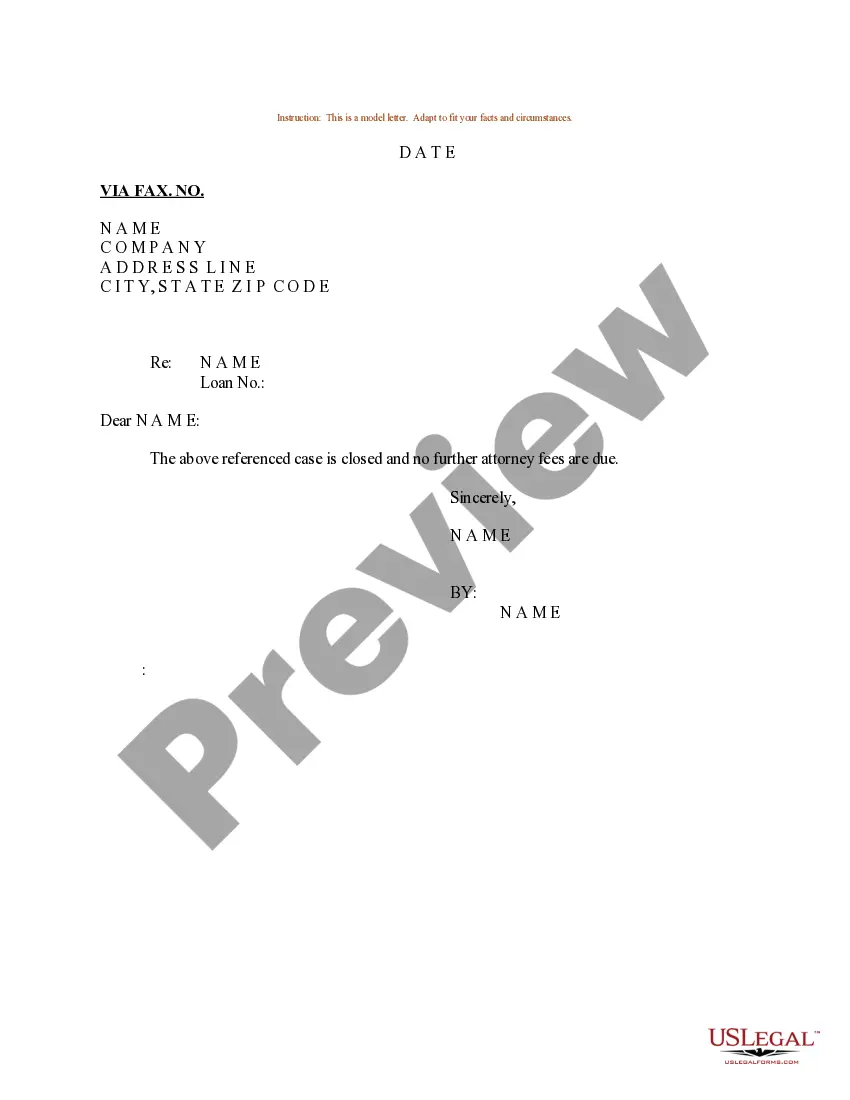
Get your form ready online
Our built-in tools help you complete, sign, share, and store your documents in one place.
Make edits, fill in missing information, and update formatting in US Legal Forms—just like you would in MS Word.
Download a copy, print it, send it by email, or mail it via USPS—whatever works best for your next step.
Sign and collect signatures with our SignNow integration. Send to multiple recipients, set reminders, and more. Go Premium to unlock E-Sign.
If this form requires notarization, complete it online through a secure video call—no need to meet a notary in person or wait for an appointment.
We protect your documents and personal data by following strict security and privacy standards.

Make edits, fill in missing information, and update formatting in US Legal Forms—just like you would in MS Word.

Download a copy, print it, send it by email, or mail it via USPS—whatever works best for your next step.

Sign and collect signatures with our SignNow integration. Send to multiple recipients, set reminders, and more. Go Premium to unlock E-Sign.

If this form requires notarization, complete it online through a secure video call—no need to meet a notary in person or wait for an appointment.

We protect your documents and personal data by following strict security and privacy standards.
Looking for another form?





Form popularity
FAQ
California Electronic Signature Policy: Court Expressly Permits Filings with E-Signatures.
Rules 2.257 Under the proposed requirements, the electronic signature must be (1) unique to the declarant, (2) capable of verification, (3) under the sole control of the declarant, and (4) linked to data in such a manner that if the data are changed, the electronic signature may be declared invalid by the court.
A proposed order is often lodged and/or served with moving or opposition papers. It must not be attached to them, but must be a separate document. The requirements for proposed orders, including the requirements for submitting proposed orders by electronic means, are stated in CRC 3.1312.
If a document requires a signature by a court or a judicial officer, the document may be electronically signed in any manner permitted by law.
The Electronic Signatures in Global and National Commerce Act, otherwise known as the E-Sign Act, states that electronic signatures shouldn't be considered invalid simply because they're electronic. In other words, e-signatures are completely legal and binding. They can hold up in court.
Electronic service. When a document may be served by mail, express mail, overnight delivery, or fax transmission, the document may be served electronically under Code of Civil Procedure section 1010.6, Penal Code section 690.5, and the rules in this chapter.
The Uniform Electronic Transaction Act (UETA) authorizes use of an electronic signature for transactions and contracts among parties in California, including a government agency.
I, ________________________________________________, agree and understand that by signing the Electronic Signature Acknowledgment and Consent Form, that all electronic signatures are the legal equivalent of my manual/handwri en signature and I consent to be legally bound to this agreement.
By California's law, a Notary Acknowledgement must contain specific details. These include the state and county where the acknowledgement is made, the name of the notary public, the individual making the acknowledgement, the date the acknowledgement was made, and an identification of the document being notarized.
This verbiage typically includes attestations confirming the signer's identity and willingness. It may also involve jurats, where the signer swears to the truthfulness of the content. Key components of notarization verbiage include: Acknowledgments: Statements confirming the signer's voluntary action without duress.

