Sample Letter With 3 Signatures In Ohio
Description
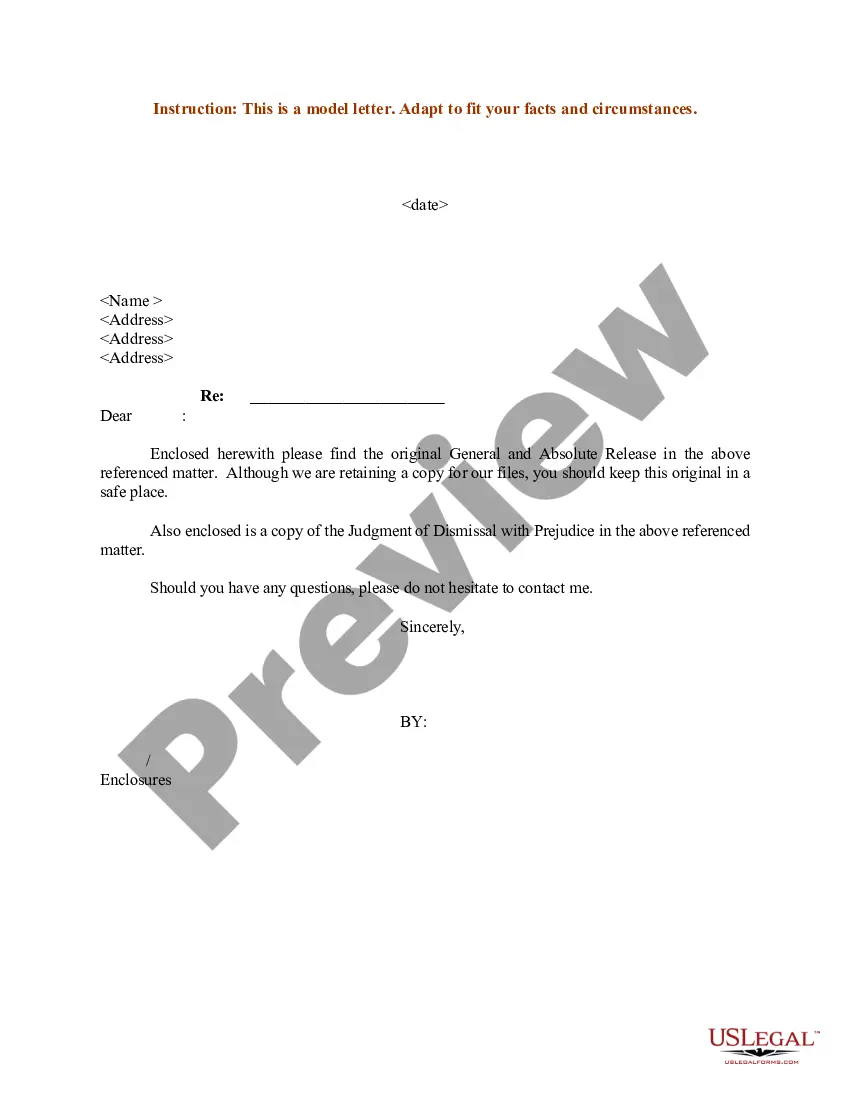
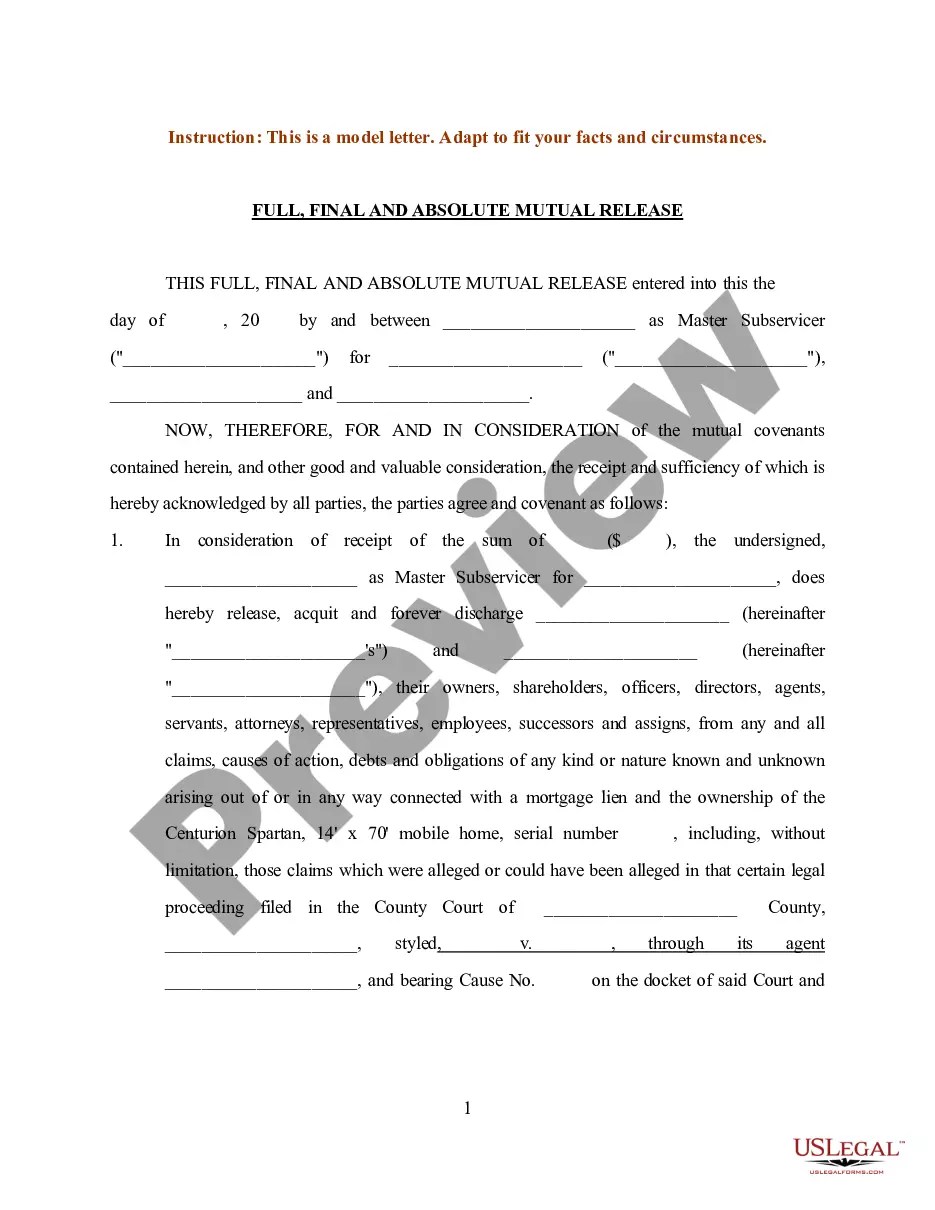
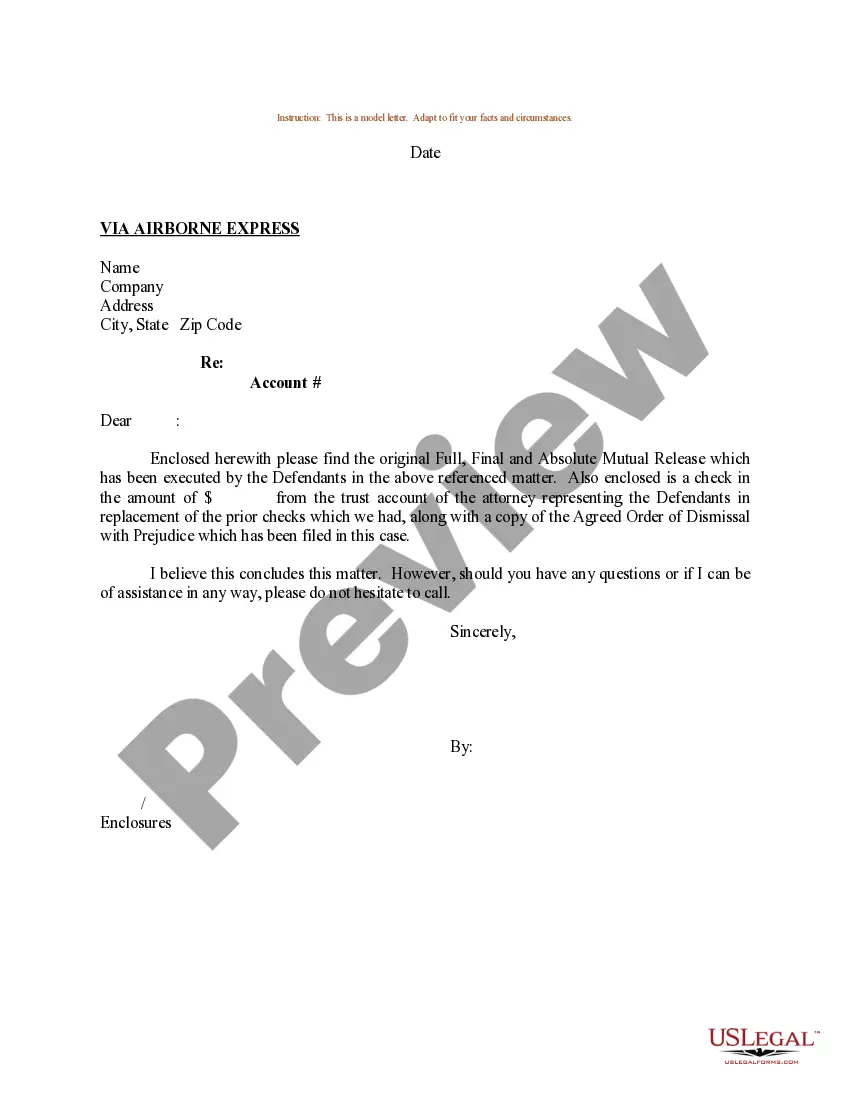
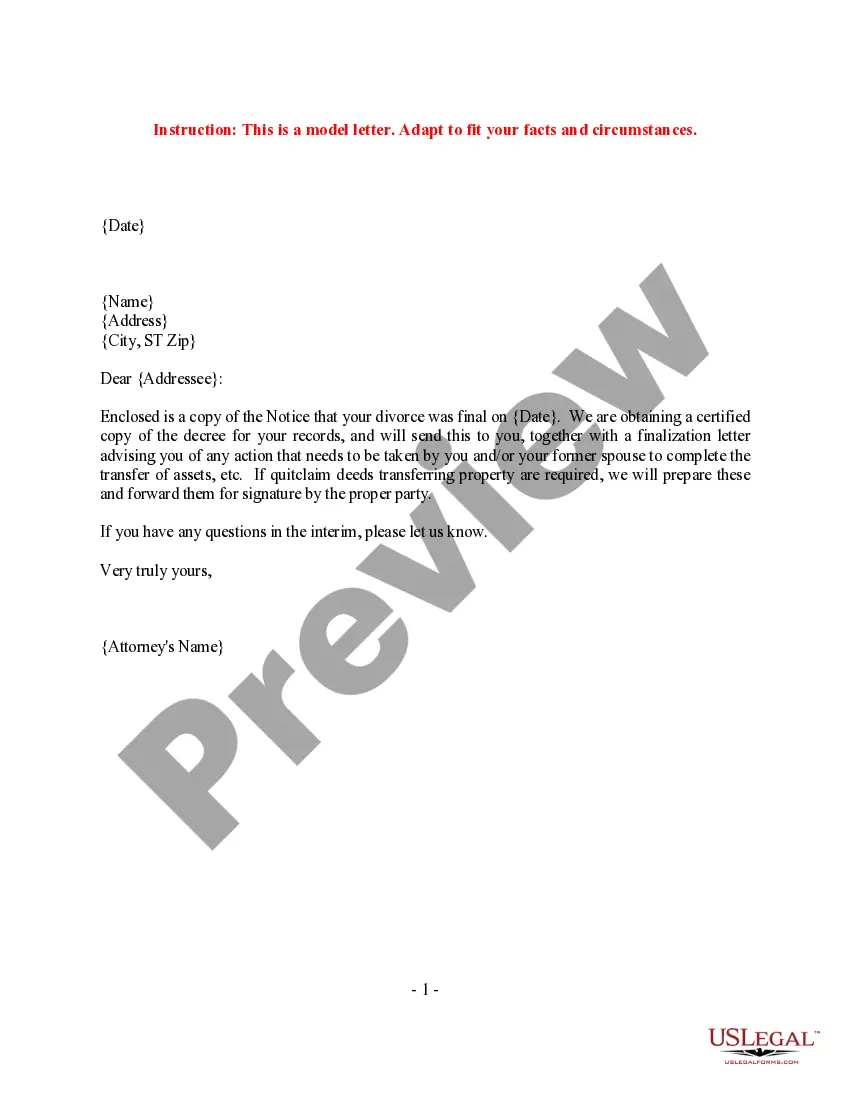
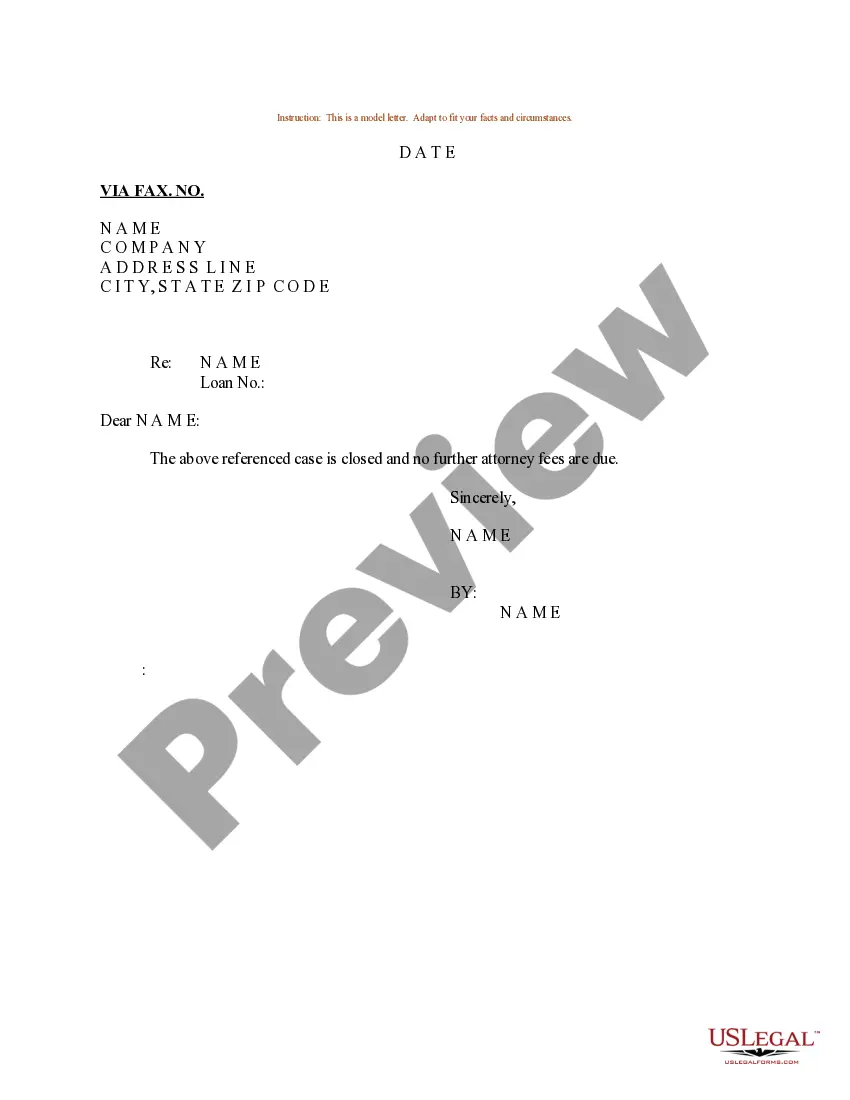
Get your form ready online
Our built-in tools help you complete, sign, share, and store your documents in one place.
Make edits, fill in missing information, and update formatting in US Legal Forms—just like you would in MS Word.
Download a copy, print it, send it by email, or mail it via USPS—whatever works best for your next step.
Sign and collect signatures with our SignNow integration. Send to multiple recipients, set reminders, and more. Go Premium to unlock E-Sign.
If this form requires notarization, complete it online through a secure video call—no need to meet a notary in person or wait for an appointment.
We protect your documents and personal data by following strict security and privacy standards.

Make edits, fill in missing information, and update formatting in US Legal Forms—just like you would in MS Word.

Download a copy, print it, send it by email, or mail it via USPS—whatever works best for your next step.

Sign and collect signatures with our SignNow integration. Send to multiple recipients, set reminders, and more. Go Premium to unlock E-Sign.

If this form requires notarization, complete it online through a secure video call—no need to meet a notary in person or wait for an appointment.

We protect your documents and personal data by following strict security and privacy standards.
Looking for another form?










Form popularity
FAQ
You can create two sections for signatures below your valediction. Leave a space for the first person's signature and put their name and job title directly underneath this space. Repeat the process for the second person's name. Print your document and have each individual sign their name in the empty space.
Include something like: Respectfully, Respectfully yours, Sincerely, Best wishes, All the best, Warm regards, Consider to whom you're writing. Consider the purpose of the letter.
Signature and name: When you're typing your letter, leave a space in between your closing and printed name so you can handwrite your signature. Handwriting a signature adds a personal tone to your letter and shows you put effort into it.
The preferred letter ending phrases for formal, social, or business correspondence are “Sincerely,” “Sincerely yours,” “Very sincerely,” or “Very sincerely yours.” “Kind(est) regards,” and “Warm(est) regards” fill a nice gap between formal and more intimate closings.
Signature and name: When you're typing your letter, leave a space in between your closing and printed name so you can handwrite your signature. Handwriting a signature adds a personal tone to your letter and shows you put effort into it.
At the end of the letter, place your signature on the right side of the page. Don't forget to provide any relay information if necessary. When writing a letter using simplified style form, put the date on the left. Then, put the receiver's name, and his/her title, company name, and address.
You should always include your signature and contact information after closing a letter. If you're mailing your letter, include your address at the top of the letter so that the recipient can respond by mail if necessary.
One can possess 2 or more signatures. A signature is merely meant for the authority to establish the identity of the subscriber. To ensure authenticity, you are only required to provide signatures available with the authority.
You can have as many signatures as you want, but you should be consistent when interacting with the same organization or person, otherwise they might flag your signature as a potential fraud. They'll likely ask you more questions and ask you to sign again.

