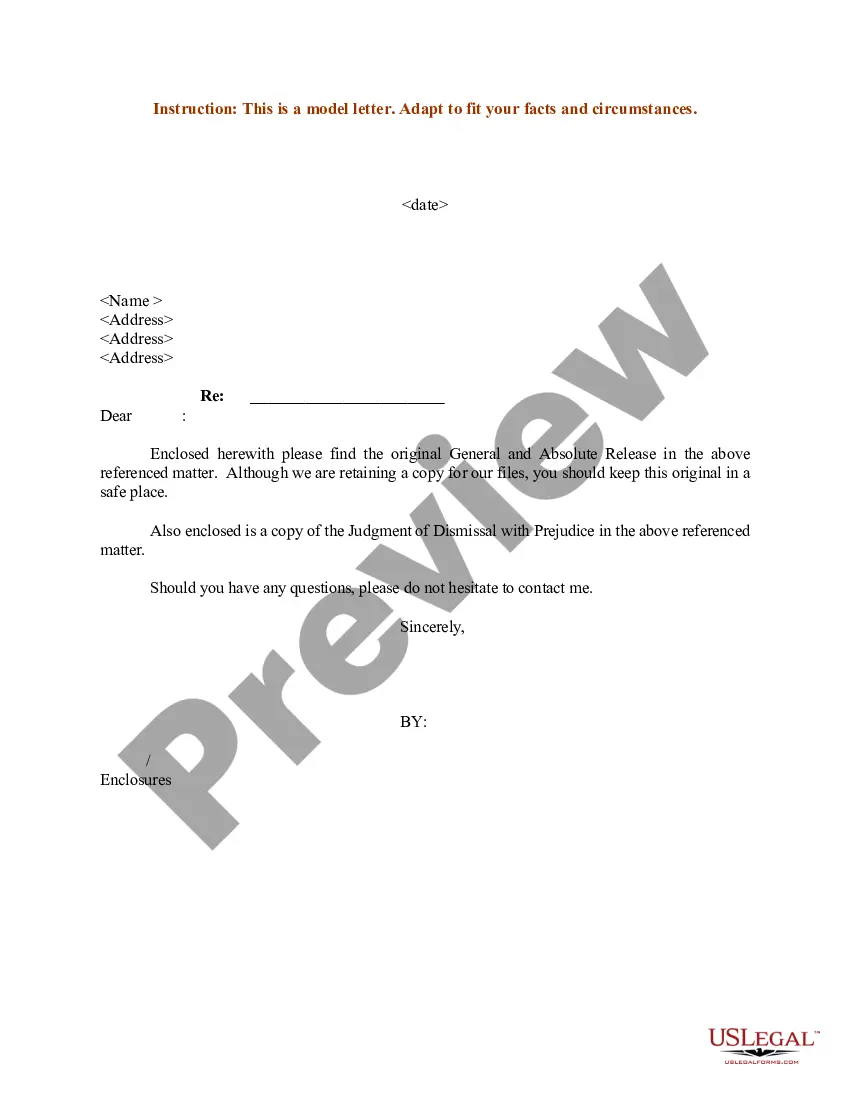
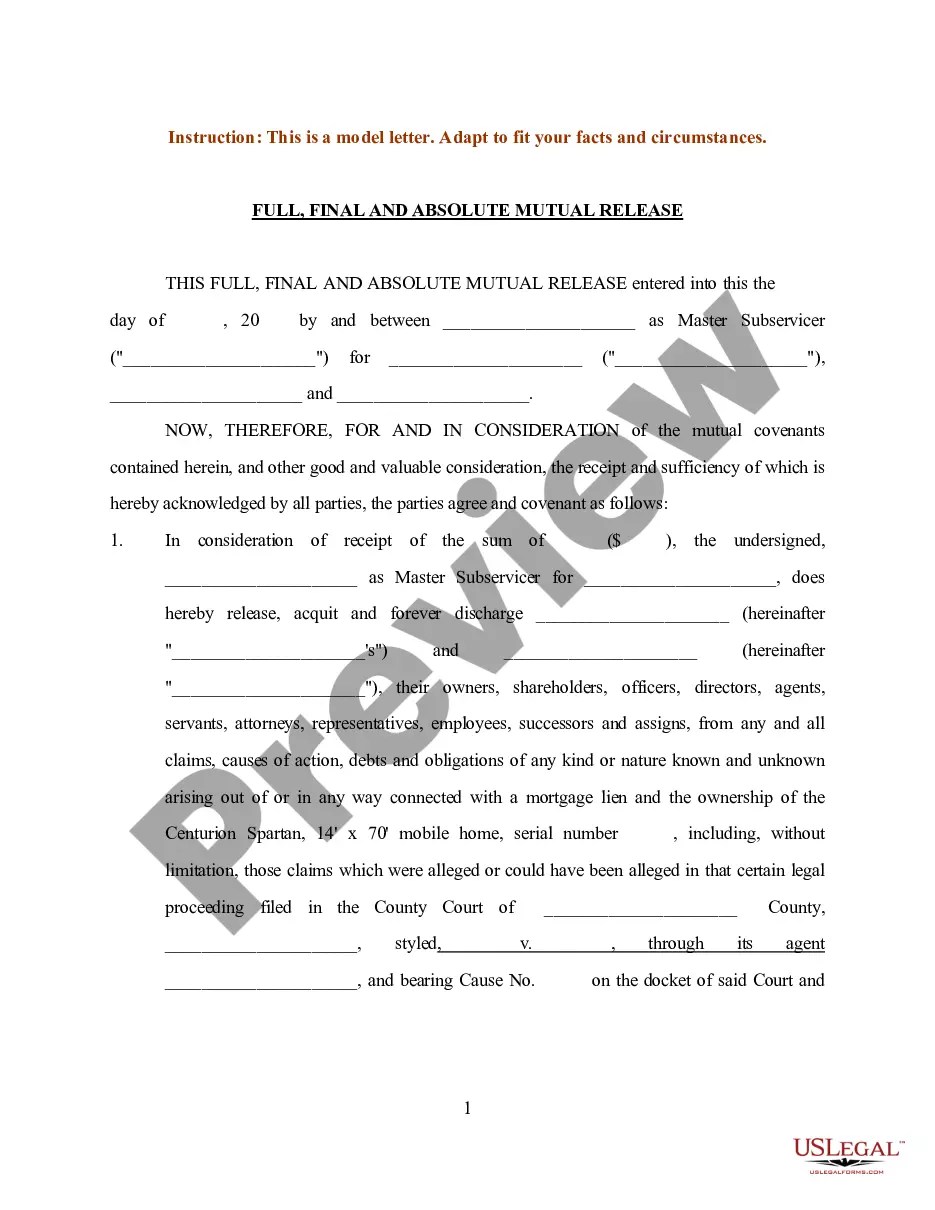
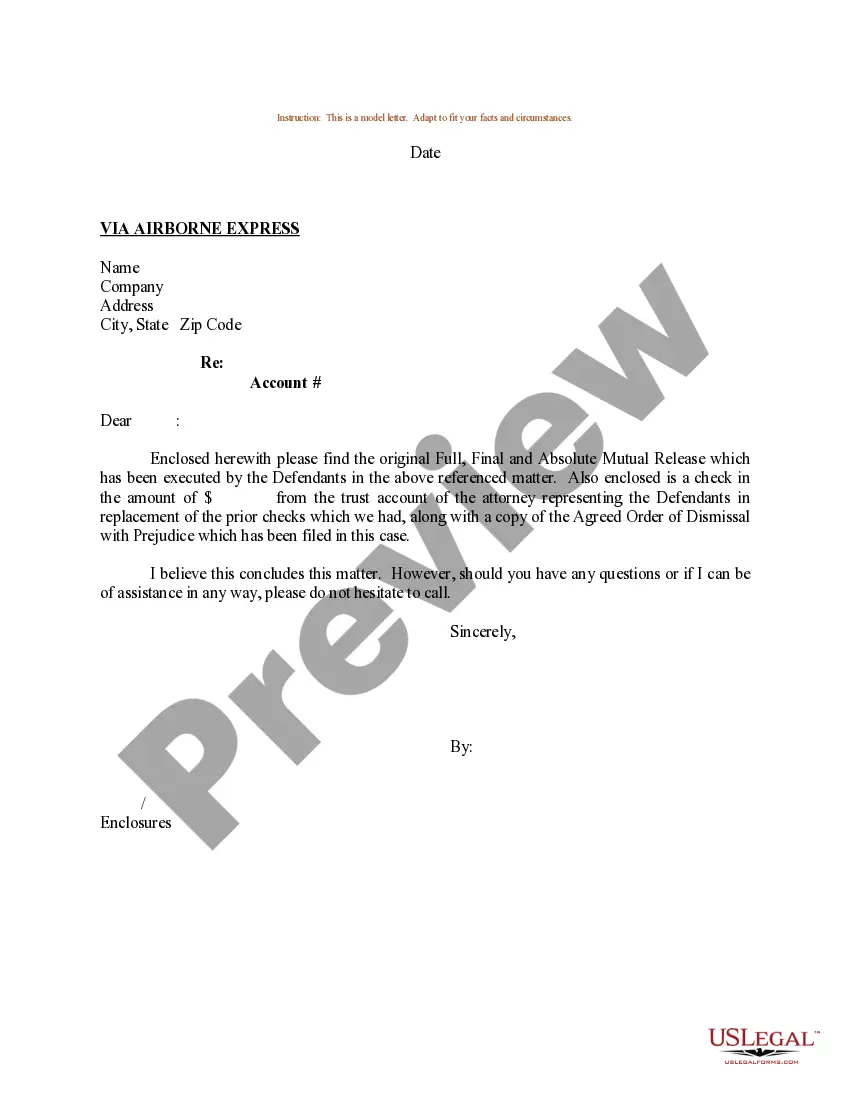
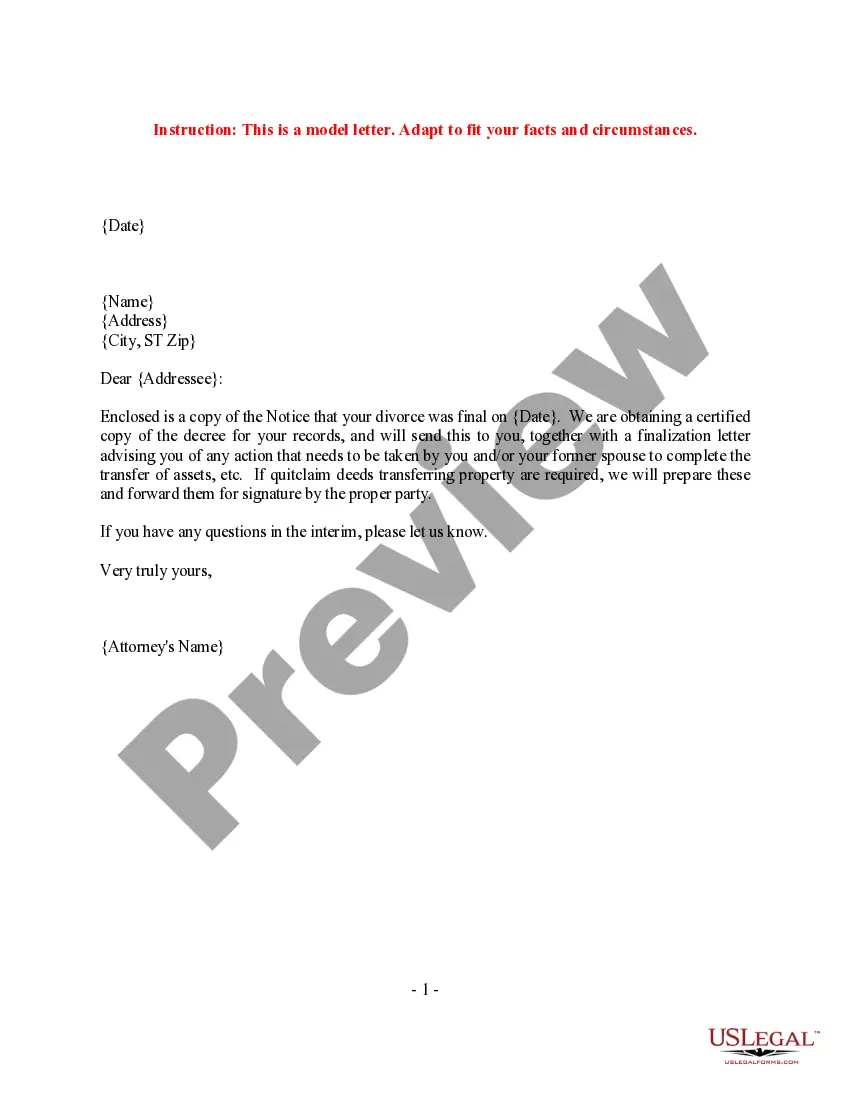
Sample Letter With Re In Oakland
Description
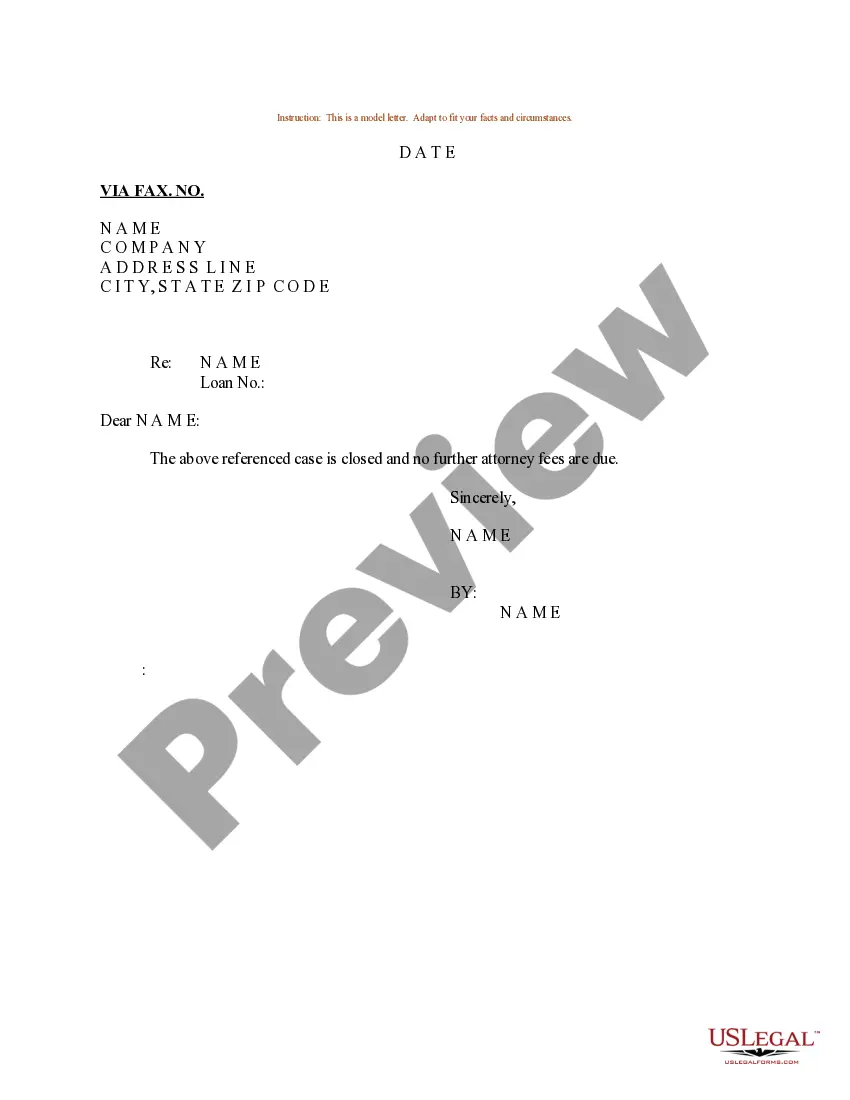
Get your form ready online
Our built-in tools help you complete, sign, share, and store your documents in one place.
Make edits, fill in missing information, and update formatting in US Legal Forms—just like you would in MS Word.
Download a copy, print it, send it by email, or mail it via USPS—whatever works best for your next step.
Sign and collect signatures with our SignNow integration. Send to multiple recipients, set reminders, and more. Go Premium to unlock E-Sign.
If this form requires notarization, complete it online through a secure video call—no need to meet a notary in person or wait for an appointment.
We protect your documents and personal data by following strict security and privacy standards.

Make edits, fill in missing information, and update formatting in US Legal Forms—just like you would in MS Word.

Download a copy, print it, send it by email, or mail it via USPS—whatever works best for your next step.

Sign and collect signatures with our SignNow integration. Send to multiple recipients, set reminders, and more. Go Premium to unlock E-Sign.

If this form requires notarization, complete it online through a secure video call—no need to meet a notary in person or wait for an appointment.

We protect your documents and personal data by following strict security and privacy standards.
Looking for another form?






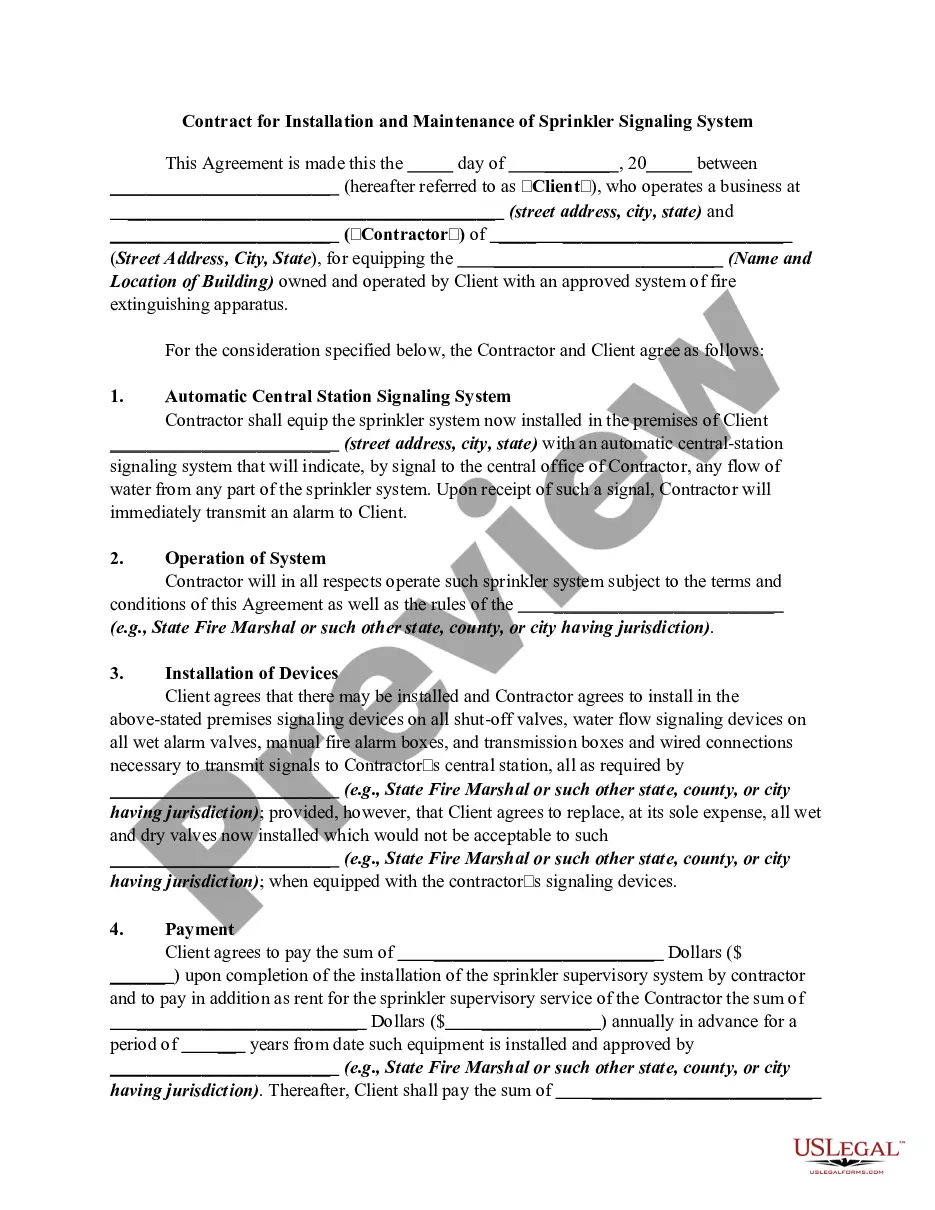



Form popularity
FAQ
In Oakland, if your tenant is in breach of their contract or they are in violation of their lease, the landlord has to take the proper steps to notify them before they can proceed with an Unlawful Detainer. 1. The landlord must first serve a "warning notice", also known as the 7 Day Notice to Cease.
Just Cause is Required for Eviction (Oakland Municipal Code, Section 8.22. 300) In Oakland, a property owner can only terminate a tenancy or evict a tenant for JUST CAUSE.
Single family residences and condominiums are exempt from the Rent Adjustment Ordinance if the unit is rented as one single unit and not rented room by room for more than 30 continuous days (like a rooming house).
If you don't do what your landlord asks, they can start an eviction case to ask the judge to order you to move out. After the landlord gives you the Notice it can take 30-45 days, or longer, for the eviction case to end. If you lose the case, the judge can order you to move out of your home.
If your tenant won't fix the problem or move out, you'll have to go through the court to get an order for them to move out. The eviction process can take 30 - 45 days, or longer. The time starts from when you have eviction court forms delivered to your tenant to the time they must move out.
If you have lived in the rental unit for less than one year, then you will receive a 30-day notice to quit, which gives you 30 days to move out of the rental unit.
Just Cause is Required for Eviction (Oakland Municipal Code, Section 8.22. 300) Material violation of rental agreement after written notice to stop. Causing substantial damage to the unit. Tenant continues to disturb the peace and quiet enjoyment of other tenants after written notice to stop.
How to Apply Step One: Gather Permit Record or Permit History. Step Two: Complete Your Application. Step Three: Submit Your Application & Documentation. Step Four: Schedule Field Inspection. Step Five: Certificate of Occupancy (CO) Issued. Step Six: Obtain Additional Permits (As Instructed by Inspector)
Fully owner-occupied units, including single family homes. Hospitals, skilled nursing, or health facilities. Non-profits or substance abuse recovery facilities. Non-profits to support the homelessness.

