Sample Letter To Irs For Audit Reconsideration In Hennepin
Description

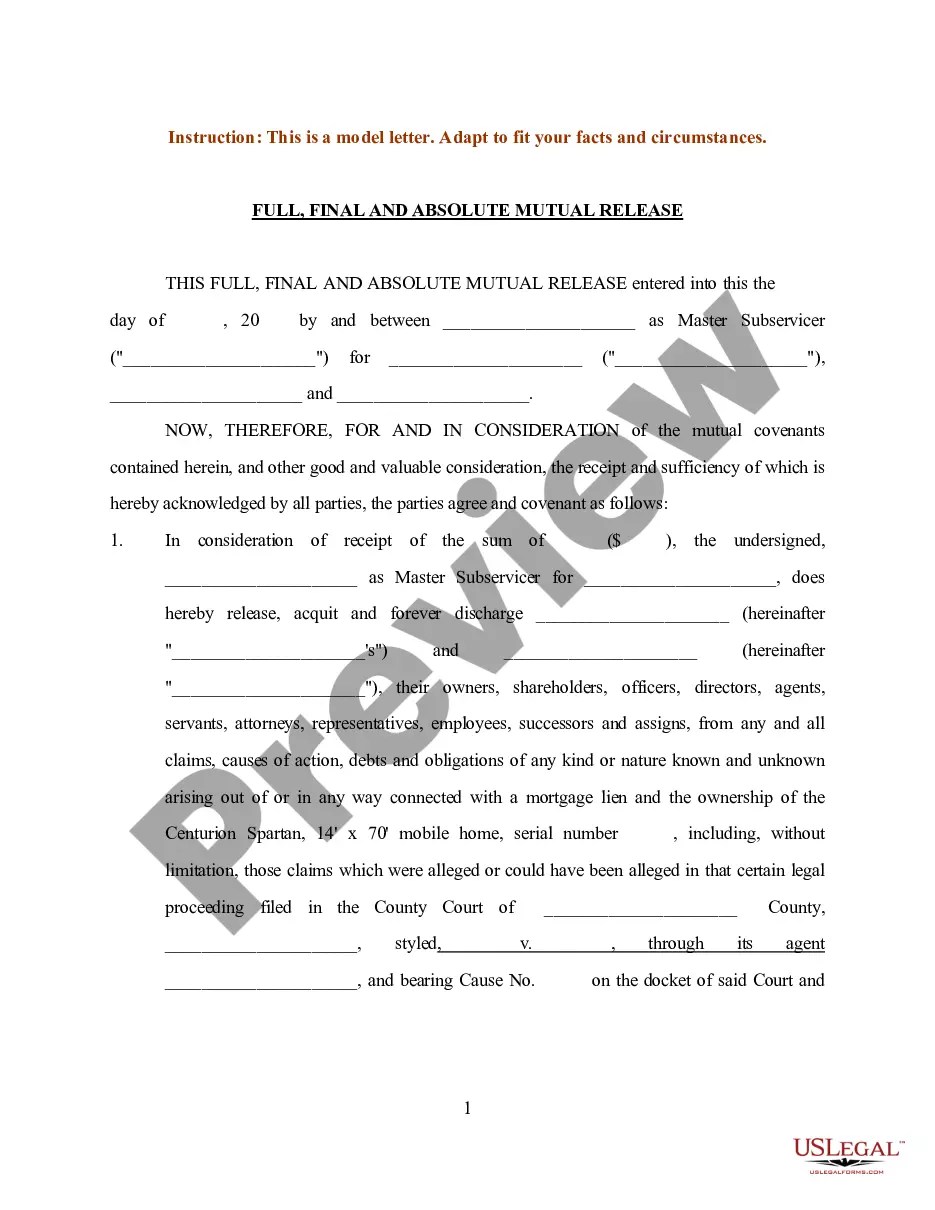
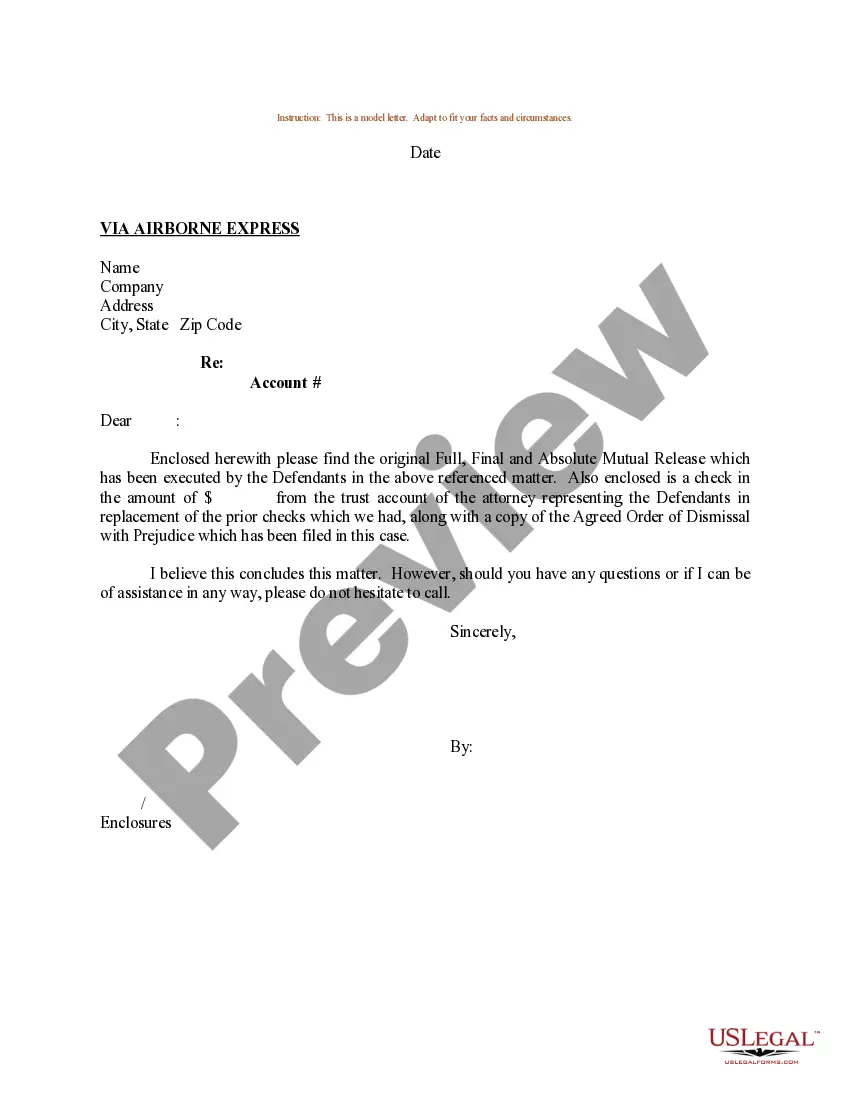
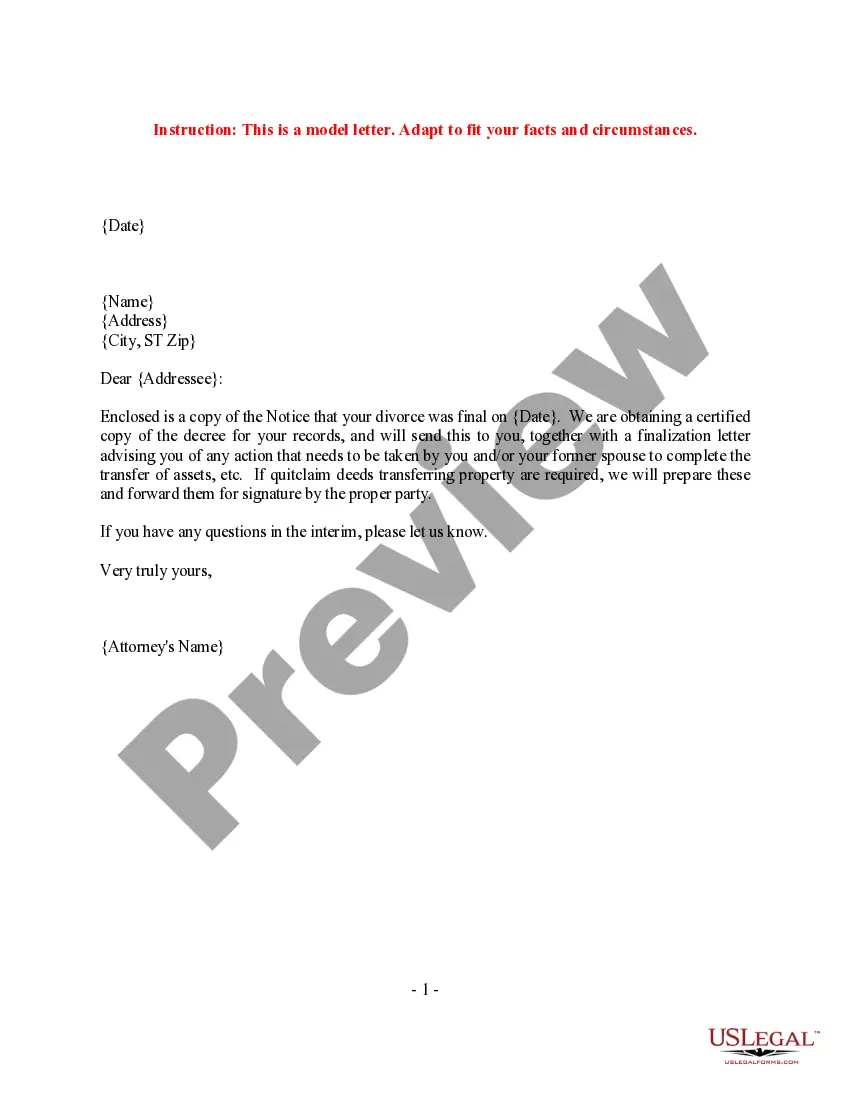
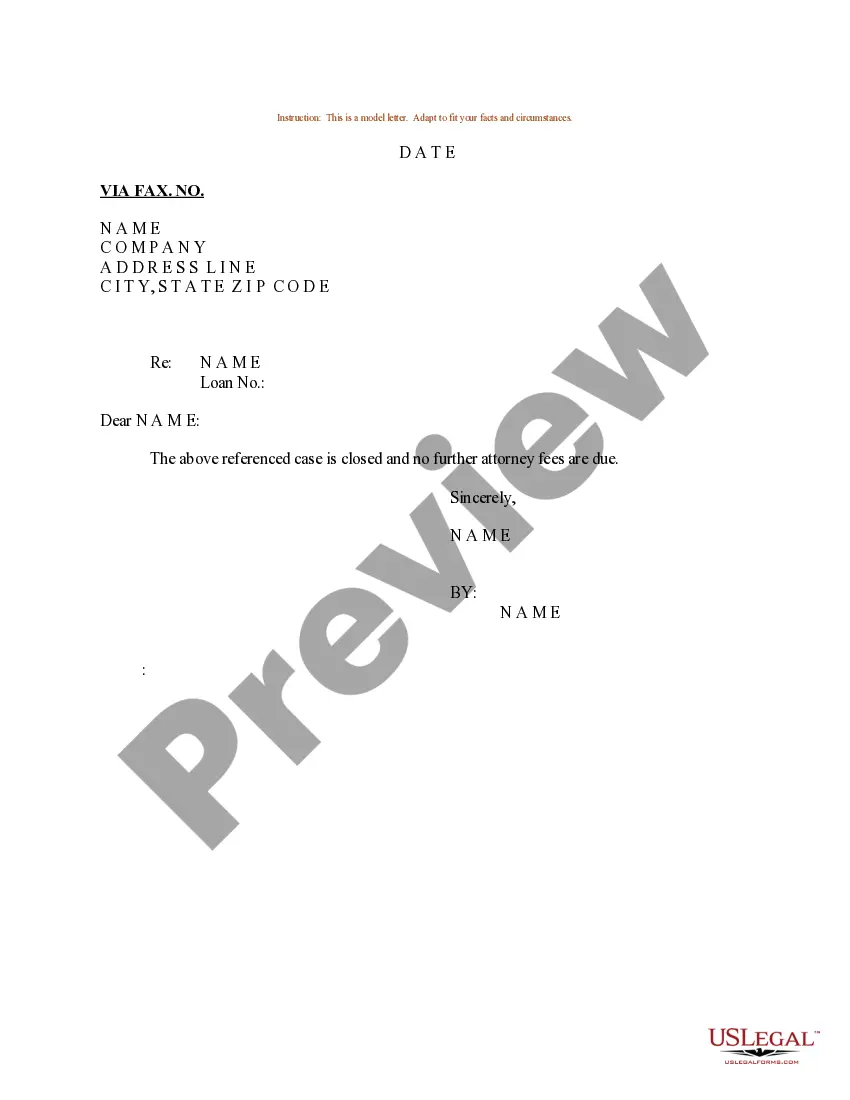
Get your form ready online
Our built-in tools help you complete, sign, share, and store your documents in one place.
Make edits, fill in missing information, and update formatting in US Legal Forms—just like you would in MS Word.
Download a copy, print it, send it by email, or mail it via USPS—whatever works best for your next step.
Sign and collect signatures with our SignNow integration. Send to multiple recipients, set reminders, and more. Go Premium to unlock E-Sign.
If this form requires notarization, complete it online through a secure video call—no need to meet a notary in person or wait for an appointment.
We protect your documents and personal data by following strict security and privacy standards.

Make edits, fill in missing information, and update formatting in US Legal Forms—just like you would in MS Word.

Download a copy, print it, send it by email, or mail it via USPS—whatever works best for your next step.

Sign and collect signatures with our SignNow integration. Send to multiple recipients, set reminders, and more. Go Premium to unlock E-Sign.

If this form requires notarization, complete it online through a secure video call—no need to meet a notary in person or wait for an appointment.

We protect your documents and personal data by following strict security and privacy standards.
Looking for another form?

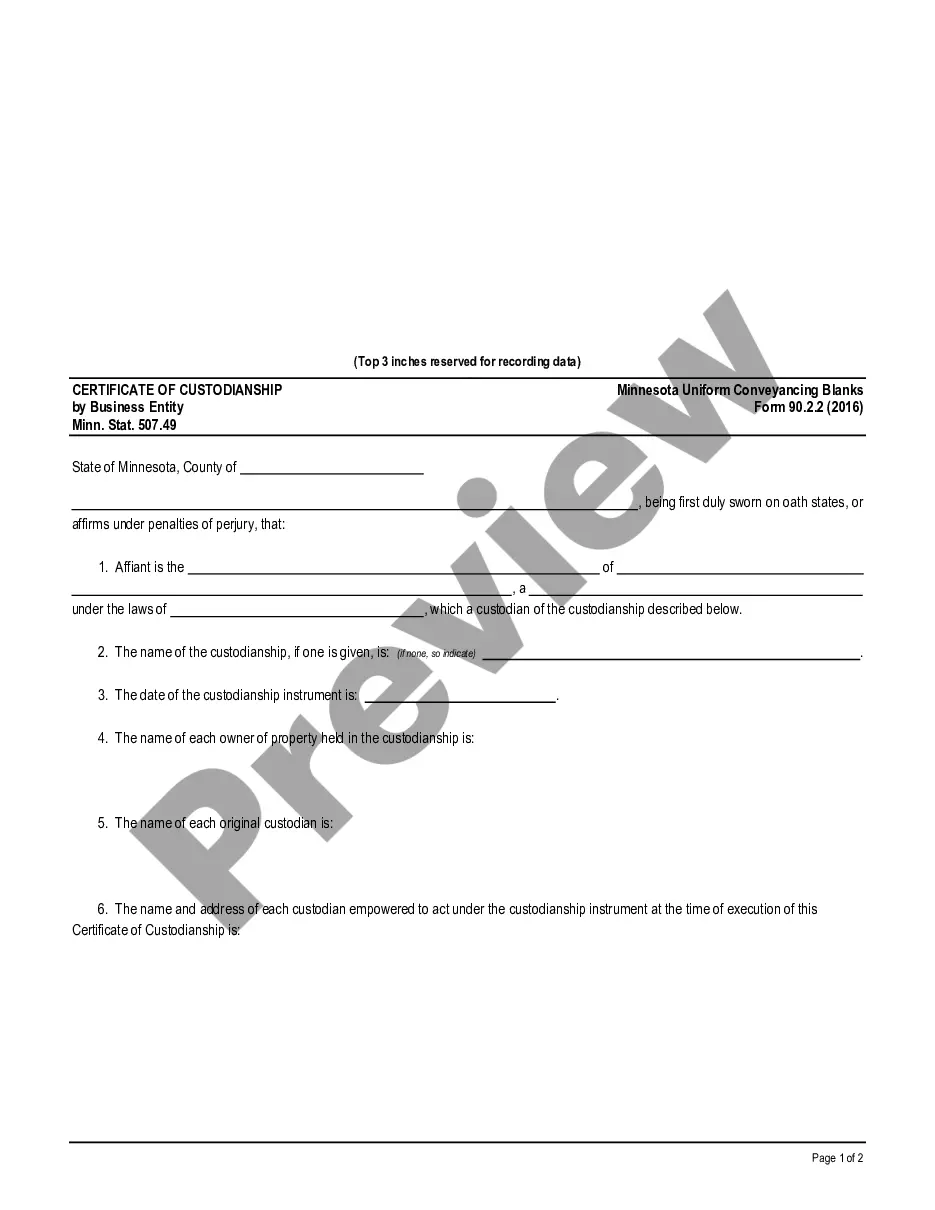

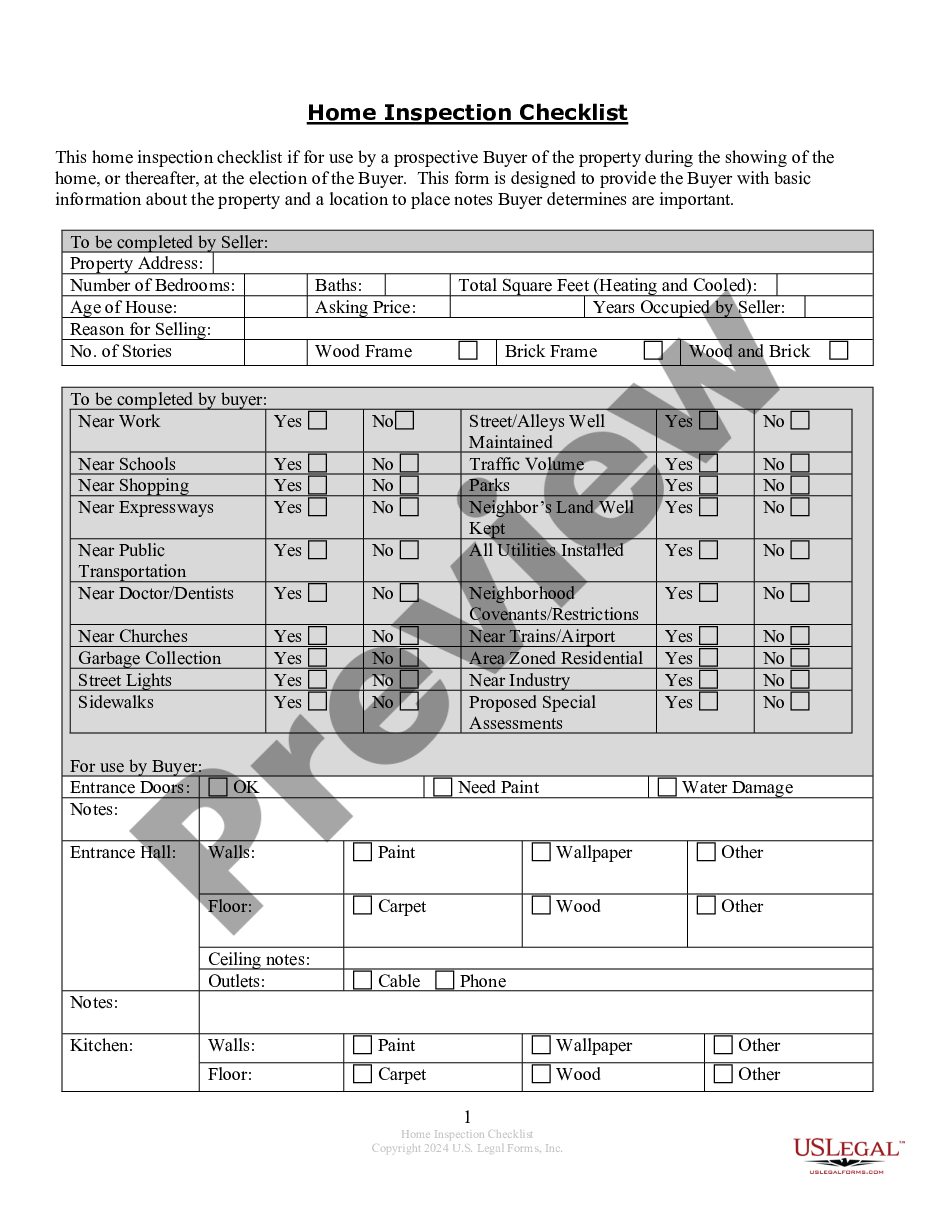


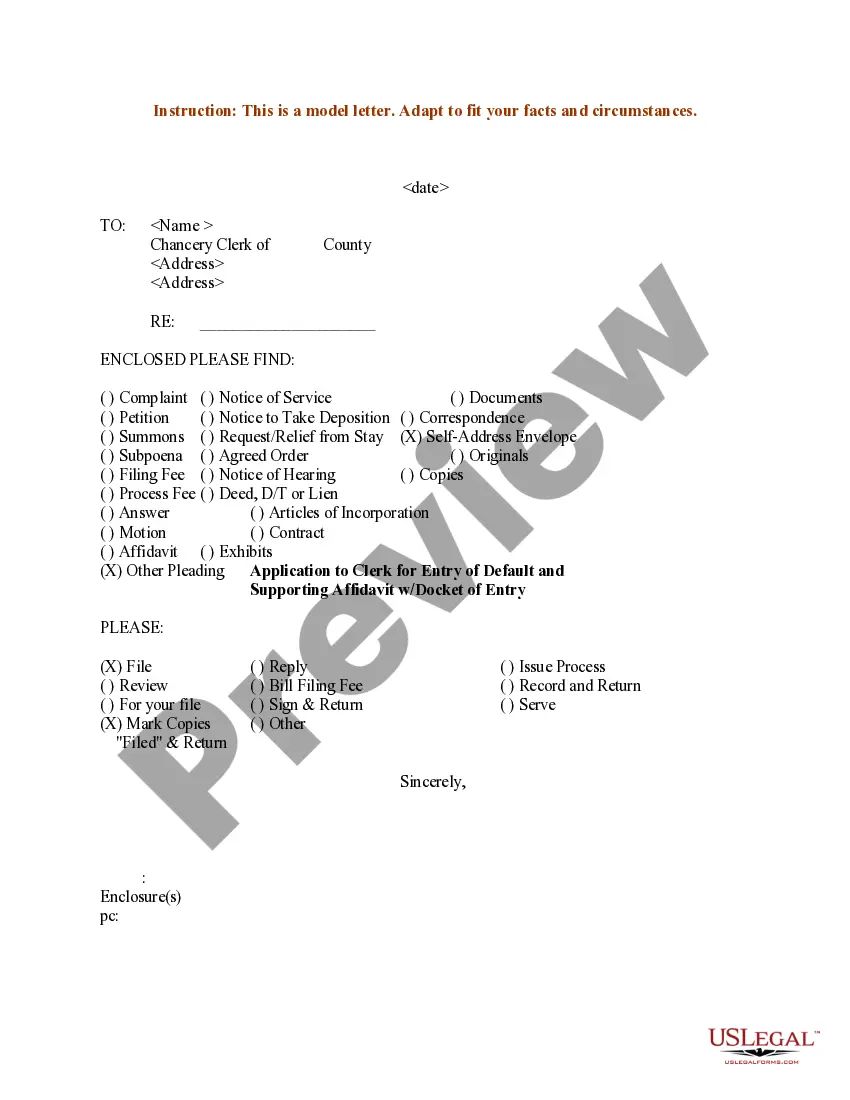



Form popularity
FAQ
An audit letter is a written request for information about a person or entity being audited, usually sent to an attorney, banker, or other relevant party. The letter asks for details about pending or threatened litigation that may affect the audit.
An IRS audit letter typically contains the taxpayer's name, tax ID number, contact information, and a request for additional documentation to support claims on the tax return. It may also include the name of the IRS officer handling the case and invite the taxpayer to a meeting.
∎ Your name, address, and a daytime telephone number. ∎ List of all disputed issues, tax periods or years involved, proposed changes, and reasons you disagree with each issue. ∎ Facts supporting your position on each disputed issue. ∎ Law or authority, if any, supporting your position on each disputed issue.
Mail audits are usually quick and straightforward The IRS does these audits by mail, generally notifying taxpayers within seven months of filing. Mail audits usually wrap up within three to six months, depending on the issues involved and how quickly and completely you respond to the audit letter.
Not reporting all of your income The IRS will typically receive a copy of all the tax forms that you do, including distributed income. The IRS will match the reported items to a person's return. If they see something missing, they will automatically conduct at least a letter audit.
Make a copy of the notice you received from the IRS and include it with your letter. In the first paragraph of your letter, explain why you are writing the IRS. Mention the date of their notice. For example, you can write, “I am writing to request an abatement of $4,512.33 as assessed in the notice sent 7/3/2017.”
Although every audit process is unique, the audit process is similar for most engagements and normally consists of four stages: Planning (sometimes called Survey or Preliminary Review), Fieldwork, Audit Report and Follow-up Review. Client involvement is critical at each stage of the audit process.
Write to explain why you disagree and include any documents and information you wish the IRS to consider, along with the bottom tear-off portion of the notice. Mail the information to the IRS address shown in the lower left part of the notice. Allow at least 30 days for a response.
Sample Letter to the IRS Dear Sir/Madam, I am writing to request a correction to my tax return. My social security number is 123-45-6789, and I filed my tax return for the 2020 tax year. I received a notice from the IRS stating that I owe additional taxes due to an error in my return.
