Carta Cliente Withdrawal In Florida
Description

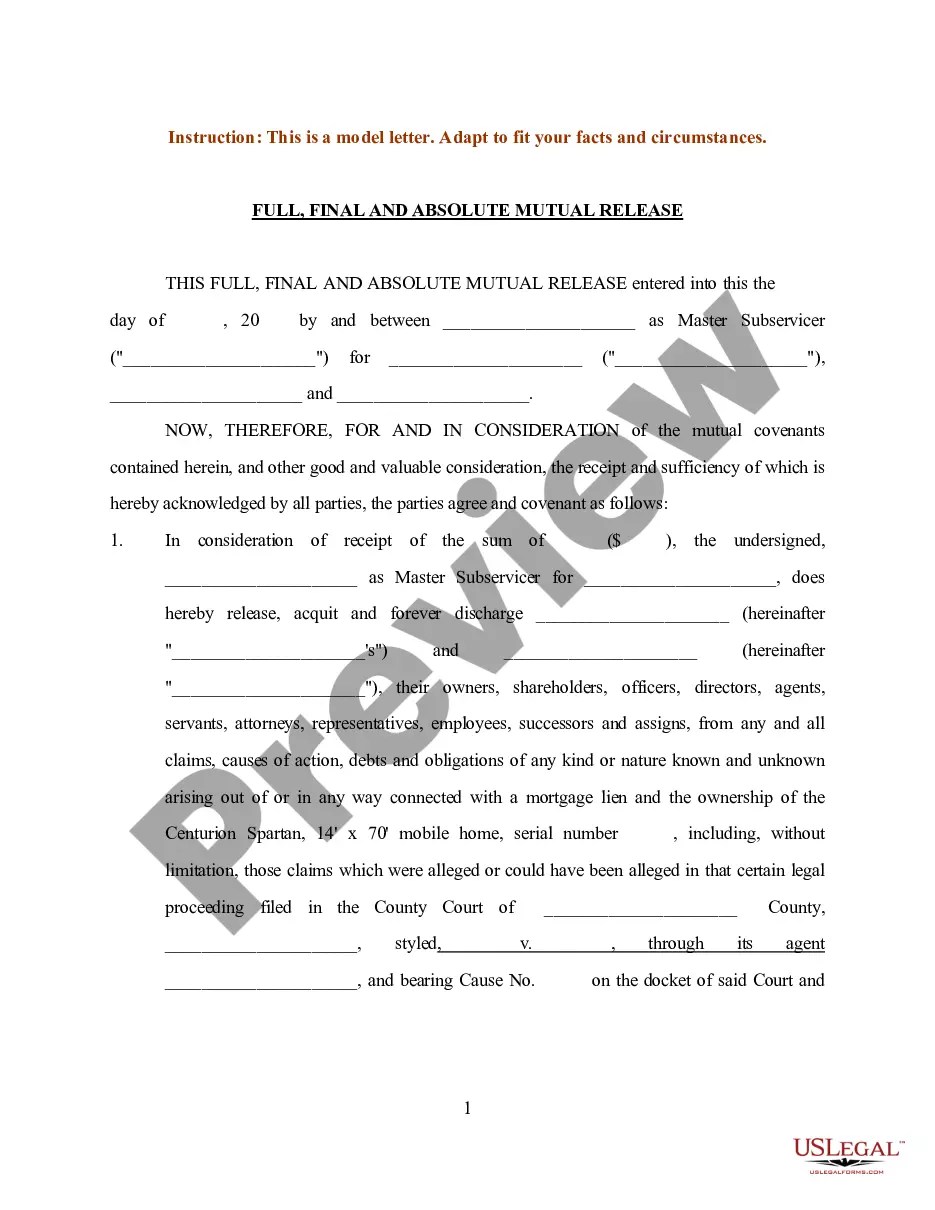
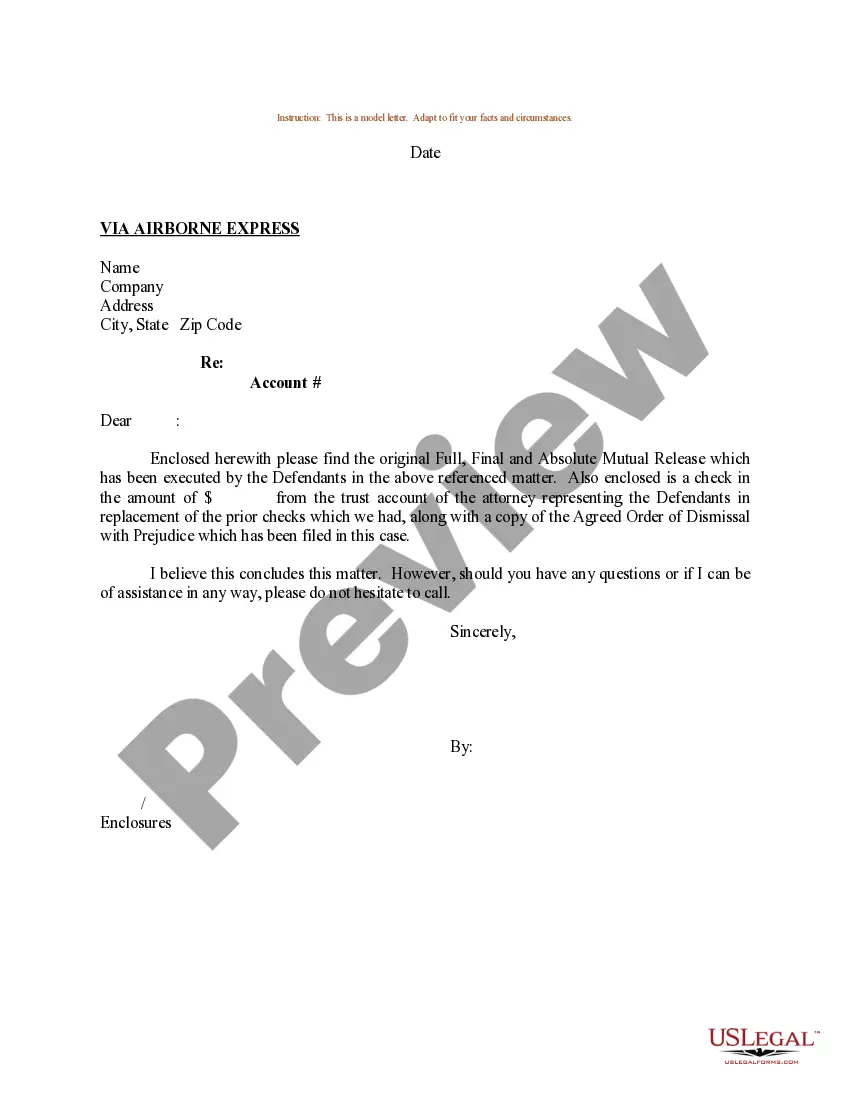
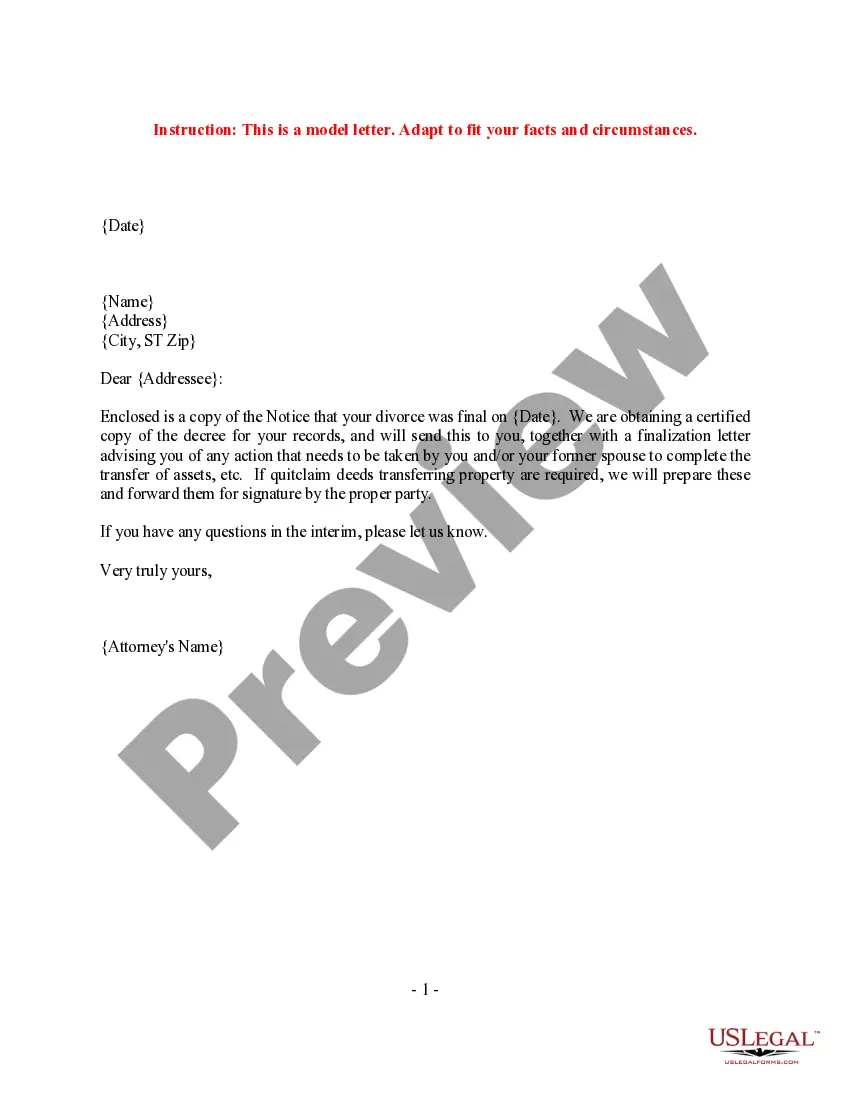
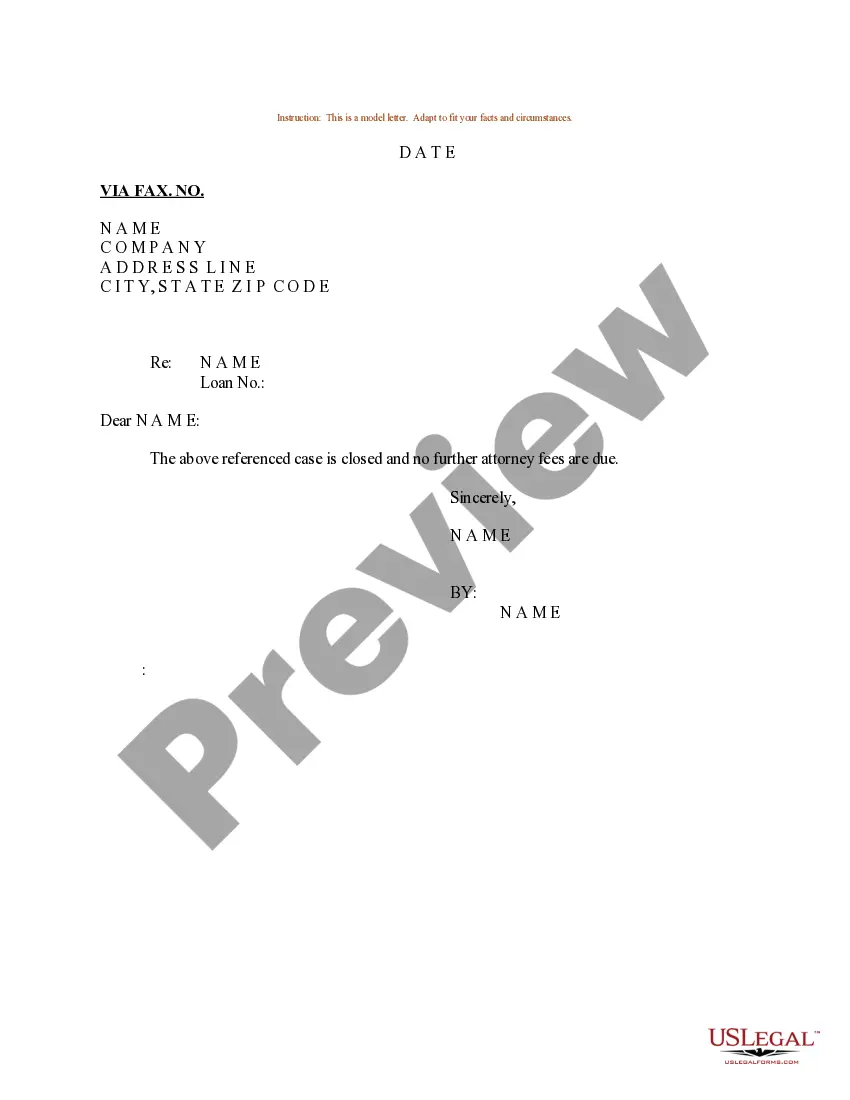
Get your form ready online
Our built-in tools help you complete, sign, share, and store your documents in one place.
Make edits, fill in missing information, and update formatting in US Legal Forms—just like you would in MS Word.
Download a copy, print it, send it by email, or mail it via USPS—whatever works best for your next step.
Sign and collect signatures with our SignNow integration. Send to multiple recipients, set reminders, and more. Go Premium to unlock E-Sign.
If this form requires notarization, complete it online through a secure video call—no need to meet a notary in person or wait for an appointment.
We protect your documents and personal data by following strict security and privacy standards.

Make edits, fill in missing information, and update formatting in US Legal Forms—just like you would in MS Word.

Download a copy, print it, send it by email, or mail it via USPS—whatever works best for your next step.

Sign and collect signatures with our SignNow integration. Send to multiple recipients, set reminders, and more. Go Premium to unlock E-Sign.

If this form requires notarization, complete it online through a secure video call—no need to meet a notary in person or wait for an appointment.

We protect your documents and personal data by following strict security and privacy standards.
Looking for another form?









Form popularity
FAQ
The Florida Supreme Court has held that, in a civil case, an attorney has the right to terminate the attorney-client relationship and to withdraw upon due notice to his client and approval by the court, which approval "should be rarely withheld and then only upon a determination that the withdrawal would interfere with ...
A lawyer may withdraw from representation in some circumstances. The lawyer has the option to withdraw if it can be accomplished without material adverse effect on the client's interests.
Except as stated in subdivision (c), a lawyer may withdraw from representing a client if: (1) withdrawal can be accomplished without material adverse effect on the interests of the client; (2) the client insists upon taking action that the lawyer considers repugnant, imprudent, or with which the lawyer has a ...
A: In California, a lawyer generally cannot simply stop working on a case because a client has an outstanding bill. However, there are some circumstances where a lawyer may be allowed to withdraw from representation.
Can lawyers refuse to defend someone? Yes, under certain circumstances, lawyers have the right to decline representation, including conflicts of interest, lack of expertise, or personal beliefs. However, they cannot deny representation based on whether the client is guilty or innocent.
If your attorney's withdrawal is granted, you will need to seek new legal representation immediately. If you are facing a criminal case, it is critical to have a lawyer by your side as soon as possible.
The attorney is not relieved of his or her duties to represent the client unless and until an order granting the withdrawal is signed by the judge and filed with the clerk of court. Clients are also allowed to terminate the attorney-client relationship. Clients can fire their attorneys at will.
You can always reject a prospective client for any reason, but you must let the client know why immediately. If a decision to deny a client was made during the consultation, you can give them a paper statement outlining your reasons for the denial before the client leaves the office.
If a lawyer withdraws it has little to no affect. If more than one lawyer withdraws it can be an issue. Why? Because there are times when people do not mesh and it is best to move on. If you have several lawyers who ``move on'' that denotes a problem with the client usually.
Except as stated in subdivision (c), a lawyer may withdraw from representing a client if: (1) withdrawal can be accomplished without material adverse effect on the interests of the client; (2) the client insists upon taking action that the lawyer considers repugnant, imprudent, or with which the lawyer has a ...

