Carta Cliente Withdrawn In California
Description

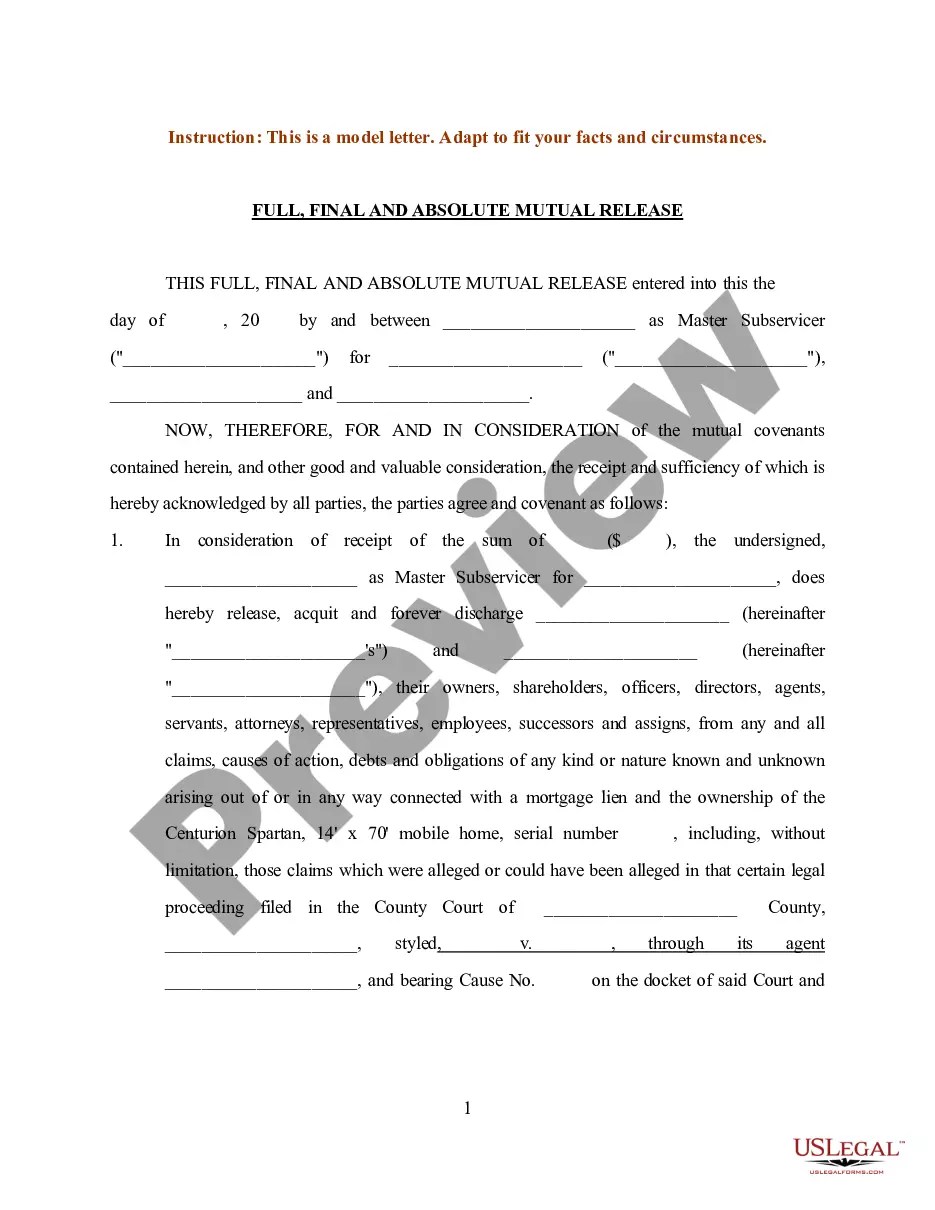
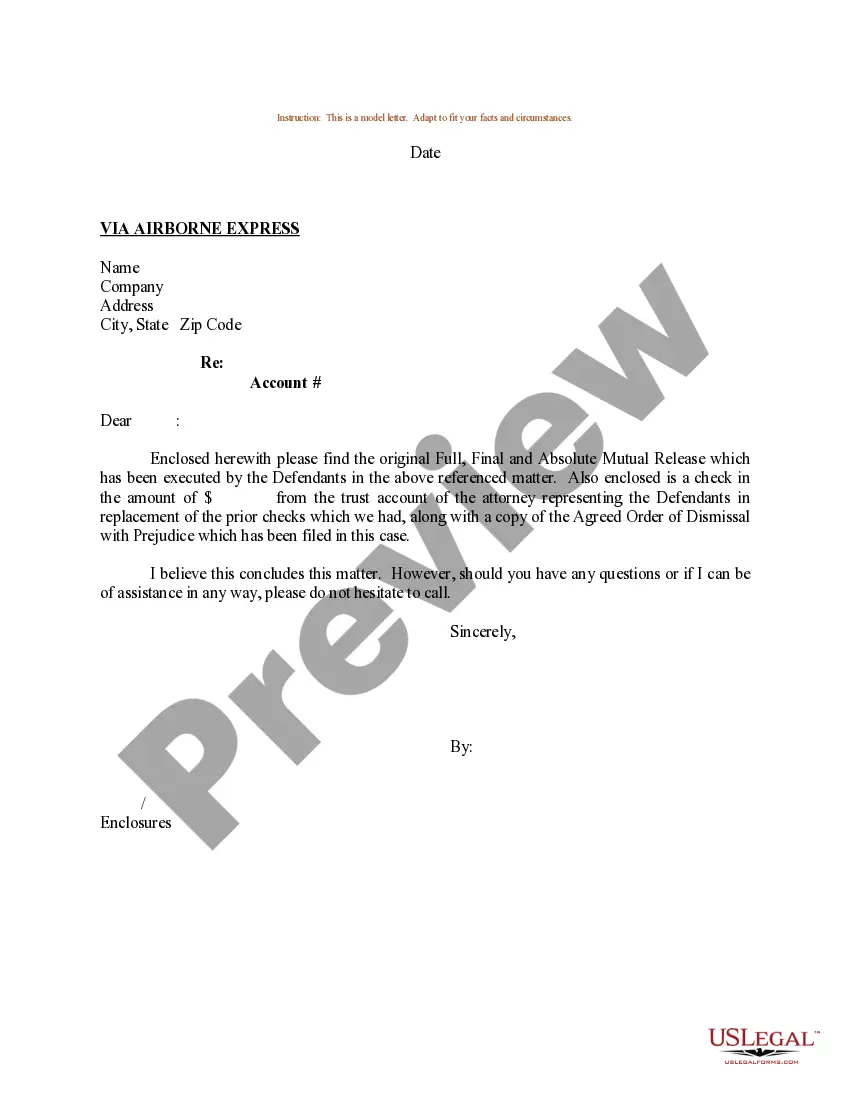
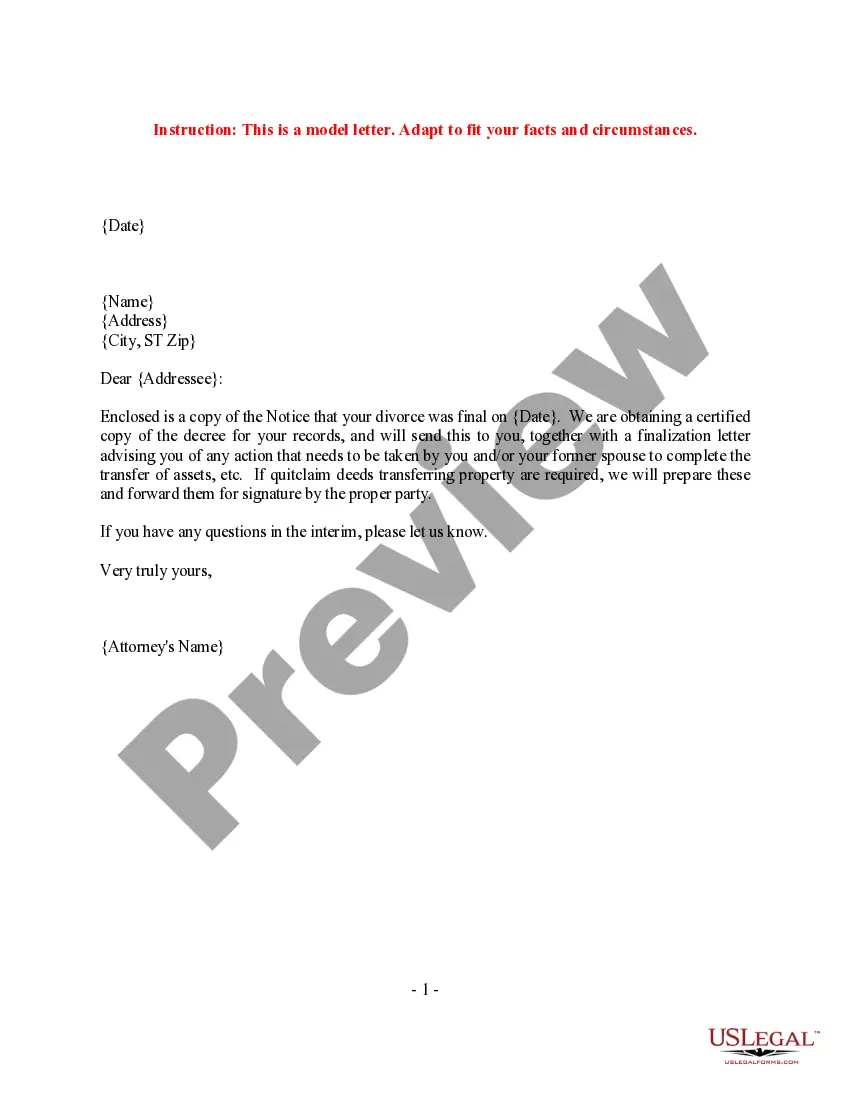
Get your form ready online
Our built-in tools help you complete, sign, share, and store your documents in one place.
Make edits, fill in missing information, and update formatting in US Legal Forms—just like you would in MS Word.
Download a copy, print it, send it by email, or mail it via USPS—whatever works best for your next step.
Sign and collect signatures with our SignNow integration. Send to multiple recipients, set reminders, and more. Go Premium to unlock E-Sign.
If this form requires notarization, complete it online through a secure video call—no need to meet a notary in person or wait for an appointment.
We protect your documents and personal data by following strict security and privacy standards.

Make edits, fill in missing information, and update formatting in US Legal Forms—just like you would in MS Word.

Download a copy, print it, send it by email, or mail it via USPS—whatever works best for your next step.

Sign and collect signatures with our SignNow integration. Send to multiple recipients, set reminders, and more. Go Premium to unlock E-Sign.

If this form requires notarization, complete it online through a secure video call—no need to meet a notary in person or wait for an appointment.

We protect your documents and personal data by following strict security and privacy standards.
Looking for another form?









Form popularity
FAQ
How Long Does Attorney-Client Privilege Last in California? In California, privileged information between attorneys and their clients remains confidential after the case ends. An attorney may never share protected information without a client's consent. Even if a client dies, this information may not be disclosed.
A: In California, a lawyer generally cannot simply stop working on a case because a client has an outstanding bill. However, there are some circumstances where a lawyer may be allowed to withdraw from representation.
The Rules of Professional Conduct of the State Bar of California (“Rules of Conduct”) specify three circumstances under which an attorney must terminate a client relationship: (1) where the attorney knows or reasonably should know that a client is bringing an action, conducting a defense, asserting a position in ...
A waiver can occur from a variety of conduct that fails to maintain the confidentiality of the communication. Either voluntary or inadvertent disclosure to outside or non-covered recipients, professional advisors outside the privilege, and experts and consultants, can result in waiver as a matter of law.
Attorney-client privilege protection lasts forever, but determining work product doctrine protection's duration presents a more subtle analysis. Most courts protect work product if it is sought in later litigation related in some way to the litigation for which it was created.
In such circumstances, the attorney(s) seeking to withdraw should complete and file this "Request for Approval of Substitution or Withdrawal of Counsel" (Form G-01), and submit a proposed "Order on Request for Approval of Substitution or Withdrawal of Counsel" (Form G-01 Order).
The privilege extends only to communications that the client intends to be confidential. Communications made in non-private settings, or in the presence of third persons unnecessary to accomplish the purpose for which the attorney was consulted, are not confidential and therefore are not protected by the privilege.
If a client is represented by a lawyer for an upcoming court case, and if they tell their lawyer that they plan to commit a future crime, the lawyer may breach client-attorney privilege if they reasonably believe it can result in bodily harm to their client or another individual.
A conflict of interest could arise if an attorney has previously represented an opposing party or if the new case could somehow compromise their duties to an existing client. To maintain ethical standards and protect the interests of all clients, an attorney may decline to take on a case where a conflict exists.
In general, if your attorney has withdrawn, you would need to hire a new attorney or you would have to continue pro se.

