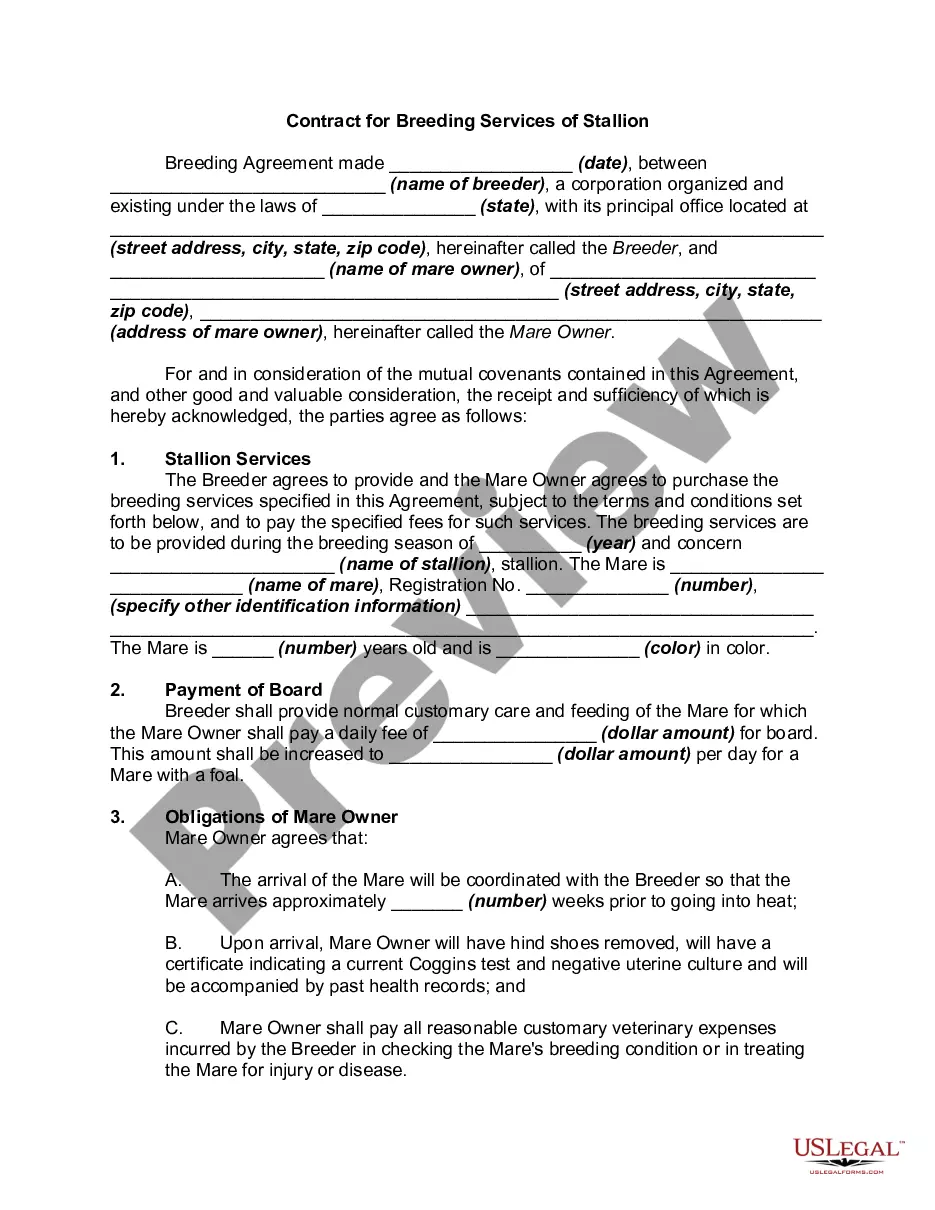
Breeding Contract For Dogs Template In Chicago
Description
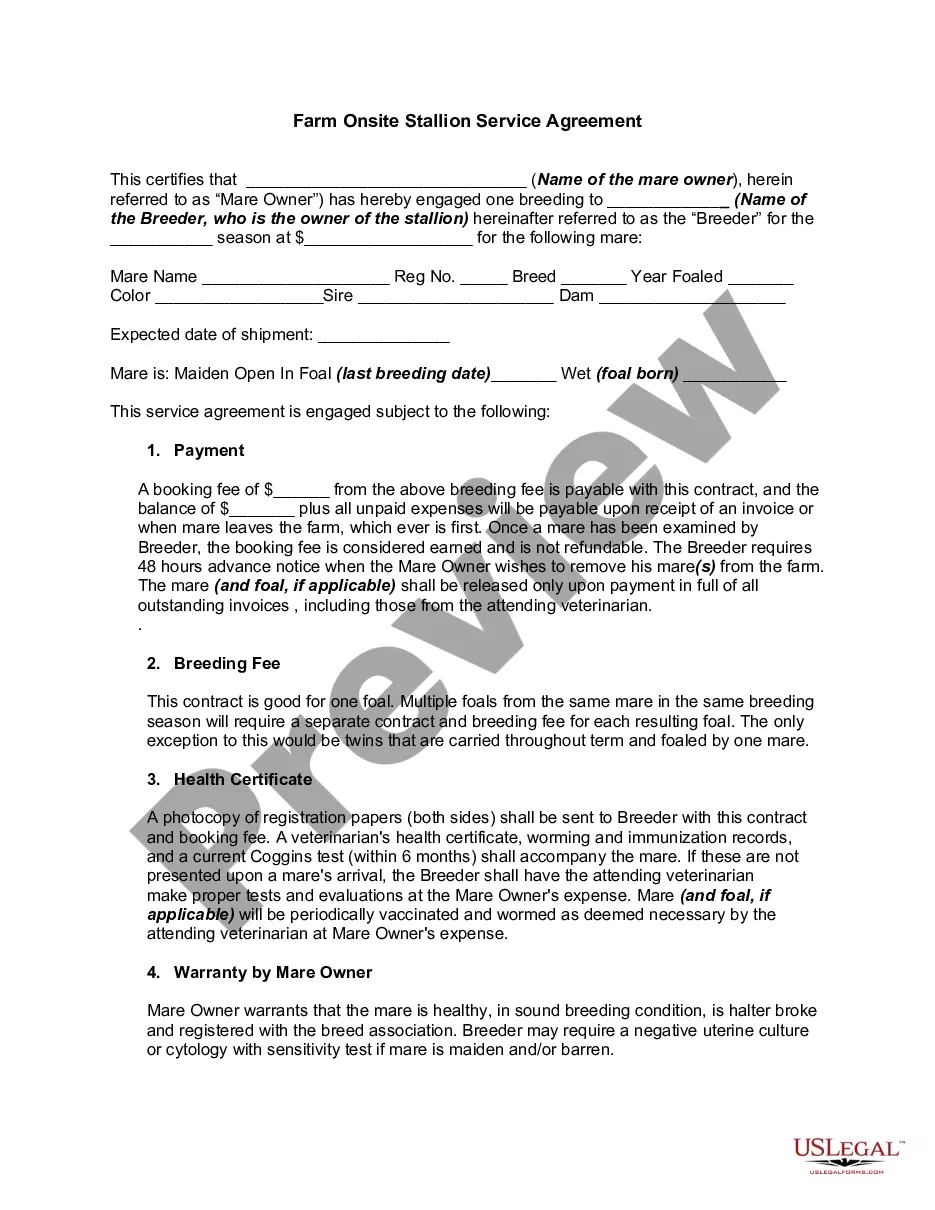
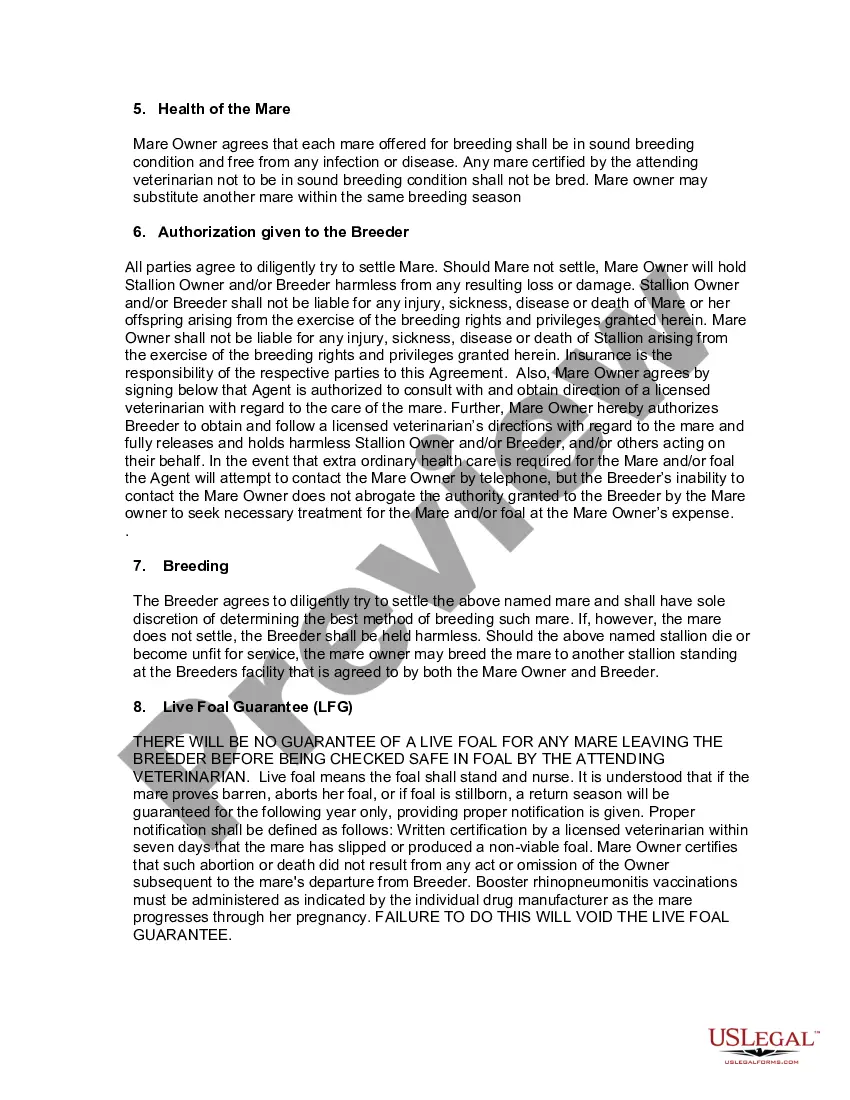
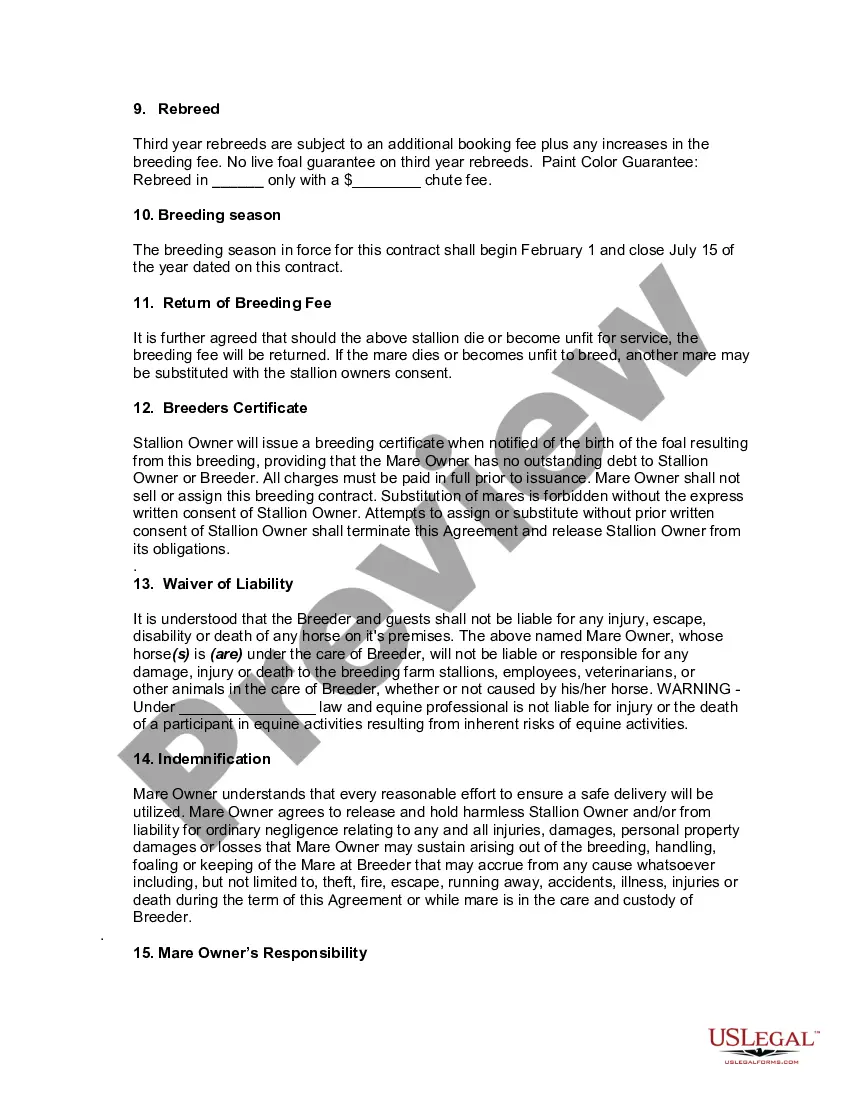
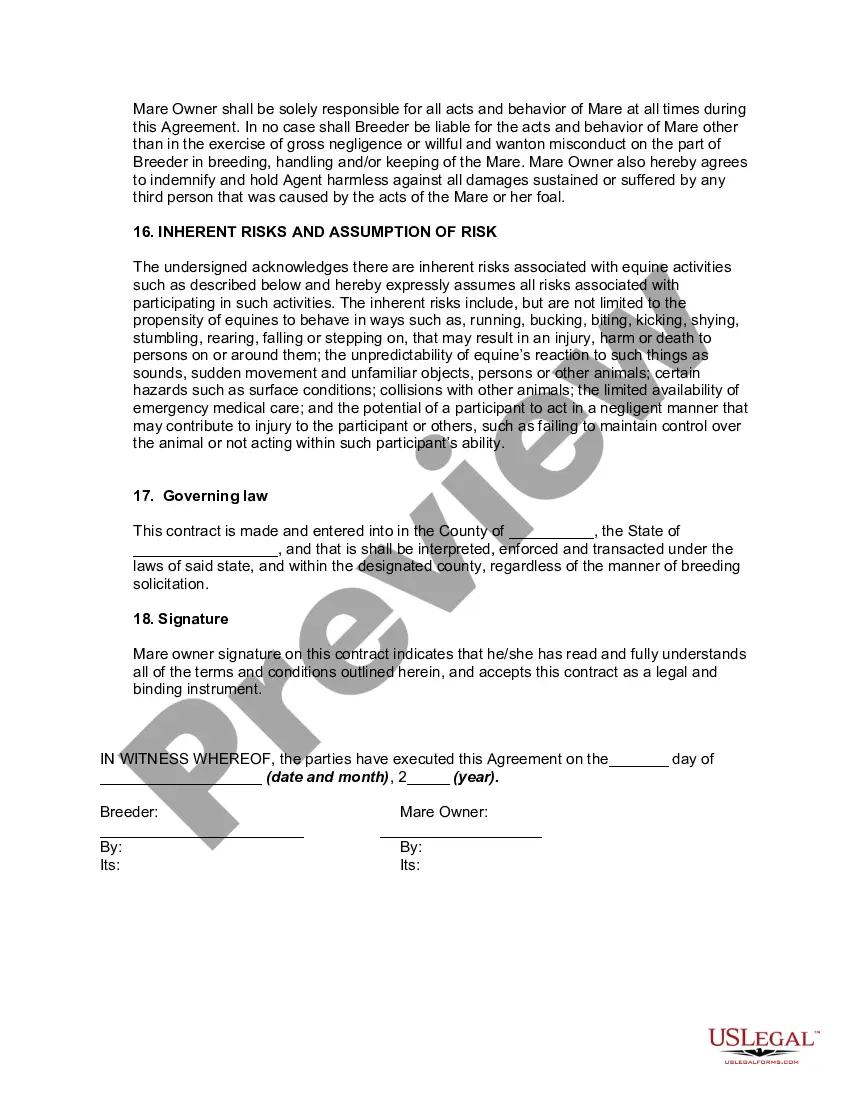
Get your form ready online
Our built-in tools help you complete, sign, share, and store your documents in one place.
Make edits, fill in missing information, and update formatting in US Legal Forms—just like you would in MS Word.
Download a copy, print it, send it by email, or mail it via USPS—whatever works best for your next step.
Sign and collect signatures with our SignNow integration. Send to multiple recipients, set reminders, and more. Go Premium to unlock E-Sign.
If this form requires notarization, complete it online through a secure video call—no need to meet a notary in person or wait for an appointment.
We protect your documents and personal data by following strict security and privacy standards.

Make edits, fill in missing information, and update formatting in US Legal Forms—just like you would in MS Word.

Download a copy, print it, send it by email, or mail it via USPS—whatever works best for your next step.

Sign and collect signatures with our SignNow integration. Send to multiple recipients, set reminders, and more. Go Premium to unlock E-Sign.

If this form requires notarization, complete it online through a secure video call—no need to meet a notary in person or wait for an appointment.

We protect your documents and personal data by following strict security and privacy standards.
Looking for another form?








Form popularity
FAQ
Breeding a dog without proper breeding rights may result in legal consequences, including fines or legal action from the dog's rightful owner or the relevant breeding organization.
The owner must submit the original pedigree and breed registry in order for the dog to be registered as a breeder. The owner must take the dog for regular veterinary checkups. The owner must be listed in the pedigree.
Dog breeders who breed puppies to be sold as pets must be USDA-licensed if they have more than four breeding females and sell puppies wholesale, or sight unseen, to pet stores, brokers and/or online.
If your dog has no papers you cannot get legitimate registration papers for it unless the original breeder does a litter registration and then gives you puppy papers for your dog. As for tags you apply for those usually at a city clerk's office or the animal control office in your city or town. Hope this helps you!
The Breeder represents, warrants, and agrees as follows: The dog is healthy, well-tempered, and ready for breeding. The Breeder will provide a (Enter number) generation pedigree of the dog, a negative Brucellosis test within (Enter number) breeding days, health records, vaccination details, and health clearances.
How to become a dog breeder Create a business plan. Research your chosen breed. Connect with established breeders. Establish a space to use as a kennel. Register your kennel. Establish a relationship with a veterinarian. Acquire dogs from ethical breeders. Meet with veterinarians regularly.
Obtaining breeding rights for an AKC registered dog typically involves meeting certain criteria set by the breeder or kennel. This may include proving your commitment to responsible breeding, demonstrating knowledge of the breed, and adhering to ethical breeding practices.
Dog breeders who breed puppies to be sold as pets must be USDA-licensed if they have more than four breeding females and sell puppies wholesale, or sight unseen, to pet stores, brokers and/or online.
By starting an LLC for your dog breeding business, you can: Protect your savings, car, and house with limited liability protection. Have more tax benefits and options. Increase your business's credibility.
