Leased Employee Agreement With Canada In Washington
Description

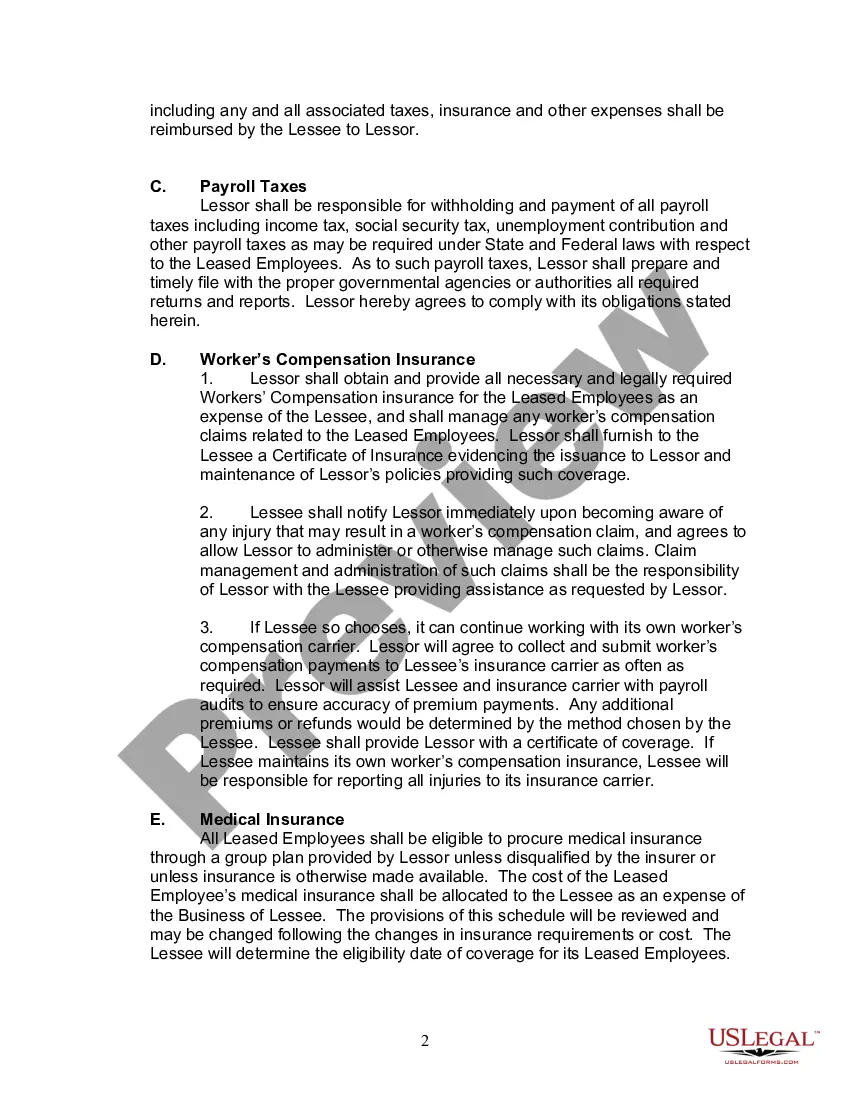
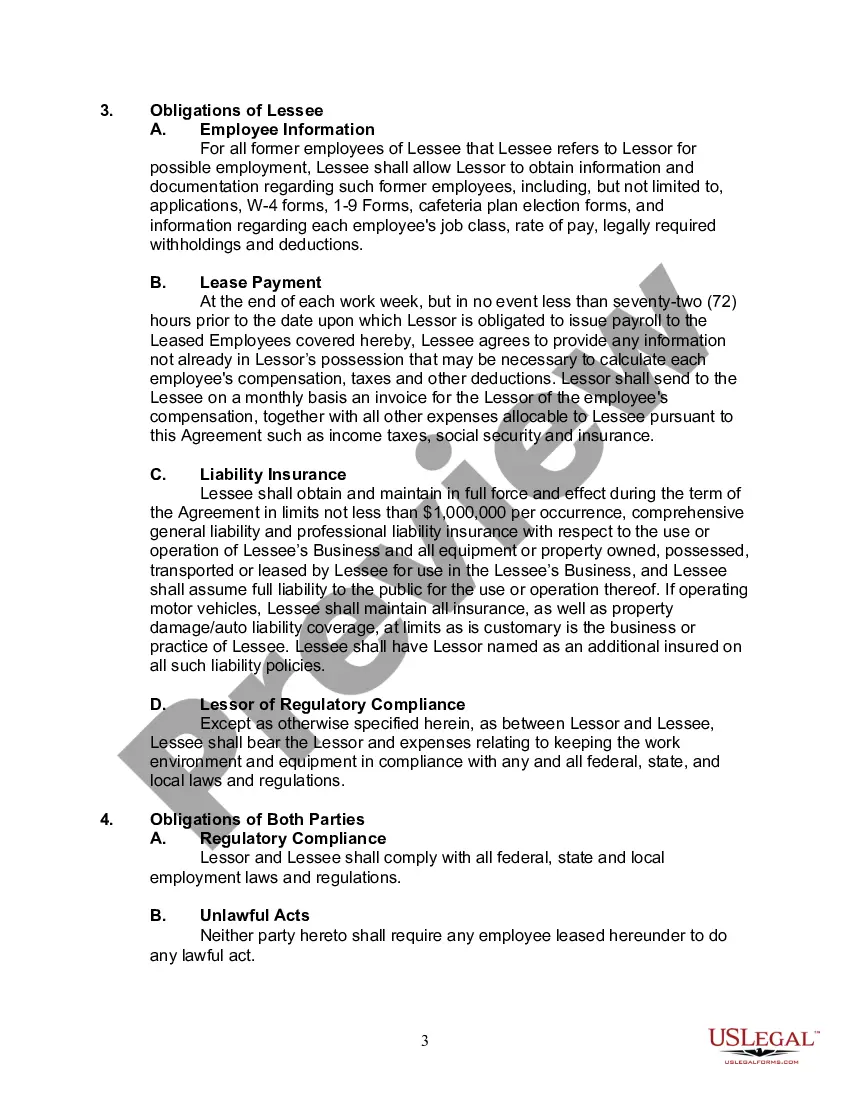
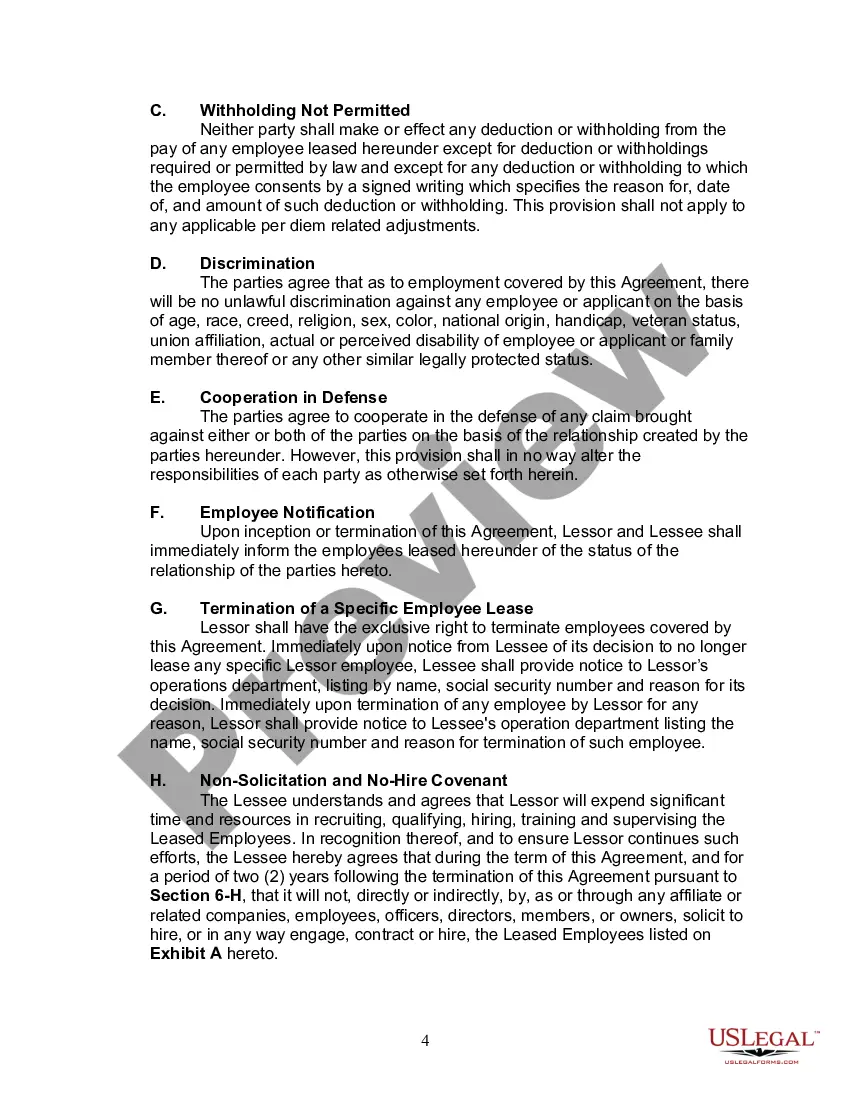
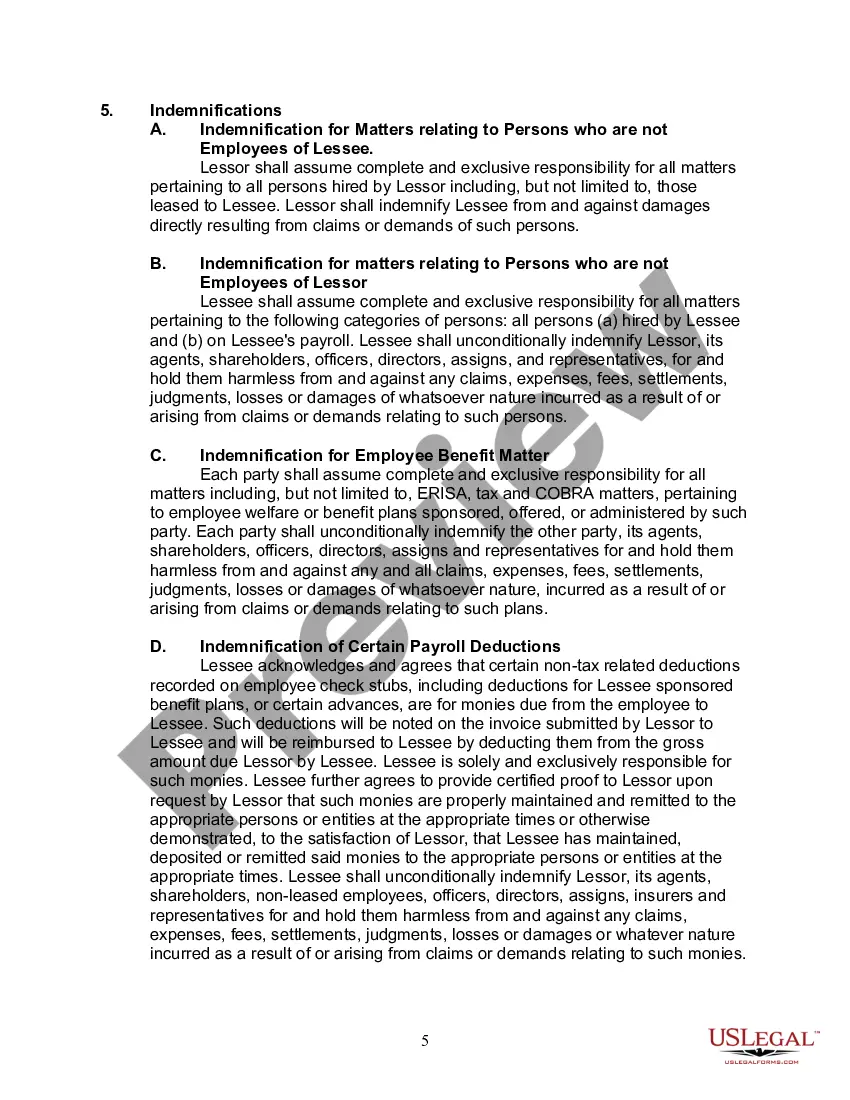
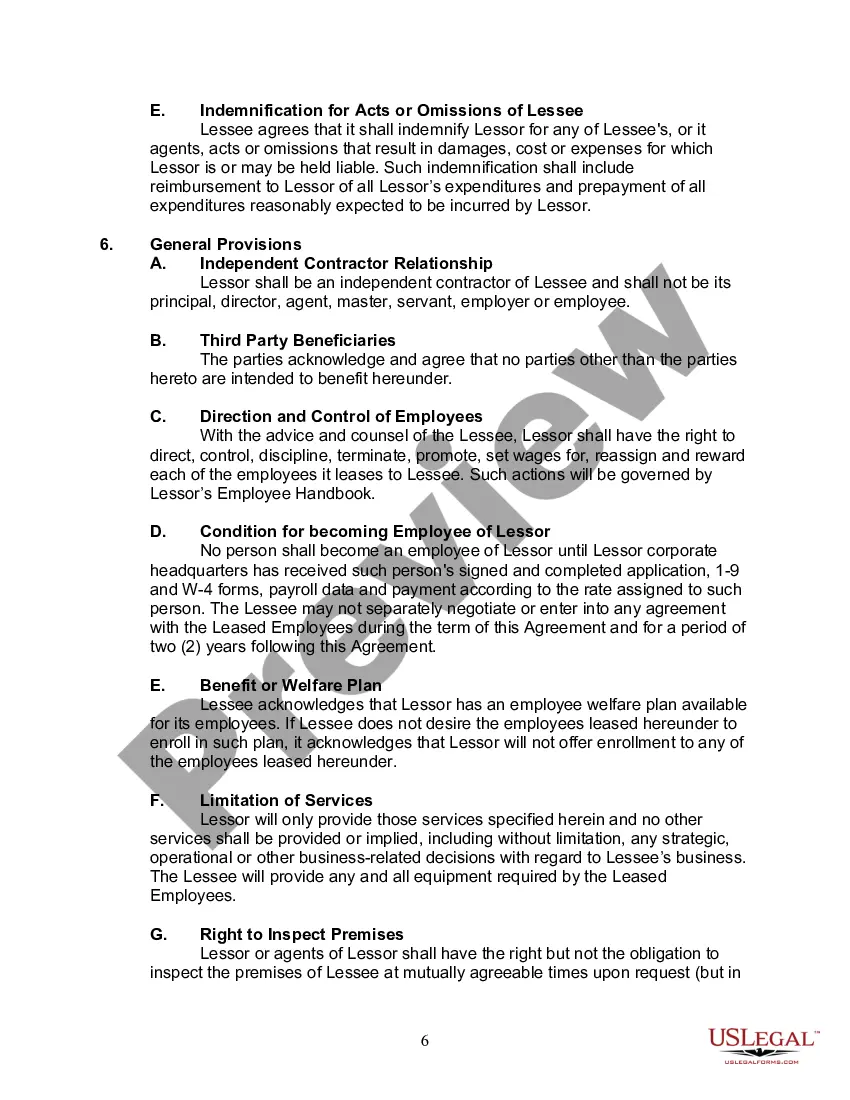
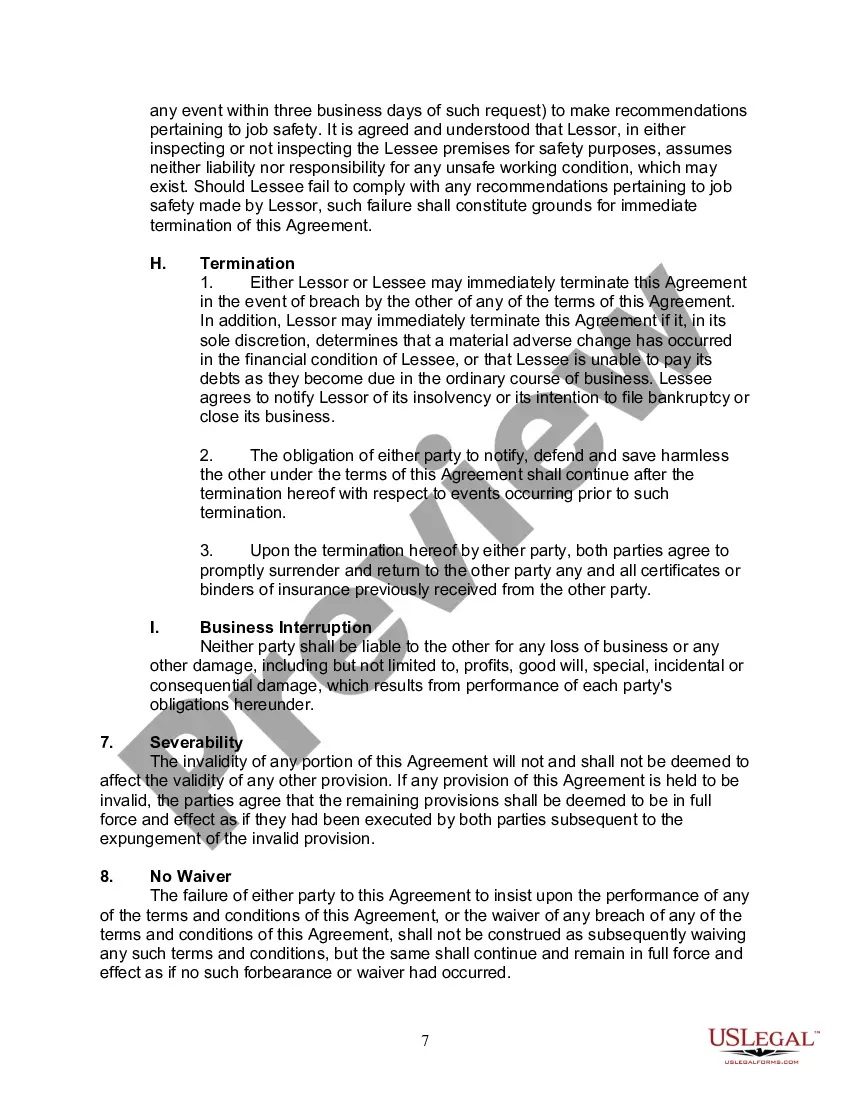
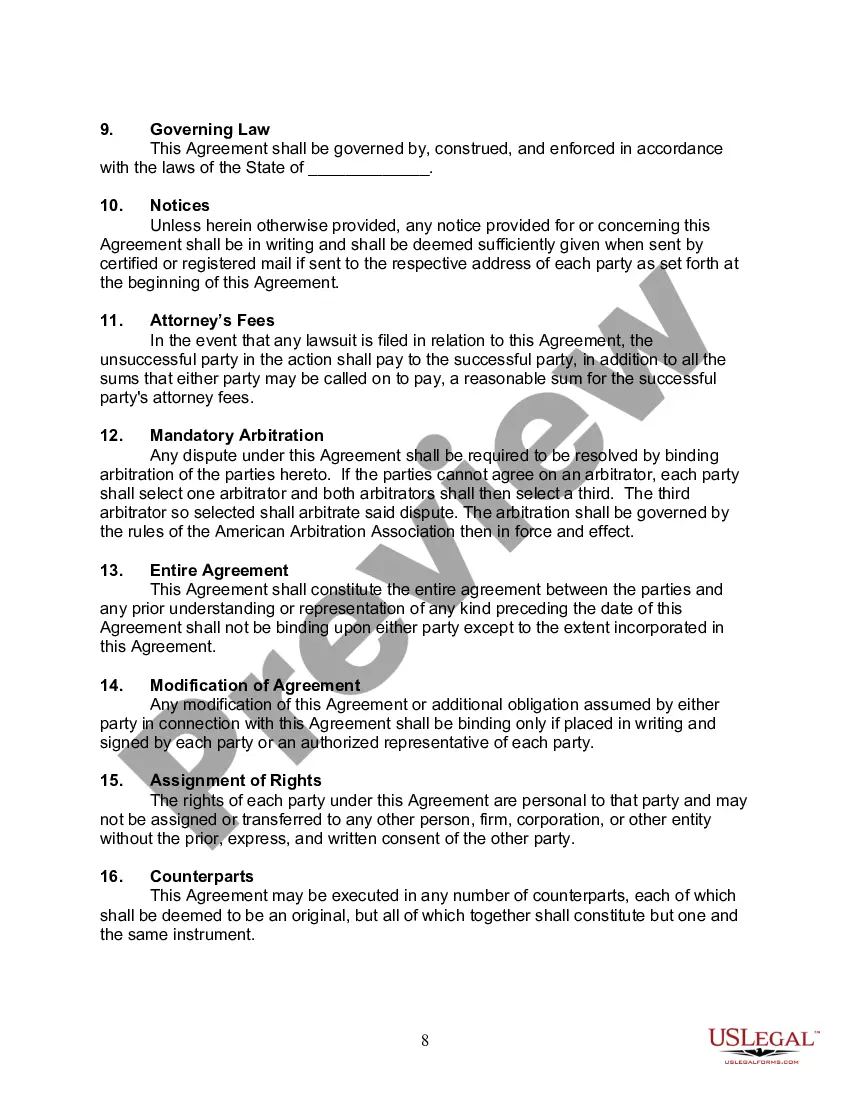
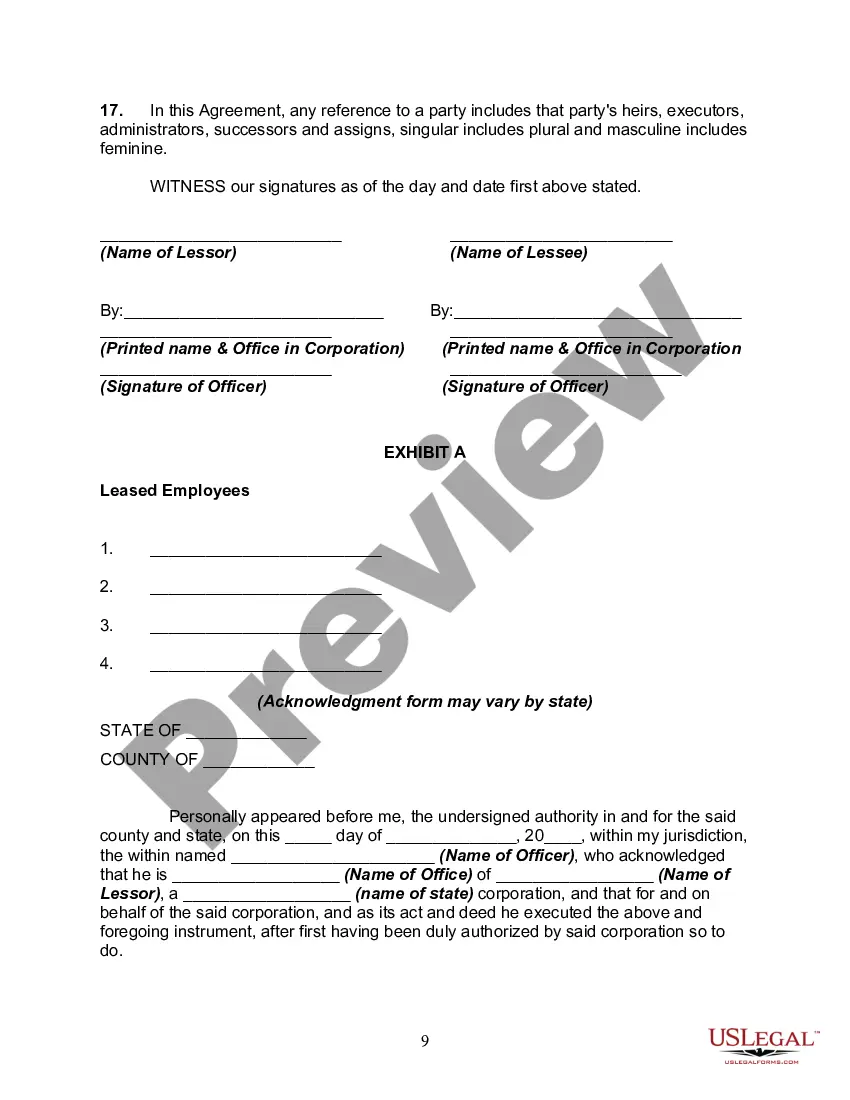
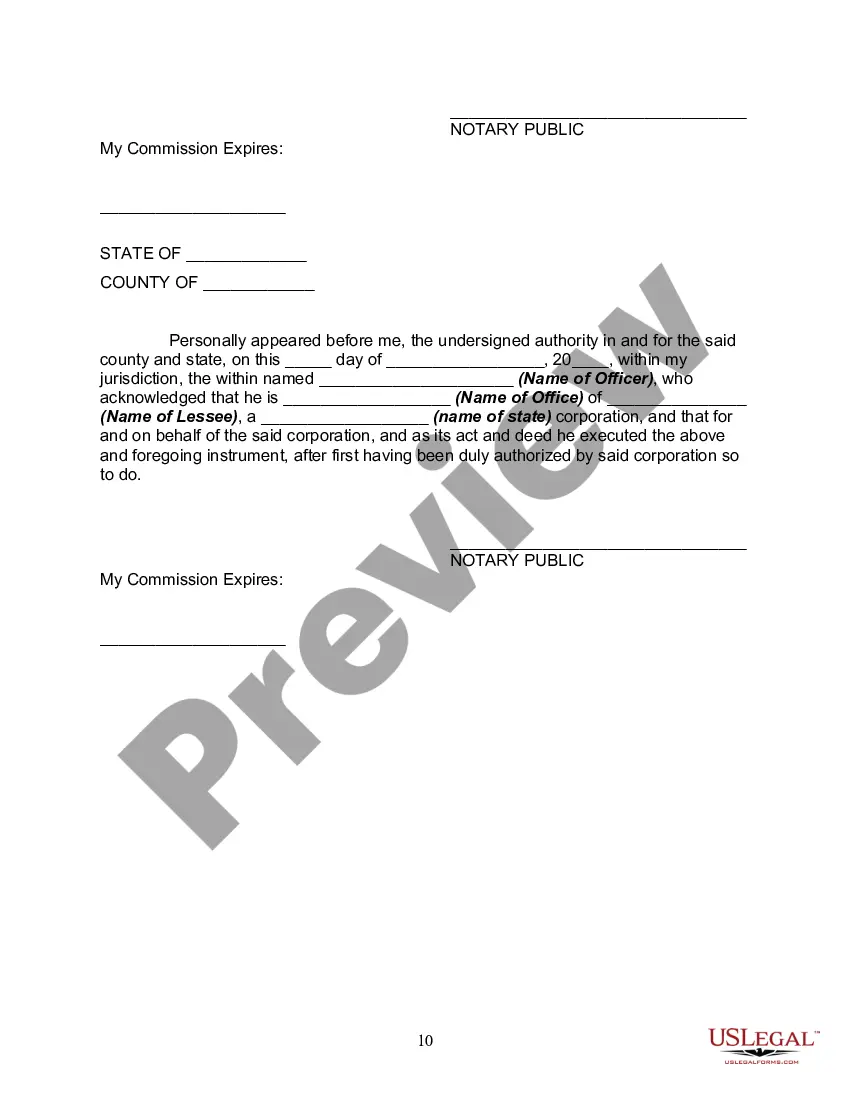
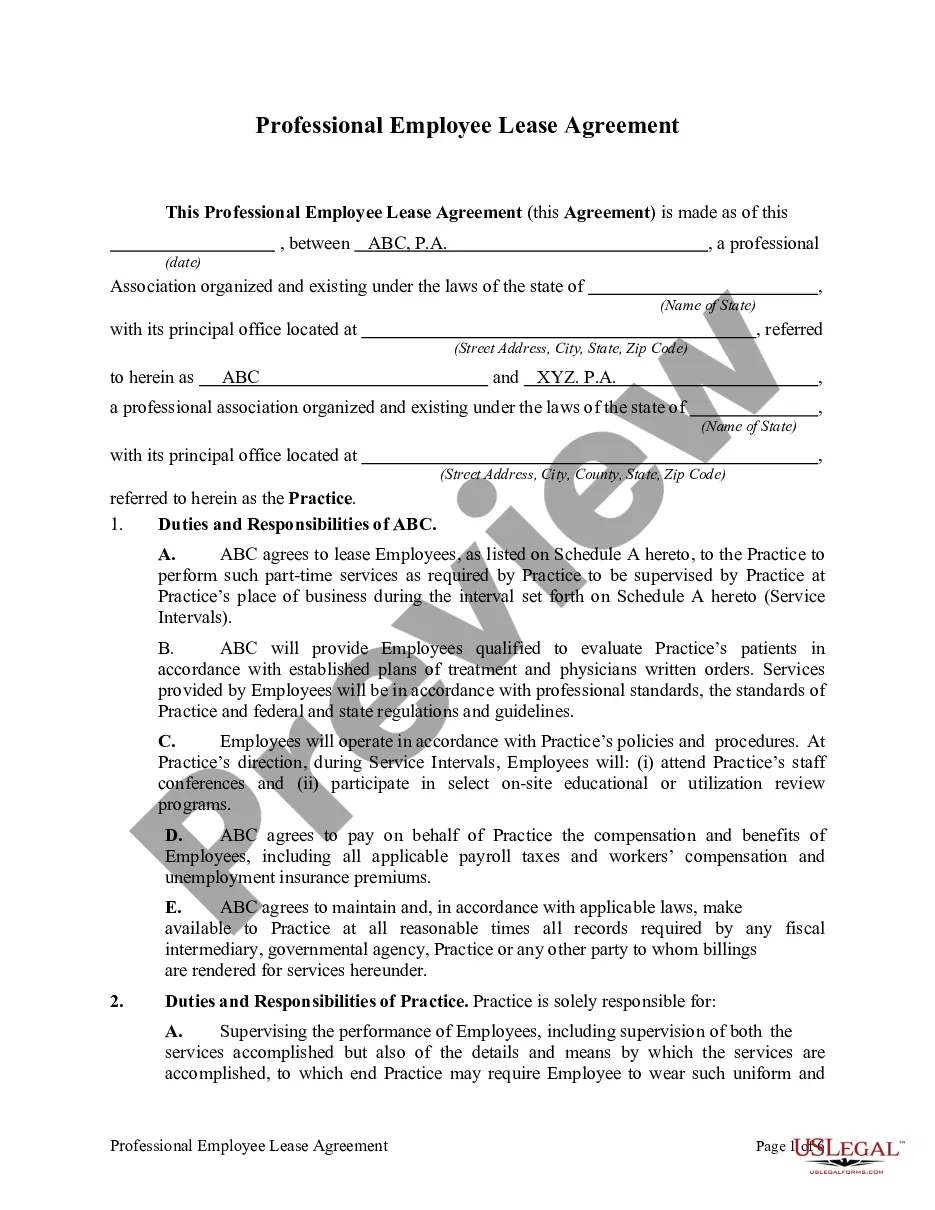
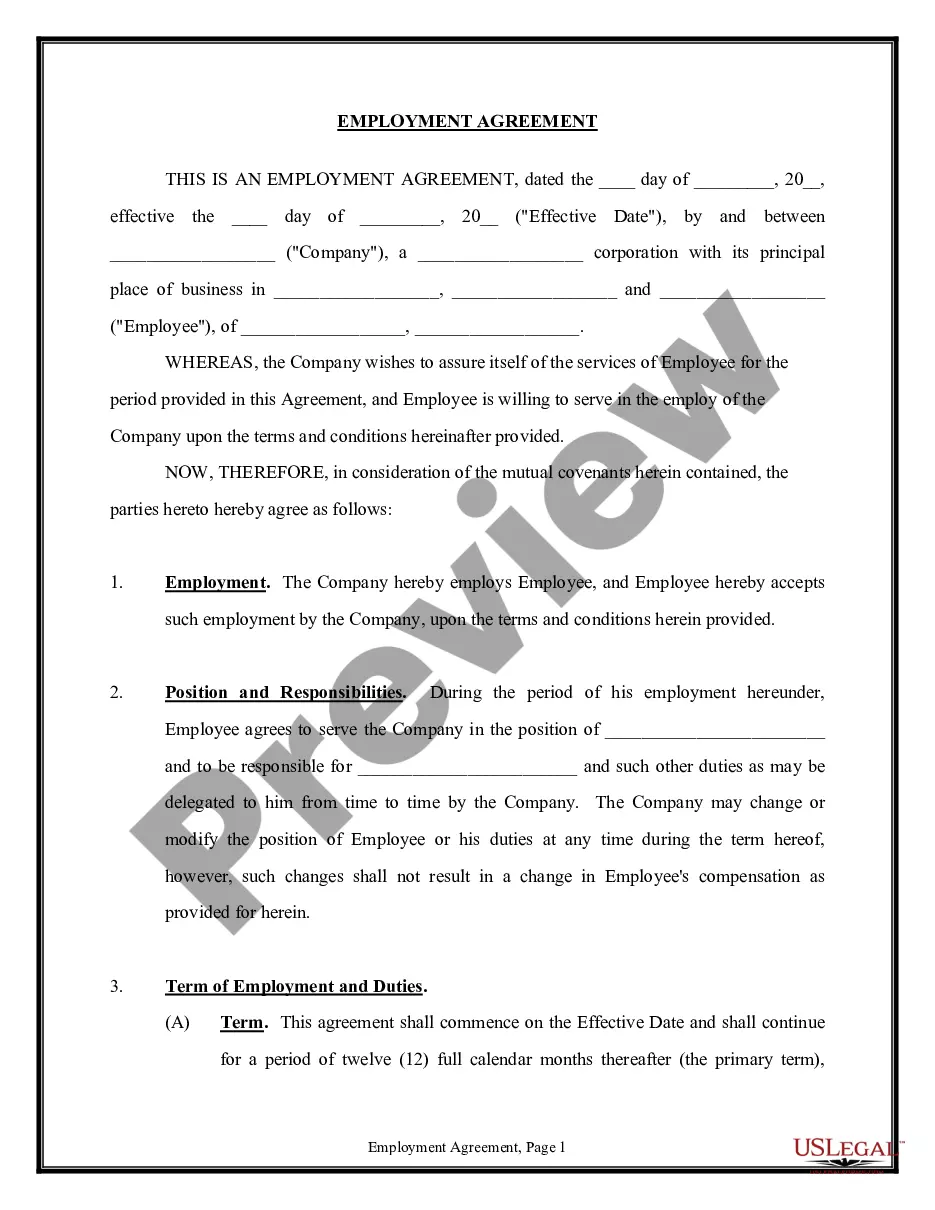
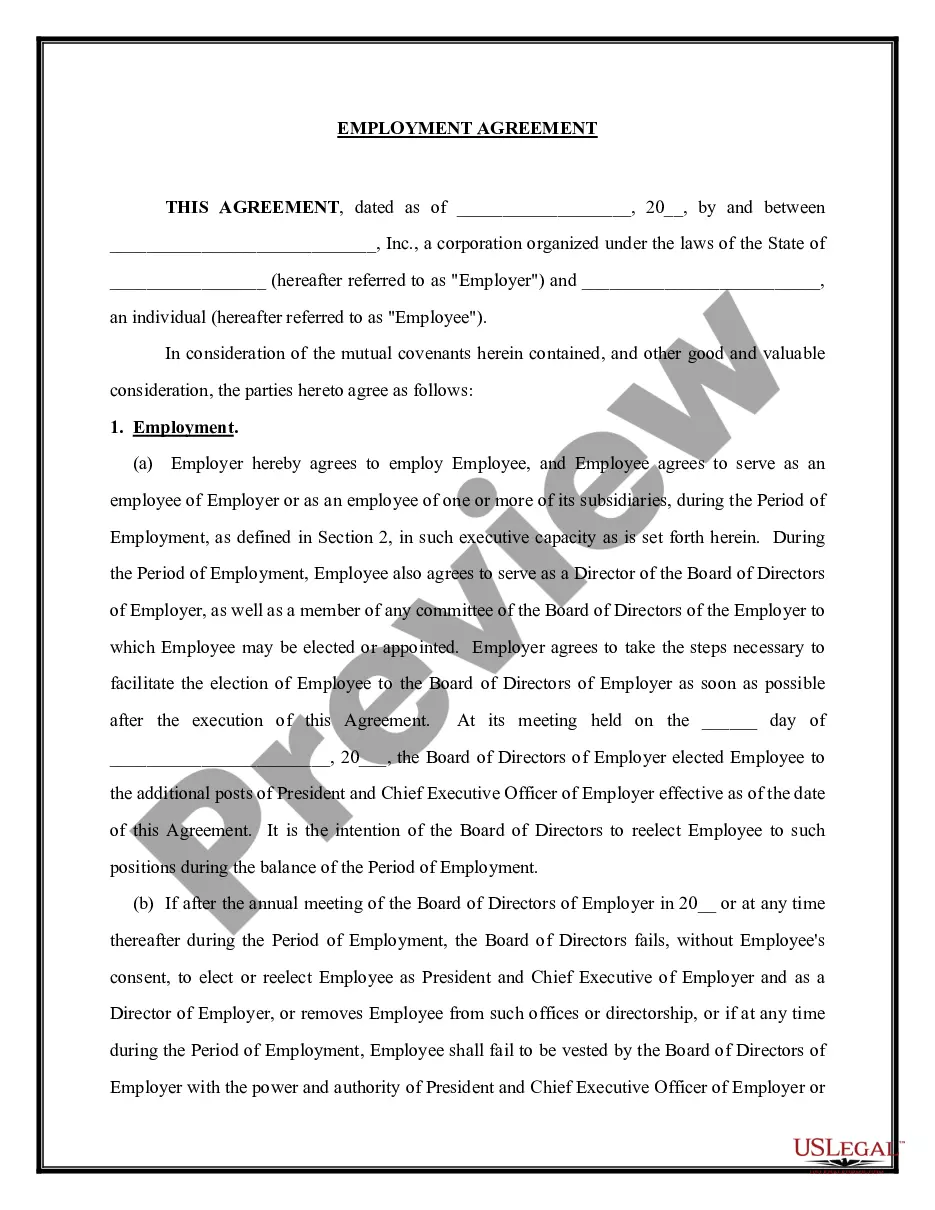
Get your form ready online
Our built-in tools help you complete, sign, share, and store your documents in one place.
Make edits, fill in missing information, and update formatting in US Legal Forms—just like you would in MS Word.
Download a copy, print it, send it by email, or mail it via USPS—whatever works best for your next step.
Sign and collect signatures with our SignNow integration. Send to multiple recipients, set reminders, and more. Go Premium to unlock E-Sign.
If this form requires notarization, complete it online through a secure video call—no need to meet a notary in person or wait for an appointment.
We protect your documents and personal data by following strict security and privacy standards.

Make edits, fill in missing information, and update formatting in US Legal Forms—just like you would in MS Word.

Download a copy, print it, send it by email, or mail it via USPS—whatever works best for your next step.

Sign and collect signatures with our SignNow integration. Send to multiple recipients, set reminders, and more. Go Premium to unlock E-Sign.

If this form requires notarization, complete it online through a secure video call—no need to meet a notary in person or wait for an appointment.

We protect your documents and personal data by following strict security and privacy standards.
Looking for another form?






Form popularity
FAQ
Staffing companies lease employees to other businesses and remain the sole employer for those workers. PEOs, on the other hand, don't supply a workforce, but assume certain responsibilities that make them co-employers with their partner organizations.
Understand legal requirements when you hire out-of-state If you're hiring employees in a different state, your job posts must be compliant with federal, state, and local legislation. Reevaluate your hiring process to ensure you're compliant with: Nondiscrimination or Equal Employment Opportunity (EEO) Regulations.
Three Types of PEO Co-employers. The idea of giving complete power in the hands of an HR outsource company might not settle with everyone. Professional Employer Organization. This type of PEO providing HR services does not become the employer of record. Staffing Companies.
The key difference between employee leasing and co-employment is staffing. An employee leasing agency will provide you with temporary workers, but a PEO doesn't. In a co-employment arrangement, you supply and manage your own workforce, while the PEO helps you handle HR administration.
A reciprocal agreement is a contract between the department of labor and industries acting on behalf of the state of Washington and another state. The primary purpose of the agreement is to identify which state will be responsible for paying benefits if one of your em- ployees is injured.
Employee leasing and working with a PEO are not the same thing. PEOs operate under a co-employment model, which is different from the typical employee leasing arrangements. During a co-employment arrangement, the PEO is listed as a co-employer.
Summary Definition: Temporary workers assigned to a client by a leasing company for a specific project or timeframe.
The definition and the status of a temporary or leased employee can be described simply as employees who do not have the status of common law employees, which are employees who have access to all of the benefits and job security that an employer may provide. This simplified explanation does require elaboration.
Leased employees are considered to be employees of the recipient organization for purposes of the requirements set forth in section 414(n)(3)(A) and (B), even though they are common law employees of the leasing organization, unless (i) they are covered by a safe harbor plan of the leasing organization, and (ii) leased ...
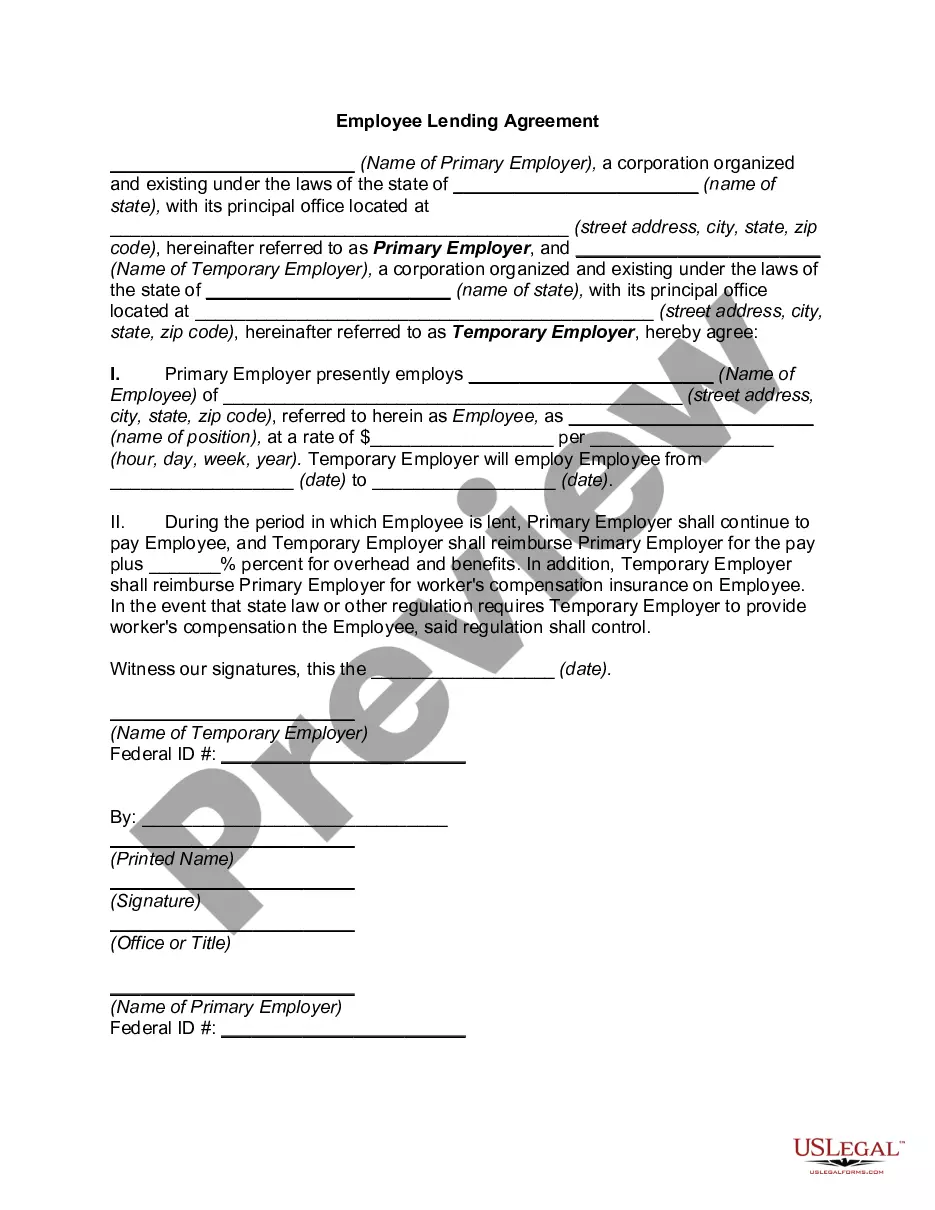
Employee leasing is anytime you enter into a contract with a staffing or employee leasing agency to lend you an employee to perform work for your company. Work responsibilities are typical to those of a regular employee at your business, such as customer service, executive assistant, marketing, and so on.
