Lease Employee Agreement With Cosigner In Wake
Description

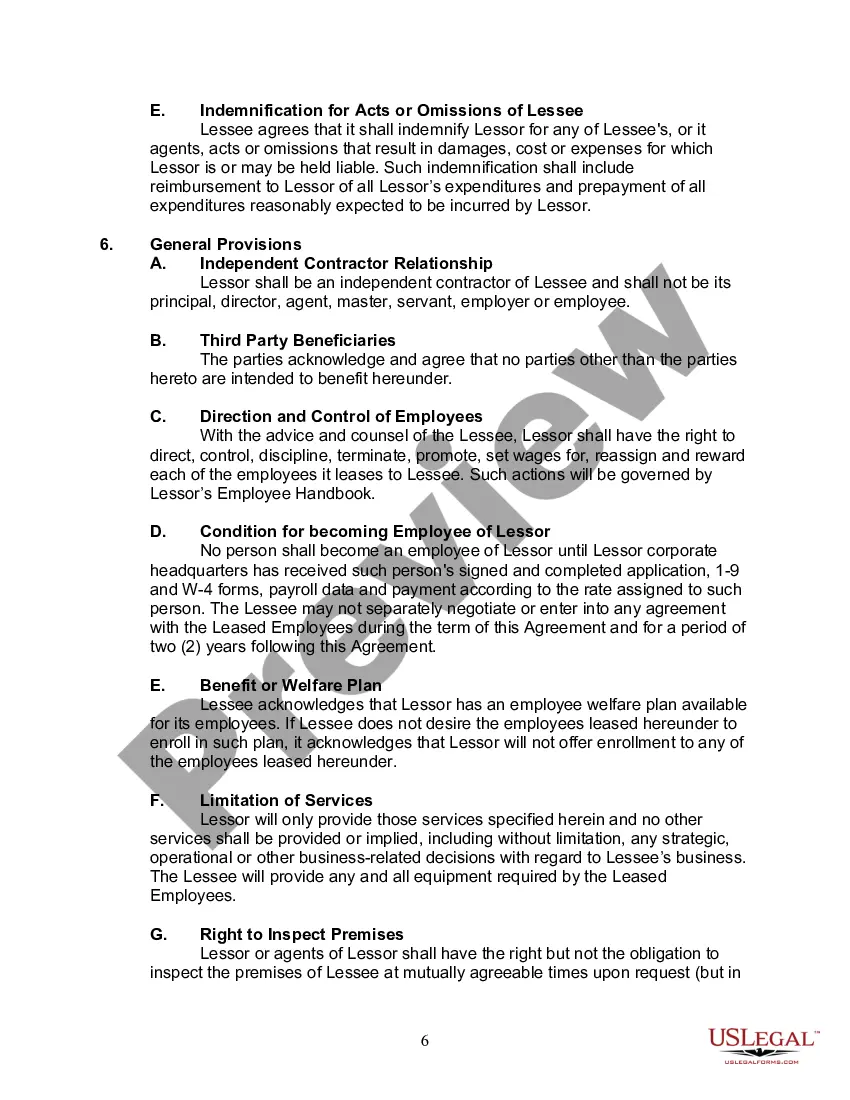
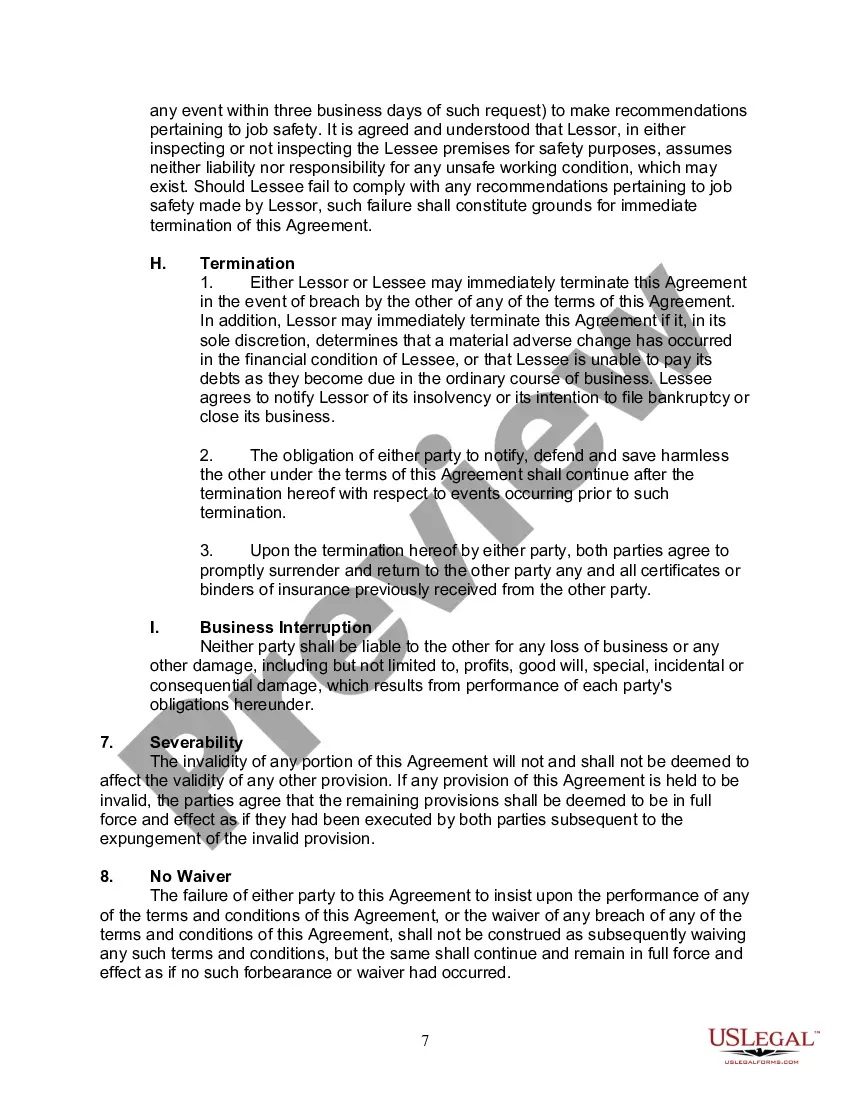
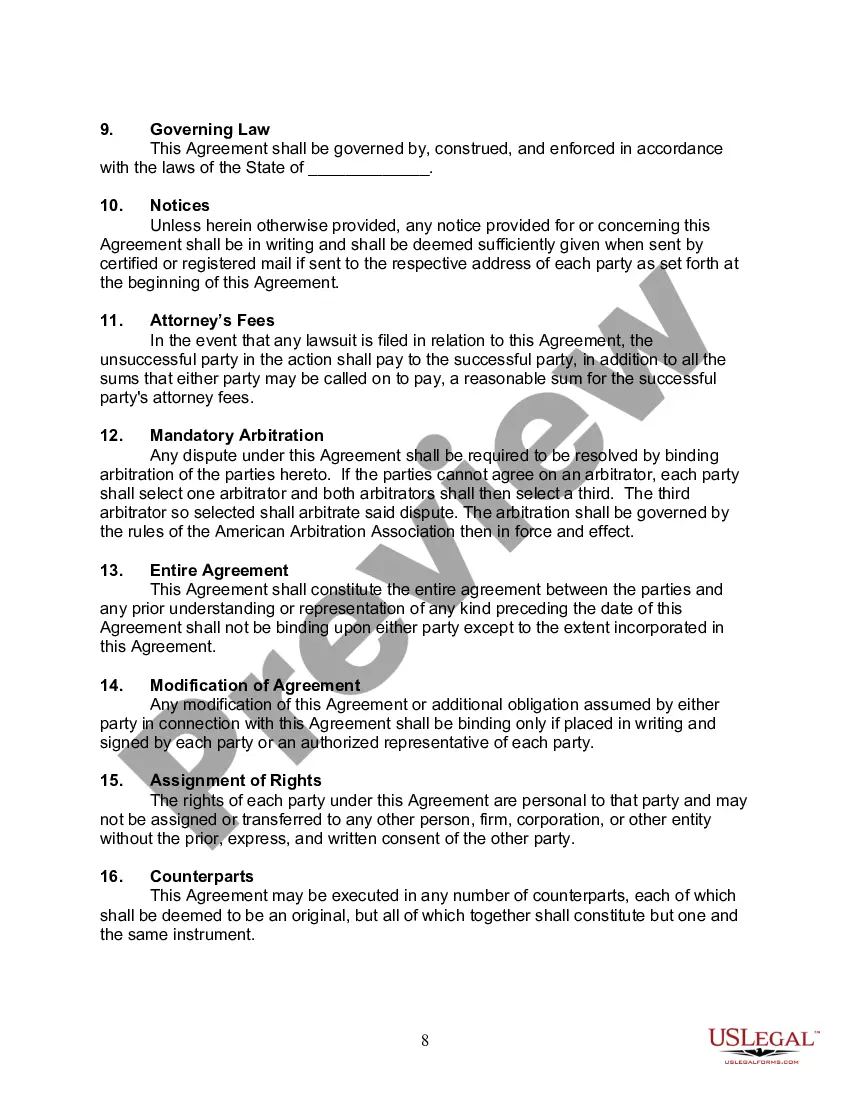
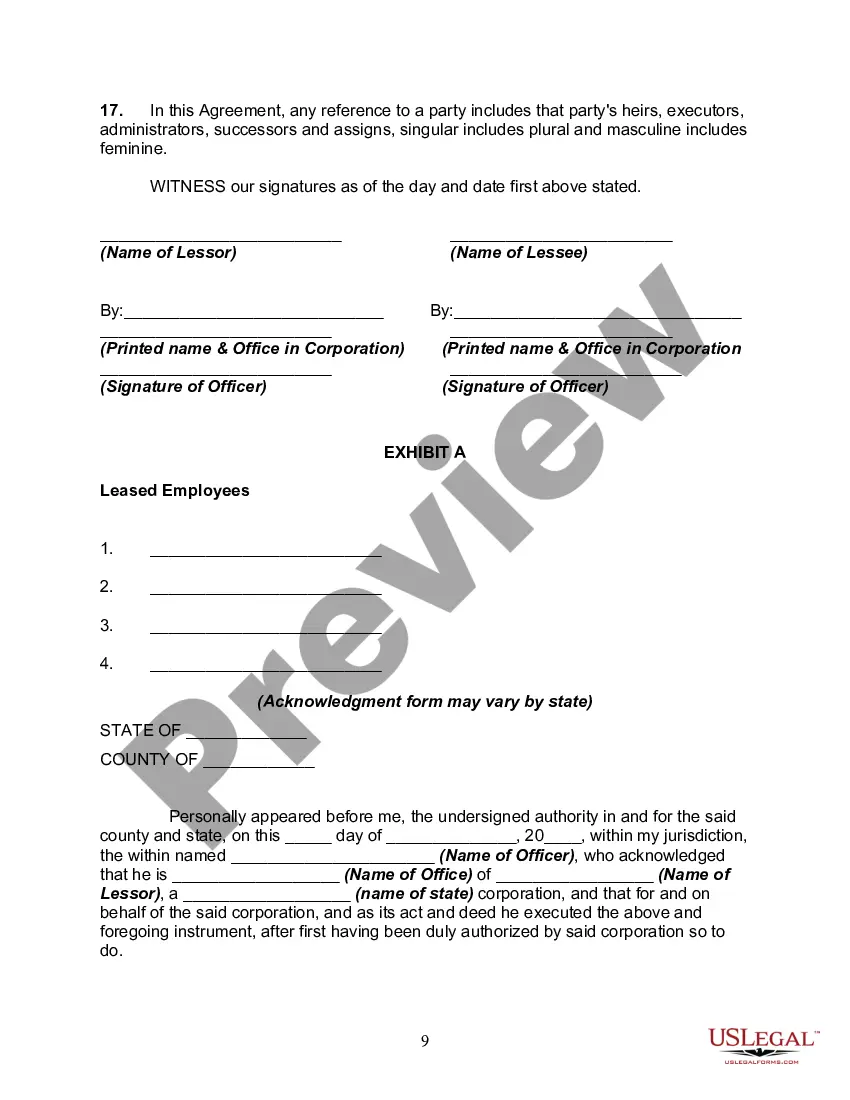
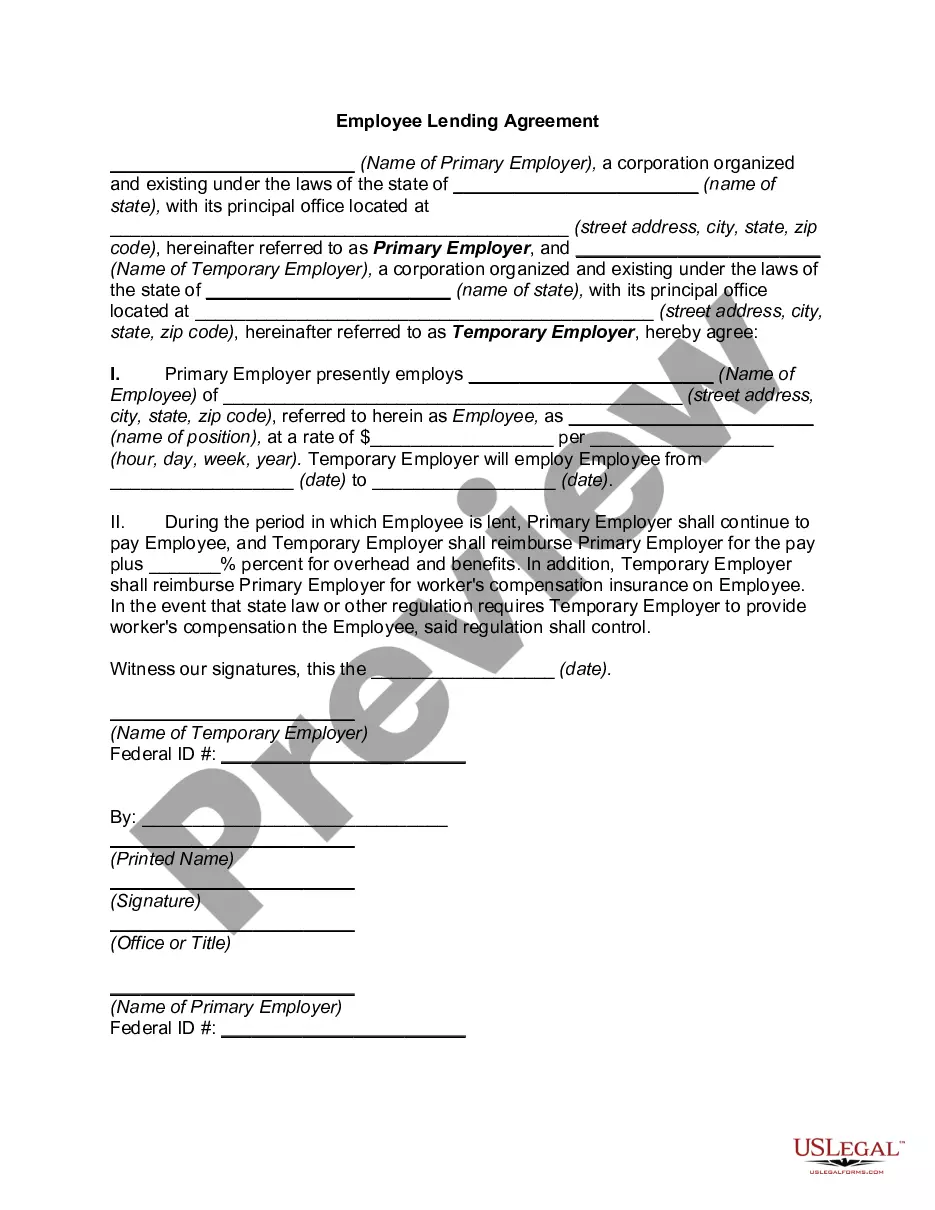
Get your form ready online
Our built-in tools help you complete, sign, share, and store your documents in one place.
Make edits, fill in missing information, and update formatting in US Legal Forms—just like you would in MS Word.
Download a copy, print it, send it by email, or mail it via USPS—whatever works best for your next step.
Sign and collect signatures with our SignNow integration. Send to multiple recipients, set reminders, and more. Go Premium to unlock E-Sign.
If this form requires notarization, complete it online through a secure video call—no need to meet a notary in person or wait for an appointment.
We protect your documents and personal data by following strict security and privacy standards.

Make edits, fill in missing information, and update formatting in US Legal Forms—just like you would in MS Word.

Download a copy, print it, send it by email, or mail it via USPS—whatever works best for your next step.

Sign and collect signatures with our SignNow integration. Send to multiple recipients, set reminders, and more. Go Premium to unlock E-Sign.

If this form requires notarization, complete it online through a secure video call—no need to meet a notary in person or wait for an appointment.

We protect your documents and personal data by following strict security and privacy standards.
Looking for another form?

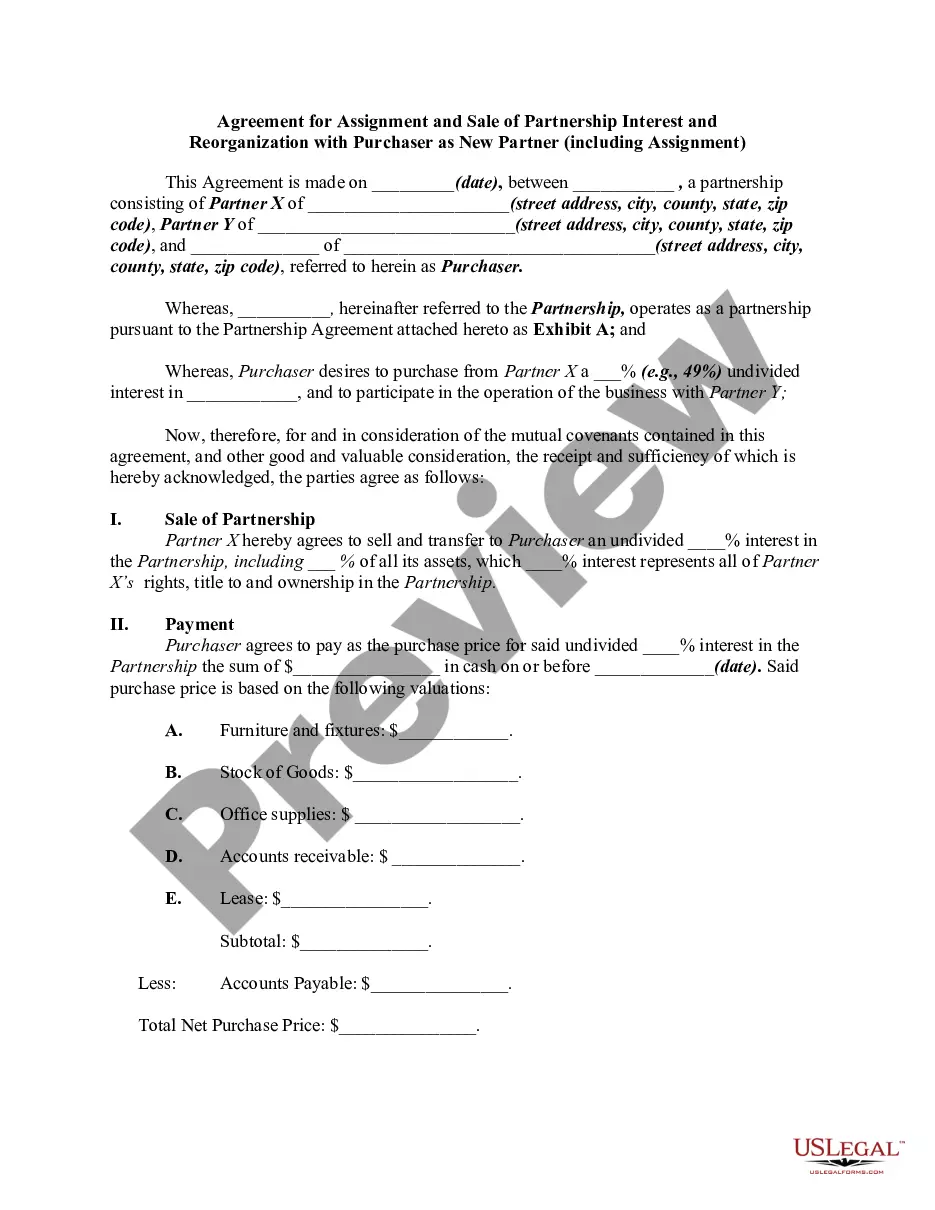
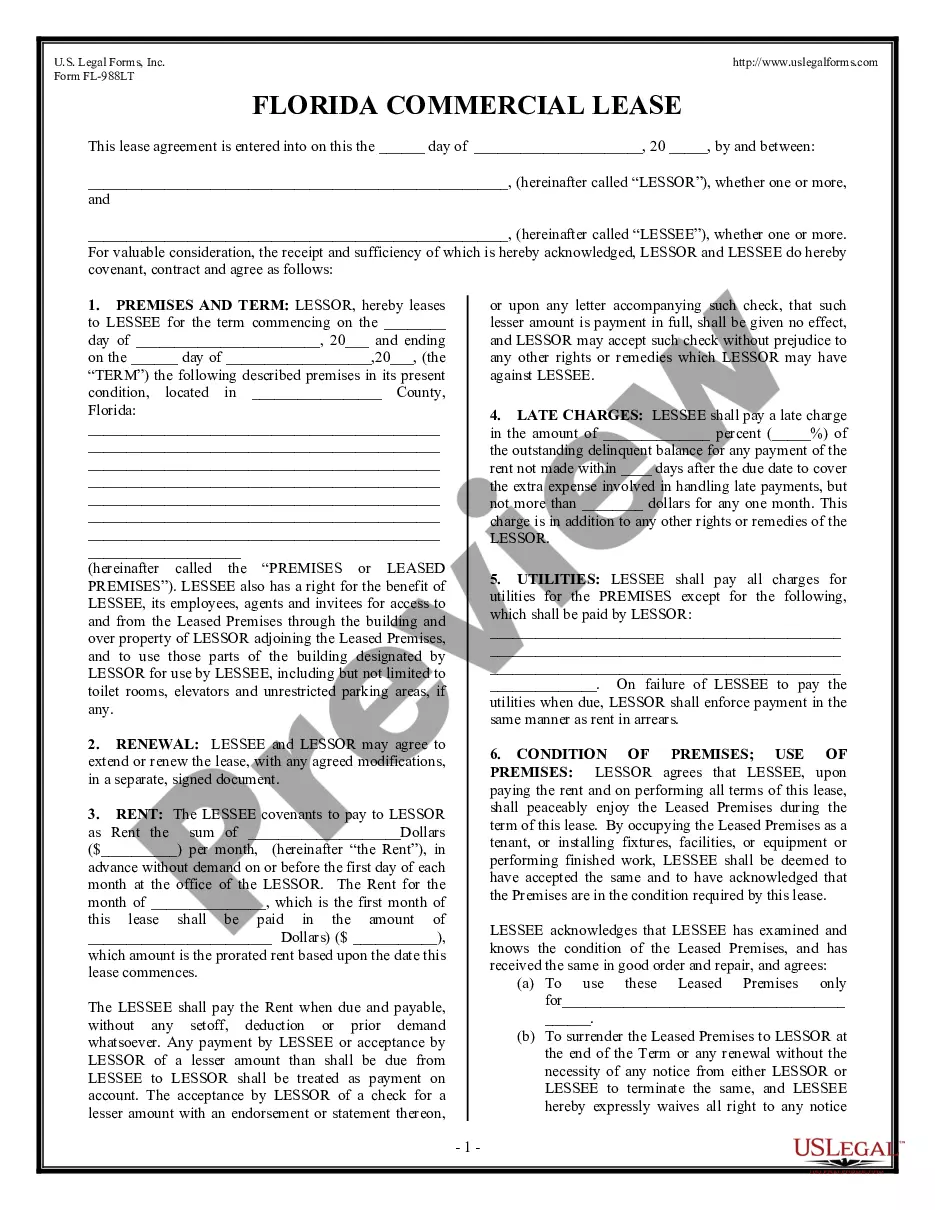





Form popularity
FAQ
If you cannot qualify for a lease on your own, the landlord may ask for a cosigner—another adult who agrees to go in on the lease with you. The cosigner won't be expected to live with you or handle the day-to-day management of the rental and the lease, but they may be held responsible if problems arise.
There are other issues with cosigners that affect tenants and landlords negatively but adjudicators nullifying their financial guarantees is the primary reason that landlords avoid them.
It absolutely can matter. If you need a cosigner, a landlord may not rent to you because they will predict that you may not be a responsible tenant.
While some landlords might demand cosigners for every renter, others might not. The reasons for this vary. One reason a landlord may require a cosigner is if the tenant has a poor credit history or a low income. In this case, the landlord may see the cosigner as an additional source of income or financial stability.
When you co-sign an apartment lease, it should not usually affect your credit. The main reason for this is that credit bureaus usually don't keep tabs on rental payments. These payments aren't typically a part of a credit report. The effect of this co-sign, in theory, should be neither positive nor negative.
signer is not a tenant. They typically do not have any right to use the rental unit unless invited by the tenant. They also generally don't have legal rights as a tenant.
You're more likely to find a co-signer by asking a family member or close friend.
A cosigner can be anyone over the age of 18 with adequate income and credit history to qualify for a rental property lease. Since cosigners are accountable for unpaid rent, most tenants choose family members.
How to Add a Guarantor to a Lease Talk With Tenant – Landlords should start by letting the tenant know that a guarantor is needed. Perform Background Check – After the tenant finds someone to co-sign, the landlord should screen the guarantor and conduct a credit check to verify their financial reliability.
