Employee Lease Addendum For Extension Of Term In Travis
Description

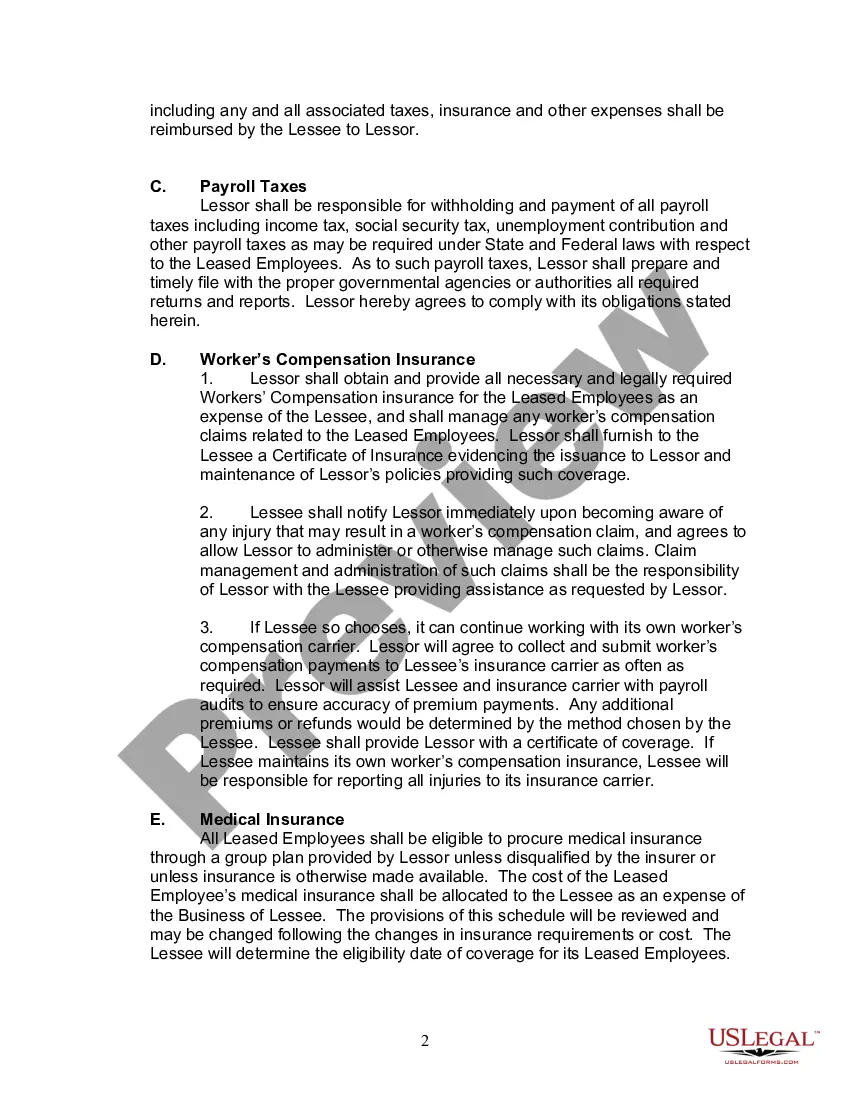
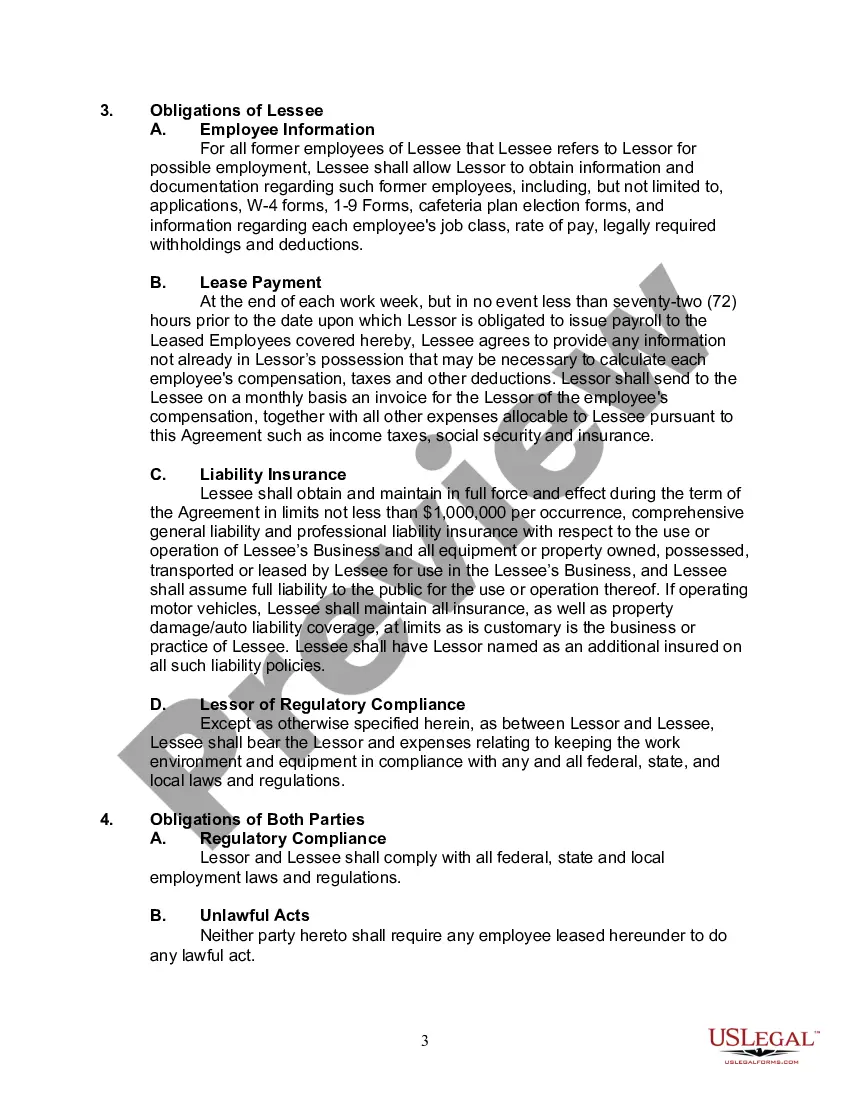
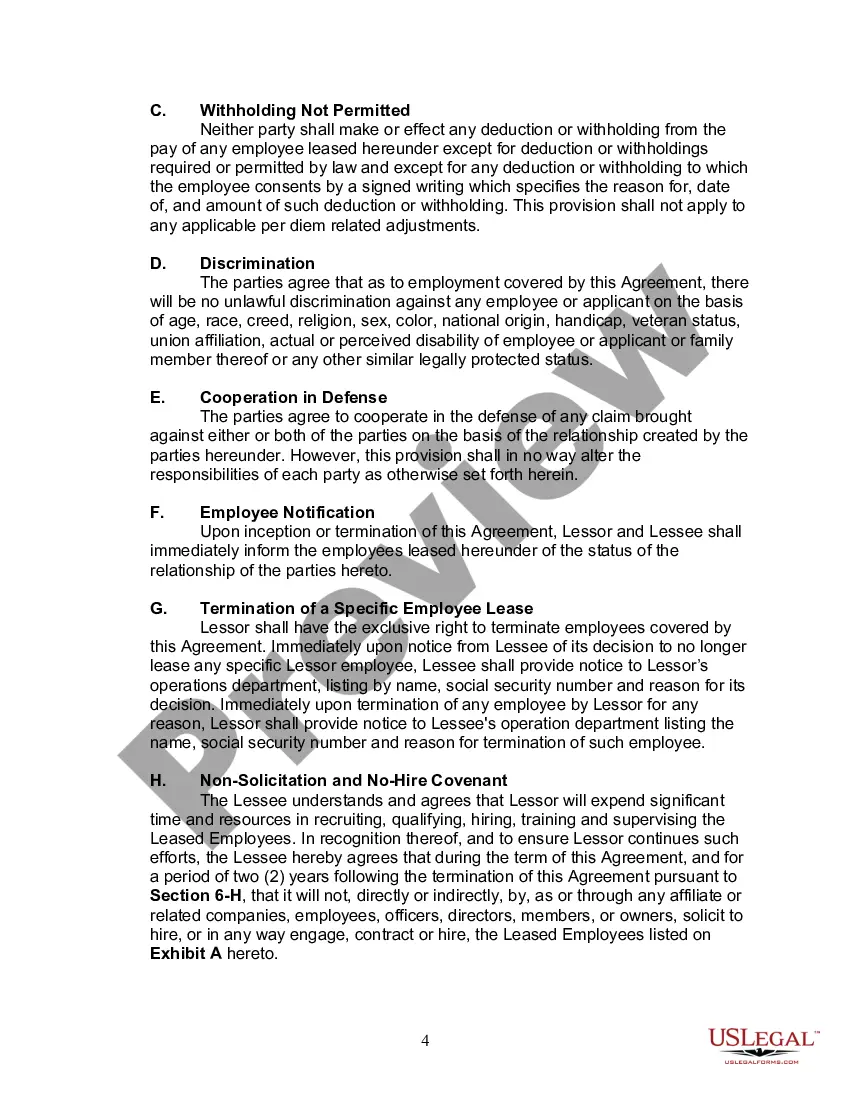
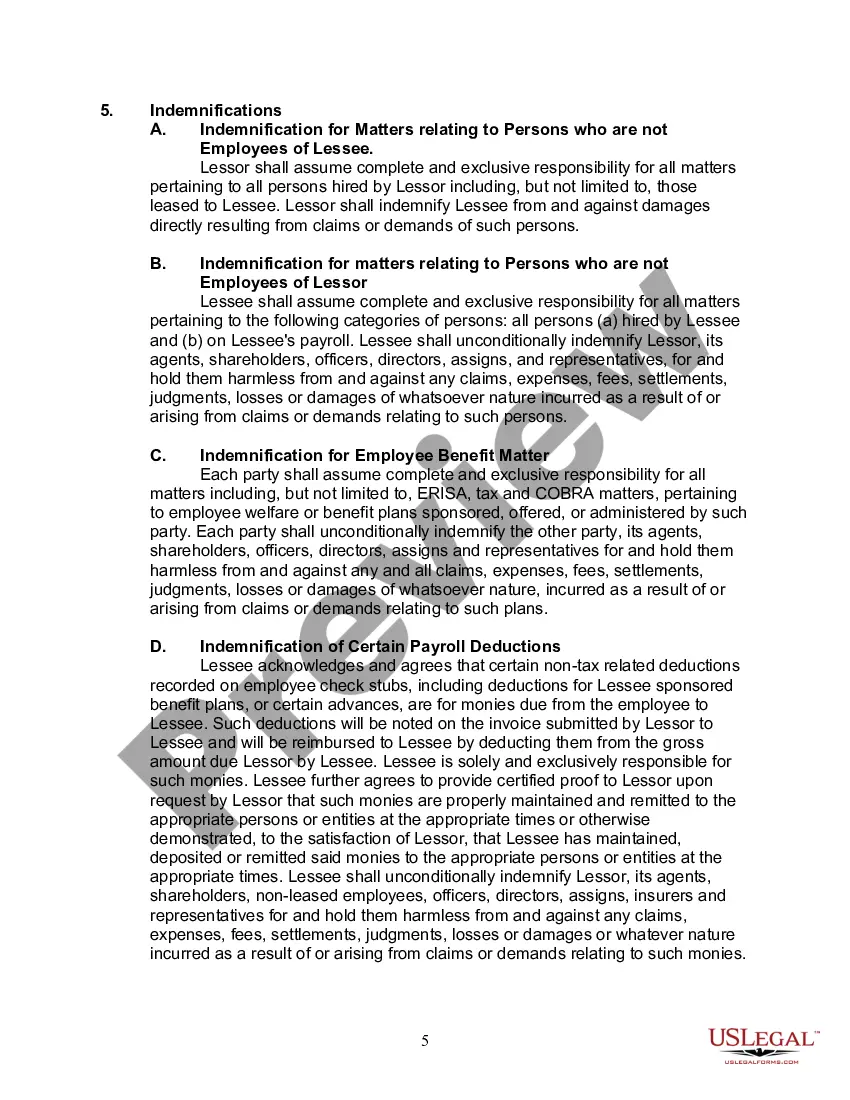
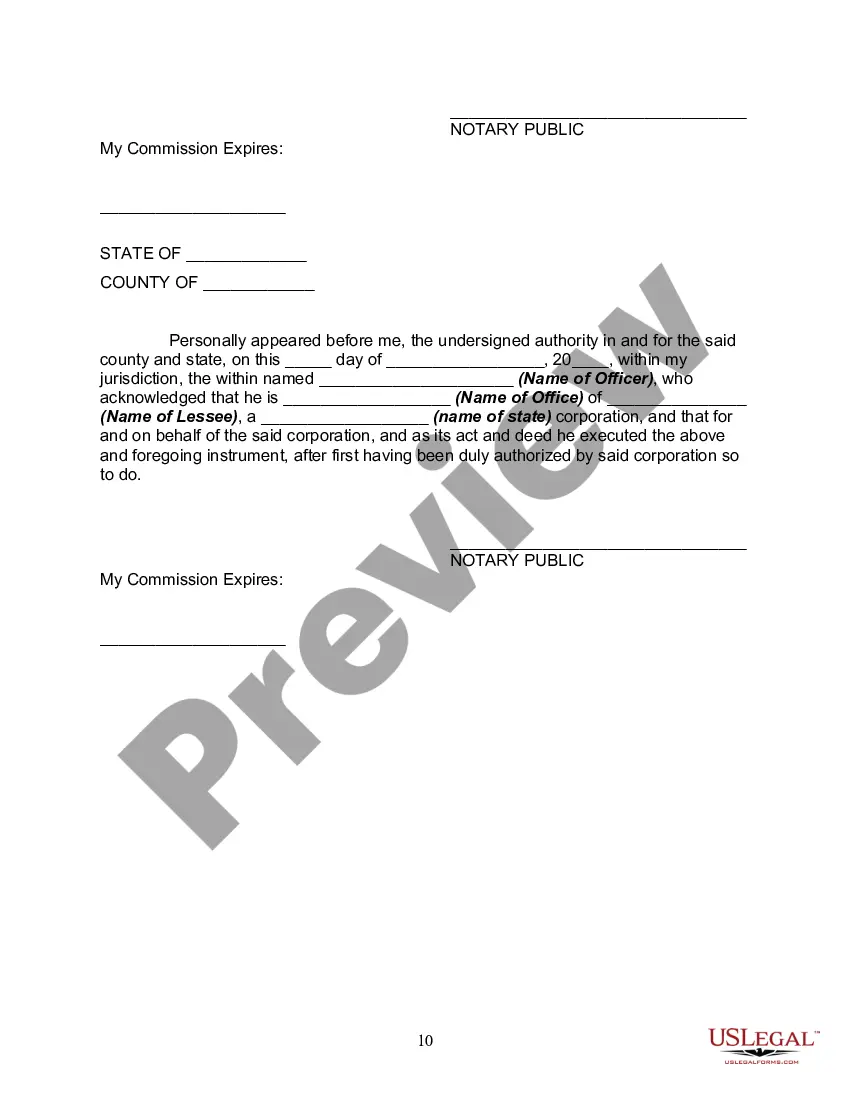
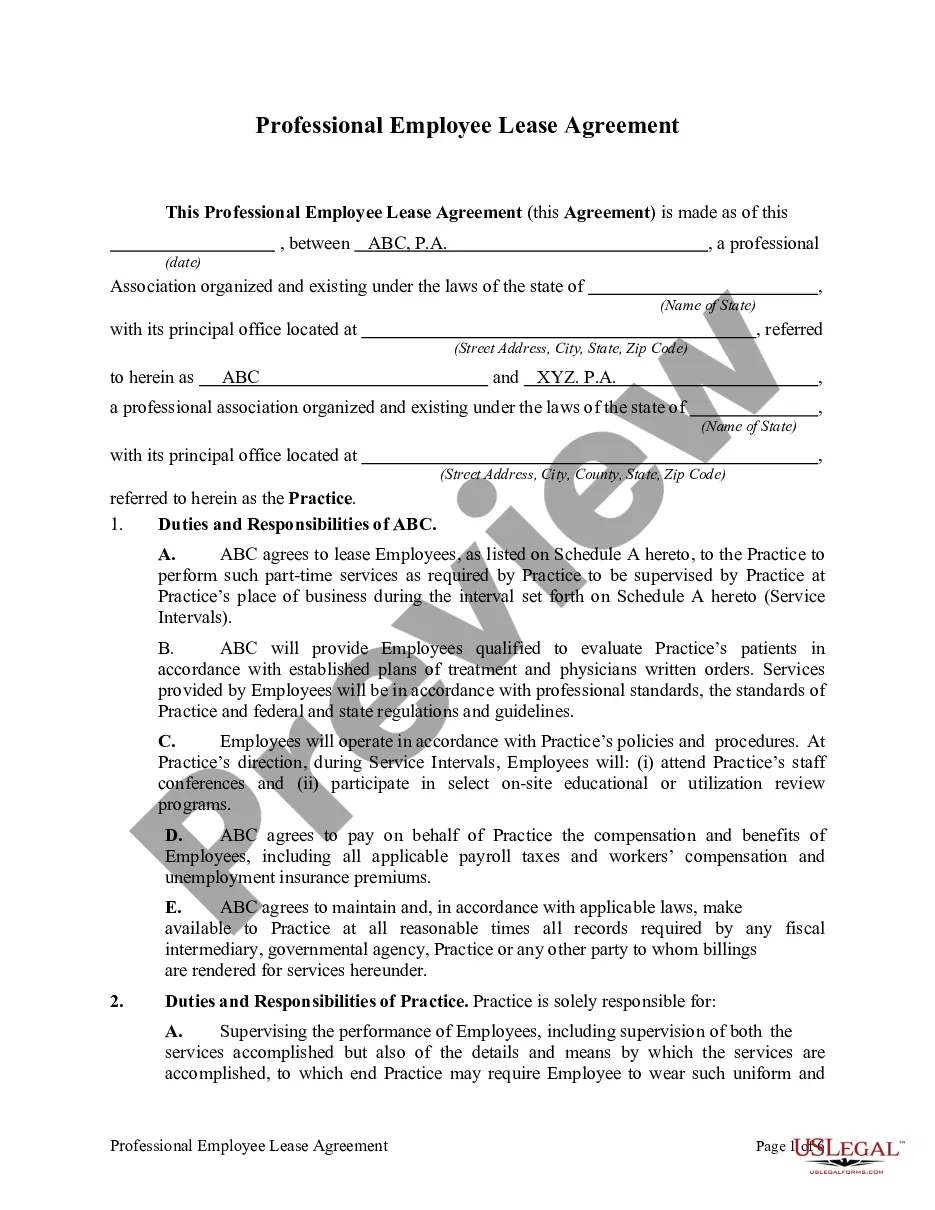
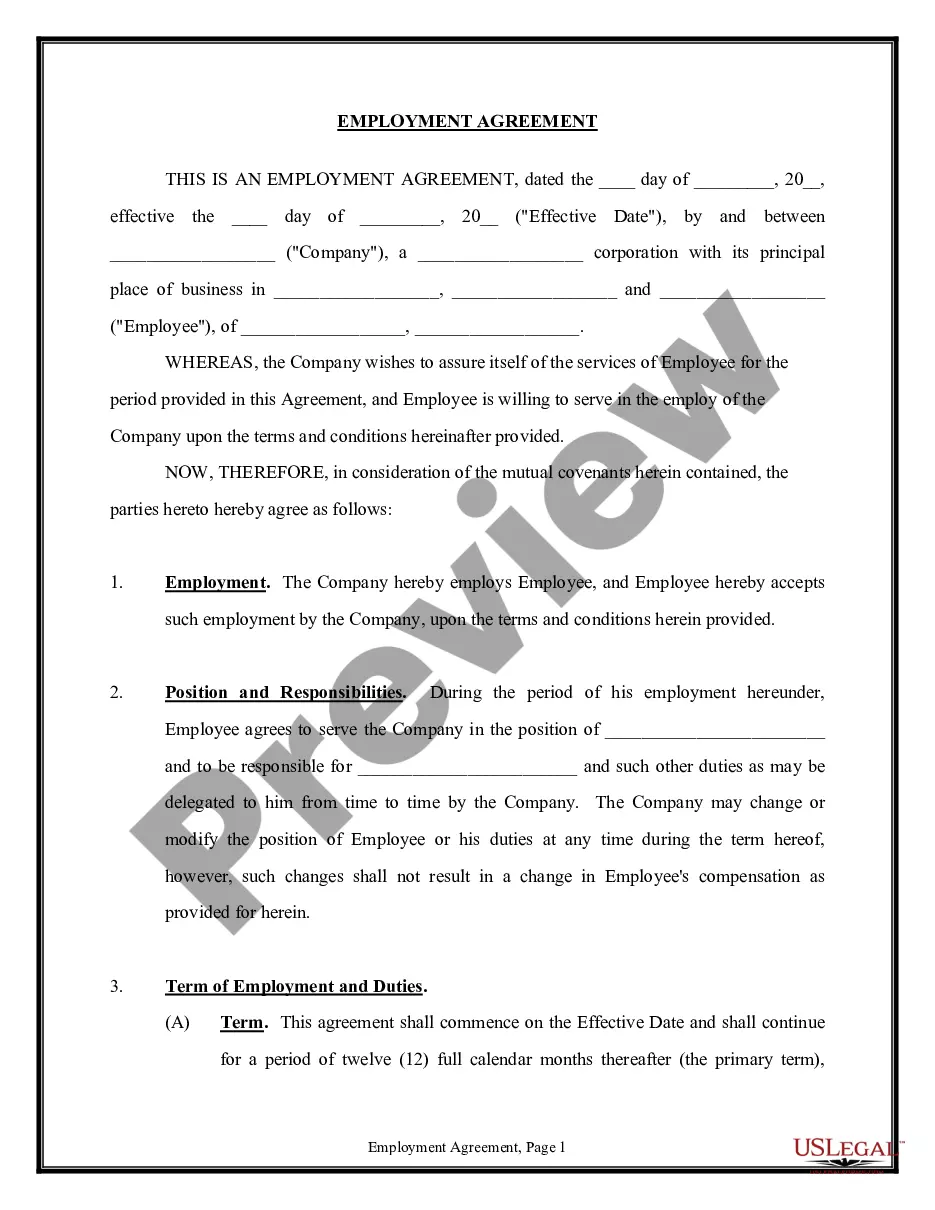
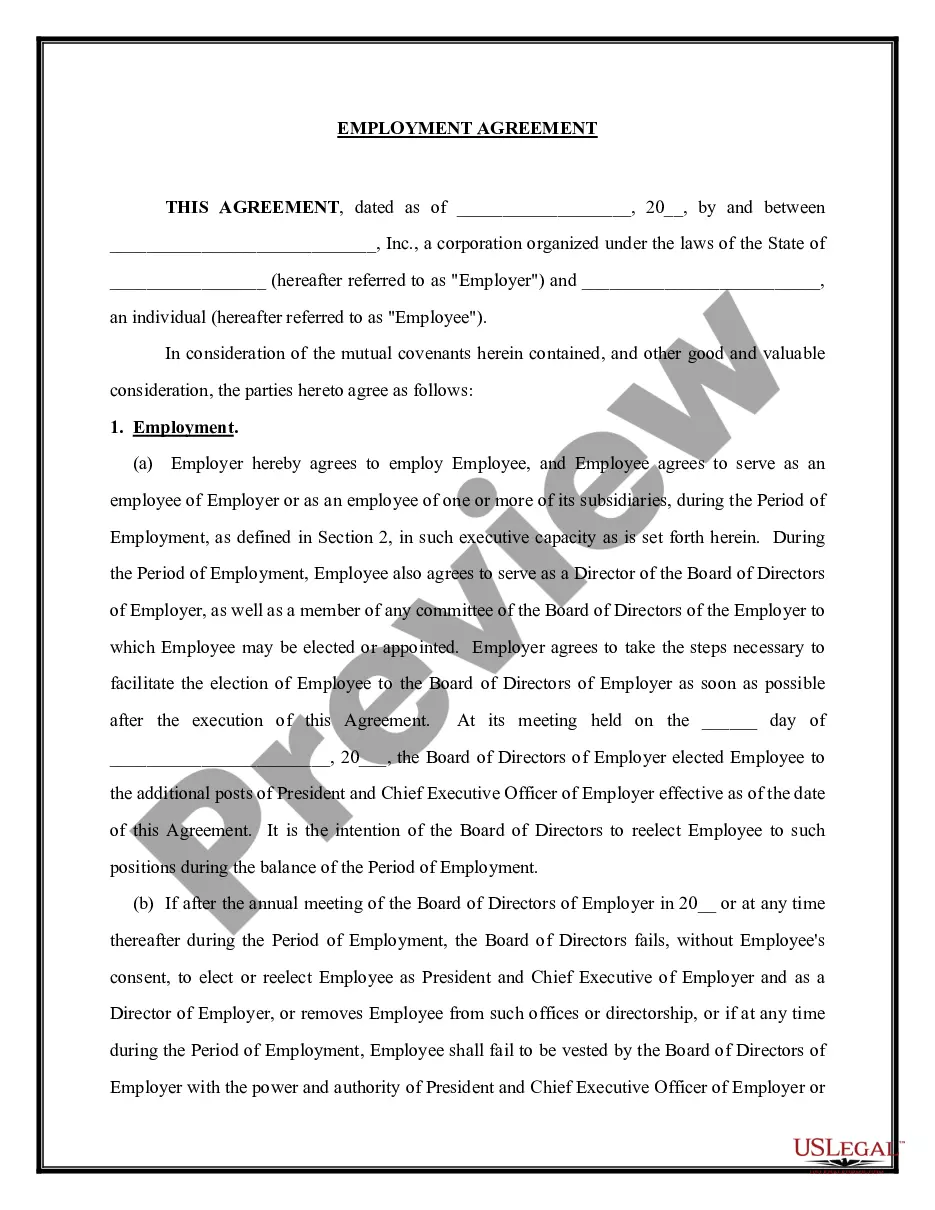
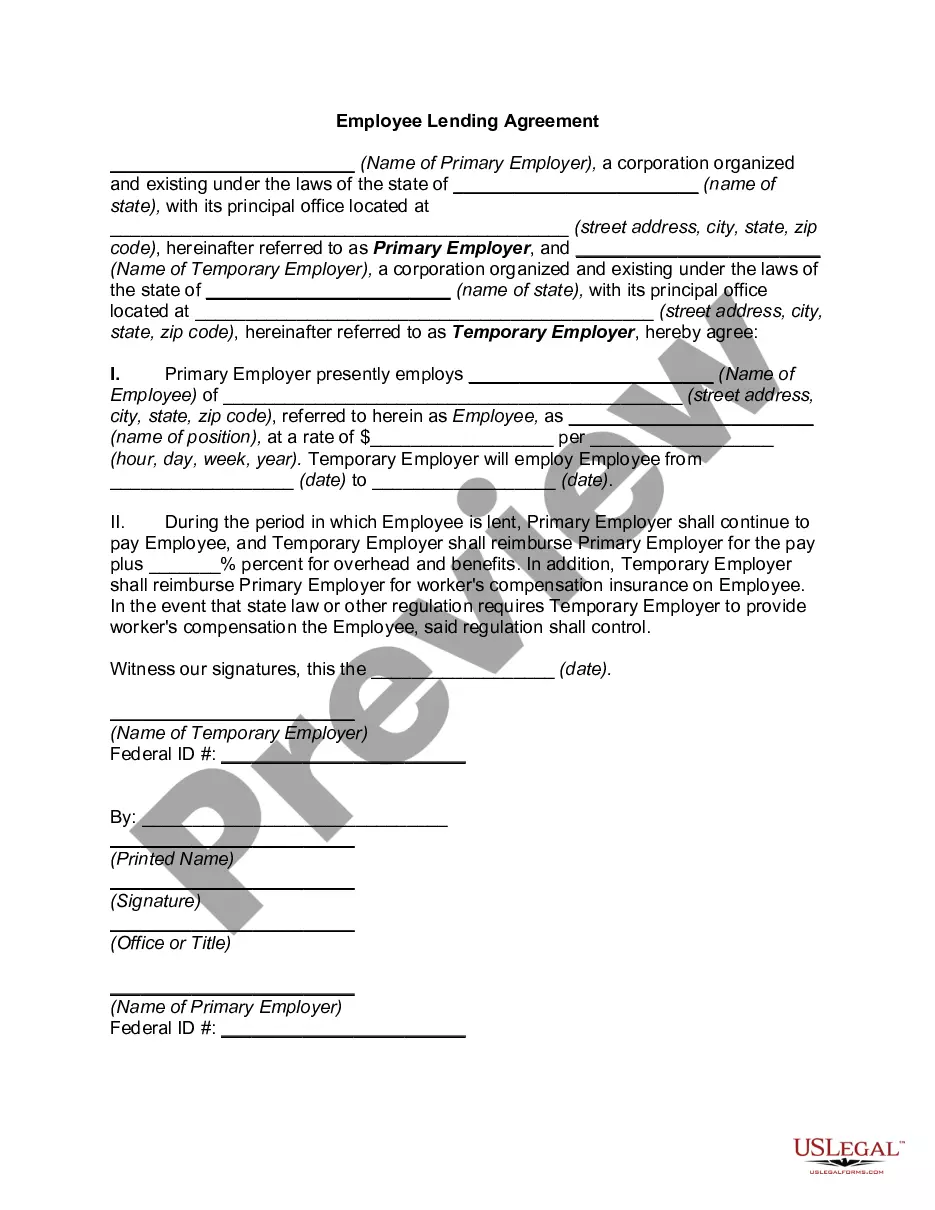
Get your form ready online
Our built-in tools help you complete, sign, share, and store your documents in one place.
Make edits, fill in missing information, and update formatting in US Legal Forms—just like you would in MS Word.
Download a copy, print it, send it by email, or mail it via USPS—whatever works best for your next step.
Sign and collect signatures with our SignNow integration. Send to multiple recipients, set reminders, and more. Go Premium to unlock E-Sign.
If this form requires notarization, complete it online through a secure video call—no need to meet a notary in person or wait for an appointment.
We protect your documents and personal data by following strict security and privacy standards.

Make edits, fill in missing information, and update formatting in US Legal Forms—just like you would in MS Word.

Download a copy, print it, send it by email, or mail it via USPS—whatever works best for your next step.

Sign and collect signatures with our SignNow integration. Send to multiple recipients, set reminders, and more. Go Premium to unlock E-Sign.

If this form requires notarization, complete it online through a secure video call—no need to meet a notary in person or wait for an appointment.

We protect your documents and personal data by following strict security and privacy standards.
Looking for another form?







Form popularity
FAQ
How do I fill this out? Enter your personal information at the top of the letter. Specify the rental property address and current lease expiration date. Propose a new lease end date and the prorated rent amount. Explain your reason for requesting the extension. Sign and date the letter before sending it.
Steps to extend a lease agreement Review the current lease. Go through your original agreement. Communicate with the other party. Negotiate terms. Seek legal advice. Draft a lease extension agreement. Sign and execute the agreement. Register or record the extension. Update relevant parties.
What to include in a lease renewal letter Date of the lease renewal letter. Name and information of tenant and landlord. Property address and unit number (if applicable). Reference expiration date of the existing lease. Rent amount of the new lease. Term of the new lease (such as renewing for another 12 months).
In this case, you can apply to the county court for a 'vesting order' to extend the lease. If the court is satisfied that you are eligible for a new lease, it will grant the lease to you in the landlord's absence. The court will usually refer the case to the tribunal to decide how much the premium should be.
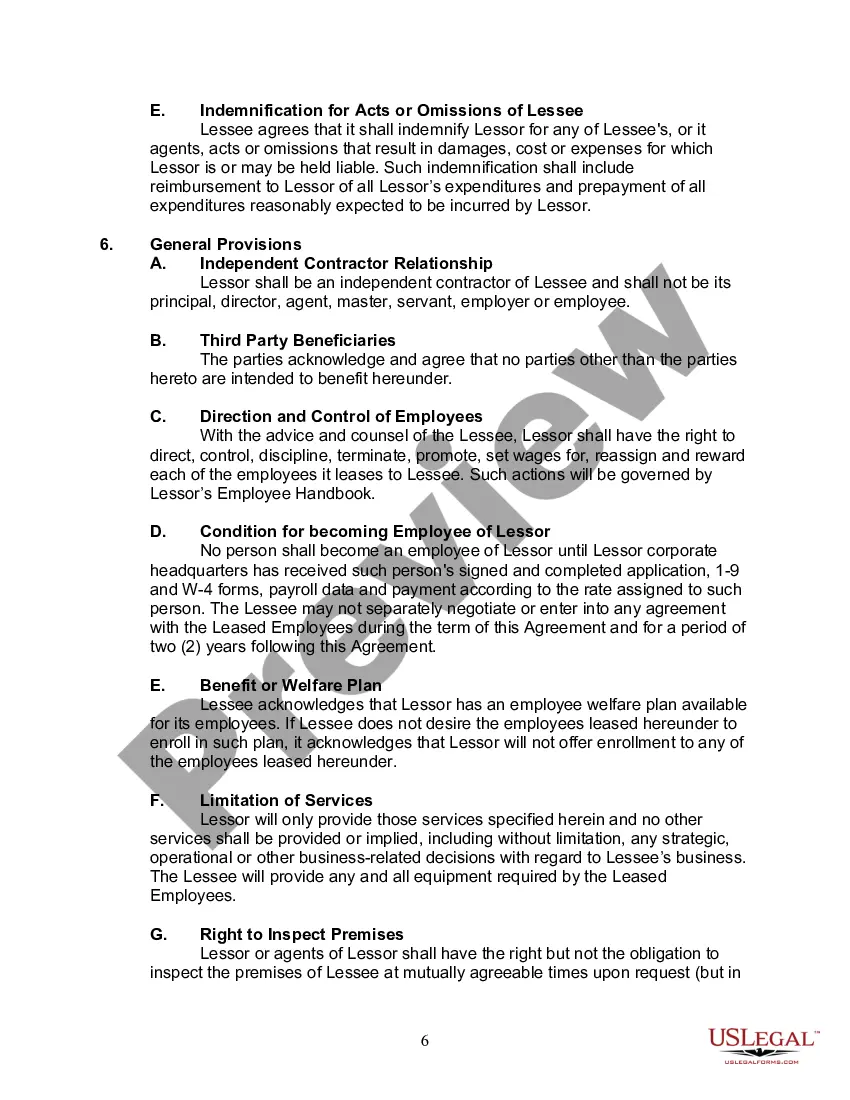
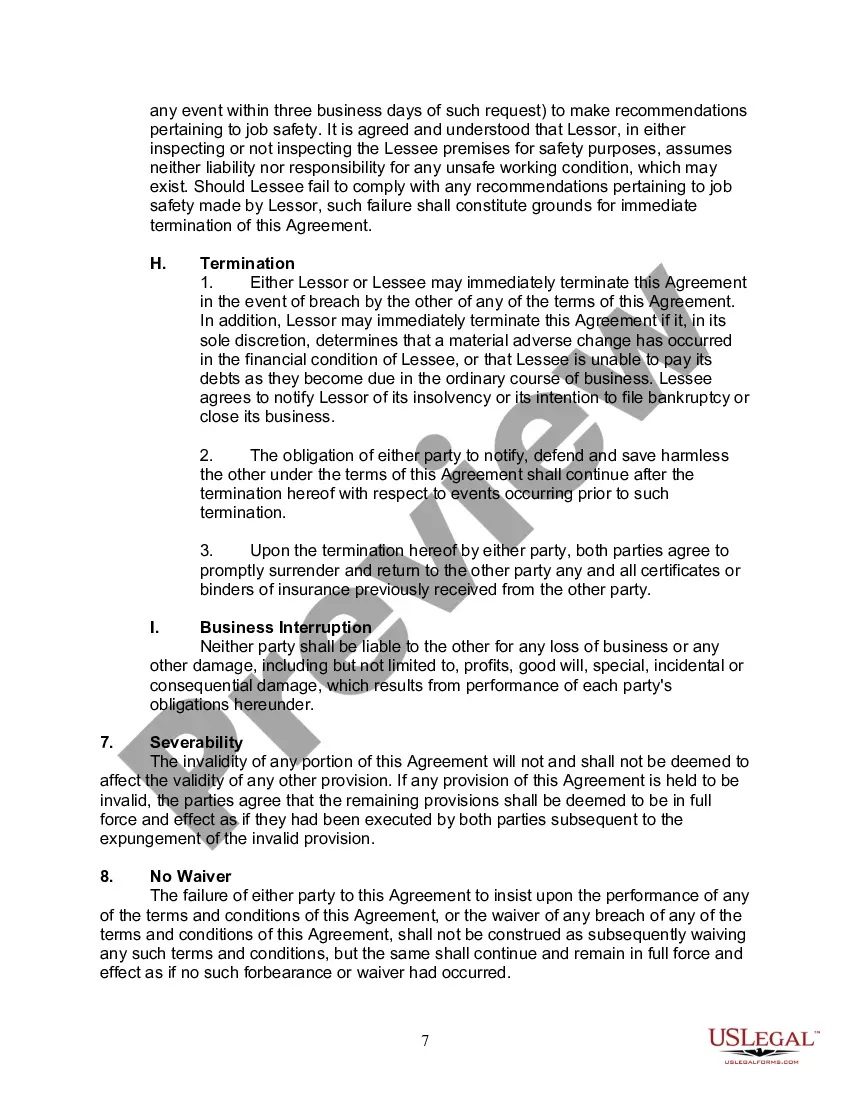
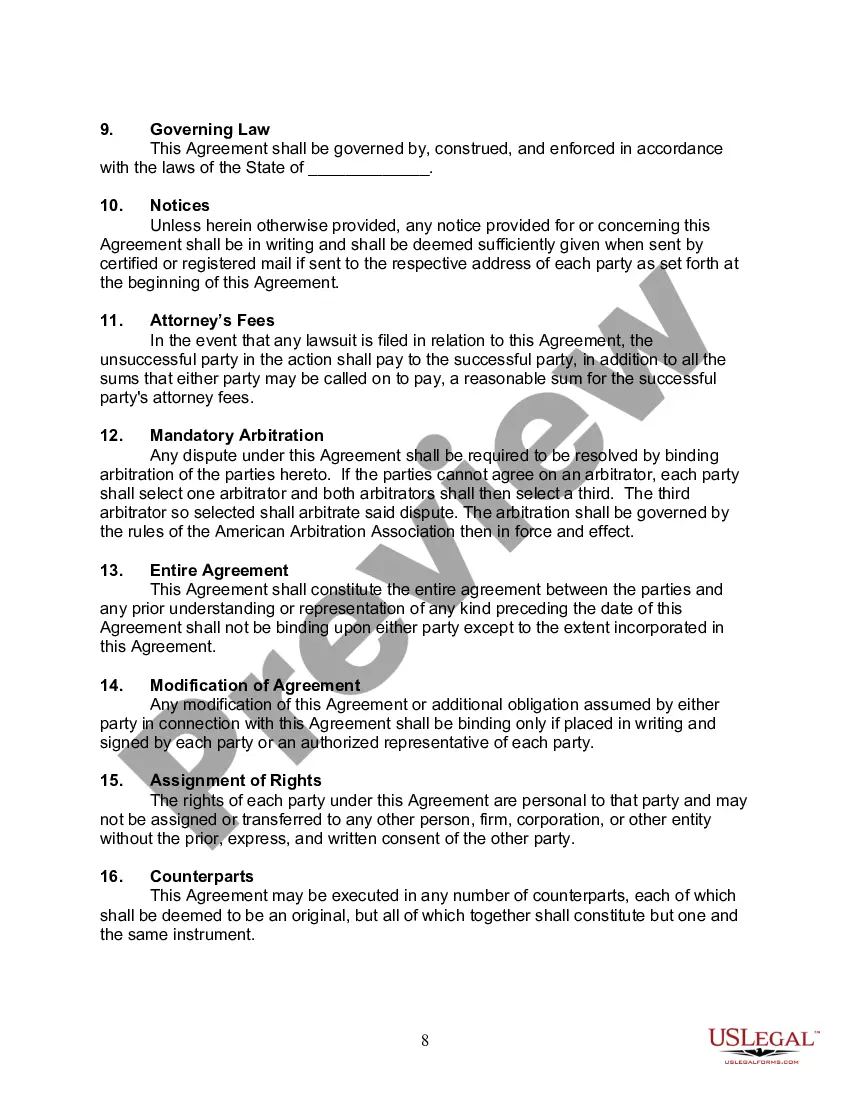
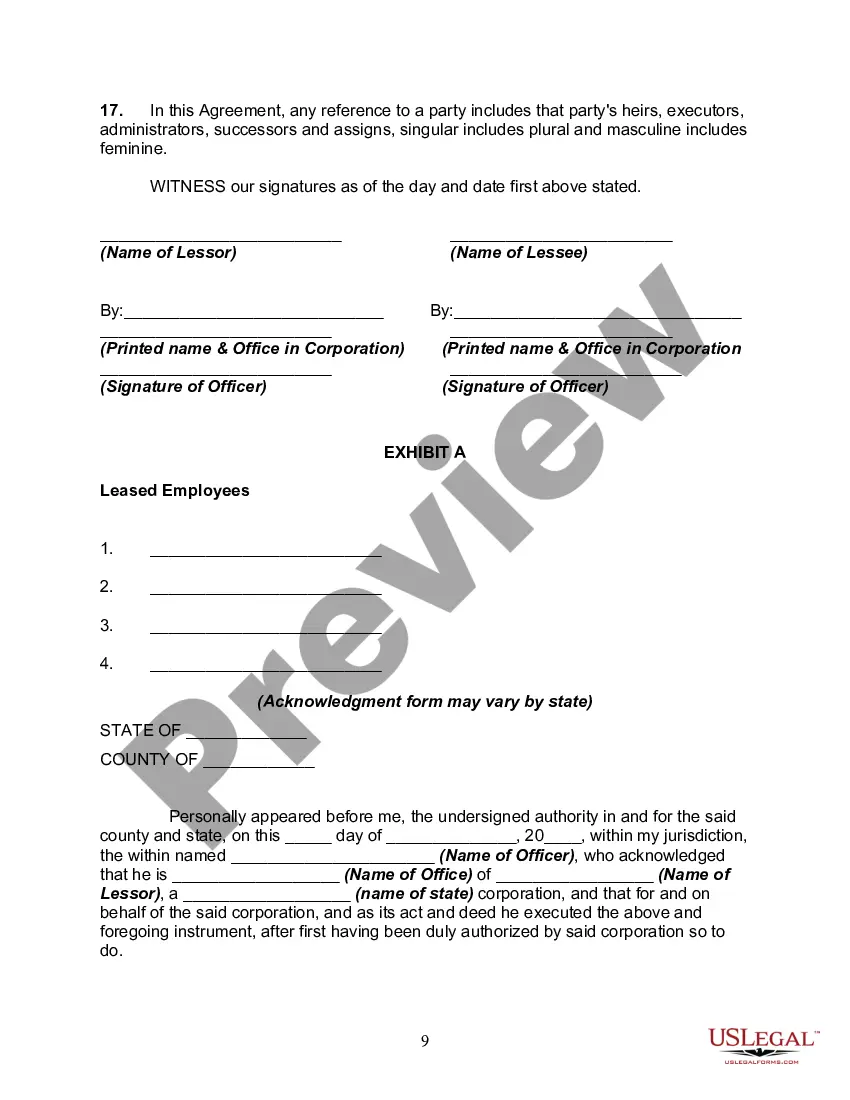
A lease extension addendum is a legal document used to extend a lease, typically between a landlord and tenant. It can modify certain lease conditions like rent, security deposit, and utilities, but the rest of the original lease terms remain unchanged.
In general, things to include in a lease addendum might be: Your name. The rental property address. The tenant's name. Relevant policy/information (that complies with your state/municipal's rental laws) Consequences for breaking any contract agreements. Space to sign & date for landlord. Space to sign & date for tenant.
For example, “This Addendum amends the Agreement dated DATE between PARTY 1 NAME and PARTY 2 NAME.” Clear and specific language outlining the changes, clarifications, or additions being made. This should leave no ambiguity regarding how the original contract is being modified.
To request a lease extension, submit a formal letter containing all the pertinent details your landlord needs to make a decision. The letter should include: Your name, current address and contact information. Date the lease extension request is submitted.
Here are 16 steps on how to make a lease agreement: Include the contact information of both parties. Include property details. Outline property utilities and services. Define the lease term. Disclose the monthly rent amount and due date. Detail the penalties and late fees. Describe any additional or services fees.
