Staff Rental Agreement With Multiple Tenants India In Texas
Description

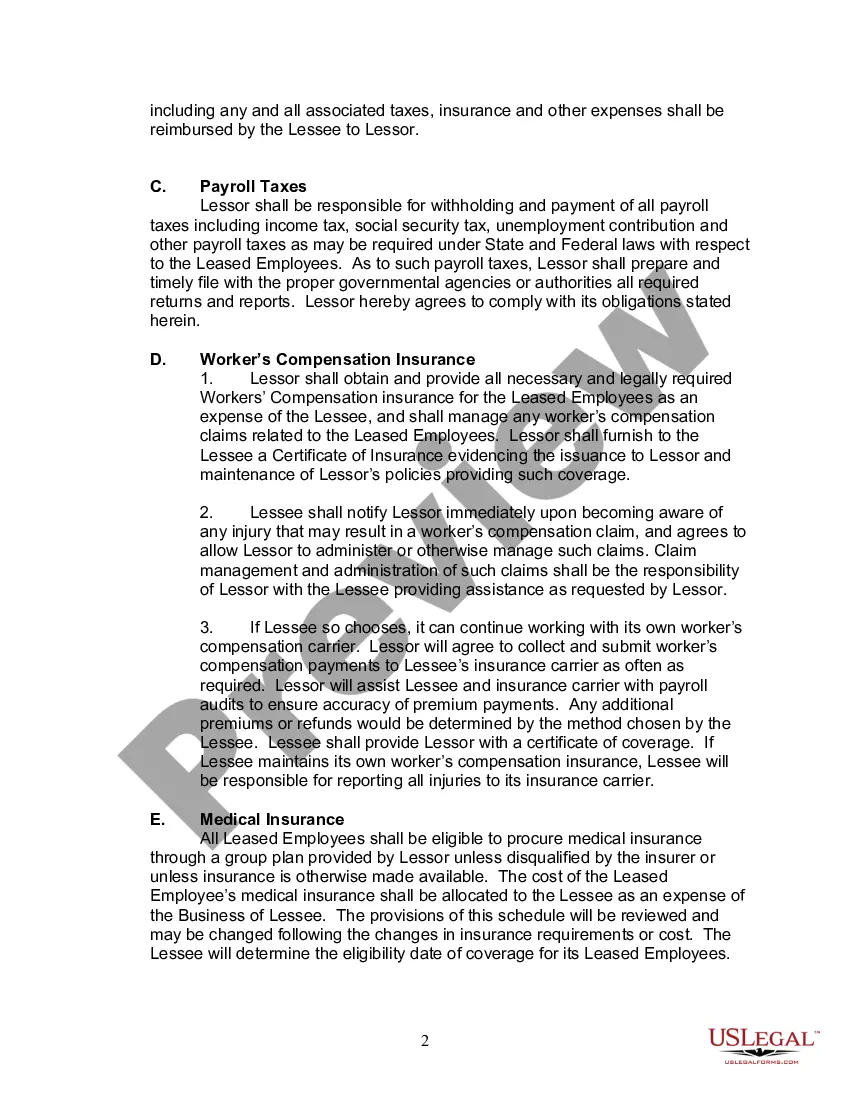
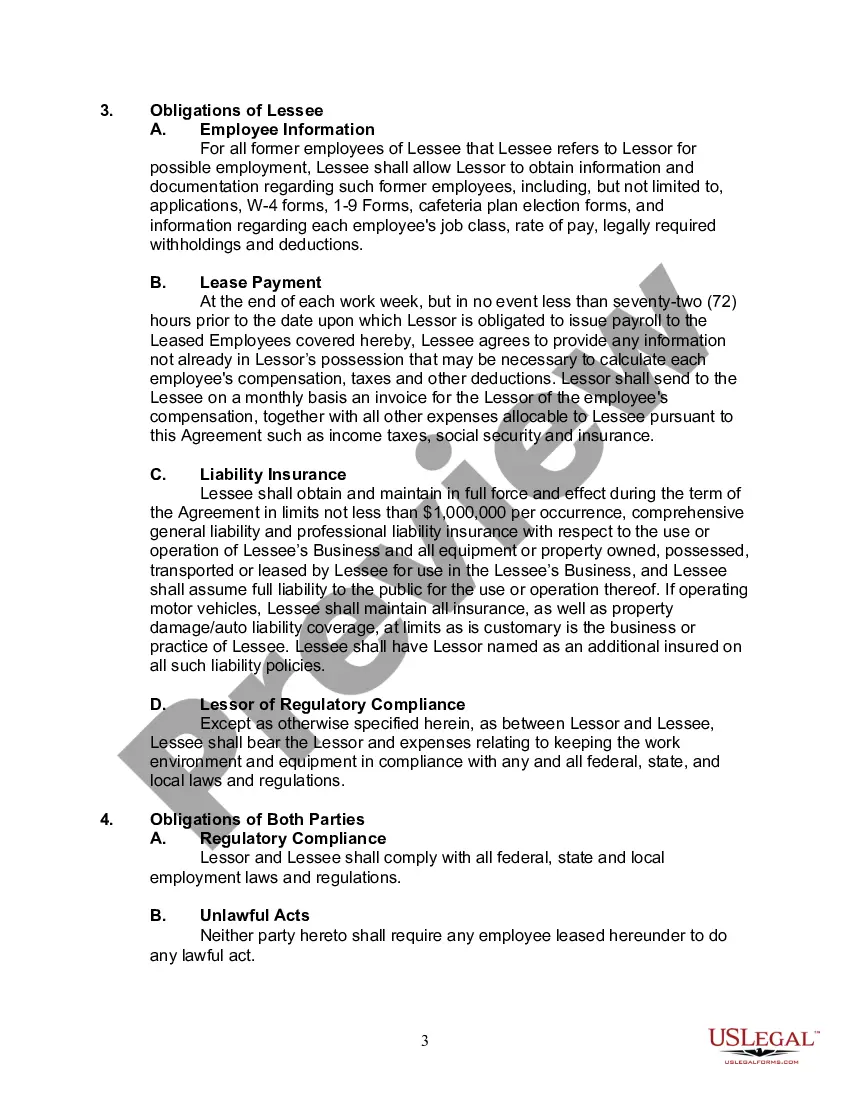
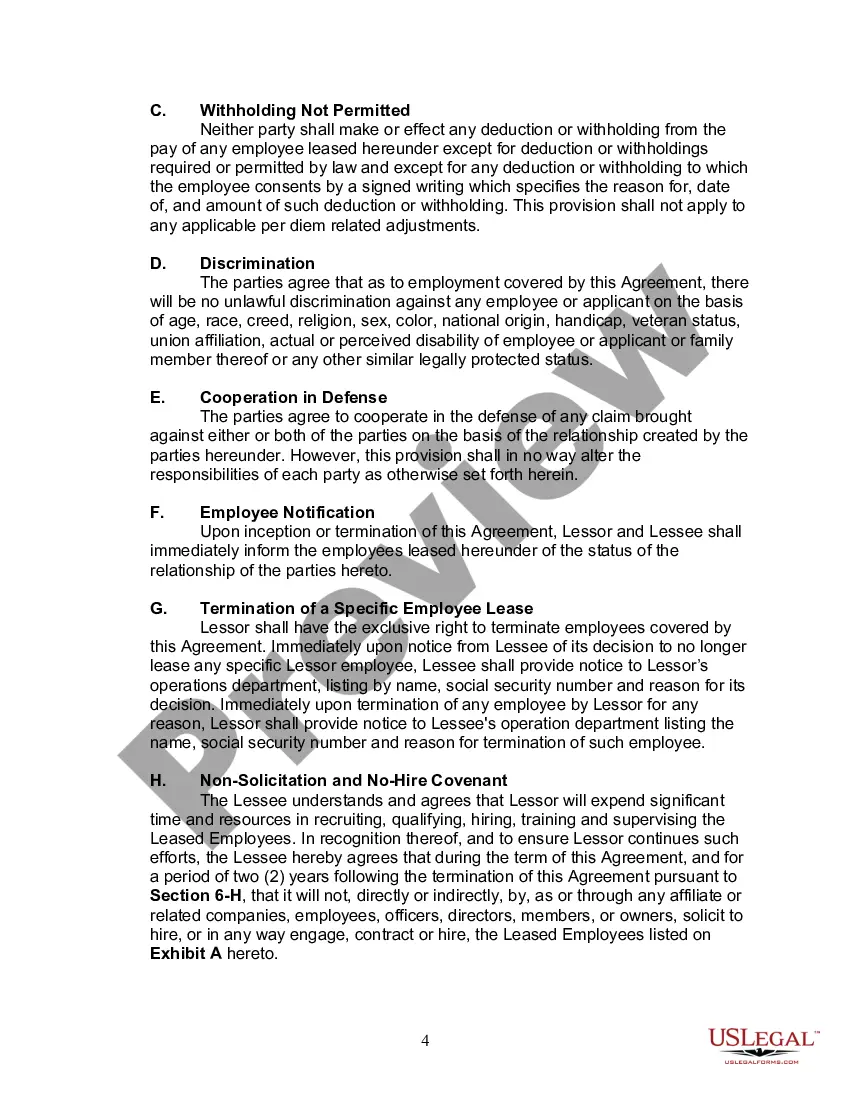
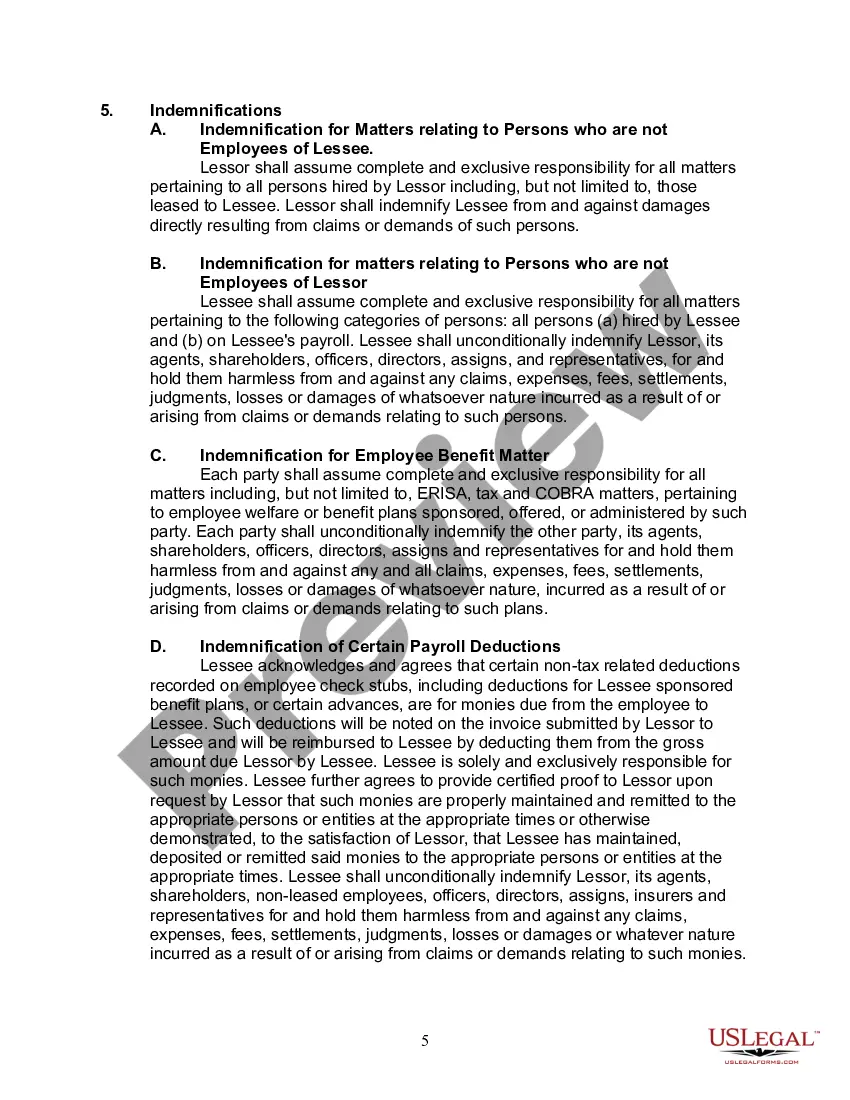
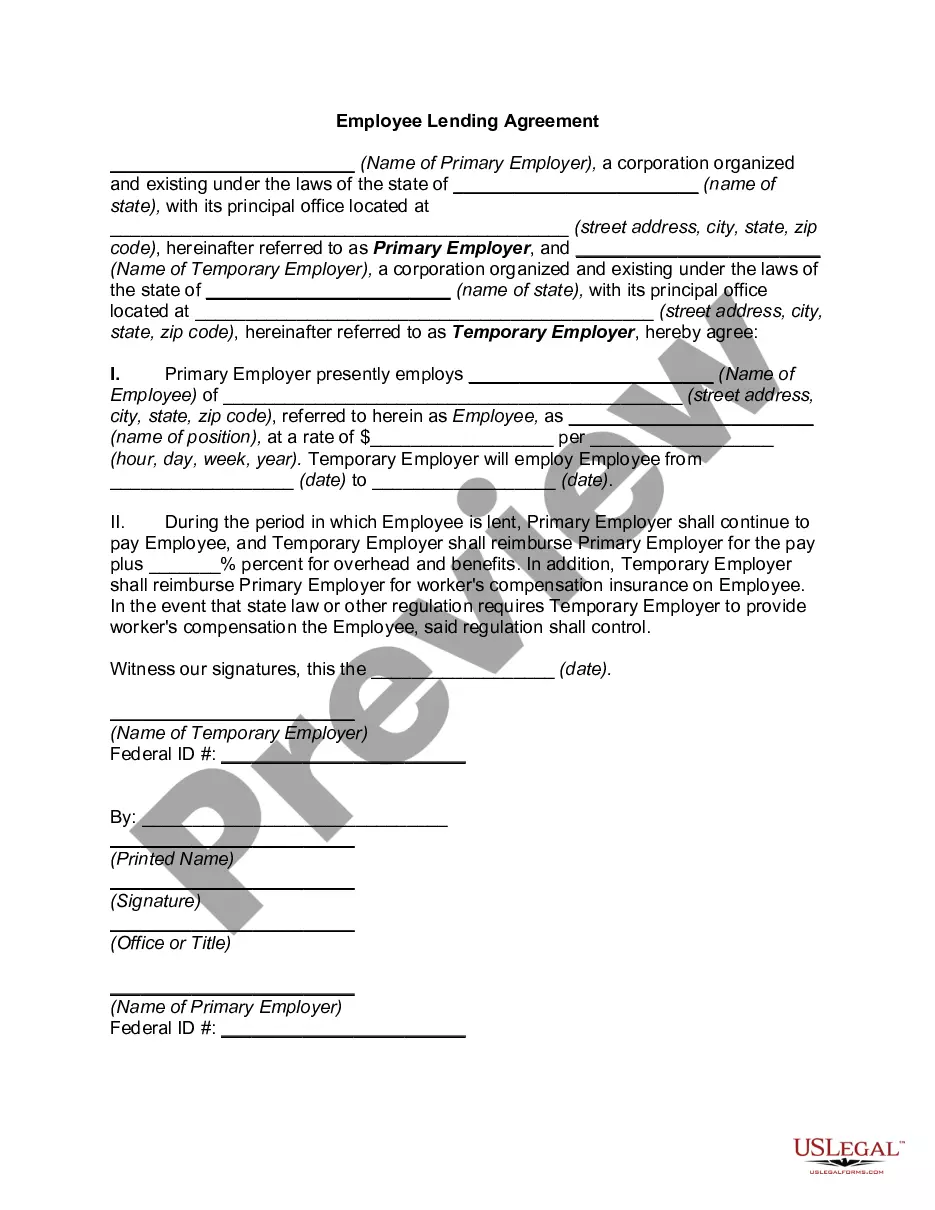
Get your form ready online
Our built-in tools help you complete, sign, share, and store your documents in one place.
Make edits, fill in missing information, and update formatting in US Legal Forms—just like you would in MS Word.
Download a copy, print it, send it by email, or mail it via USPS—whatever works best for your next step.
Sign and collect signatures with our SignNow integration. Send to multiple recipients, set reminders, and more. Go Premium to unlock E-Sign.
If this form requires notarization, complete it online through a secure video call—no need to meet a notary in person or wait for an appointment.
We protect your documents and personal data by following strict security and privacy standards.

Make edits, fill in missing information, and update formatting in US Legal Forms—just like you would in MS Word.

Download a copy, print it, send it by email, or mail it via USPS—whatever works best for your next step.

Sign and collect signatures with our SignNow integration. Send to multiple recipients, set reminders, and more. Go Premium to unlock E-Sign.

If this form requires notarization, complete it online through a secure video call—no need to meet a notary in person or wait for an appointment.

We protect your documents and personal data by following strict security and privacy standards.
Looking for another form?

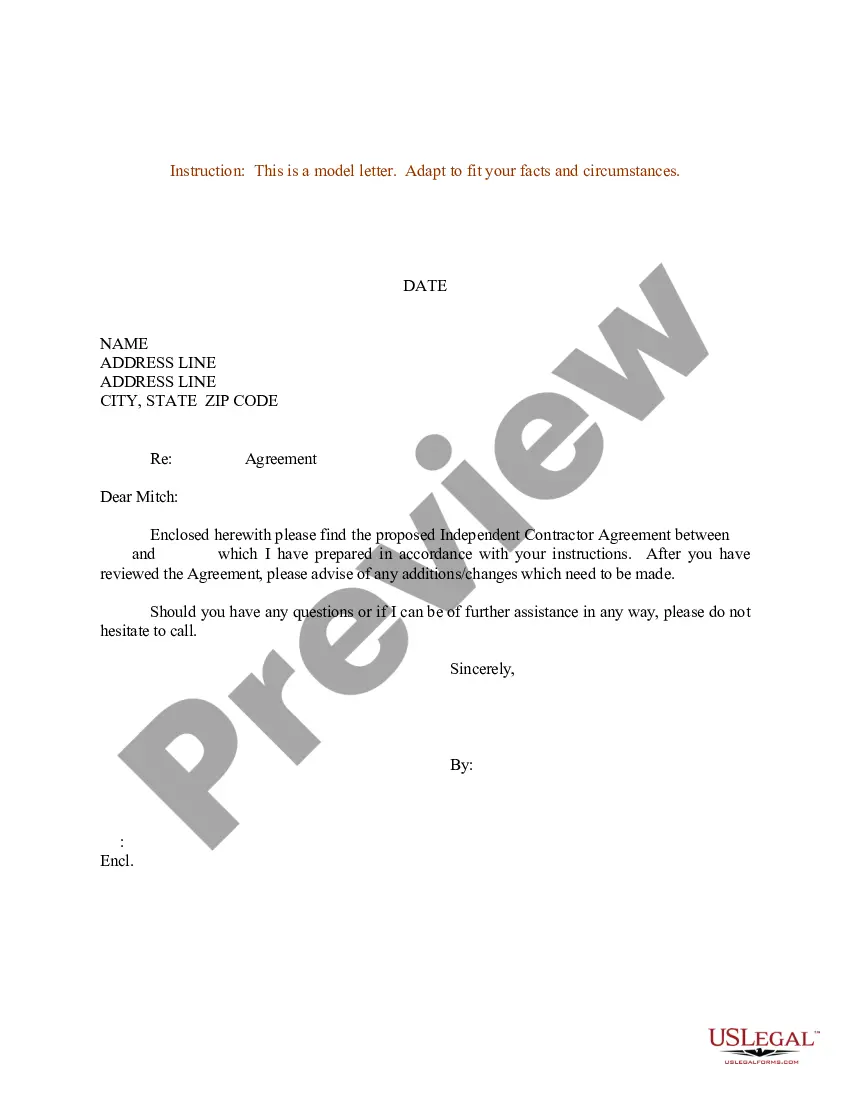





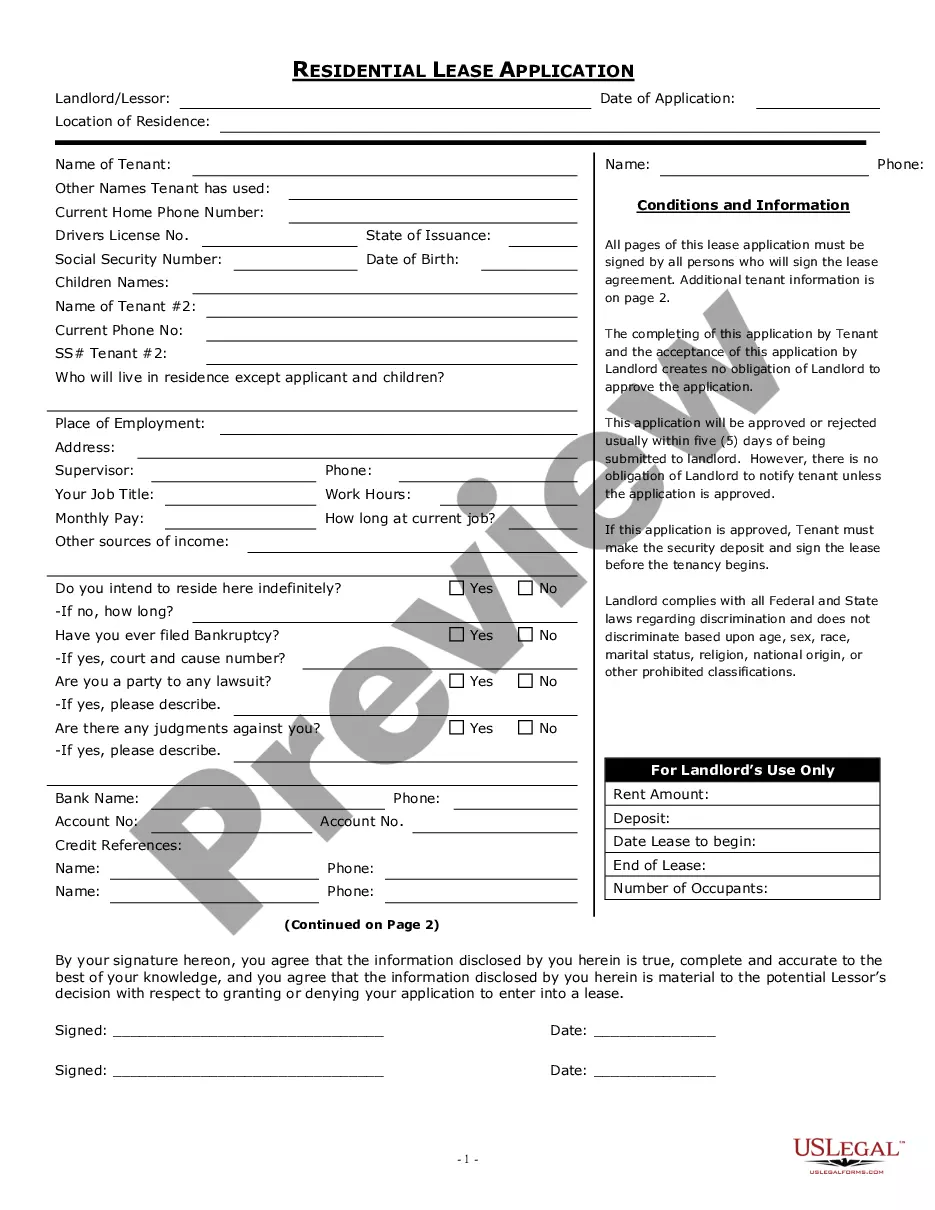
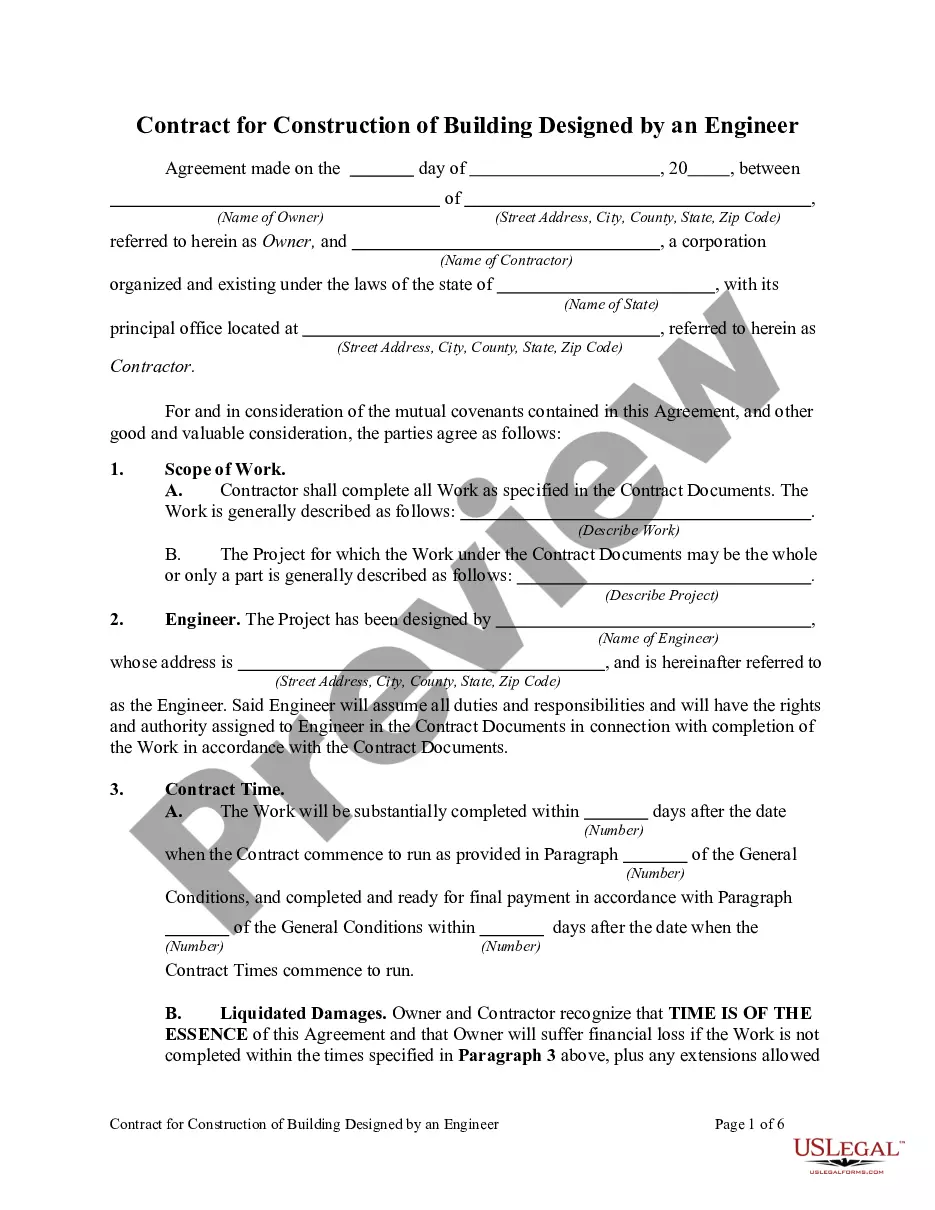
Form popularity
FAQ
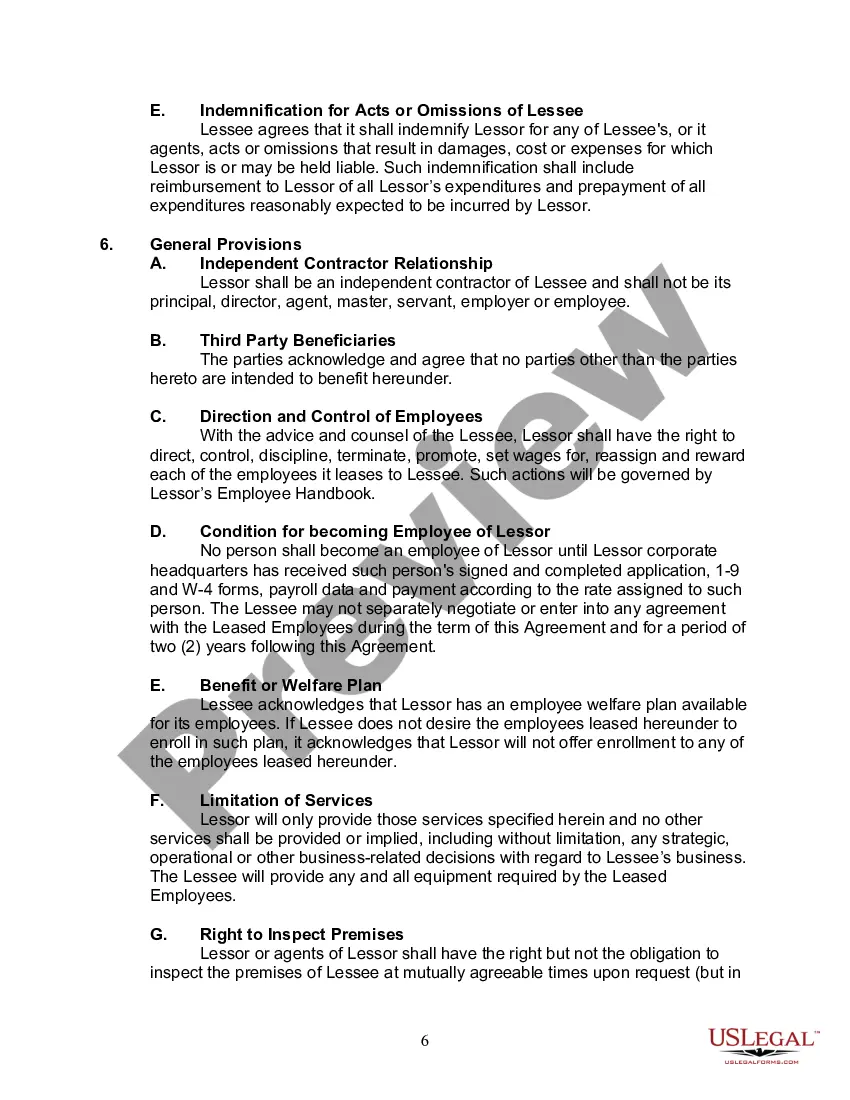
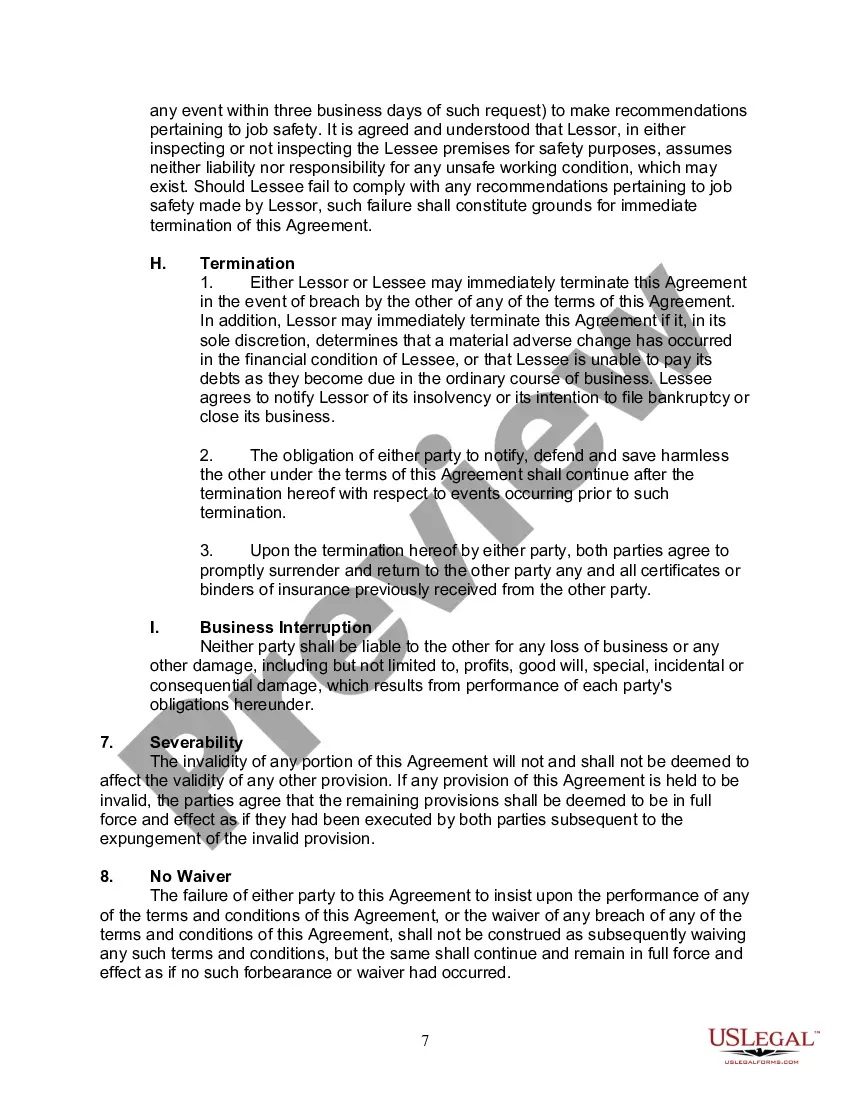
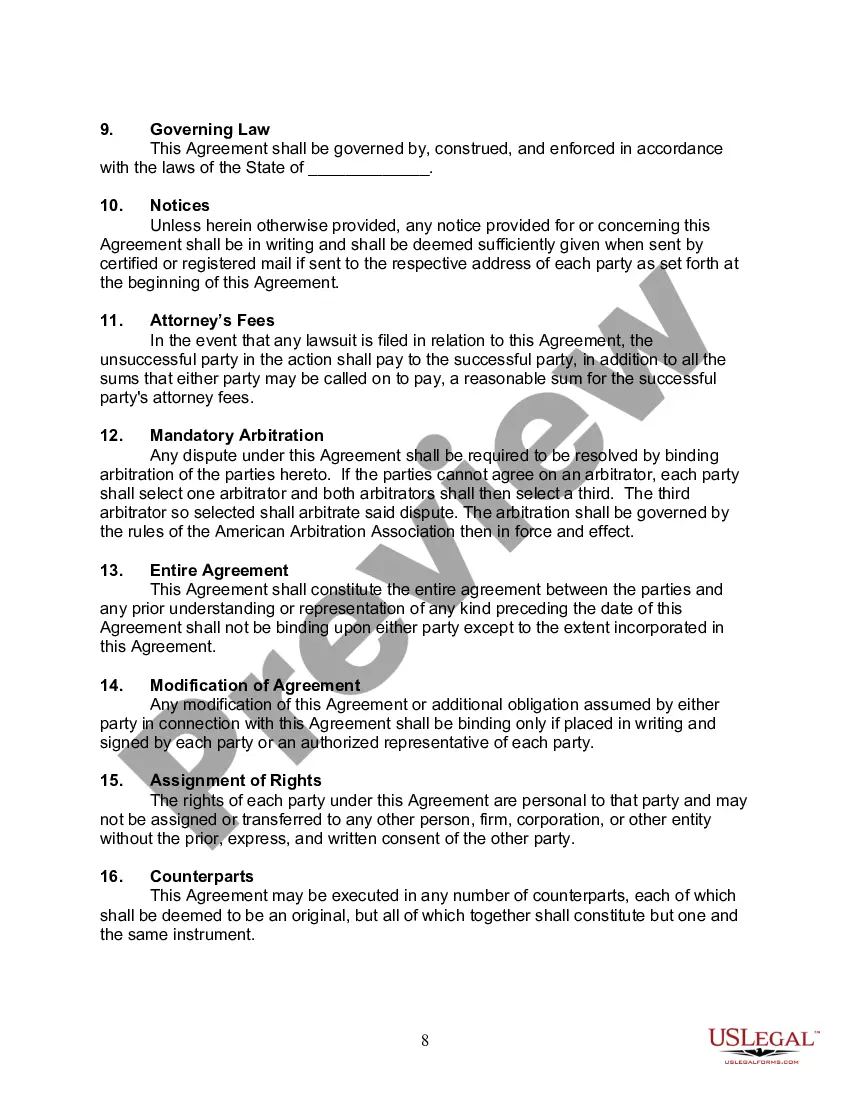
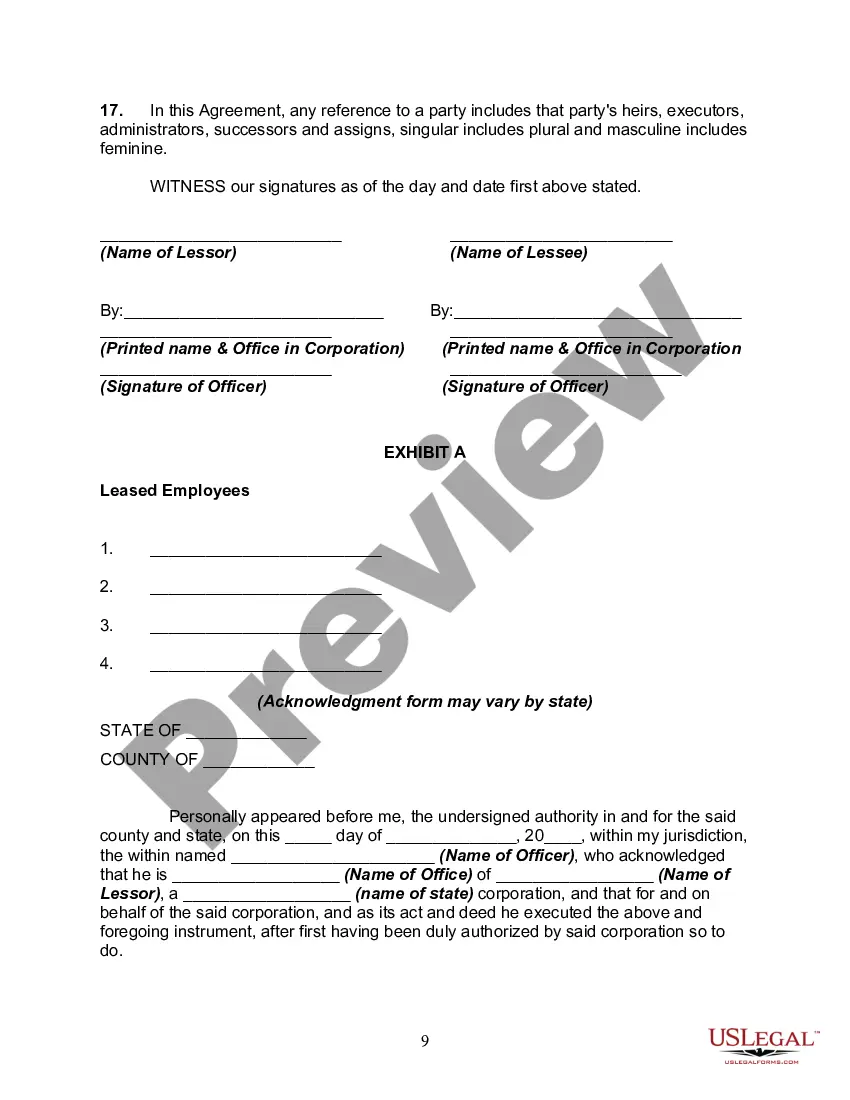
The essential components of a rent agreement include the names and addresses of the landlord and tenant, rental amount, security deposit, period of stay, maintenance charges, responsibilities and rights of both parties, and signatures of both parties.
Loss of Employment, Change of Employment, Job Transfer, Death in the immediate family, Long Term Illness, Partner or Roommate Breakup, or maybe even Lack of Maintenance by the owner, No Heat or Air Conditioning, Horrible Neighbors, or any other reason imaginable. The actual reason is secondary to the situation.
Who keeps the original rental agreement? The landlord of the property keeps the original copy of the rental agreement. However, the tenant will have the xerox of the rental agreement copy as it helps the tenant to go through the agreement terms in case of disputes.
In India, rent agreements are not legally required to be registered unless the term of the agreement is more than 12 months. Unregistered rent agreements are still popular but may not be admissible as evidence in court in case of disputes. It is advisable to register agreements for added legal validity.
Notice Period: If the agreement specifies a notice period for cancellation, you must adhere to it. This might involve providing written notice a certain number of days before the intended start date. Mutual Consent: If both the landlord and tenant agree to cancel the agreement, it can be done amicably.
This might involve providing written notice a certain number of days before the intended start date. Mutual Consent: If both the landlord and tenant agree to cancel the agreement, it can be done amicably. This should ideally be documented in writing to avoid future disputes.
Leases for Multiple Tenants: 8 Tips for Landlords #1: Encourage Roommate Agreements. #2: Advise That The Actions of One Tenant Can Affect Everyone. #3: Don't Allow Subleasing in the Rental Agreement. #4: Make Sure There is a Joint and Several Liability Clause Within the Lease Agreement. #5: Don't Divide Security Deposits.
What happens if one or more, but not all, tenants move out early? In most cases, all tenants are responsible for the entire term, or time period, of the lease unless the landlord and other tenants agree otherwise in writing.
An experienced attorney who has a detailed understanding of real estate law will help to ensure that the landlord's assets are protected to the full extent of the law and ensure that they have full recourse if the tenant is found to renege on their side of the contract by not paying rent on time or conducting illegal ...
