Employee Leasing Agreement Template With Benefits In Phoenix
Description

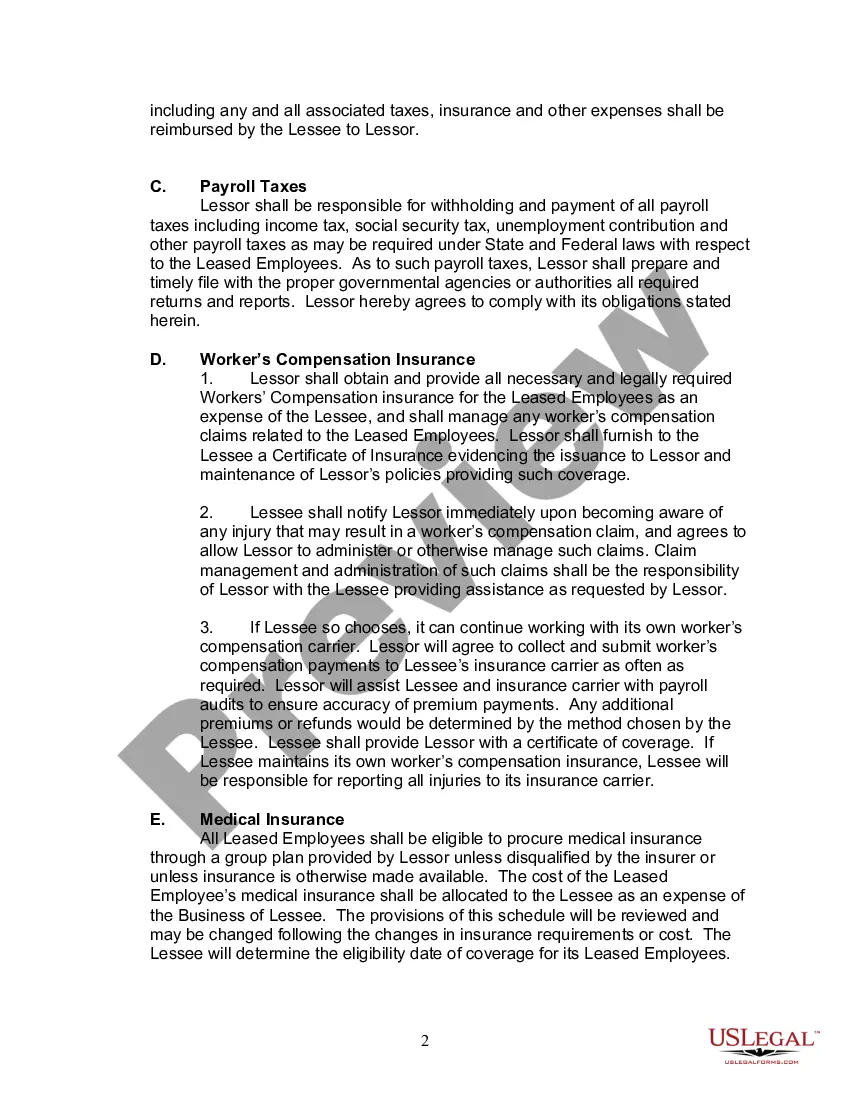
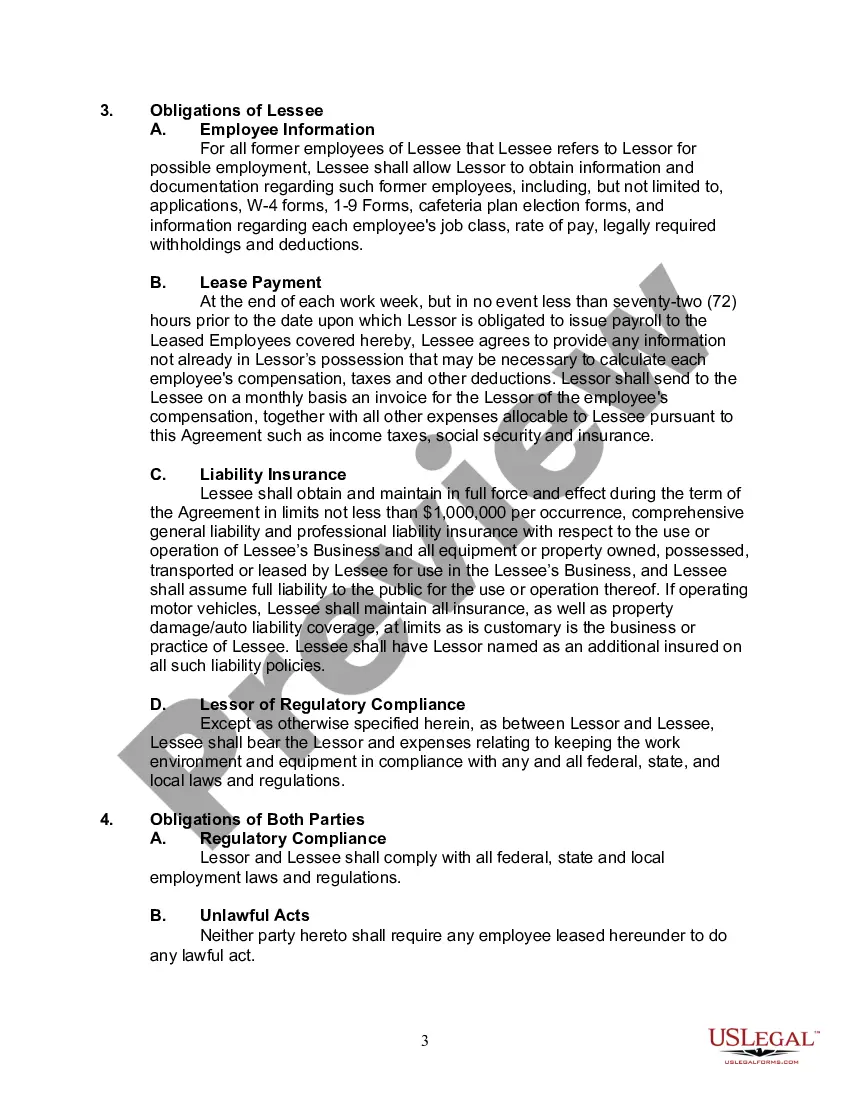
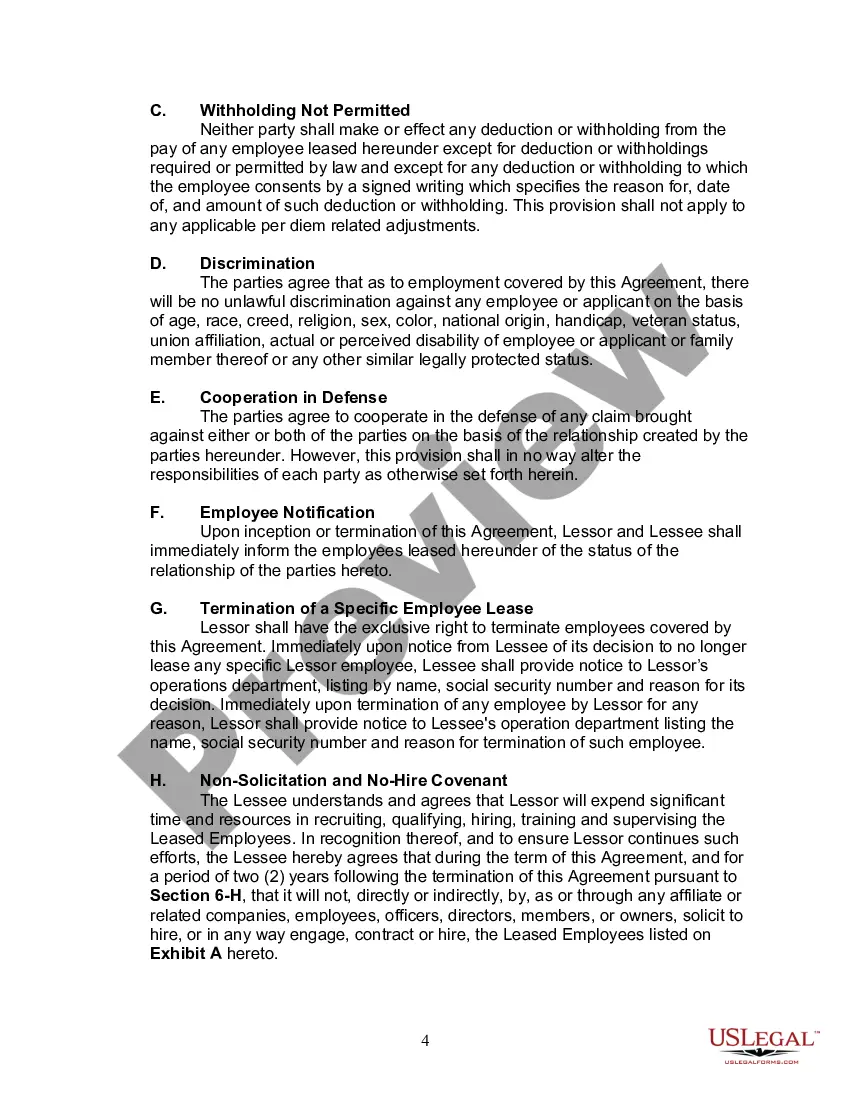
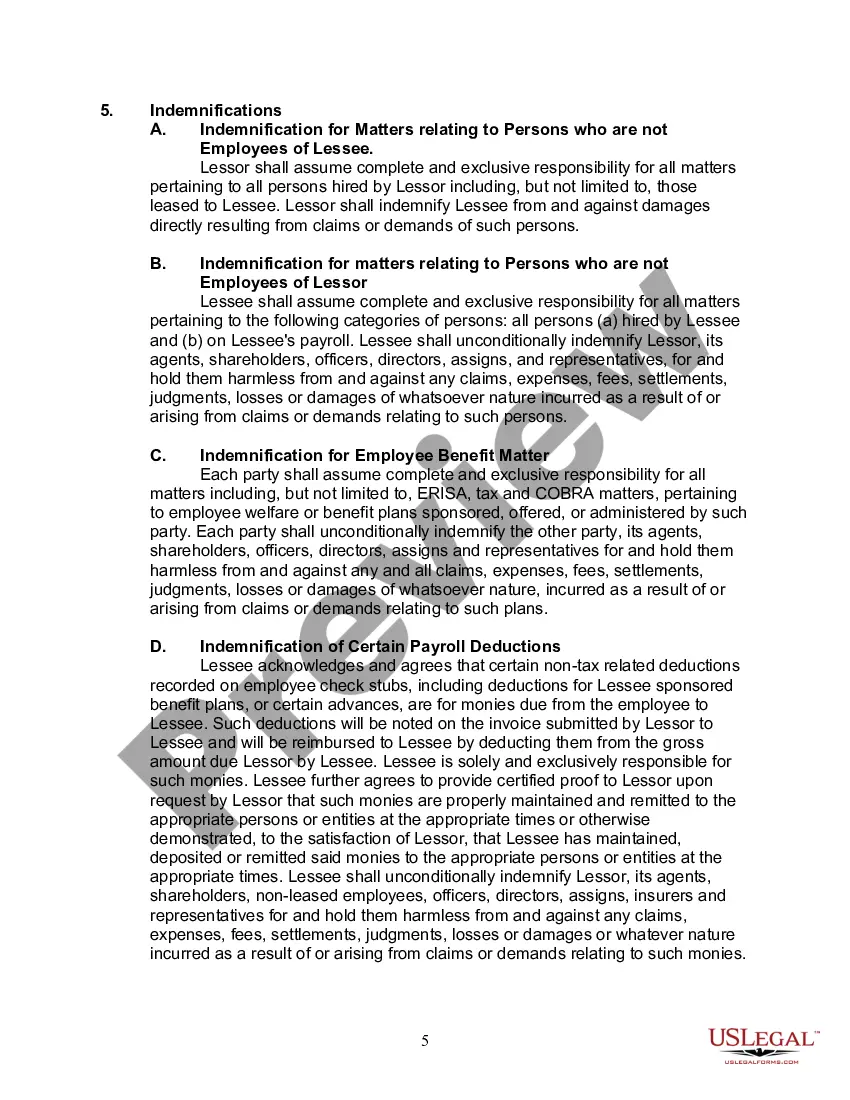
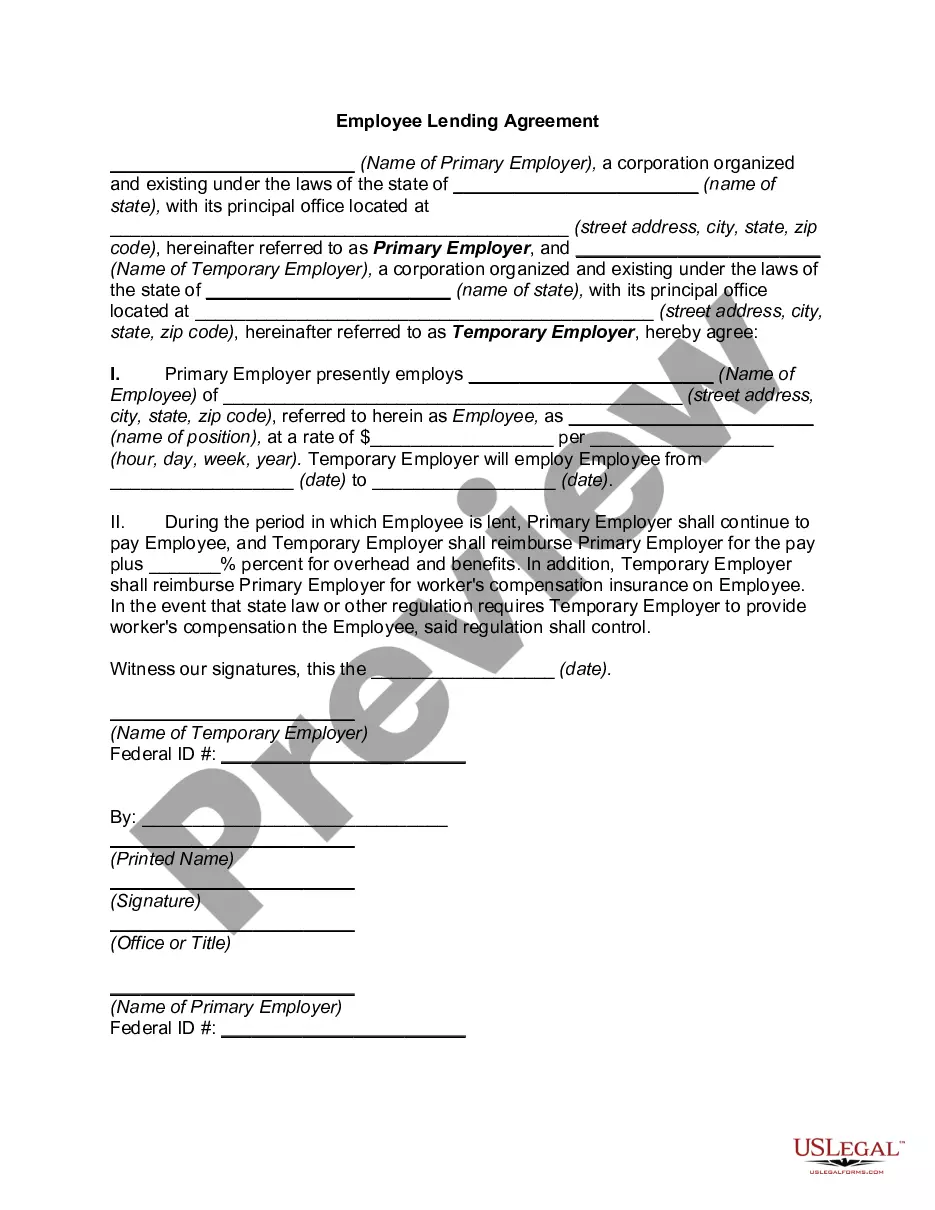
Get your form ready online
Our built-in tools help you complete, sign, share, and store your documents in one place.
Make edits, fill in missing information, and update formatting in US Legal Forms—just like you would in MS Word.
Download a copy, print it, send it by email, or mail it via USPS—whatever works best for your next step.
Sign and collect signatures with our SignNow integration. Send to multiple recipients, set reminders, and more. Go Premium to unlock E-Sign.
If this form requires notarization, complete it online through a secure video call—no need to meet a notary in person or wait for an appointment.
We protect your documents and personal data by following strict security and privacy standards.

Make edits, fill in missing information, and update formatting in US Legal Forms—just like you would in MS Word.

Download a copy, print it, send it by email, or mail it via USPS—whatever works best for your next step.

Sign and collect signatures with our SignNow integration. Send to multiple recipients, set reminders, and more. Go Premium to unlock E-Sign.

If this form requires notarization, complete it online through a secure video call—no need to meet a notary in person or wait for an appointment.

We protect your documents and personal data by following strict security and privacy standards.
Looking for another form?







Form popularity
FAQ
While leased employees are legally employed by a PEO, they work under the day-to-day management and supervision of the leasing business — much like any other employee. This generally gives the leasing business control over how they spend their time, which tools they use to perform their work, their deadlines, and more.
Drawbacks of employee leasing Less control: One of the greatest risks of employee leasing is that you're delegating an important part of your business to an outside company that doesn't know your business as well as you do. You lose control of your processes, systems and benefits.
An employee leasing agency will provide you with temporary workers, but a PEO doesn't. In a co-employment arrangement, you supply and manage your own workforce, while the PEO helps you handle HR administration.
California law has stipulated the requirements for classifying an employee as a temporary agency employee. These requirements include the right of the agency to assign and reassign a worker, but the workers have the right to refuse an assignment and remain on the agency's hiring list.
It is possible to draft your own lease agreement, but you are leaving yourself open to issues.
Leased employees may be eligible for benefits through the leasing agency that employs them.
While leased employees are legally employed by a PEO, they work under the day-to-day management and supervision of the leasing business — much like any other employee.
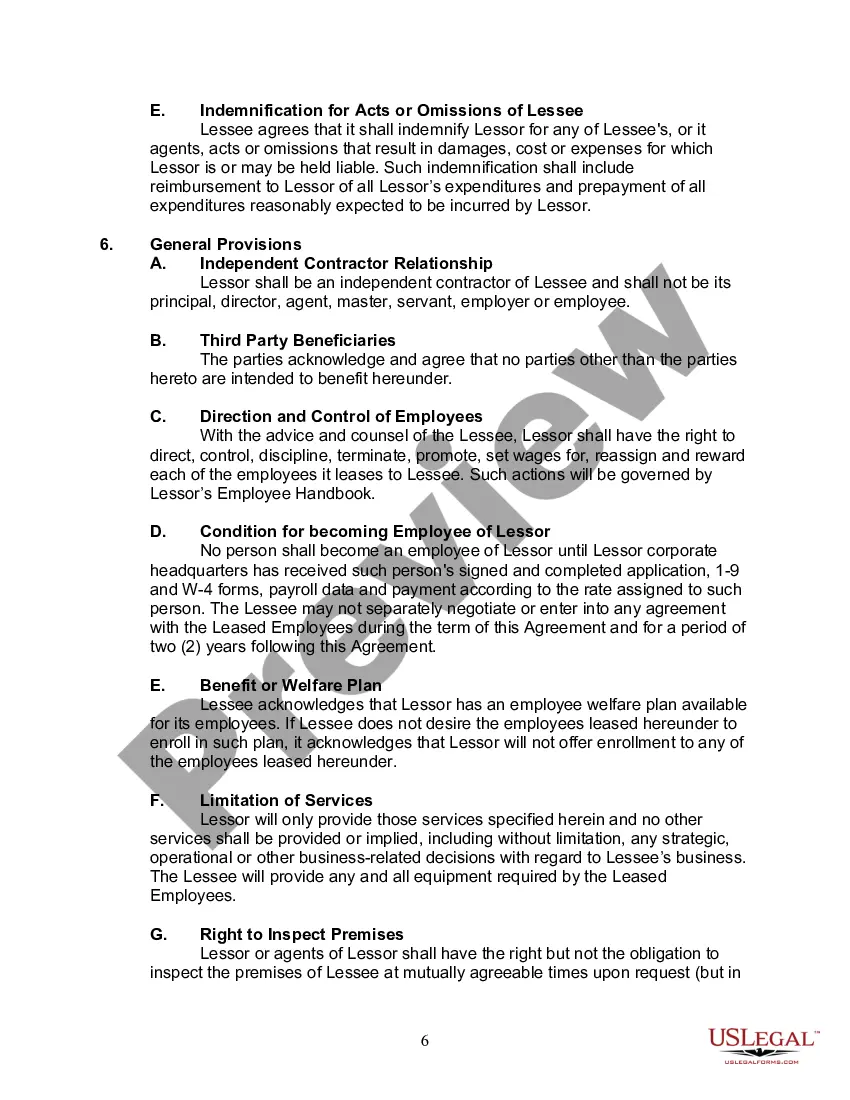
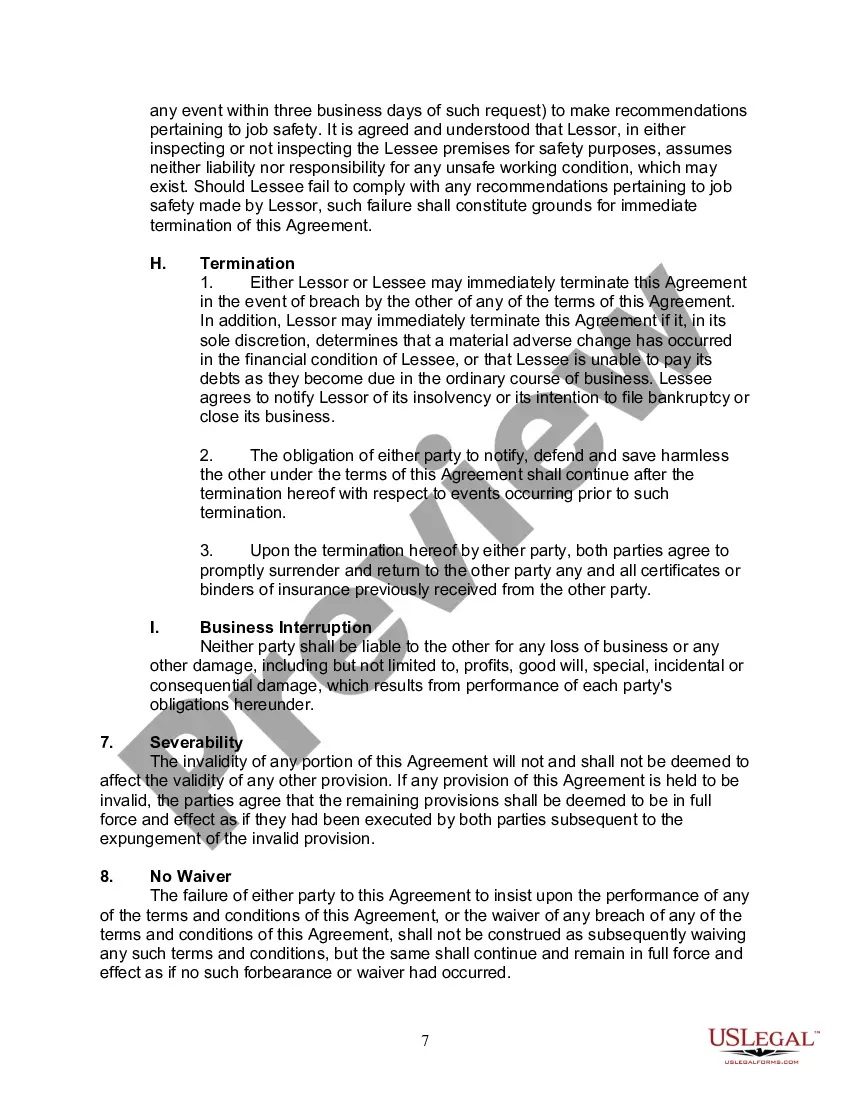
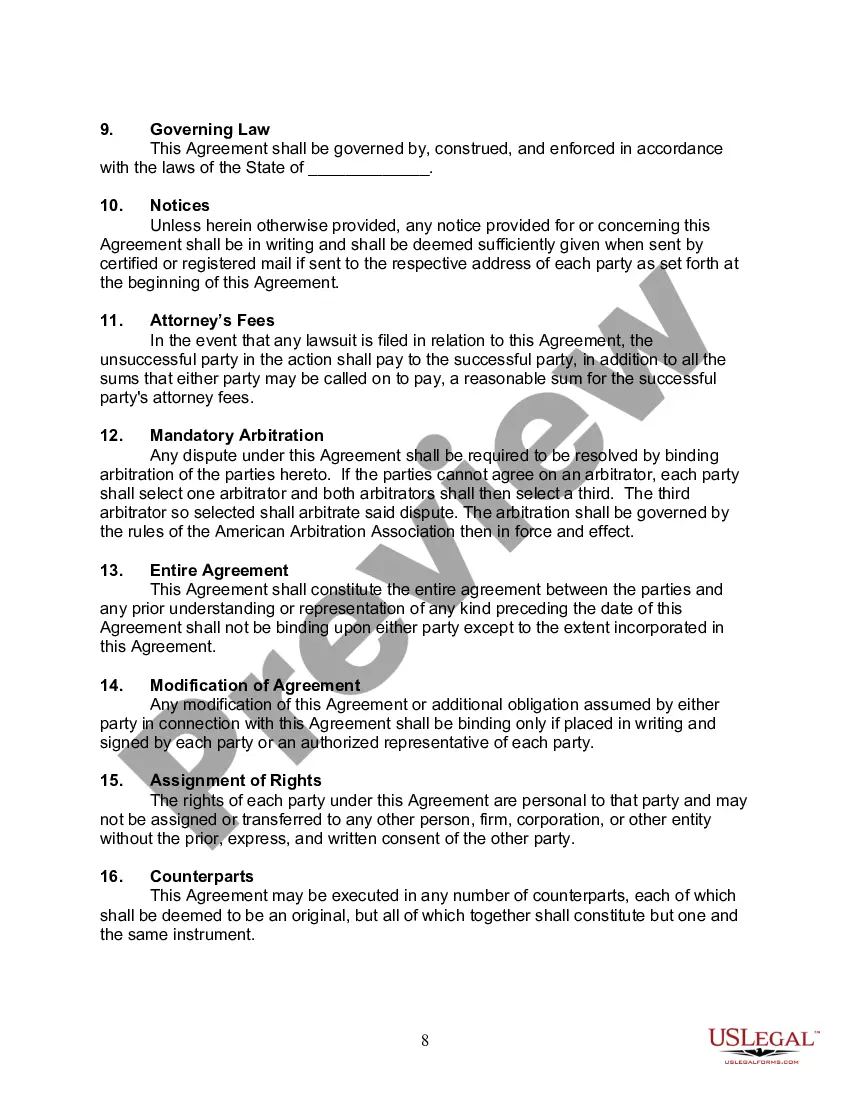
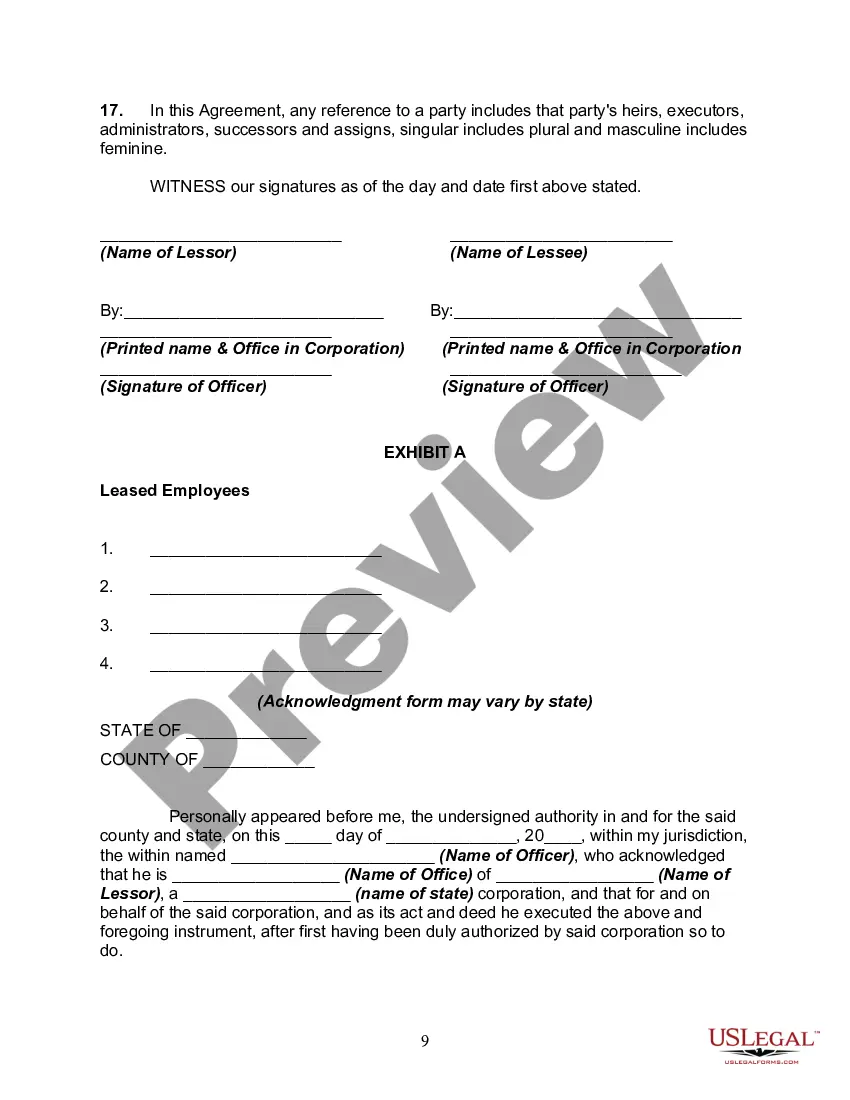
Handwritten contracts are legally binding if they meet the necessary conditions that apply to all contracts: mutual agreement, capacity, consideration, and legal validity. There are no legal differences between typed and handwritten agreements when it comes to enforceability.
