Employee Rental Agreement With Multiple Tenants India In North Carolina
Description

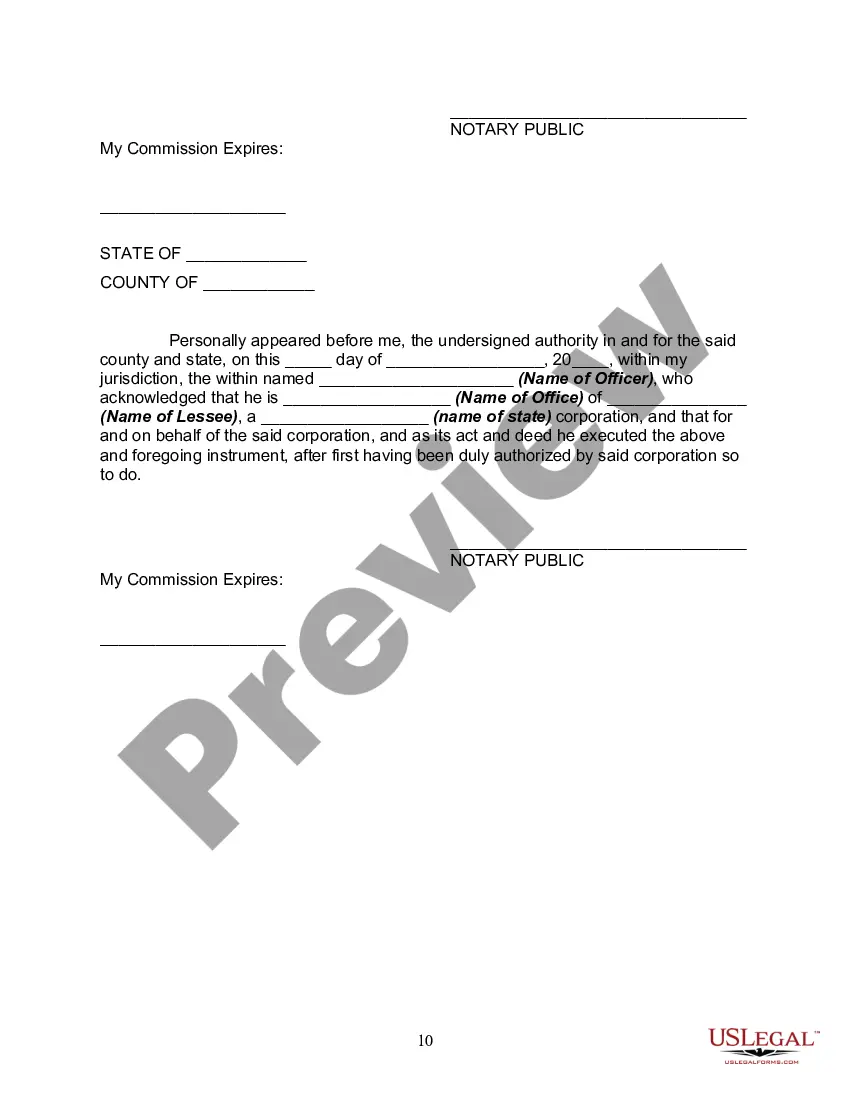
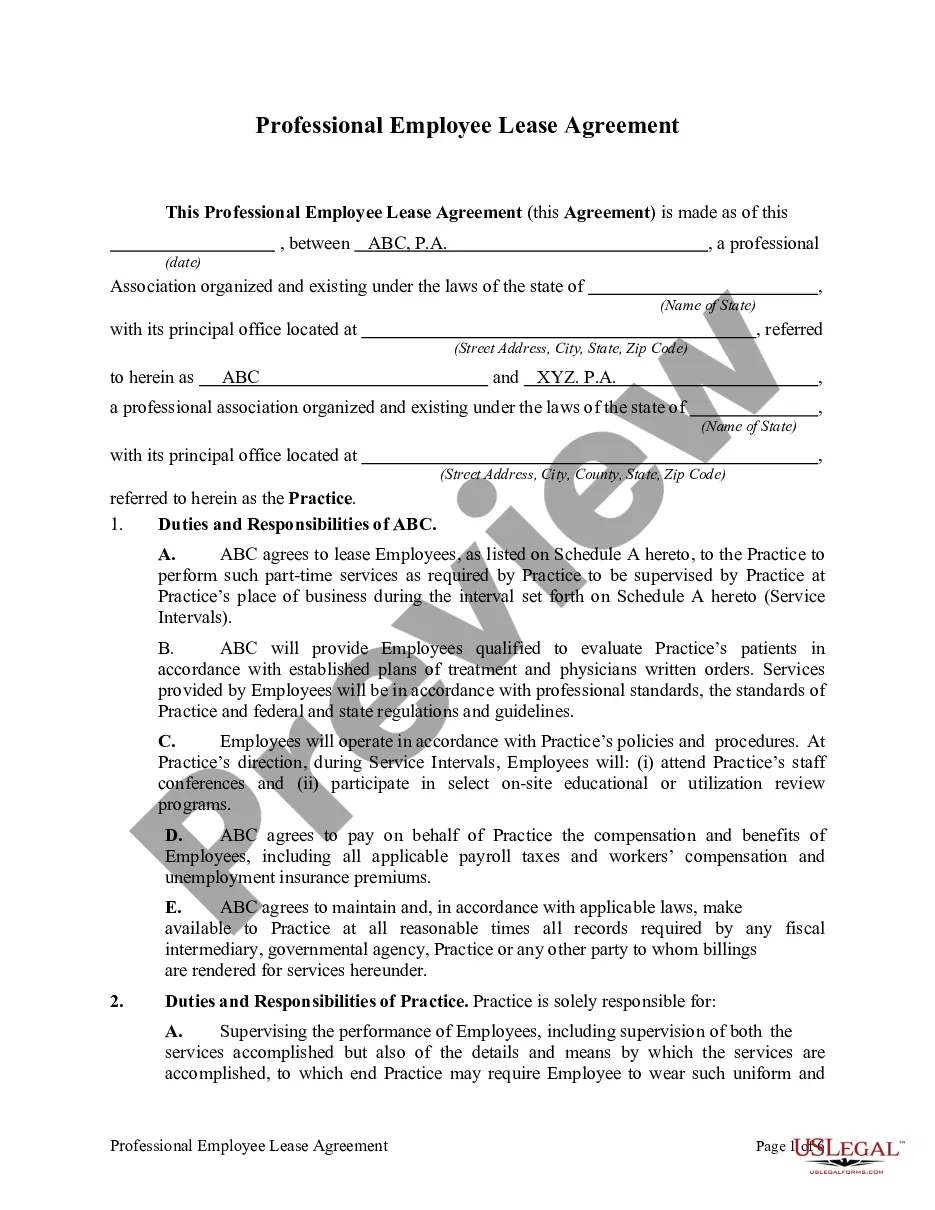
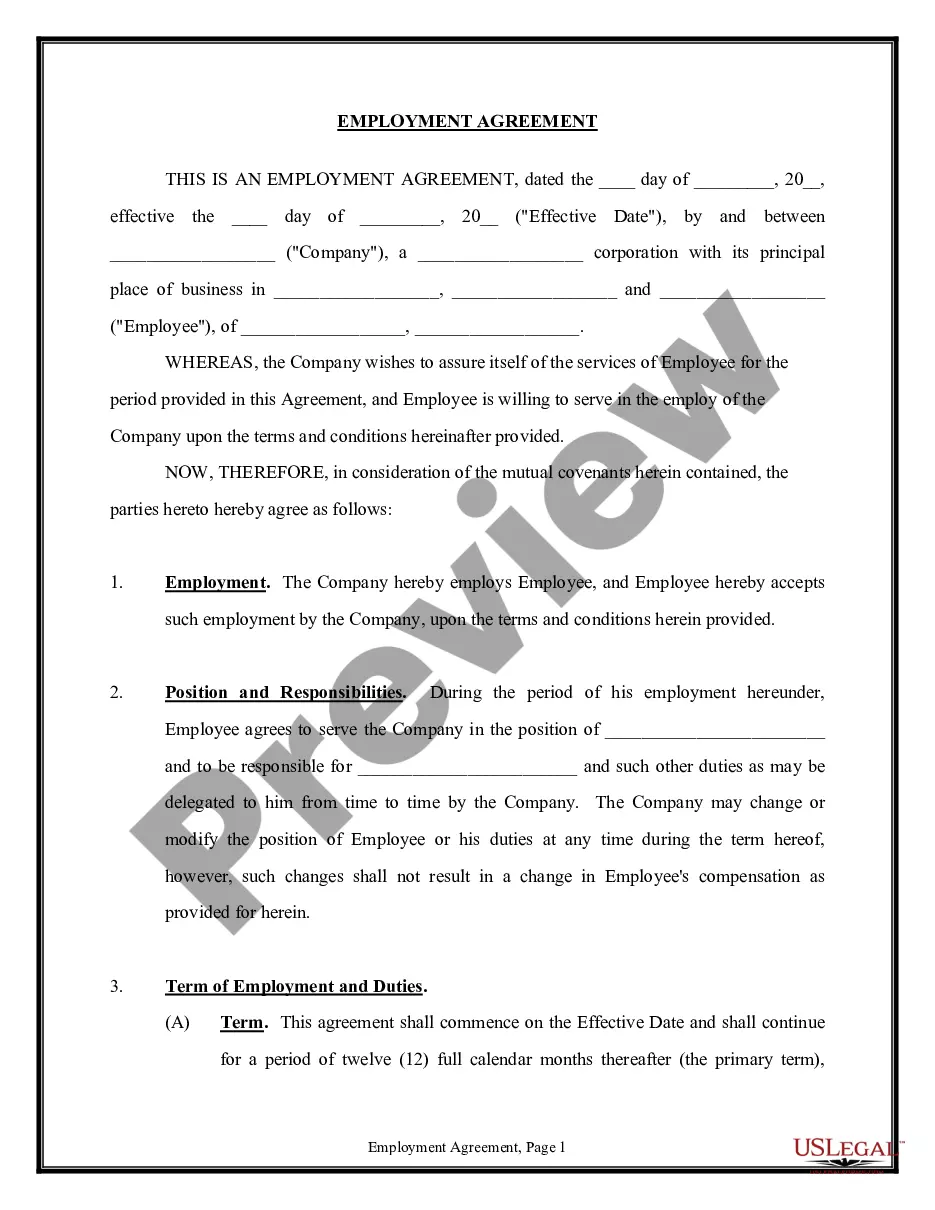
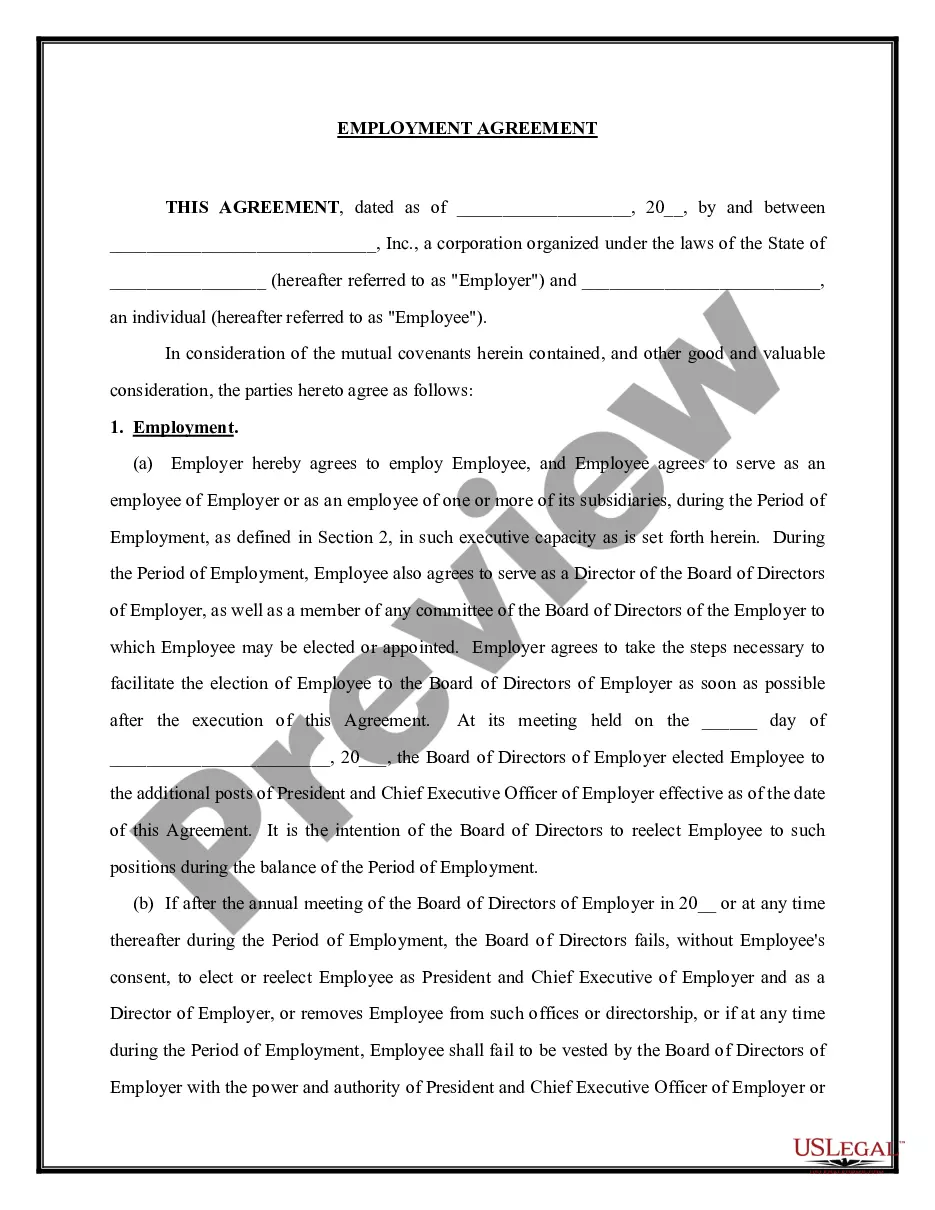
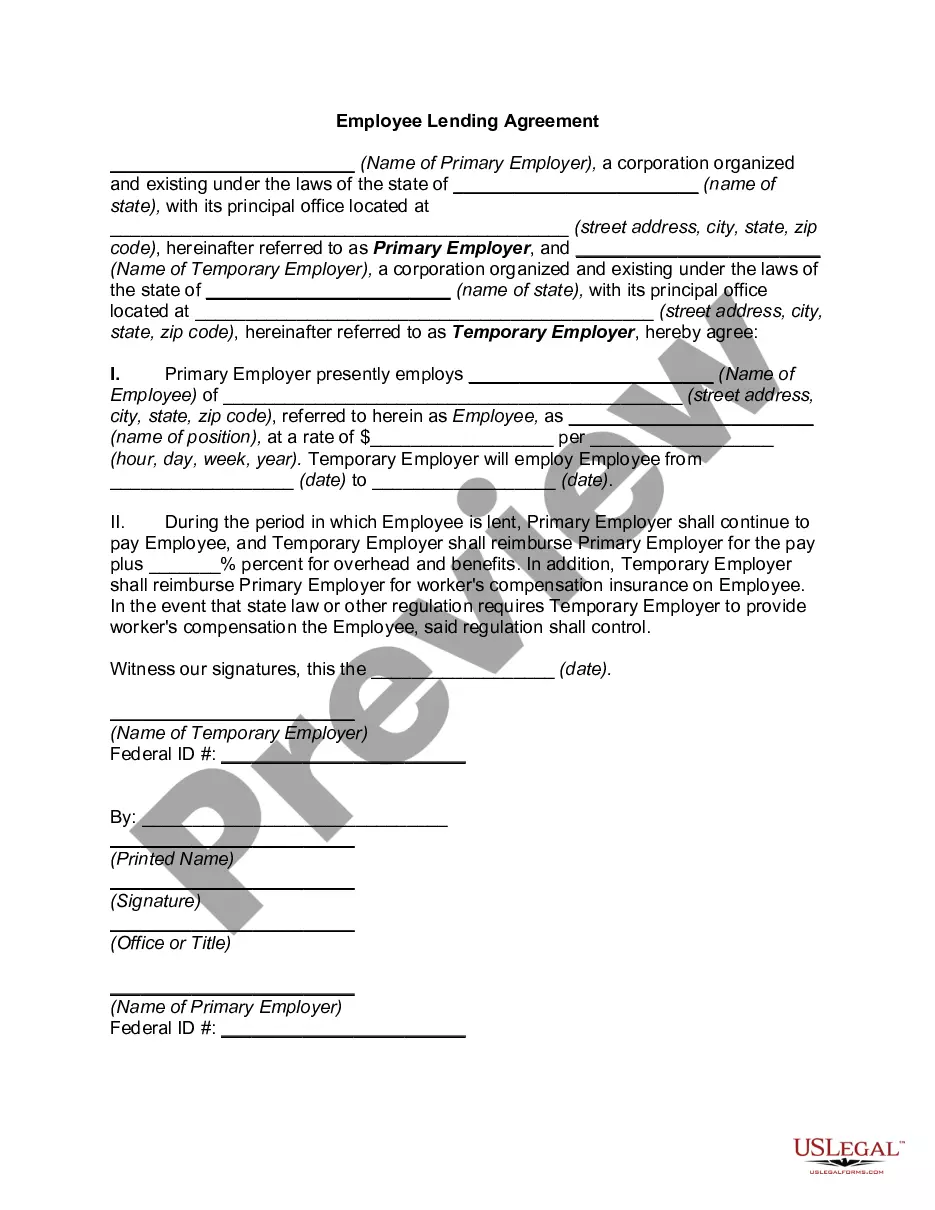
Get your form ready online
Our built-in tools help you complete, sign, share, and store your documents in one place.
Make edits, fill in missing information, and update formatting in US Legal Forms—just like you would in MS Word.
Download a copy, print it, send it by email, or mail it via USPS—whatever works best for your next step.
Sign and collect signatures with our SignNow integration. Send to multiple recipients, set reminders, and more. Go Premium to unlock E-Sign.
If this form requires notarization, complete it online through a secure video call—no need to meet a notary in person or wait for an appointment.
We protect your documents and personal data by following strict security and privacy standards.

Make edits, fill in missing information, and update formatting in US Legal Forms—just like you would in MS Word.

Download a copy, print it, send it by email, or mail it via USPS—whatever works best for your next step.

Sign and collect signatures with our SignNow integration. Send to multiple recipients, set reminders, and more. Go Premium to unlock E-Sign.

If this form requires notarization, complete it online through a secure video call—no need to meet a notary in person or wait for an appointment.

We protect your documents and personal data by following strict security and privacy standards.
Looking for another form?
Form popularity
FAQ
#1: Encourage Roommate Agreements. #2: Advise That The Actions of One Tenant Can Affect Everyone. #3: Don't Allow Subleasing in the Rental Agreement. #4: Make Sure There is a Joint and Several Liability Clause Within the Lease Agreement. #5: Don't Divide Security Deposits. #6: Ask the Tenants To Appoint a Representative.
The North Carolina Residential Rental Agreements Act was passed by the General Assembly in 1977 to define the duties of both the landlord and the tenant with respect to the maintenance and repair of the premises. It has been amended several times since then to address additional duties.
Here's a list of standard fields that you should include in your lease agreement: Tenant information. Include each tenant's full name and contact information. Rental property description. Security deposit. Monthly rent amount. Utilities. Lease term. Policies. Late fees.
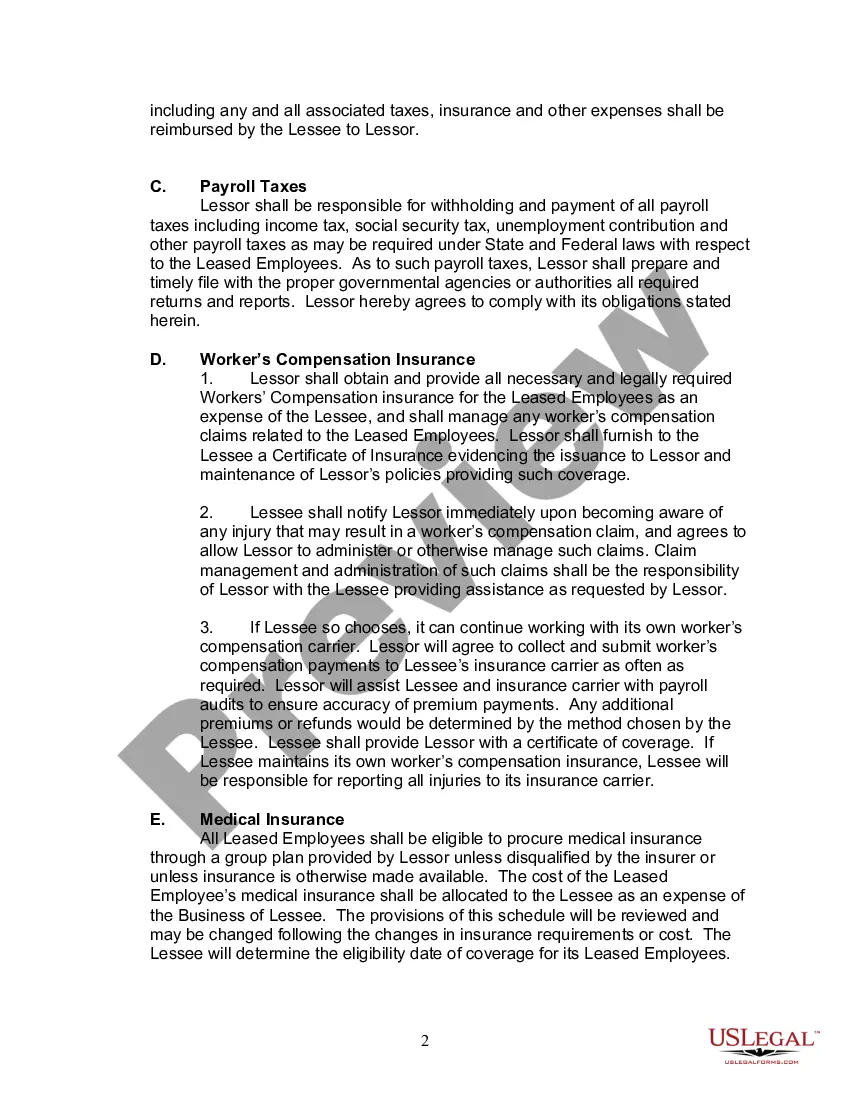
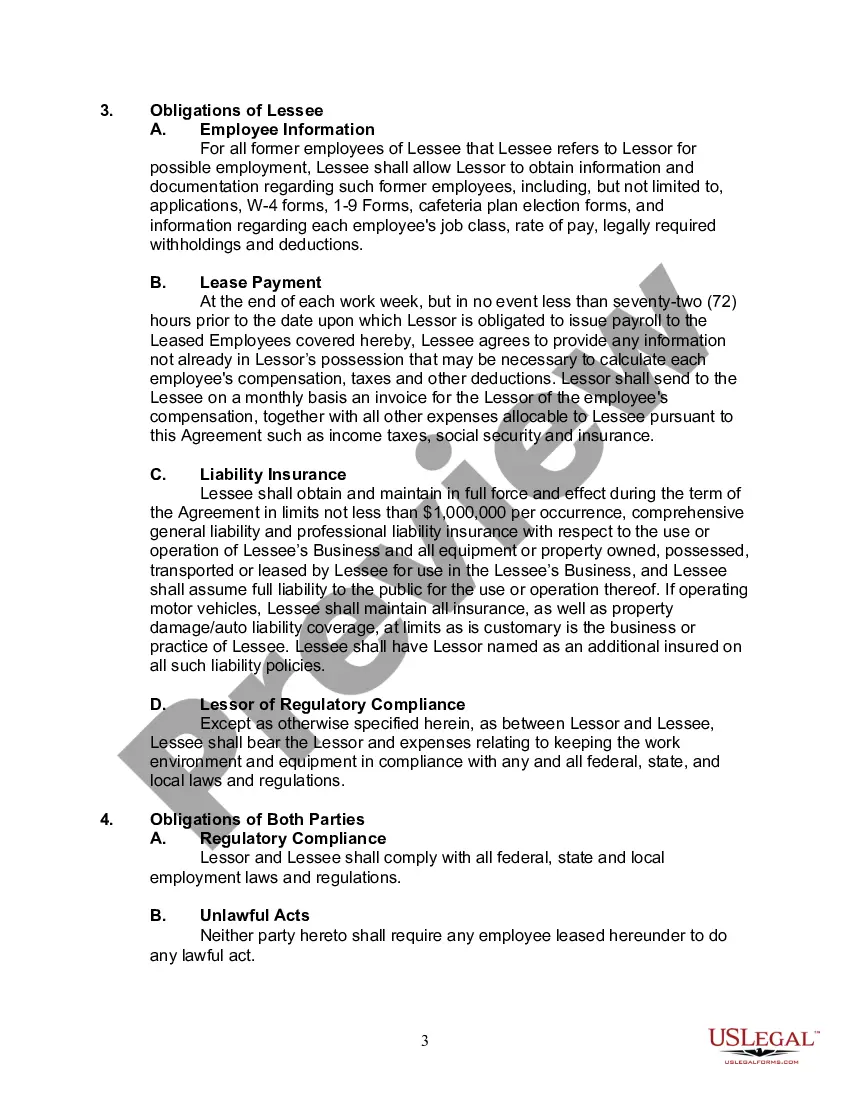
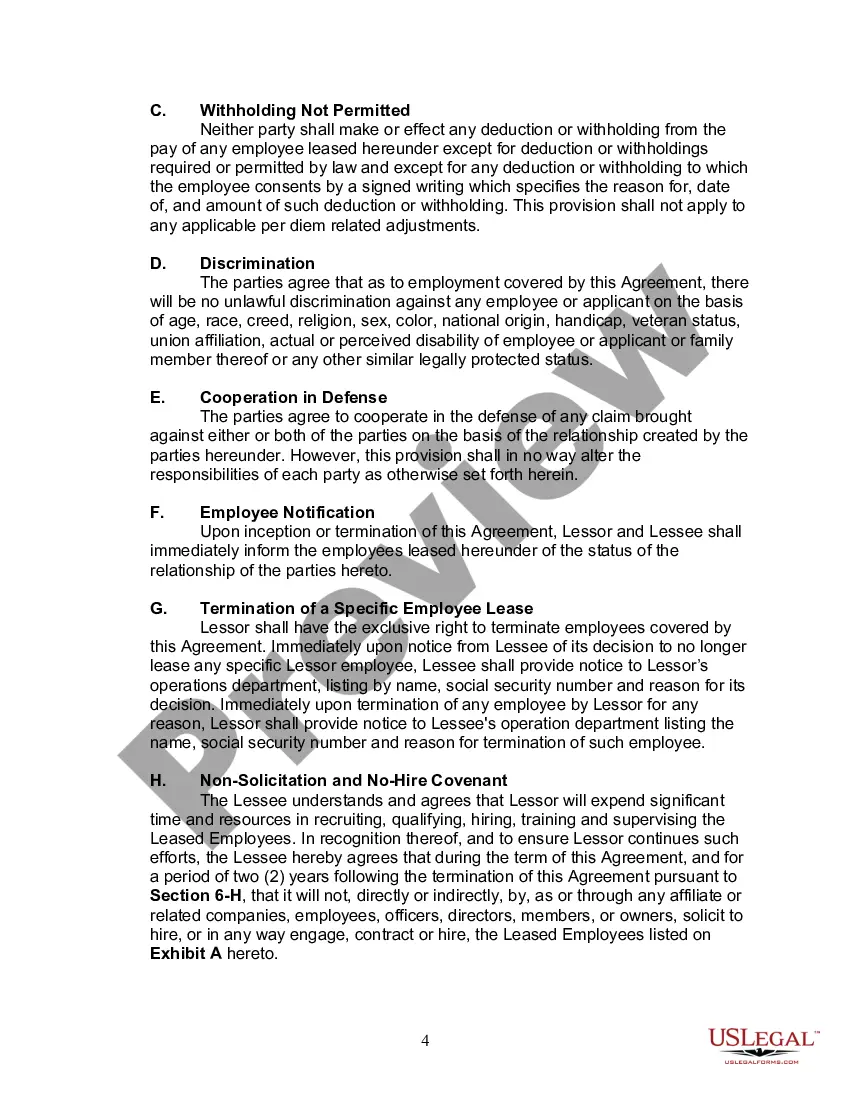
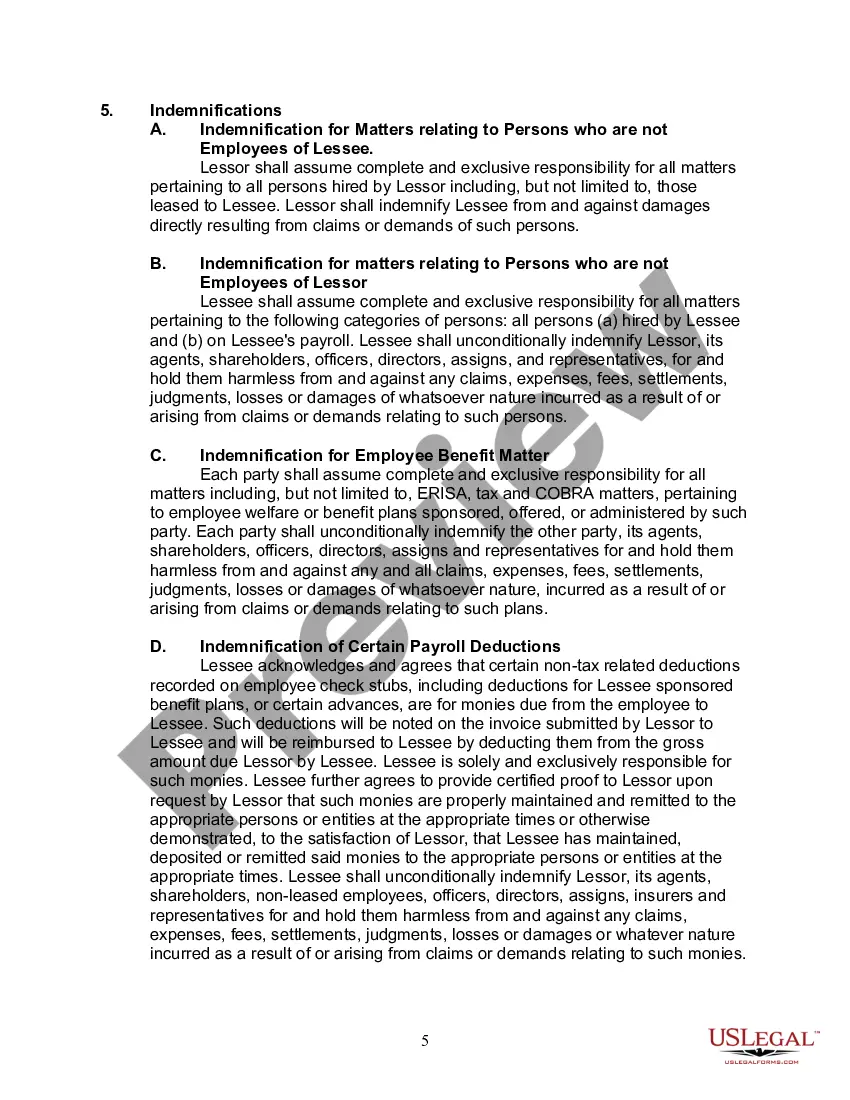
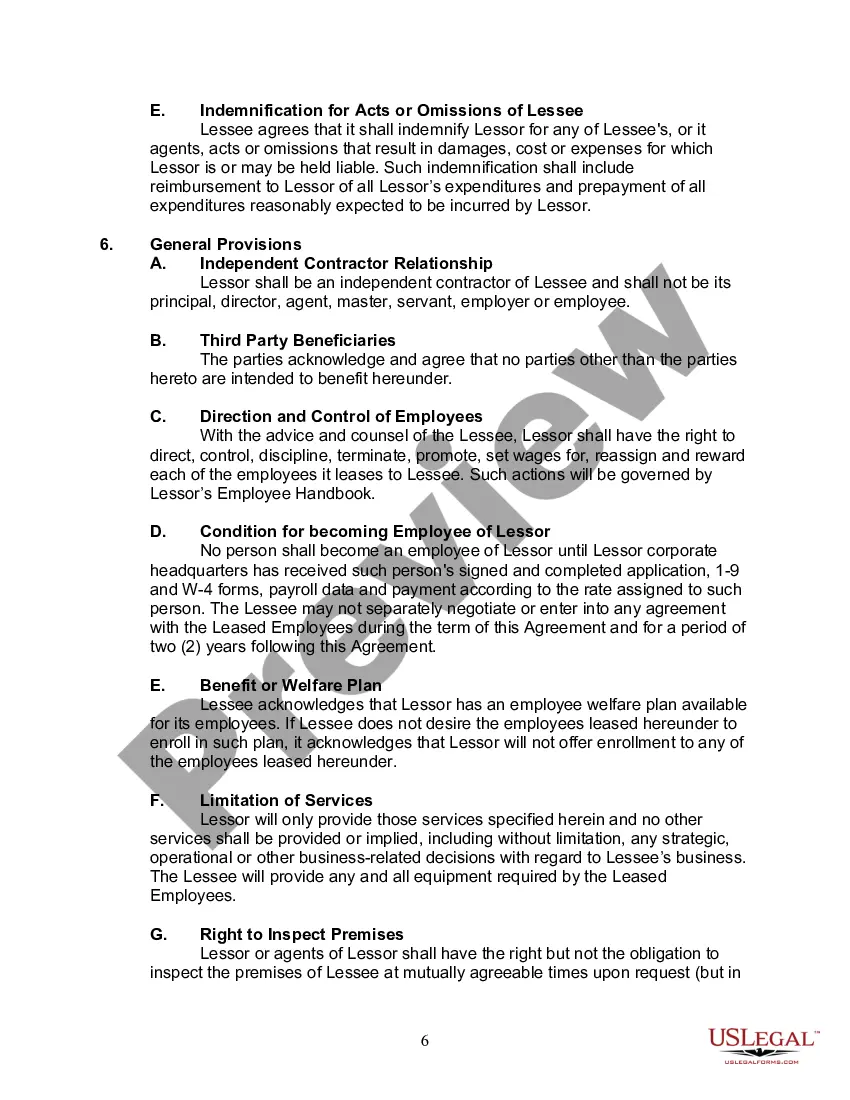
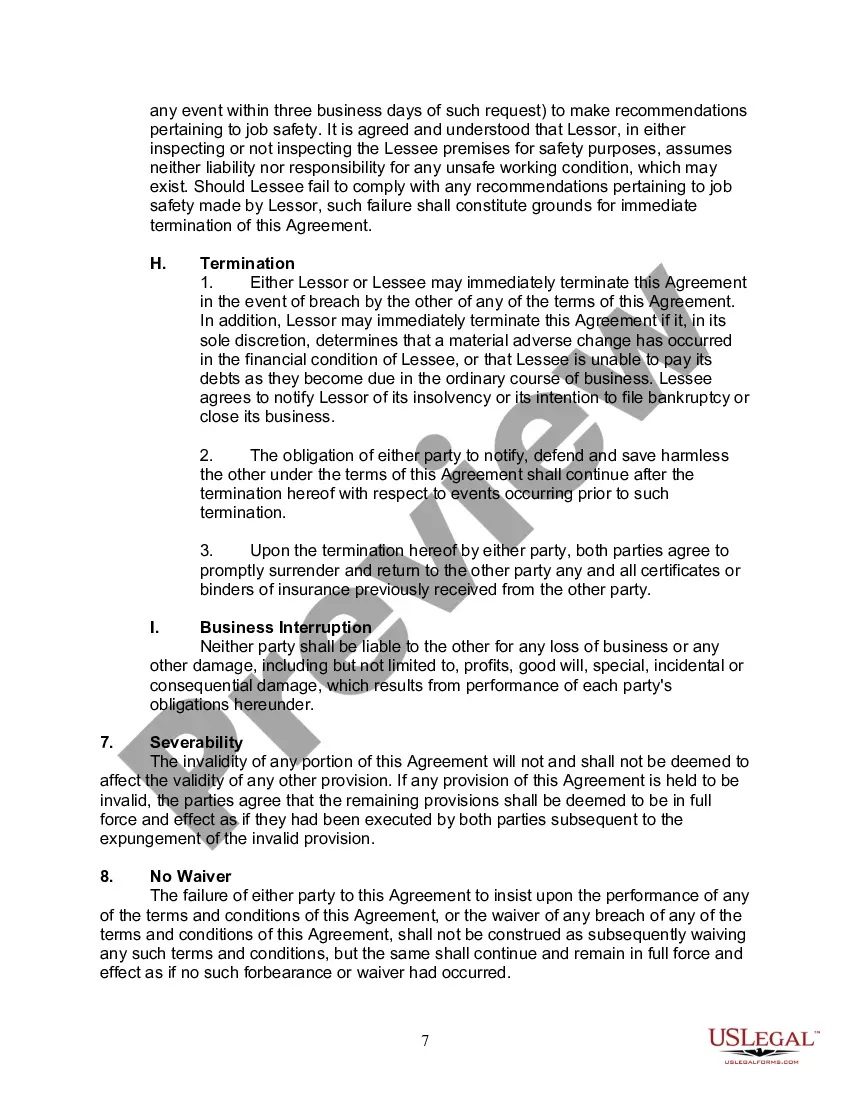
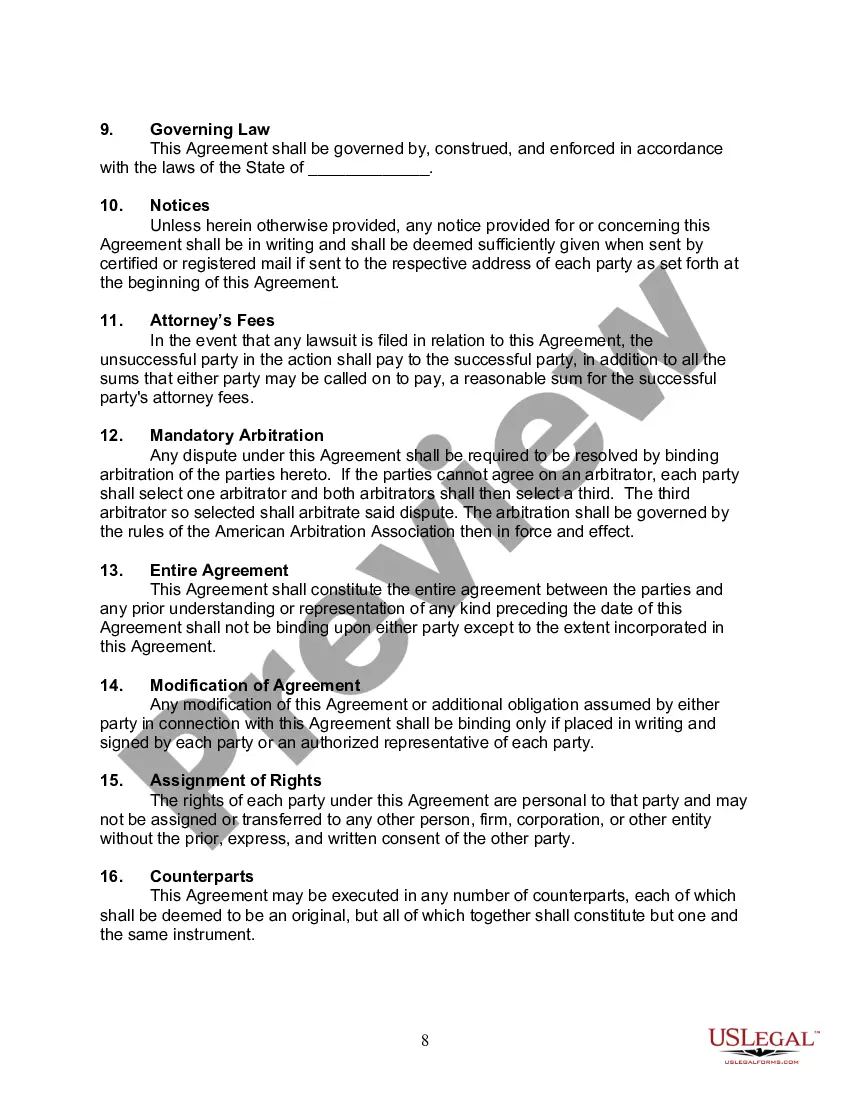
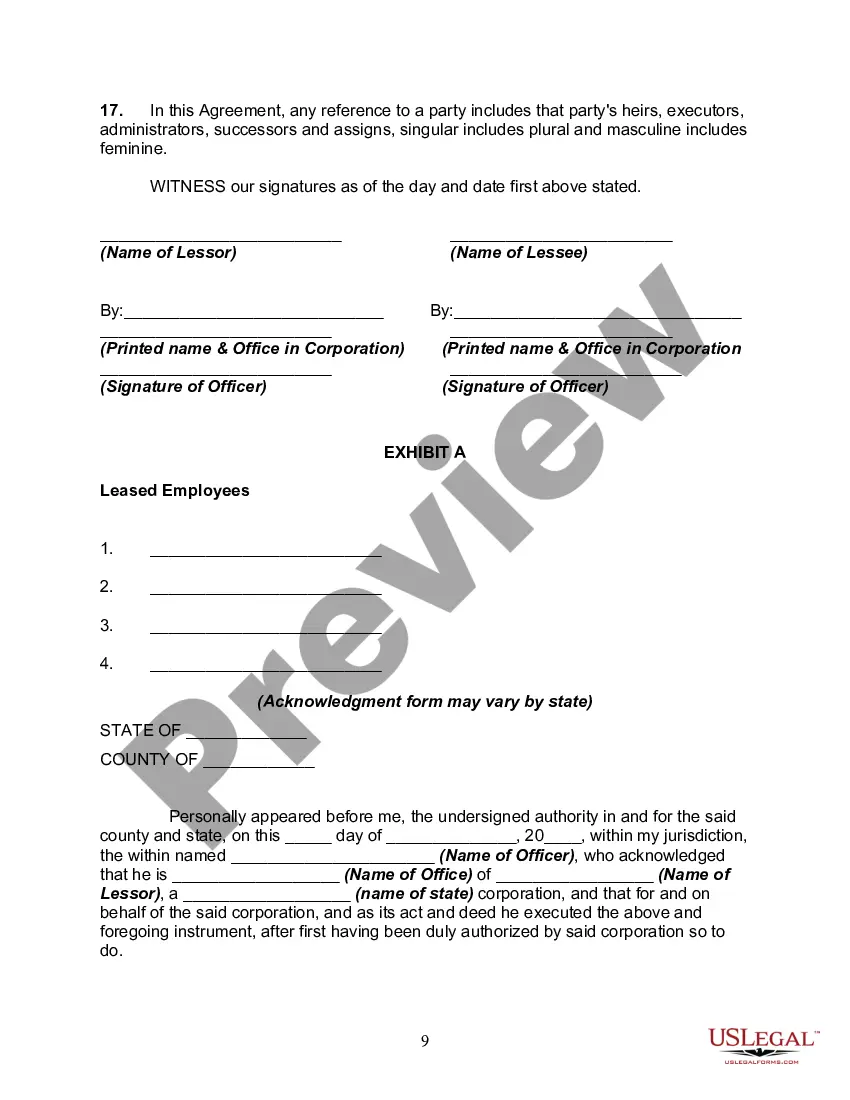
Verbal and written lease agreements are recognized, with provisions for both parties' obligations.
Handwritten contracts are legally binding if they meet the necessary conditions that apply to all contracts: mutual agreement, capacity, consideration, and legal validity. There are no legal differences between typed and handwritten agreements when it comes to enforceability.
Before the lease is signed, it's a good idea to let all tenants know the actions of one person can have potentially negative consequences for everyone living in the rental unit. Make sure they understand even if just one person violates all or part of the lease, you can terminate everyone's tenancy as a result.
Joint responsibility is the idea that each tenant is responsible for all lease obligations. This applies in situations where you have a single Lease Agreement with multiple tenants on the lease.
Laws determining occupancy limits vary from state to state, with some regions having stringent mandates and others having next to none. For example, California law enforces a “two plus one” formula for its occupancy limits, meaning two people can occupy each bedroom, with one additional person in a living space.
You can rent more than one apartment in your name. However, whether or not you can actually pull this off has to do with if you can cover the rent and meet all of the obligations of both leases simultaneously. A lot of people simply cannot afford to have more than one rent check to write each month.
Offering multiple tenant leases for your single-family rental property may make sense for your situation if the market and location are right. For example, single-family rental homes in college towns can often generate higher returns by renting to multiple individuals than to a single tenant.
