Employee Form Document For Editing In Montgomery
Description

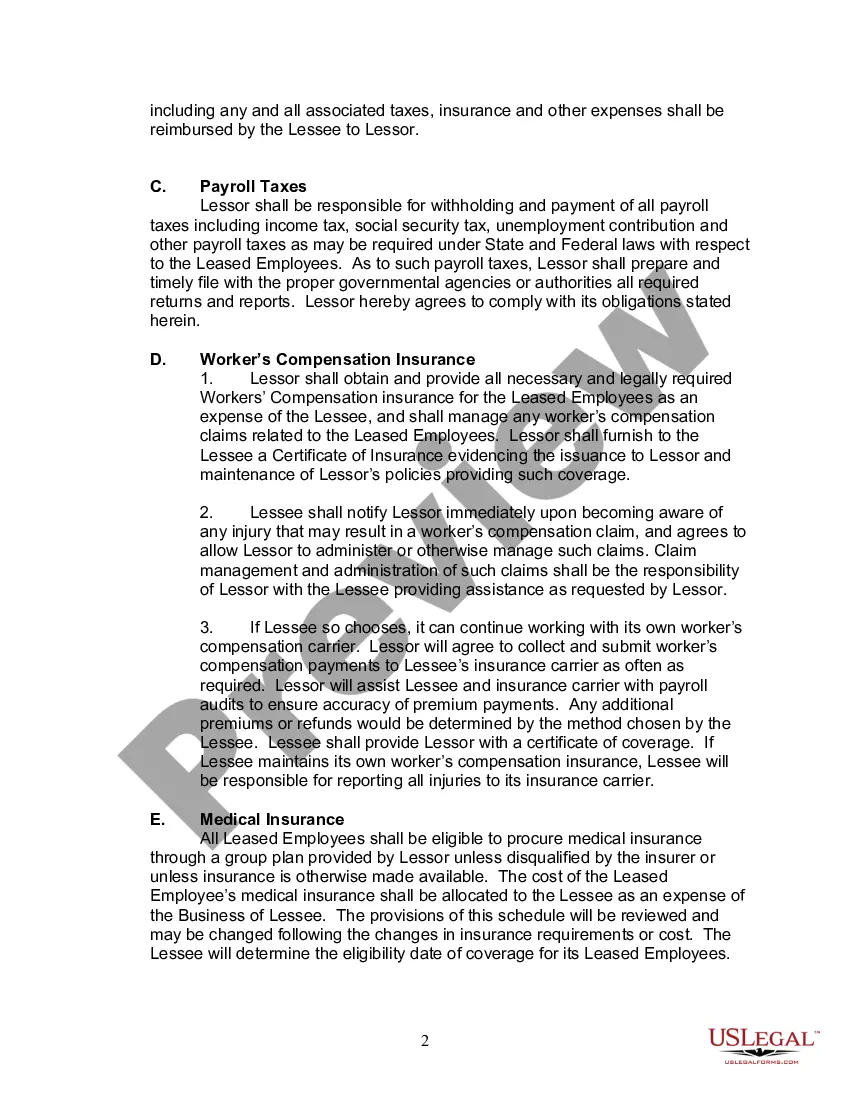
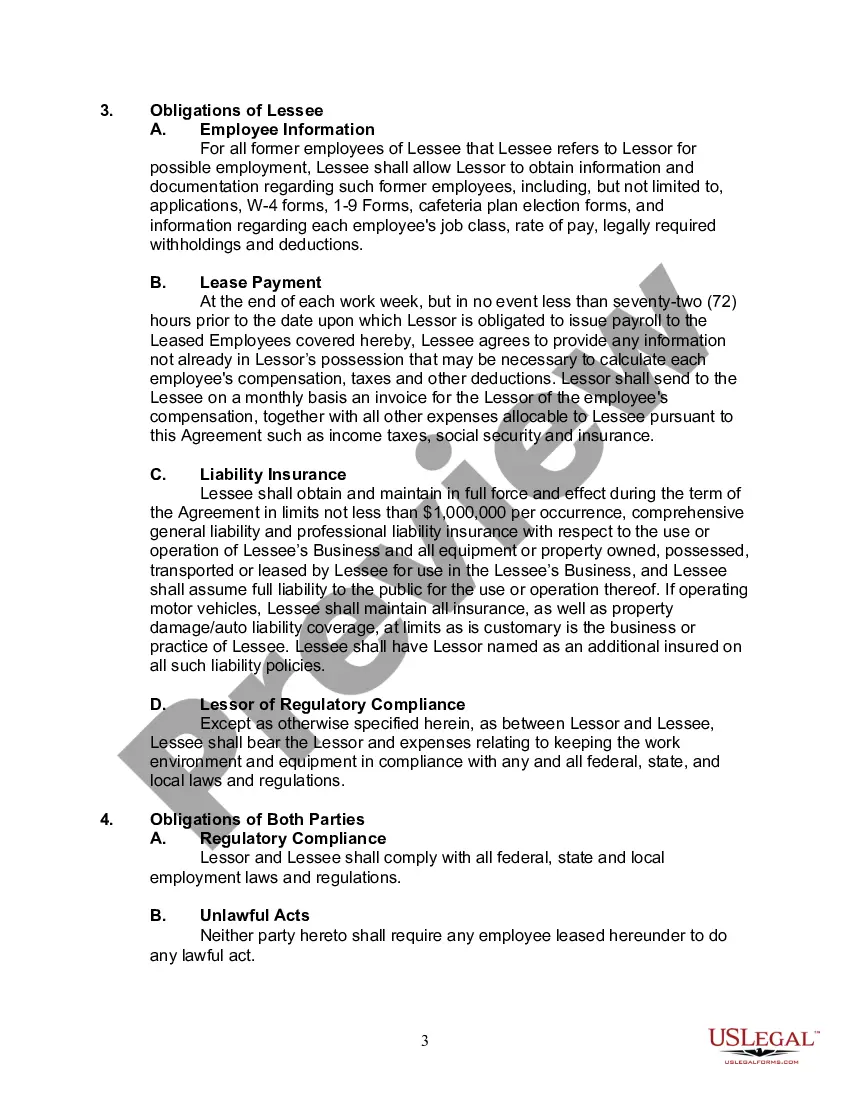
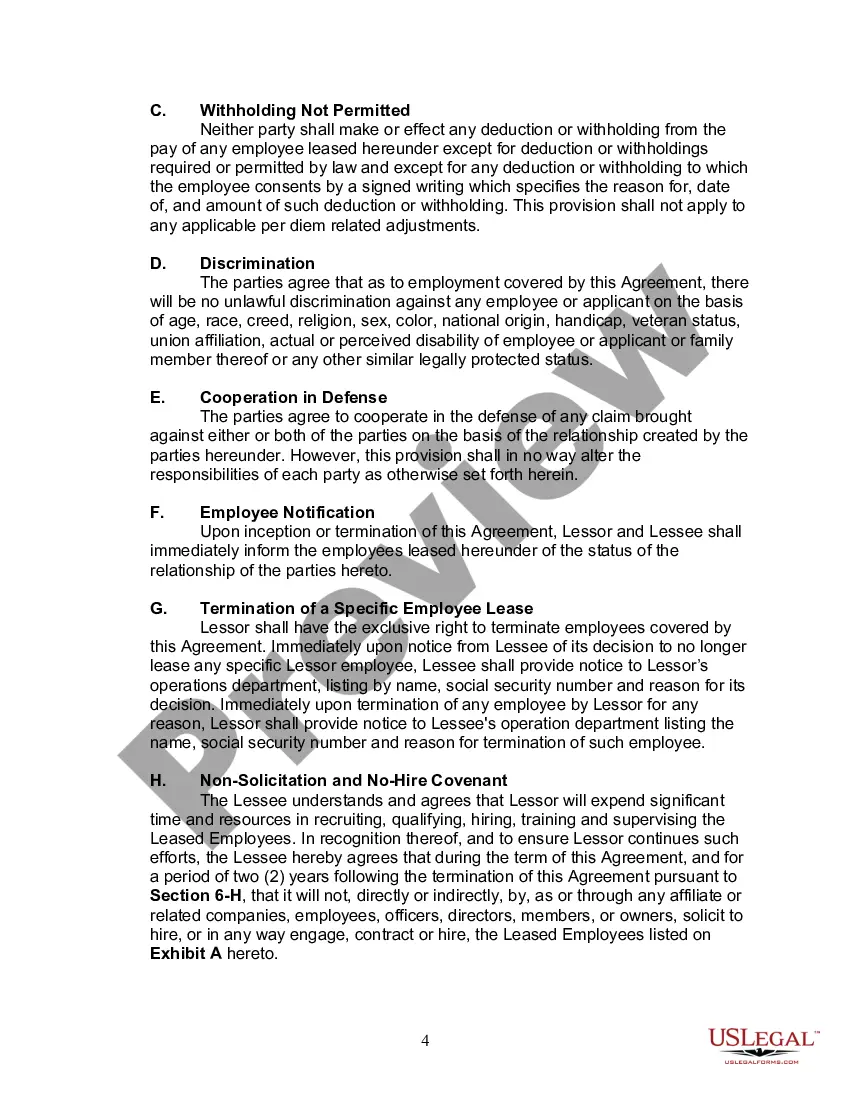
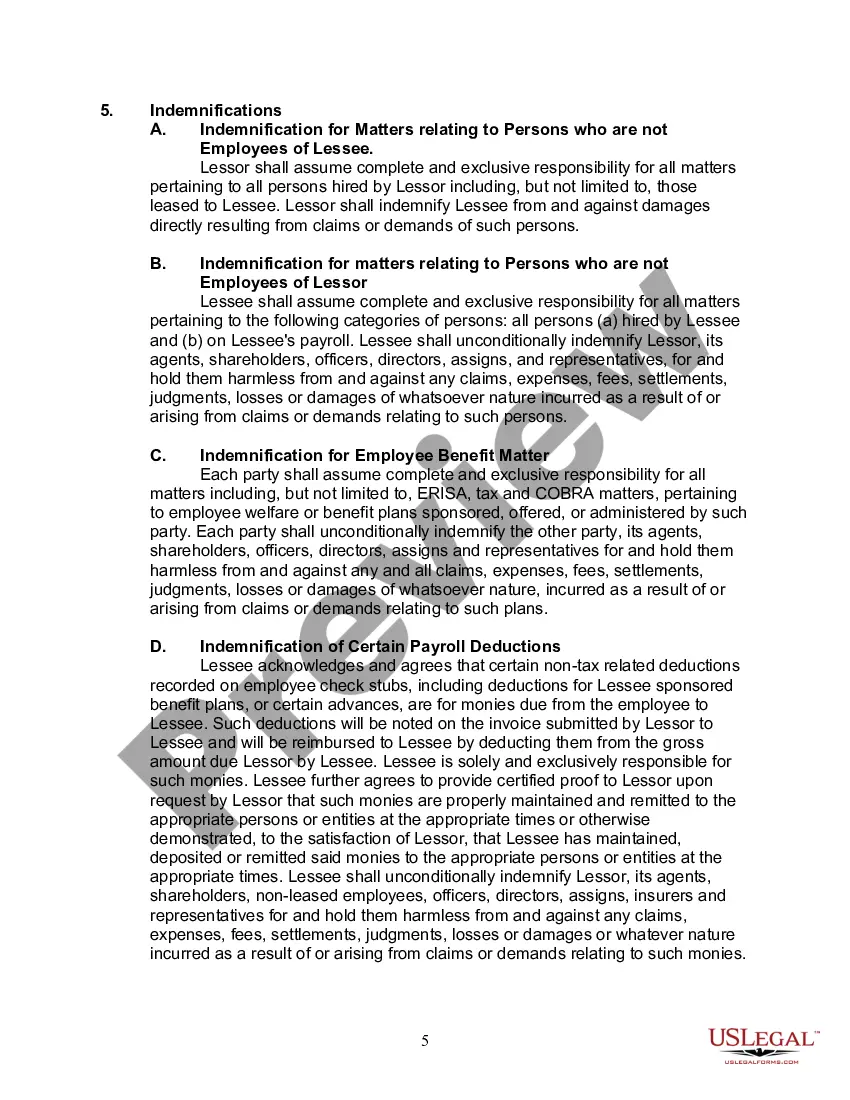
Get your form ready online
Our built-in tools help you complete, sign, share, and store your documents in one place.
Make edits, fill in missing information, and update formatting in US Legal Forms—just like you would in MS Word.
Download a copy, print it, send it by email, or mail it via USPS—whatever works best for your next step.
Sign and collect signatures with our SignNow integration. Send to multiple recipients, set reminders, and more. Go Premium to unlock E-Sign.
If this form requires notarization, complete it online through a secure video call—no need to meet a notary in person or wait for an appointment.
We protect your documents and personal data by following strict security and privacy standards.

Make edits, fill in missing information, and update formatting in US Legal Forms—just like you would in MS Word.

Download a copy, print it, send it by email, or mail it via USPS—whatever works best for your next step.

Sign and collect signatures with our SignNow integration. Send to multiple recipients, set reminders, and more. Go Premium to unlock E-Sign.

If this form requires notarization, complete it online through a secure video call—no need to meet a notary in person or wait for an appointment.

We protect your documents and personal data by following strict security and privacy standards.
Looking for another form?








Form popularity
FAQ
How to organize personnel files Determine which documents to store. Review company policy, federal law and state regulations to learn which documents to include in a personnel file. Choose a filing method. Format your documents. Learn who can access the files. Create a file retention policy. Update the files as needed.
You should keep personnel records that contain sensitive information separate from your employee files. Categorize these separate files in a way that is scalable for your HR team to manage. You should also implement strict permissions to access sensitive employee information.
The best way to organize employee files is electronically, ideally using a dedicated HR document management system like Connecteam. You can create a standardized file naming system, control access permissions, easily stay on top of document expirations, and more.
Start by sorting your files into categories, then use file folders or binders to keep related documents together. Label each folder or binder clearly, and consider using color-coding to make it even easier to find what you need.
Whether you use paper, electronic files, or both, consistency is the key to effective recordkeeping. For example, if your hiring records are sorted by employee name, organize payroll records the same way. Keep the same system across all types of records, and make sure your file folders have accurate, uniform names.
Dos: Do record specific objective and factual information. Do follow consistent documentation practices. Do reference or include relevant back-up information. Do allow for employee acknowledgment and feedback where appropriate. Do proofread the document. Do sign and date the document.
