Employee Lease Addendum For Tenant In Middlesex
Description

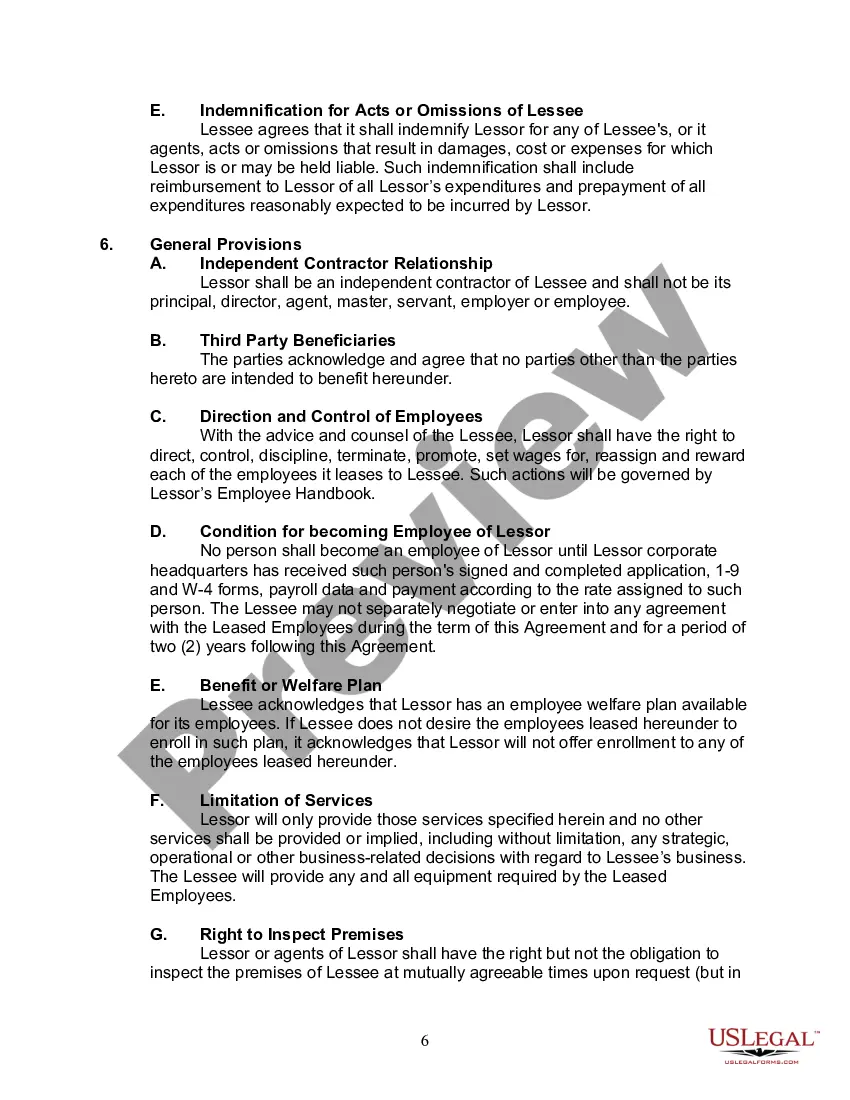
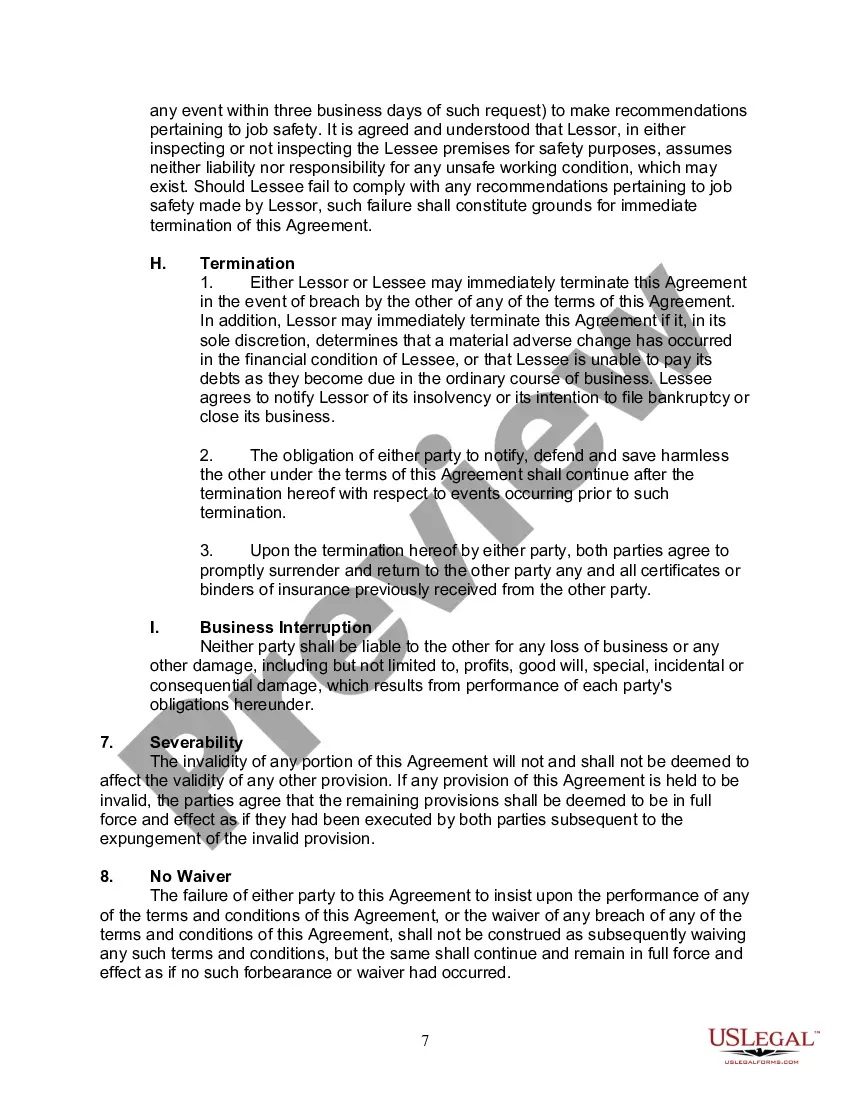
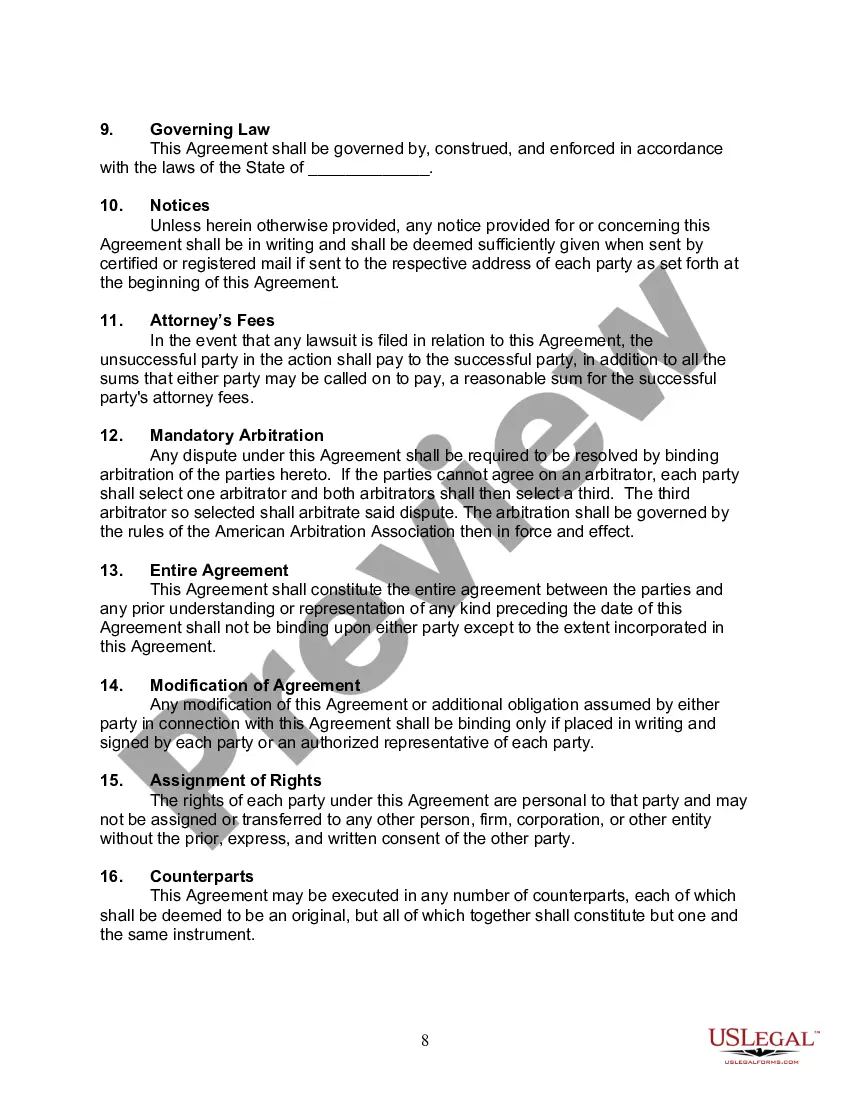
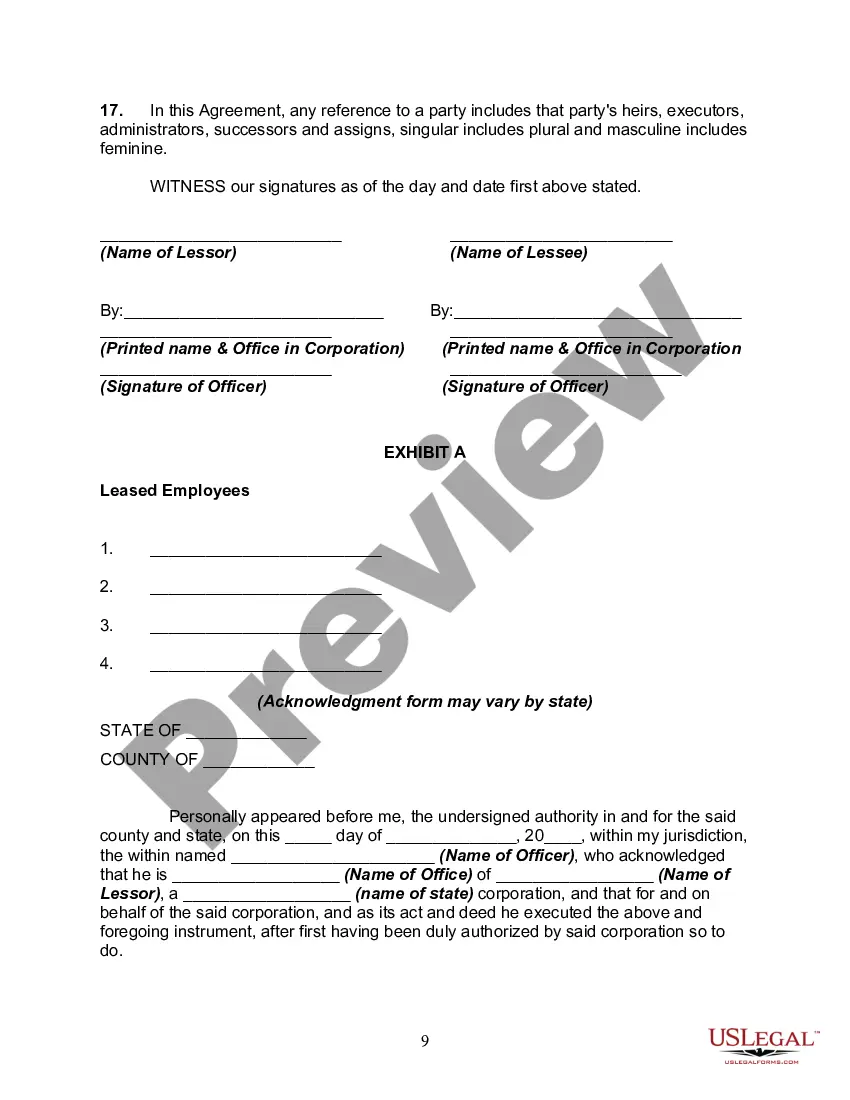
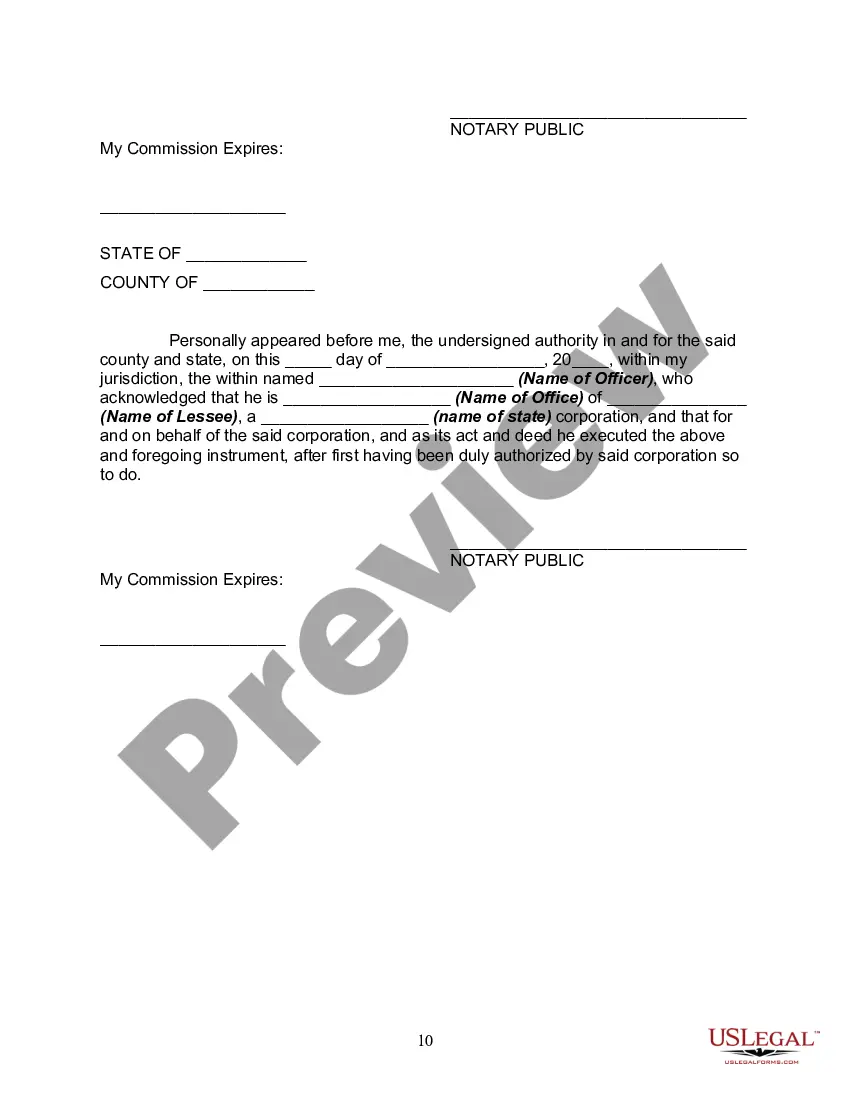
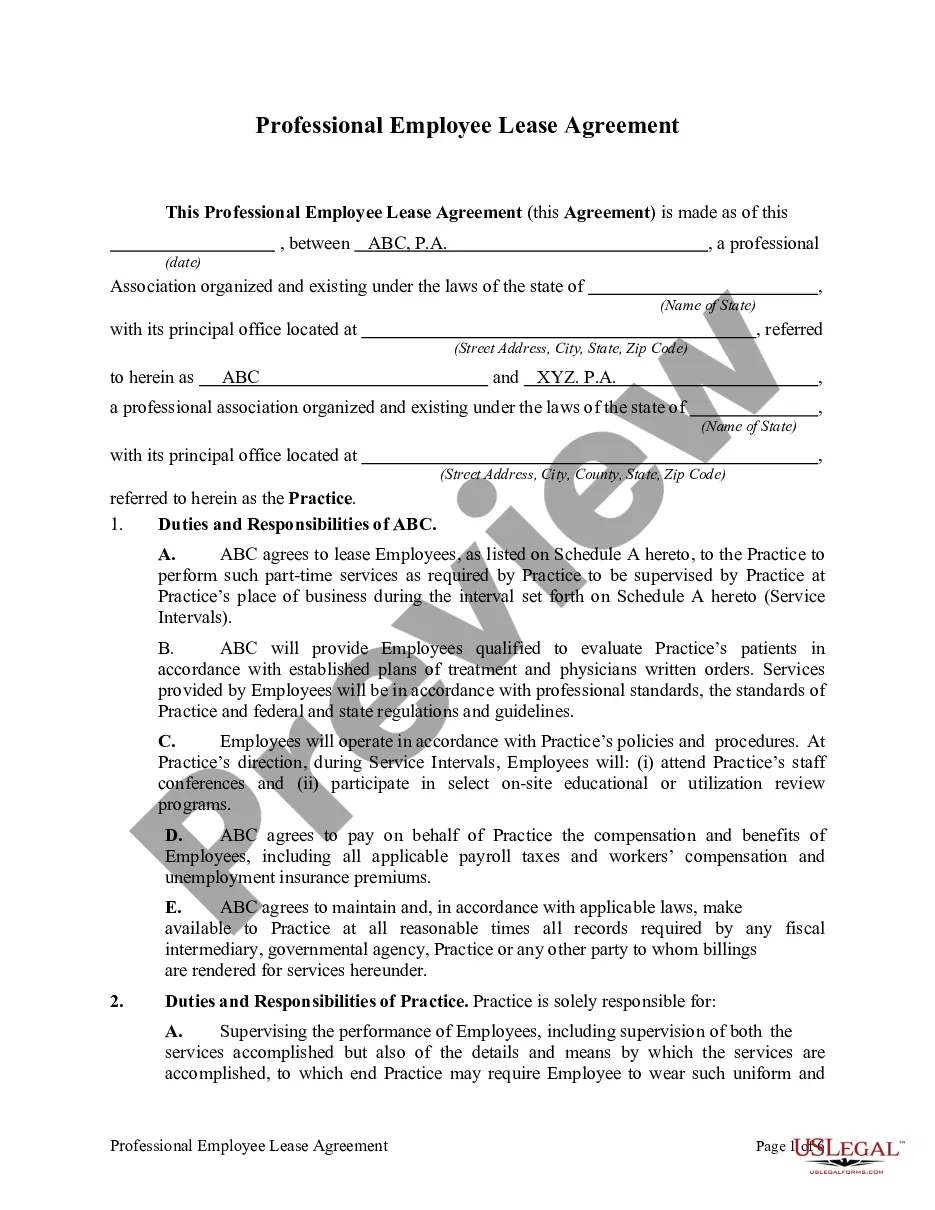
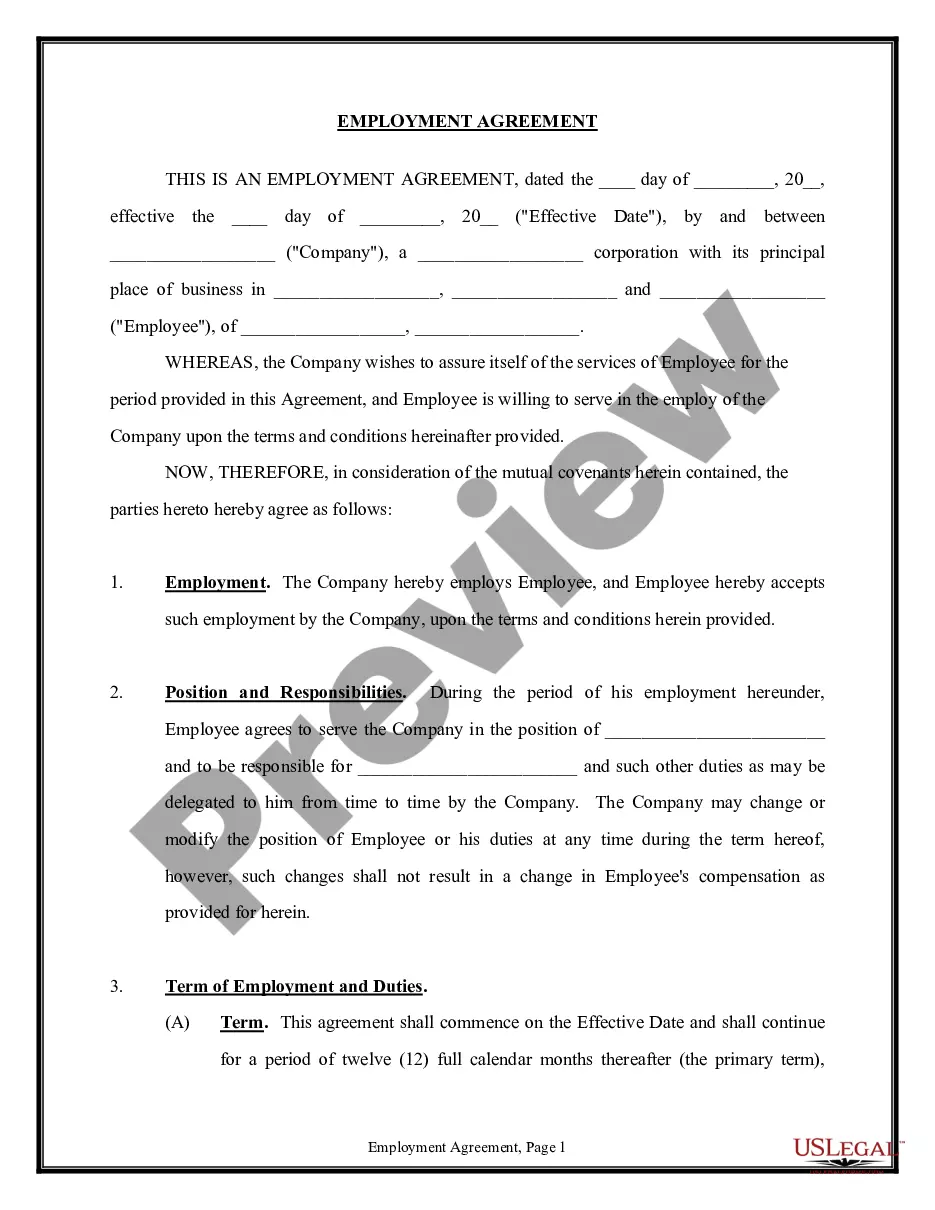
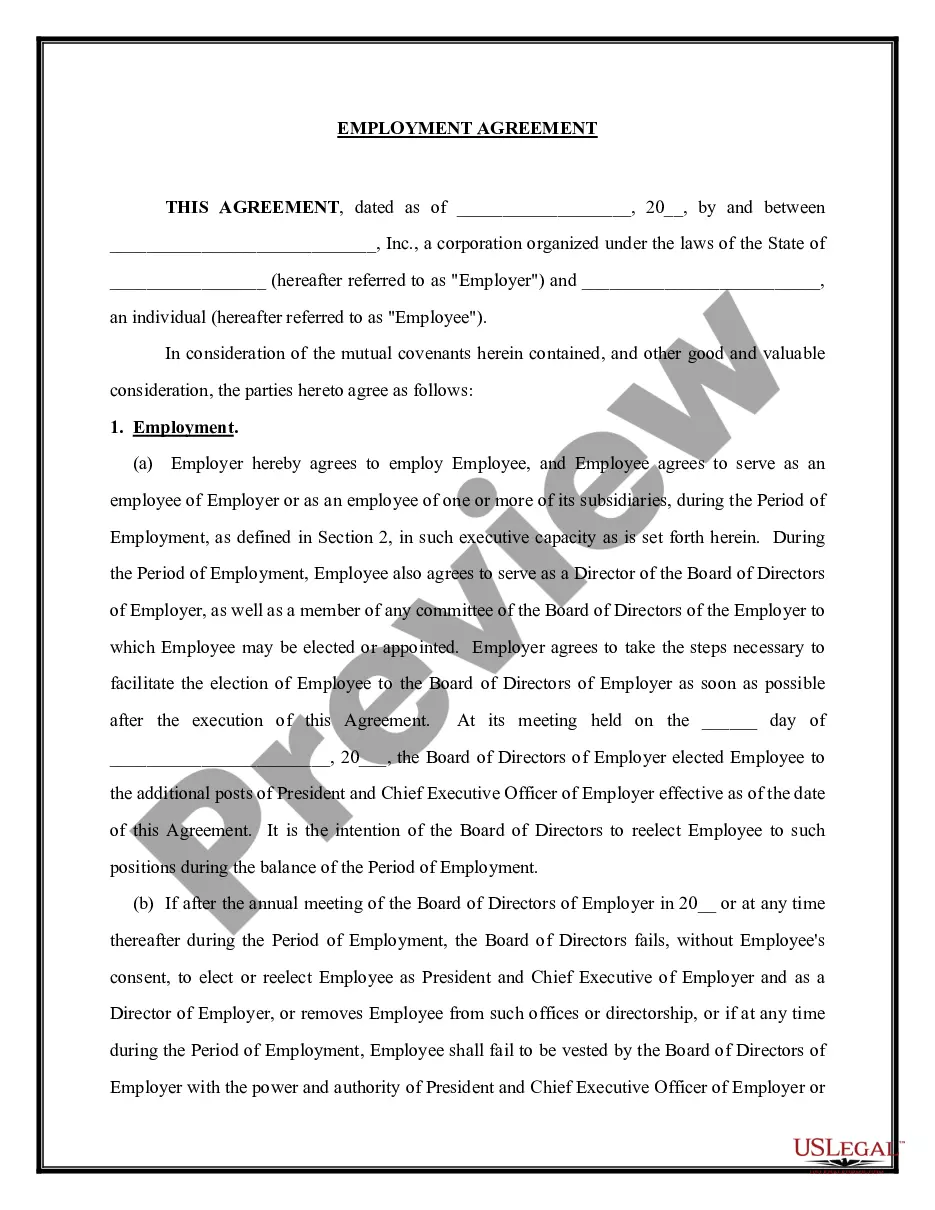
Get your form ready online
Our built-in tools help you complete, sign, share, and store your documents in one place.
Make edits, fill in missing information, and update formatting in US Legal Forms—just like you would in MS Word.
Download a copy, print it, send it by email, or mail it via USPS—whatever works best for your next step.
Sign and collect signatures with our SignNow integration. Send to multiple recipients, set reminders, and more. Go Premium to unlock E-Sign.
If this form requires notarization, complete it online through a secure video call—no need to meet a notary in person or wait for an appointment.
We protect your documents and personal data by following strict security and privacy standards.

Make edits, fill in missing information, and update formatting in US Legal Forms—just like you would in MS Word.

Download a copy, print it, send it by email, or mail it via USPS—whatever works best for your next step.

Sign and collect signatures with our SignNow integration. Send to multiple recipients, set reminders, and more. Go Premium to unlock E-Sign.

If this form requires notarization, complete it online through a secure video call—no need to meet a notary in person or wait for an appointment.

We protect your documents and personal data by following strict security and privacy standards.
Looking for another form?








Form popularity
FAQ
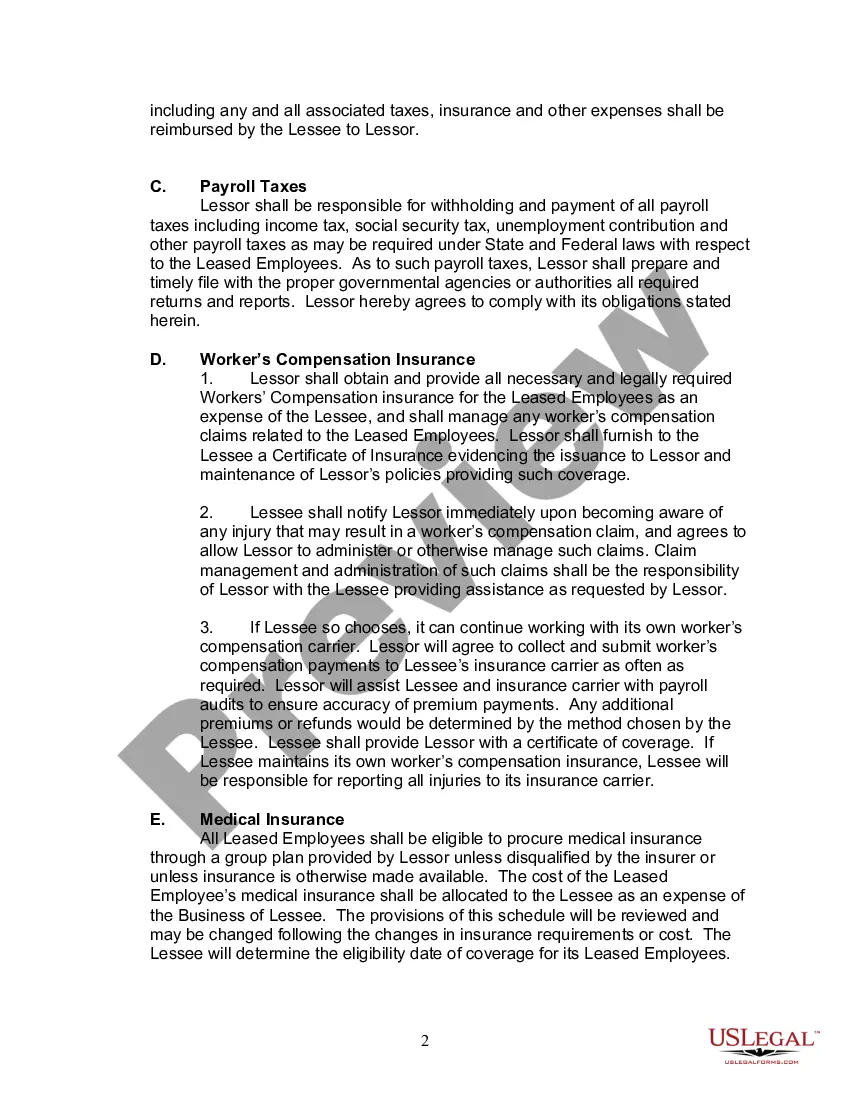
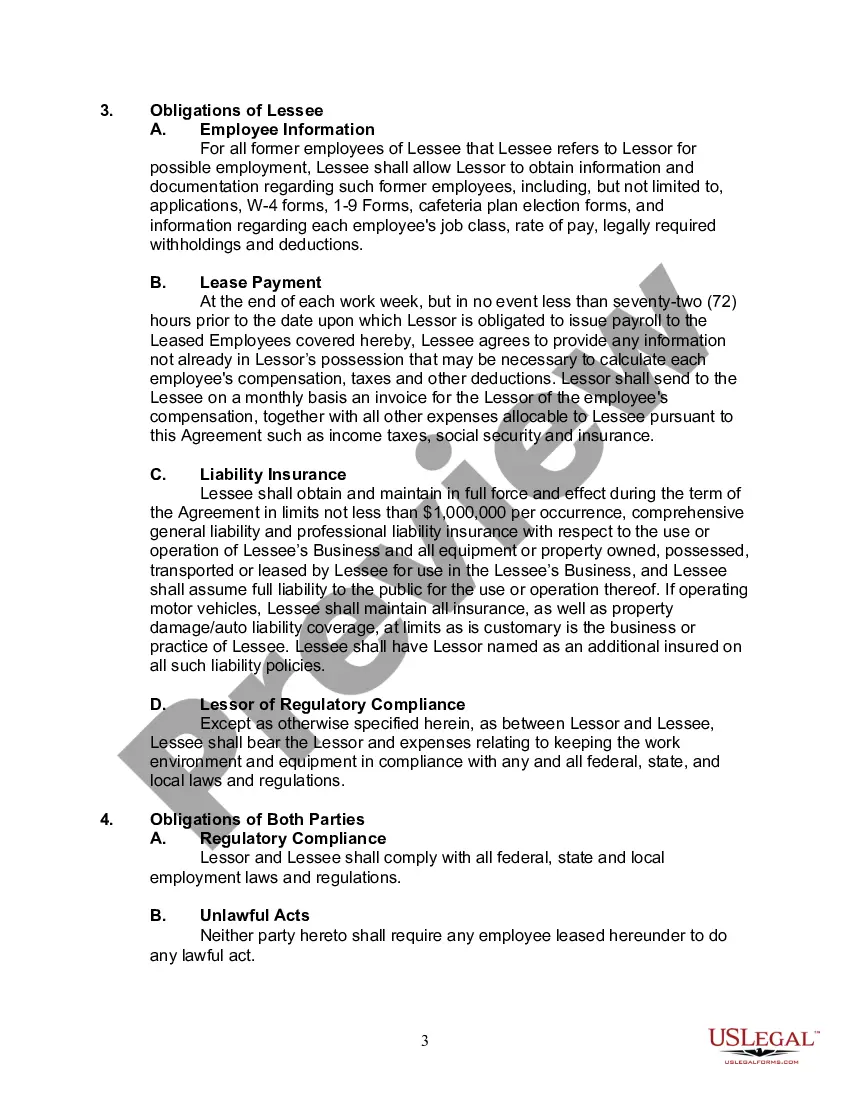
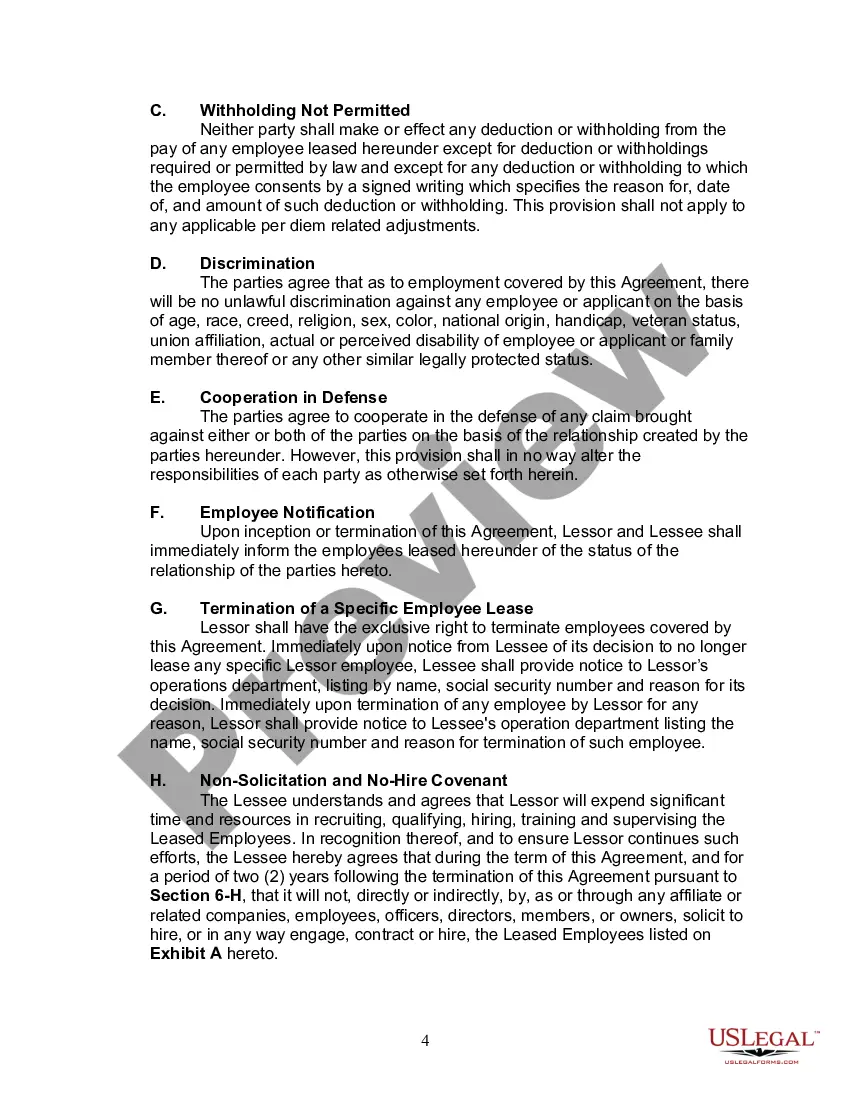
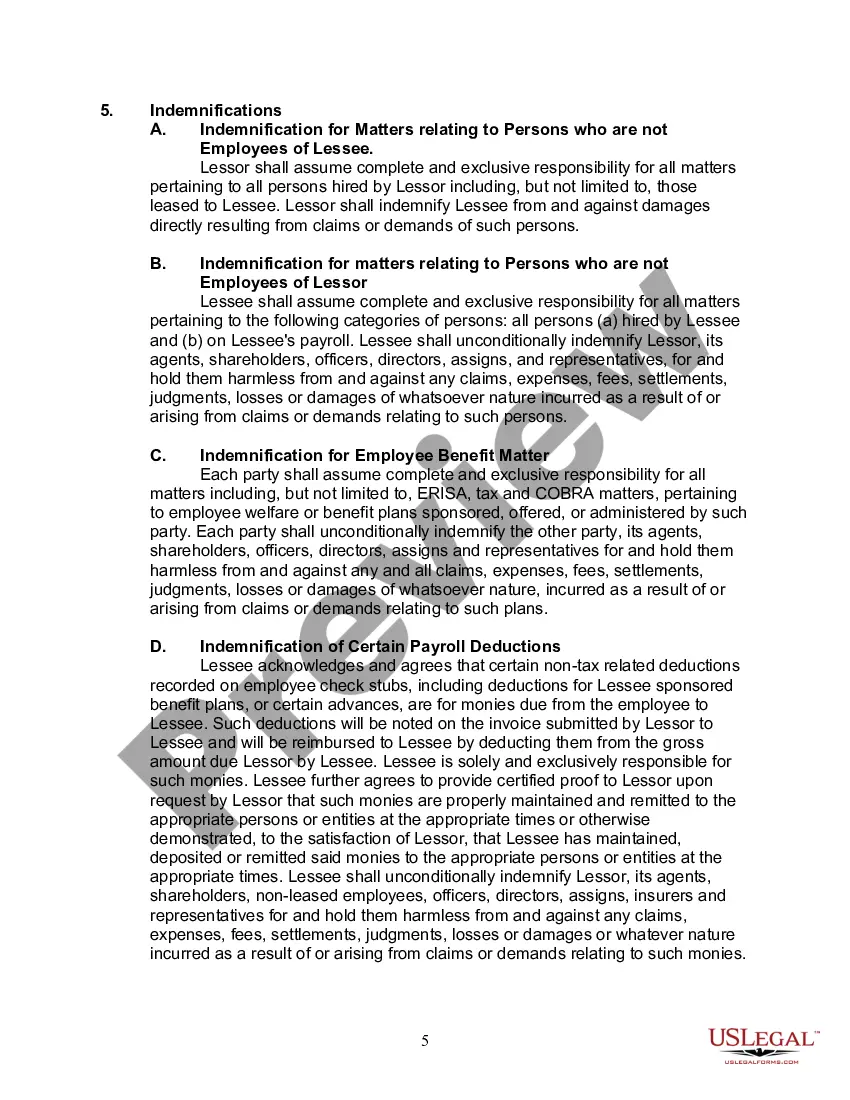
New Jersey Eviction Time Estimates ActionDuration Eviction hearing 10-30 days after issuance of summons Issuance of warrant of removal 3 business days after judgment is entered Time to quit after warrant is posted 3 business days Total 3 weeks – 3 months4 more rows •
Generally, this is what you as the landlord need to do to evict someone, including evicting a family member with no lease: Serve your tenant with a notice to vacate that states when and why they must vacate; most places require filing a three- to 30-day notice that the tenancy has ended.
Steps to Add a Tenant to an Existing Lease Acquire a Written Request to Add a Tenant. Check the Unit's Occupancy Limit. Require a Completed Rental Application. Screen and Approve/Deny the New Tenant. Review the Details With Each Tenant.
Only a judge can order a legal eviction. A Complaint must be filed with the Office of the Clerk of the Special Civil Part in the county where the rental premises are located.
Yes, a landlord can evict a tenant in New Jersey even without a written lease. If the tenant pays rent and occupies the property, it creates a month-to-month tenancy. The landlord must still provide proper notice and have a valid reason for eviction, such as nonpayment or property damage.
The landlord must first file a landlord tenant lawsuit in the special civil part of the Superior Court and get a judgment for possession from the court before an officer can be directed to evict any residential tenant.
Steps to Add a Tenant to an Existing Lease Acquire a Written Request to Add a Tenant. Check the Unit's Occupancy Limit. Require a Completed Rental Application. Screen and Approve/Deny the New Tenant. Review the Details With Each Tenant.
In general, things to include in a lease addendum might be: Your name. The rental property address. The tenant's name. Relevant policy/information (that complies with your state/municipal's rental laws) Consequences for breaking any contract agreements. Space to sign & date for landlord. Space to sign & date for tenant.
In most cases, it is possible and easy to add someone to an existing lease if it's allowed by the landlord. However, the landlord will need to write a lease addendum or lease amendment to add new information to the lease that can protect all parties.
Sure thing! If you want to add a roommate to your lease after you've already signed it, it's usually possible, but you'll need to get the green light from your landlord first.
