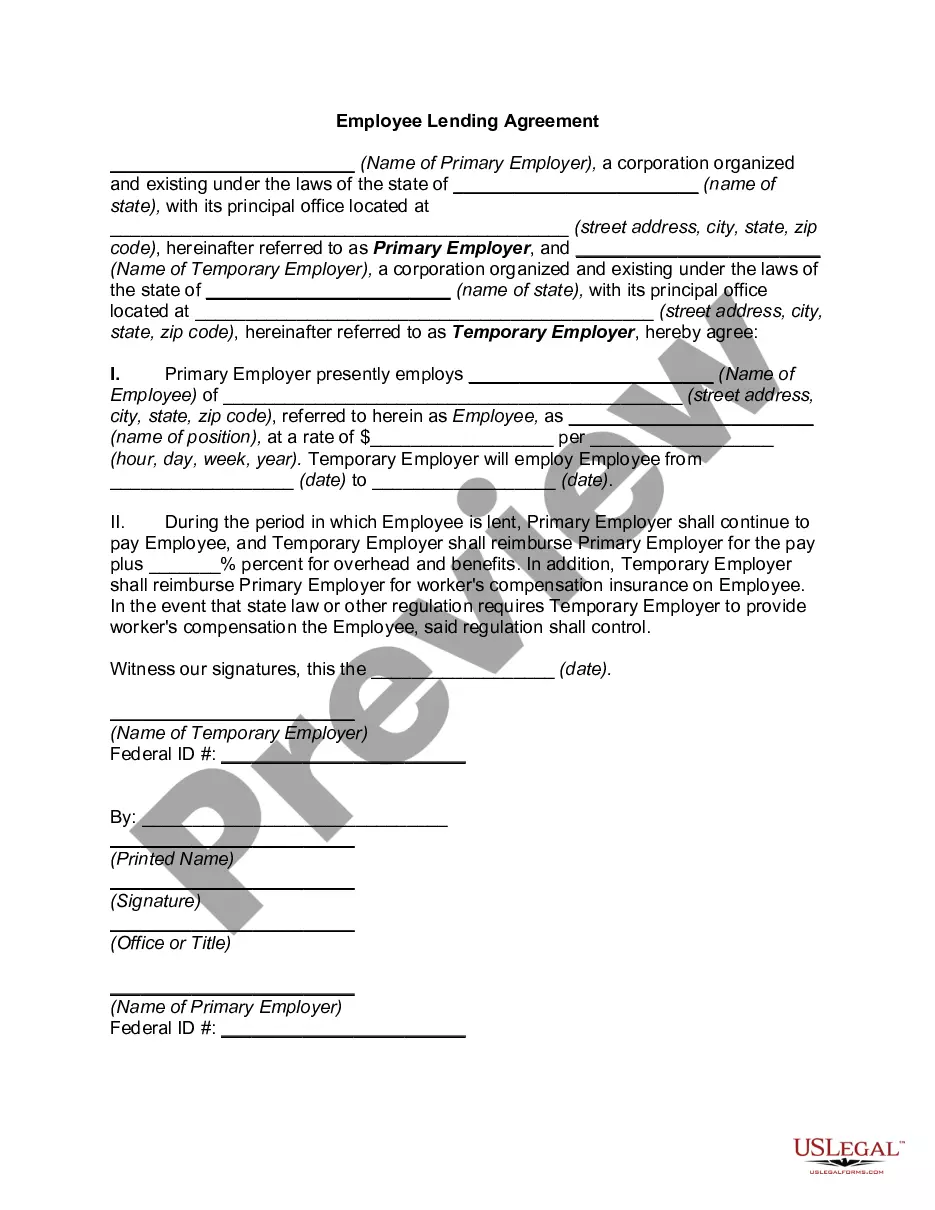
Employee Leasing Agreement Template For Company In Kings
Description

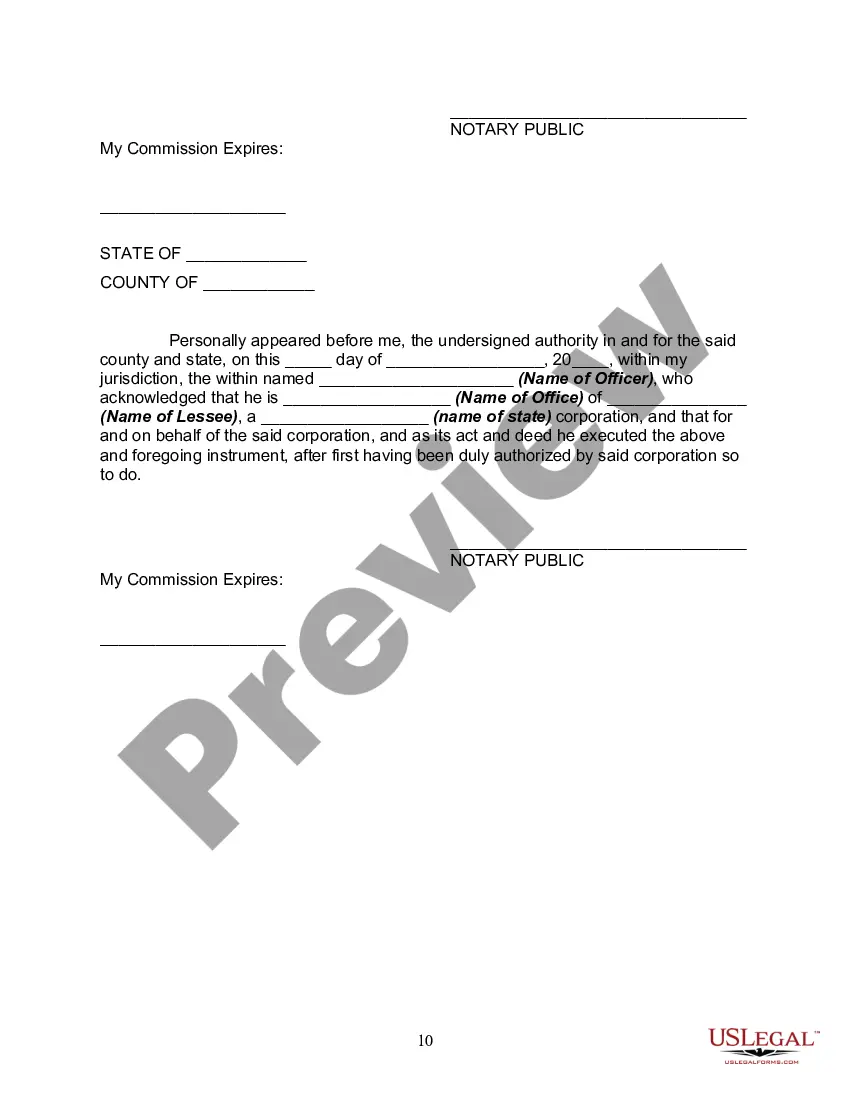
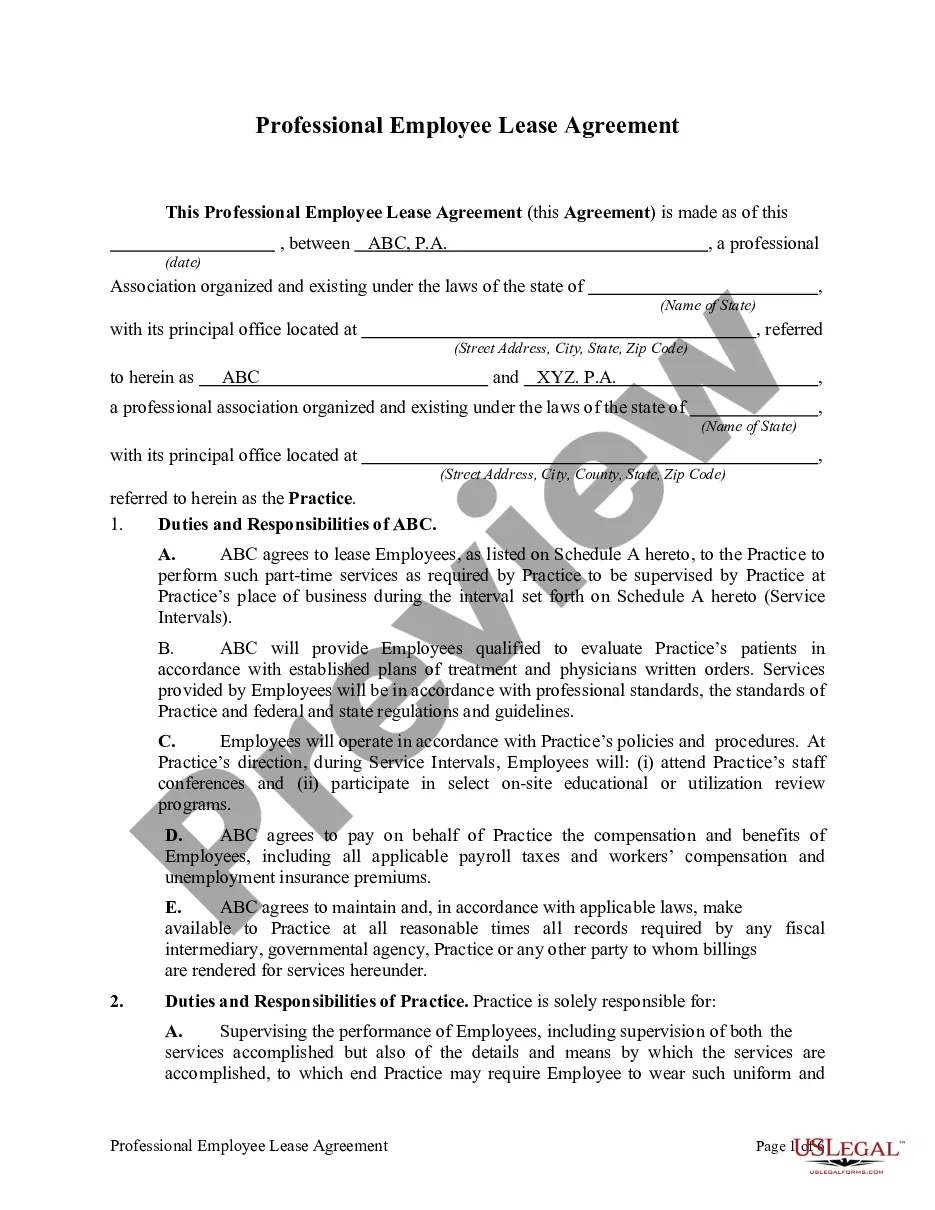
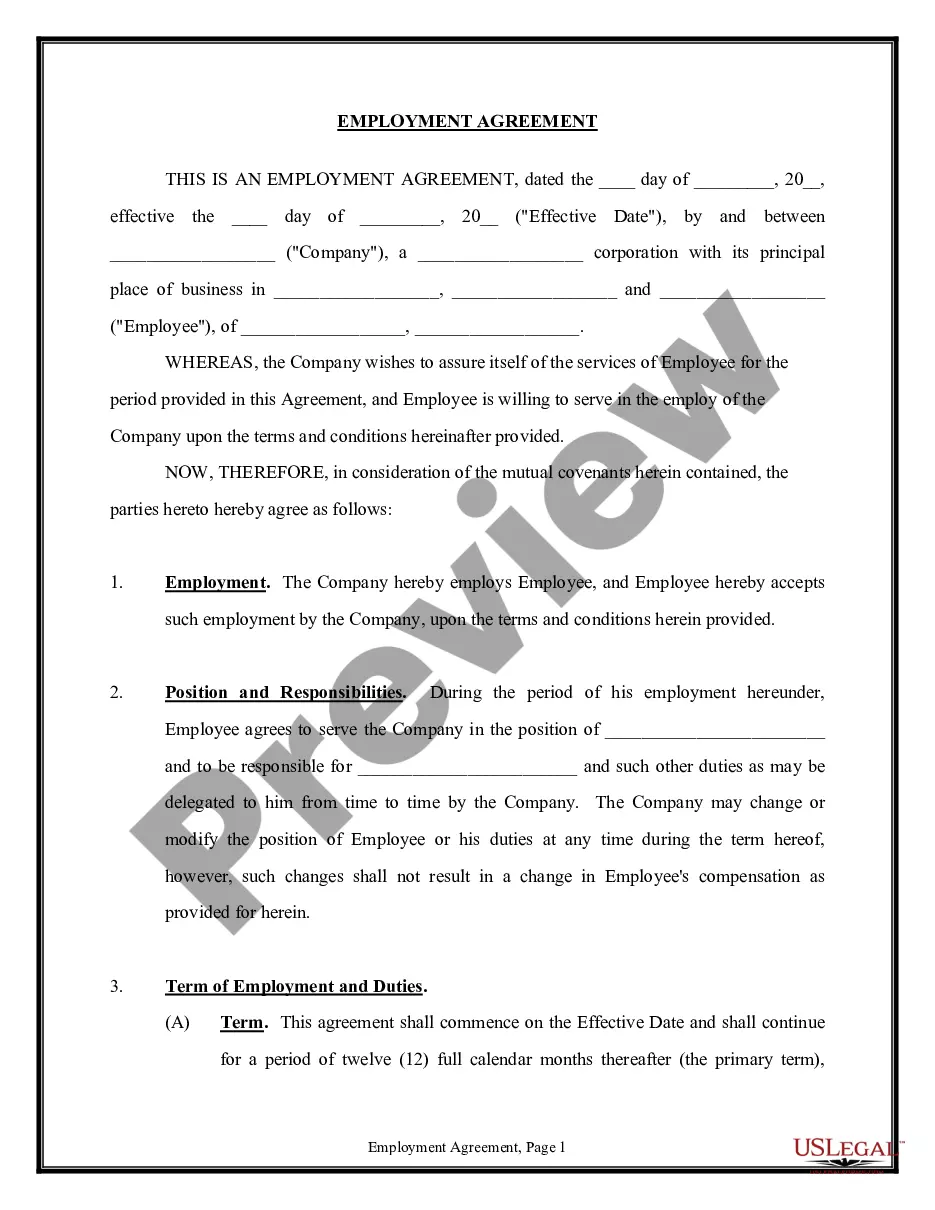
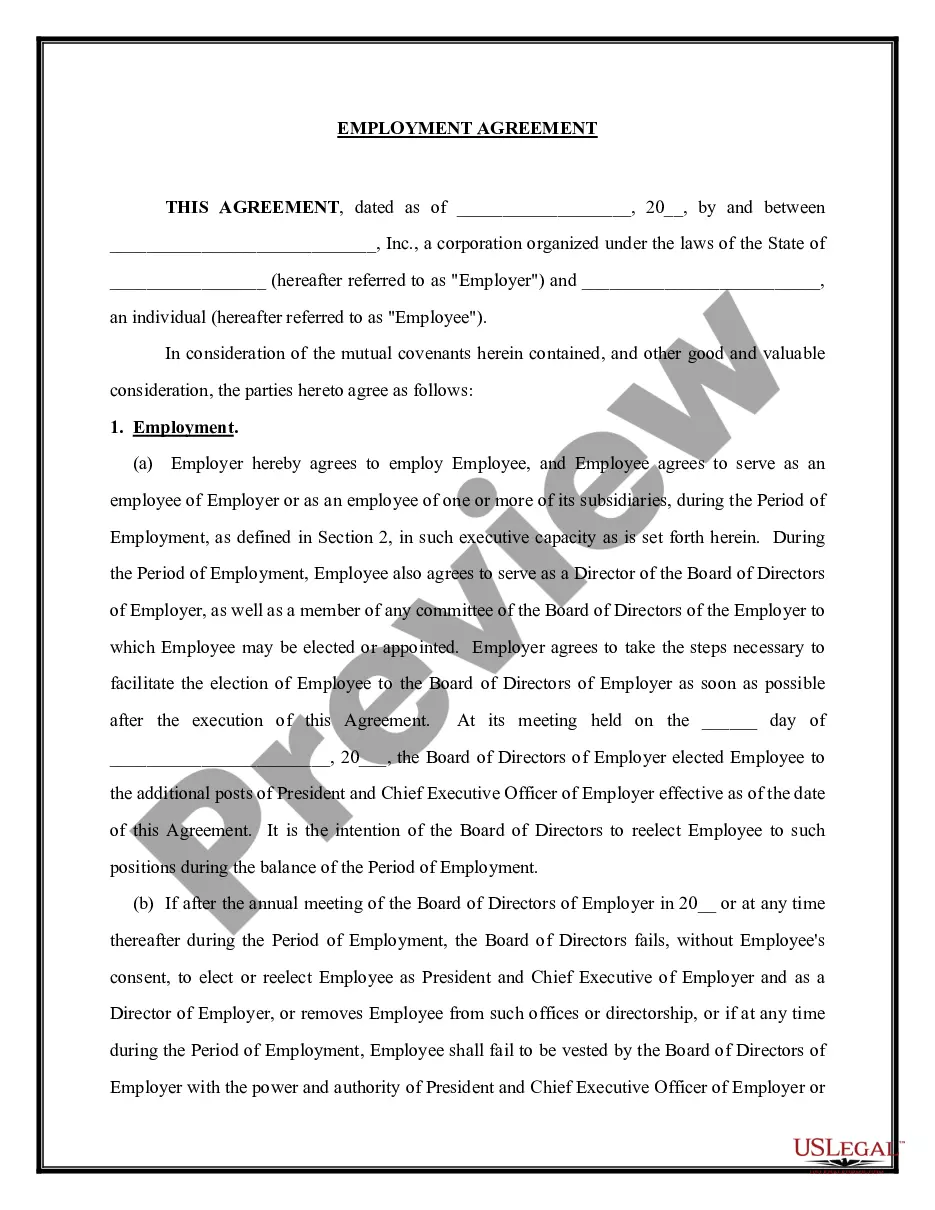
Get your form ready online
Our built-in tools help you complete, sign, share, and store your documents in one place.
Make edits, fill in missing information, and update formatting in US Legal Forms—just like you would in MS Word.
Download a copy, print it, send it by email, or mail it via USPS—whatever works best for your next step.
Sign and collect signatures with our SignNow integration. Send to multiple recipients, set reminders, and more. Go Premium to unlock E-Sign.
If this form requires notarization, complete it online through a secure video call—no need to meet a notary in person or wait for an appointment.
We protect your documents and personal data by following strict security and privacy standards.

Make edits, fill in missing information, and update formatting in US Legal Forms—just like you would in MS Word.

Download a copy, print it, send it by email, or mail it via USPS—whatever works best for your next step.

Sign and collect signatures with our SignNow integration. Send to multiple recipients, set reminders, and more. Go Premium to unlock E-Sign.

If this form requires notarization, complete it online through a secure video call—no need to meet a notary in person or wait for an appointment.

We protect your documents and personal data by following strict security and privacy standards.
Looking for another form?





Form popularity
FAQ
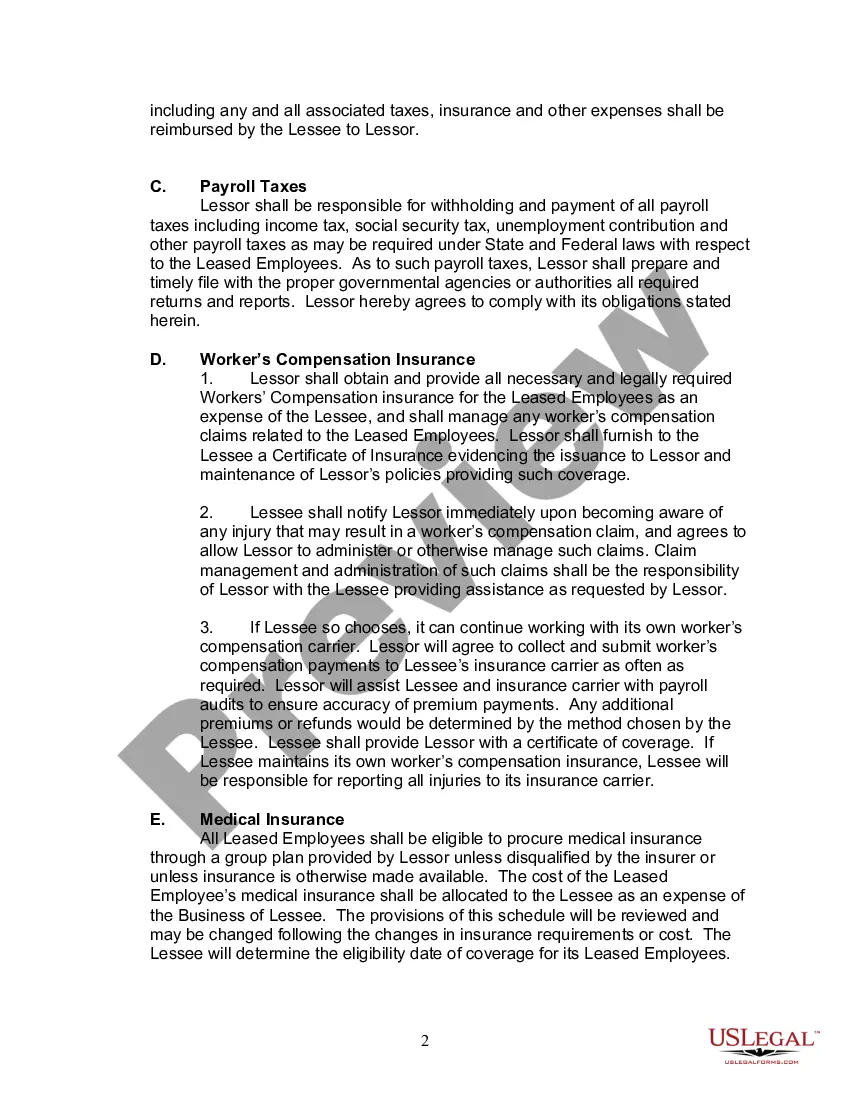
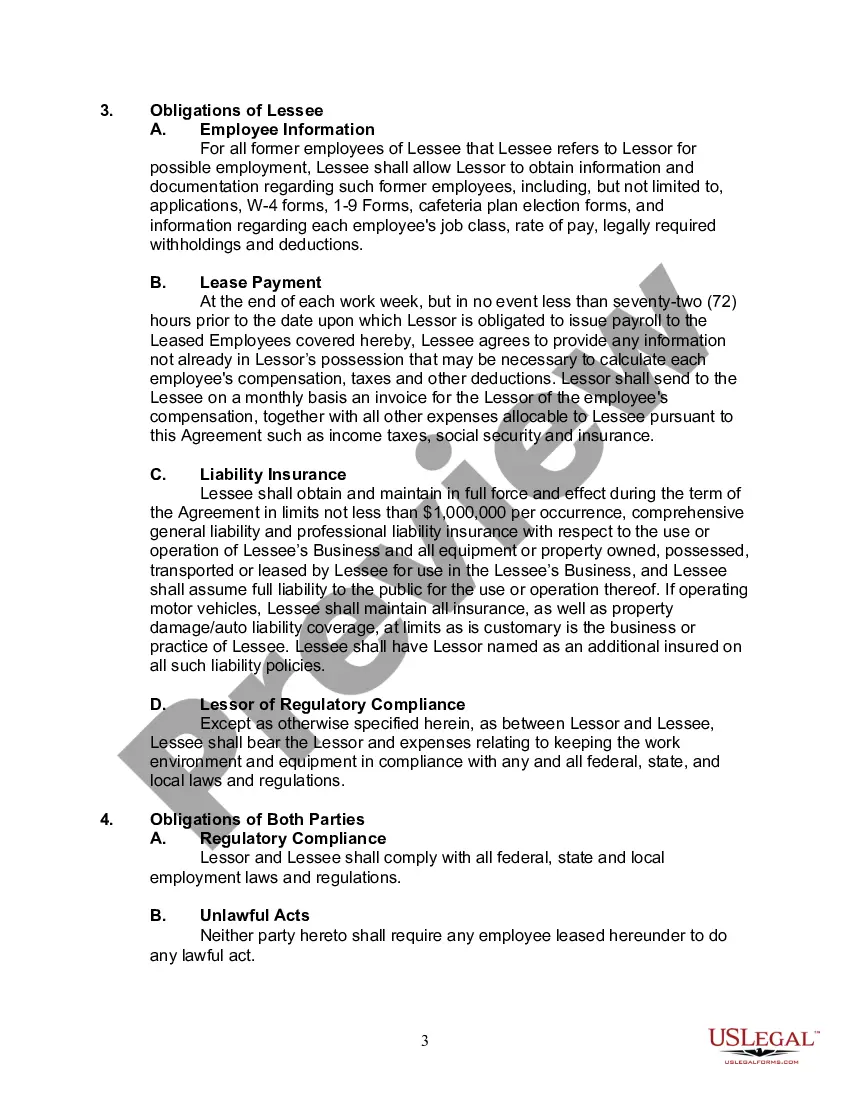
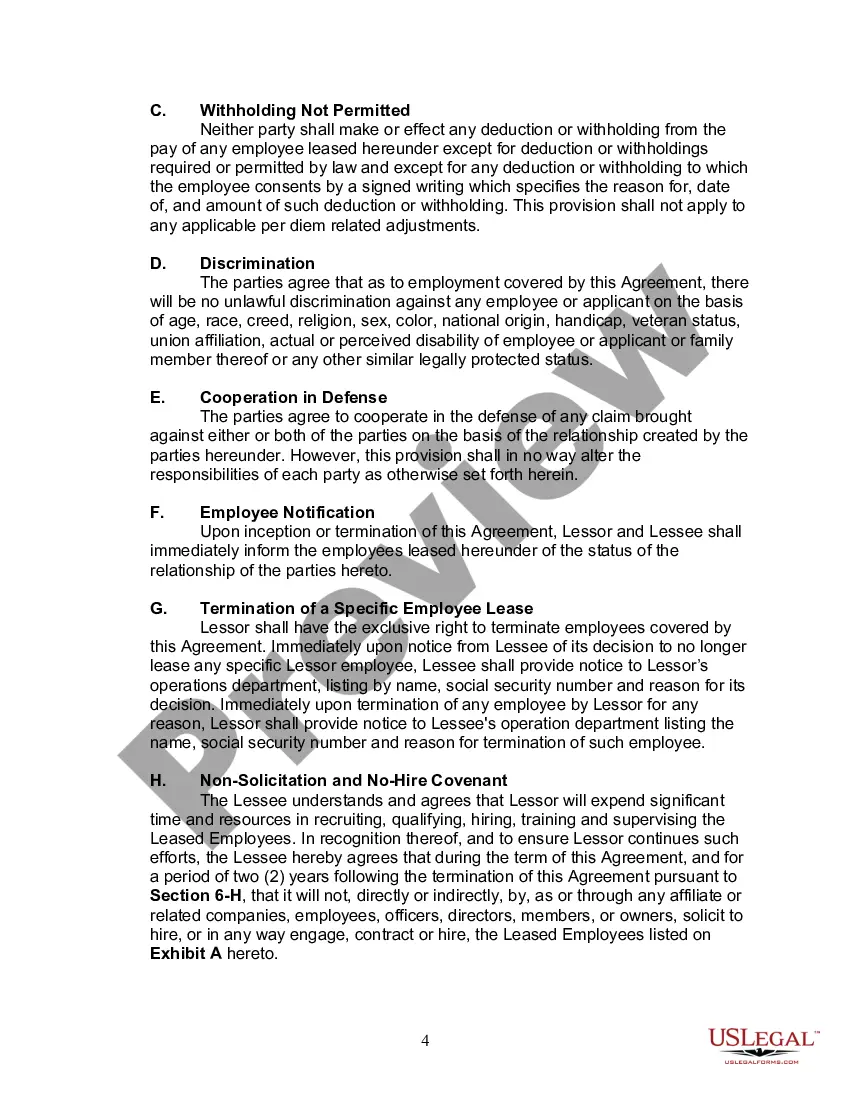
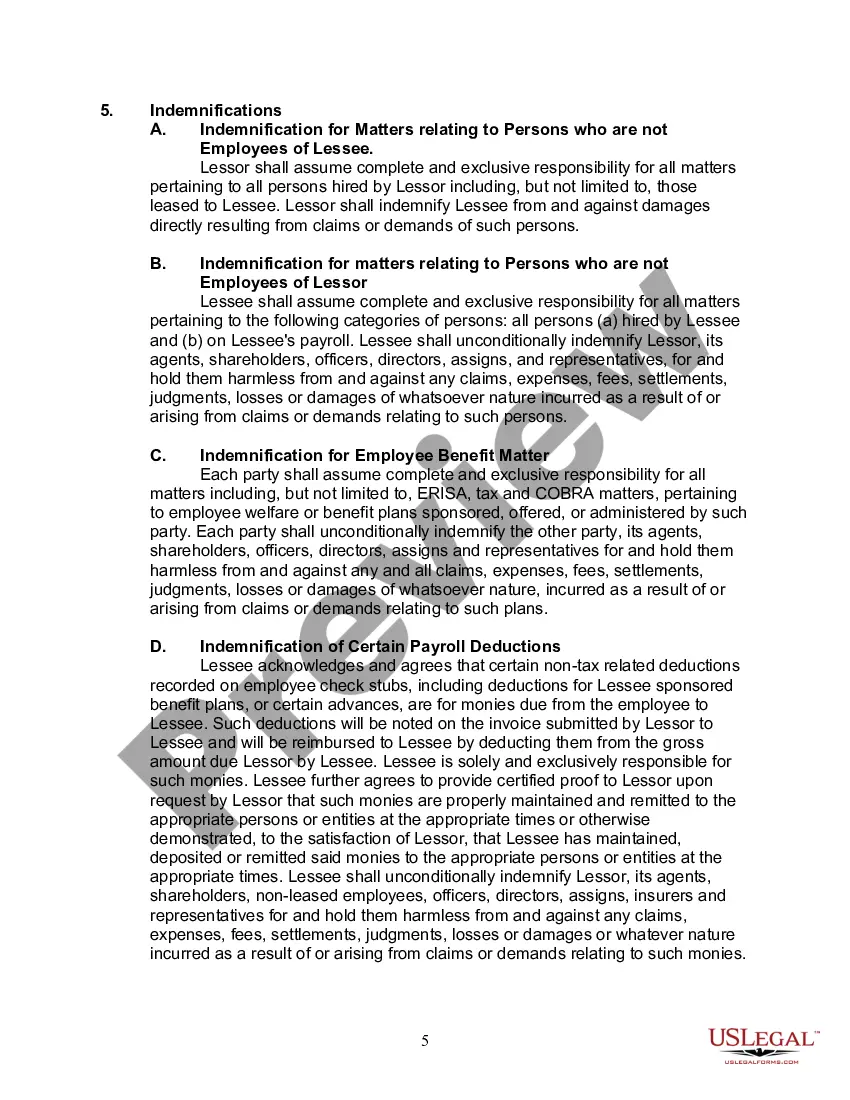
Under an employee leasing arrangement, you'll lease workers from another company who becomes the employer of record for certain obligations. You'll control the work the employees perform while the leasing company will issue their paycheck, report taxes, and manage benefits.
Employee leasing is an arrangement between a business and a staffing firm, who supplies workers on a project-specific or temporary basis. These employees work for the client business, but the leasing agency pays their salaries and handles all of the HR administration associated with their employment.
PEO manages the employees, be it temporary or permanent, for payroll, benefits, and compensation, and also as per the agreement by the client. Employee leasing is just a temporary agreement based on the project period for the employer/client.
Subscribe now. Employee leasing is an arrangement between a business and a staffing firm, who supplies workers on a project-specific or temporary basis. These employees work for the client business, but the leasing agency pays their salaries and handles all of the HR administration associated with their employment.
The employer who's leasing the employee controls the work they perform while the leasing firm is responsible for reporting their wages and taxes. To cover the leased employee's wages, benefits, taxes and administrative fees, the employer pays the leasing firm directly.
Traditional master leasing is a third-party leasing strategy in which an agency becomes the primary leaseholder and leases individual units, a subset of units in a single building, or all units in an entire building. The agency then subleases to the secondary tenant.
An example of employee leasing is when a leasing company provides a client company with temporary workers for a specific project or period. For instance, a leasing company may supply skilled IT professionals to a client company to assist with a software development project.
Employee leasing is an arrangement between a business and a staffing firm, who supplies workers on a project-specific or temporary basis. These employees work for the client business, but the leasing agency pays their salaries and handles all of the HR administration associated with their employment.
For example, a tenant and landlord may agree to a five-year lease with a five-year option to renew. At the end of the first five years, the tenant is given the chance to continue the lease for another five years. If you think you may renew, be sure to bring up extension provisions with your landlord.
