Staffing Leasing Company Force In Illinois
Description

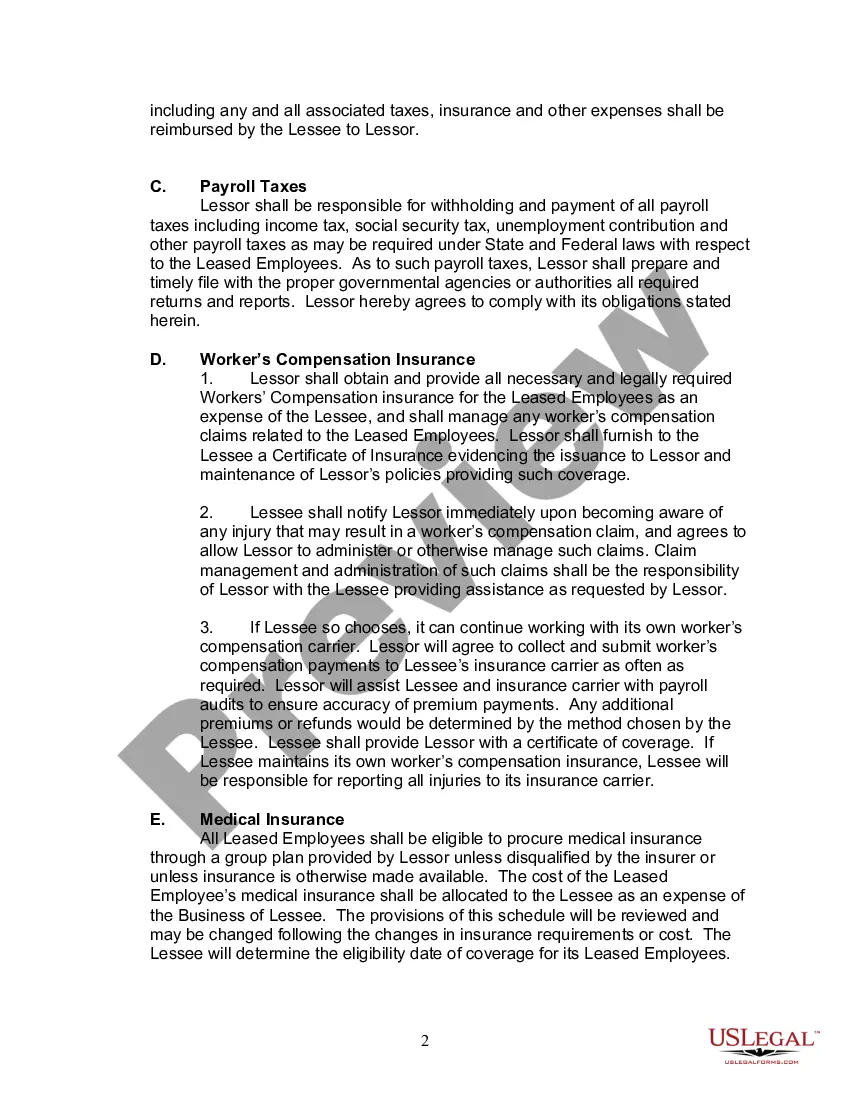
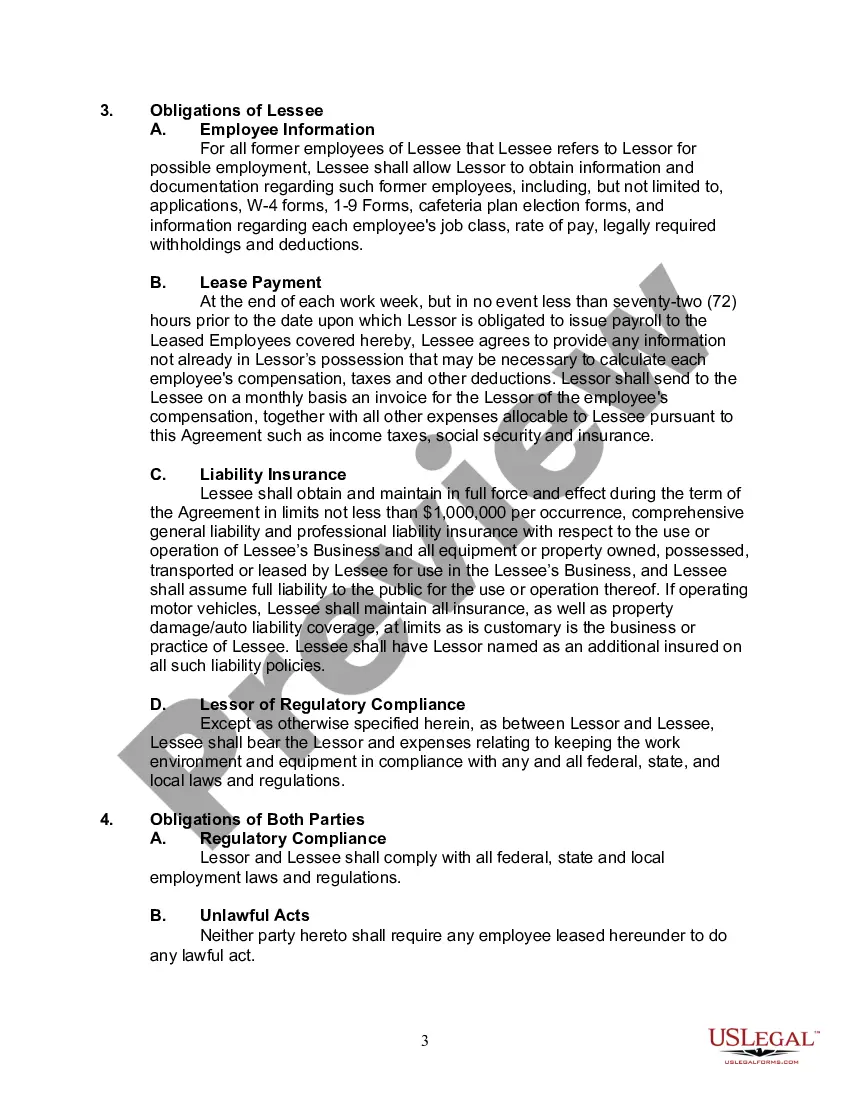
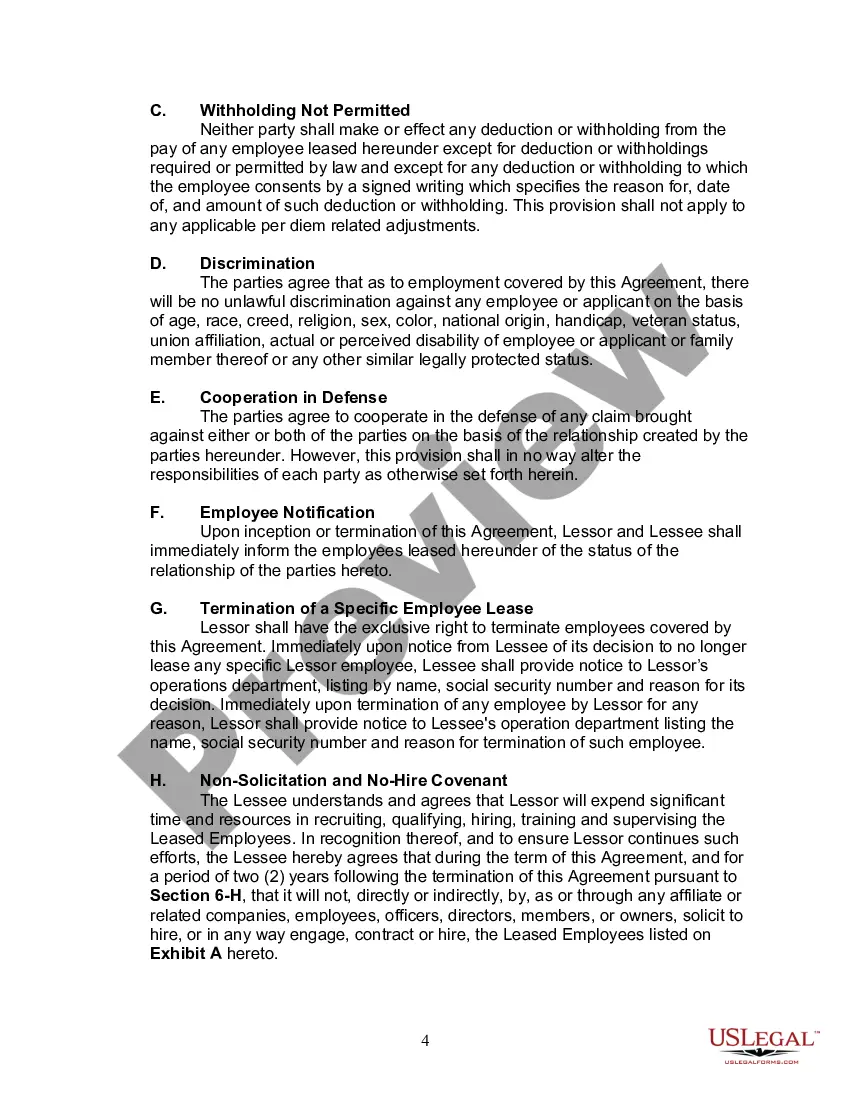
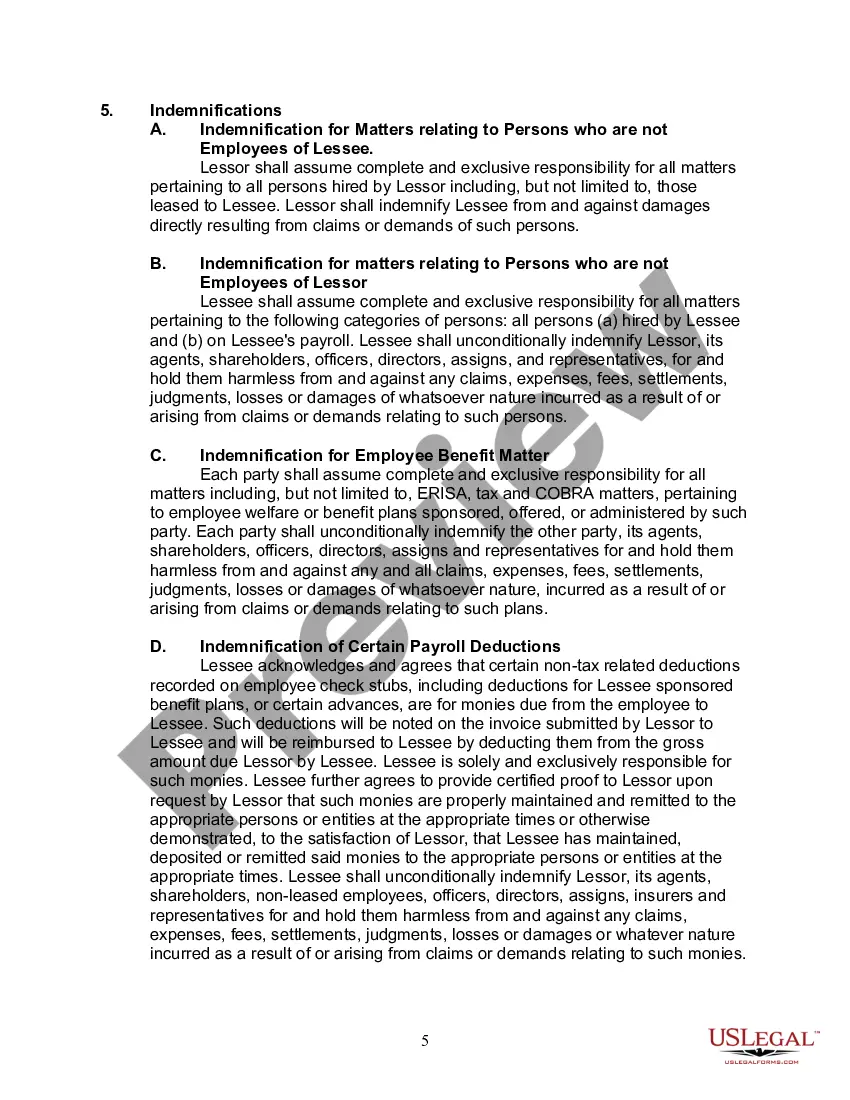
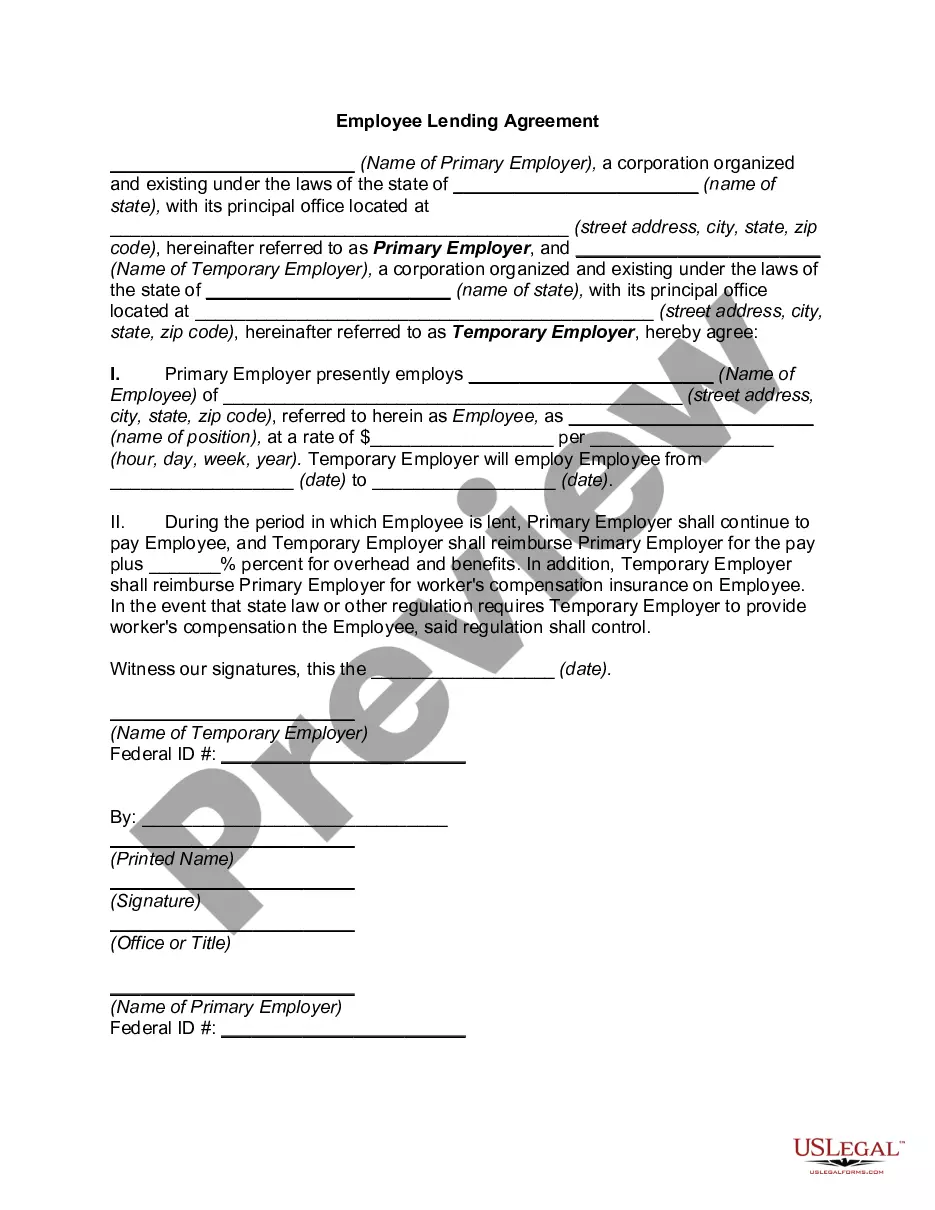
Get your form ready online
Our built-in tools help you complete, sign, share, and store your documents in one place.
Make edits, fill in missing information, and update formatting in US Legal Forms—just like you would in MS Word.
Download a copy, print it, send it by email, or mail it via USPS—whatever works best for your next step.
Sign and collect signatures with our SignNow integration. Send to multiple recipients, set reminders, and more. Go Premium to unlock E-Sign.
If this form requires notarization, complete it online through a secure video call—no need to meet a notary in person or wait for an appointment.
We protect your documents and personal data by following strict security and privacy standards.

Make edits, fill in missing information, and update formatting in US Legal Forms—just like you would in MS Word.

Download a copy, print it, send it by email, or mail it via USPS—whatever works best for your next step.

Sign and collect signatures with our SignNow integration. Send to multiple recipients, set reminders, and more. Go Premium to unlock E-Sign.

If this form requires notarization, complete it online through a secure video call—no need to meet a notary in person or wait for an appointment.

We protect your documents and personal data by following strict security and privacy standards.
Looking for another form?








Form popularity
FAQ
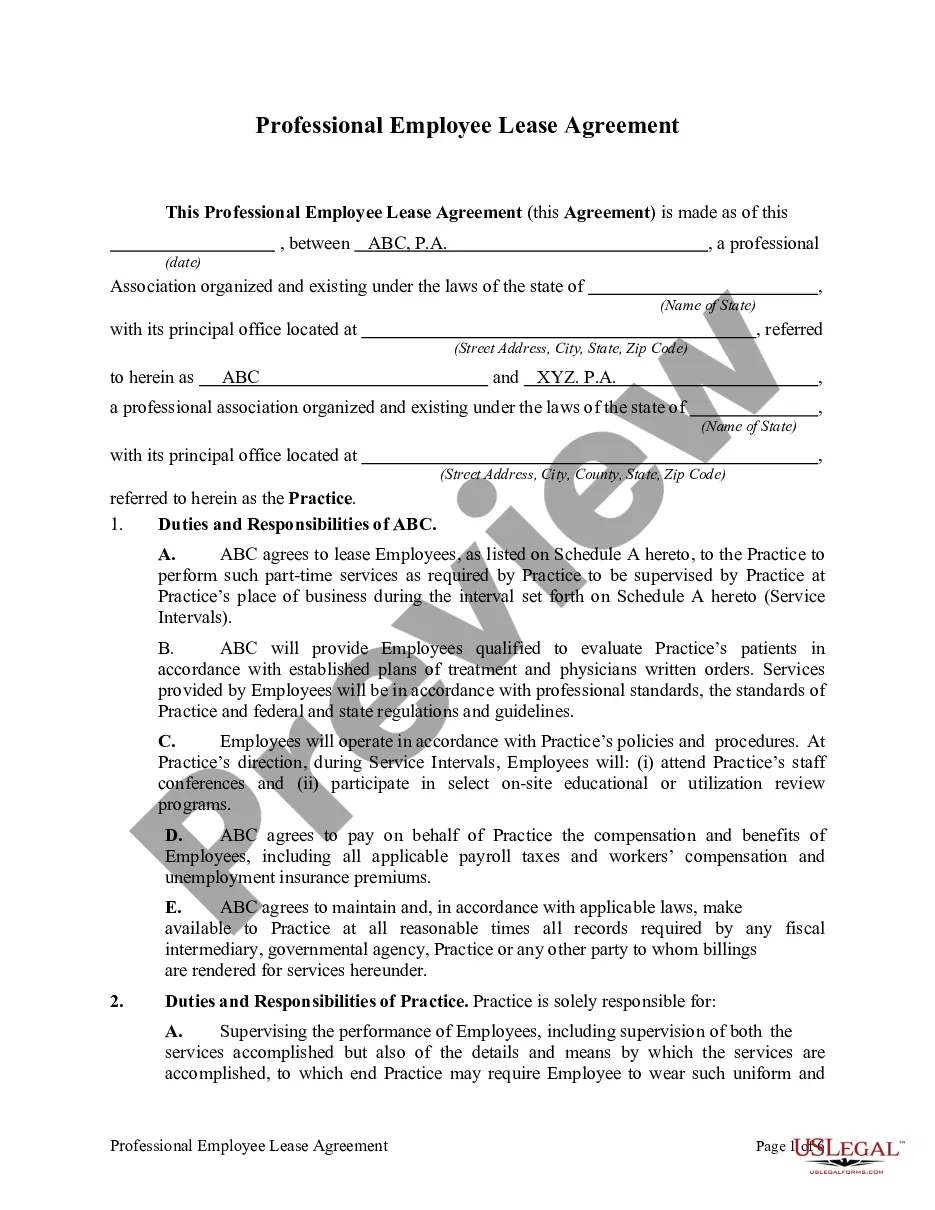
While leased employees are legally employed by a PEO, they work under the day-to-day management and supervision of the leasing business — much like any other employee. This generally gives the leasing business control over how they spend their time, which tools they use to perform their work, their deadlines, and more.
How to Start Your Own Employee Leasing Company Register your business. Consult your state and county licensing boards to see if you need a license or permit to operate your employee leasing company. Locate professional office space. Create a niche in your serviceable area. Build and grow a business network.
Employee leasing is an arrangement between a business and a staffing firm, who supplies workers on a project-specific or temporary basis. These employees work for the client business, but the leasing agency pays their salaries and handles all of the HR administration associated with their employment.
For example, leased employees are official employees for the PEO that manages them, while independent contractors operate independently of any employer, and they typically provide a service to a client who pays them directly for those services.
The agency matches you with the best position to fit your skillset. However, the main difference is that a staffing agency will likely provide temporary positions, while employment agencies usually work to fill roles that are permanent.
Companies that provide employment services in Illinois must apply for a license prior to doing business. Depending on the services offered, businesses may need to apply for more than one license type, and in some cases, an individual license will be required as well.
PEOs offer a wide range of HR outsourcing solutions to ease the burden of paperwork for small- to medium-sized businesses. Staffing companies, on the other hand, offer one option for businesses looking to add workers to their workforce.
Staffing agencies can help you source workers with skills in highly-specialized areas, like health care. Leasing employees alleviates many aspects of recruitment, such as the need to advertise job openings, review resumes, interview candidates or run background checks.
The key requirement is obtaining a real estate license, which involves completing pre-licensing courses and passing the state exam. The duration of these courses varies by state but typically requires 60-90 hours of study. Once licensed, you can start working as a Leasing Agent immediately.
