Lease Employee Agreement Without Rent In Illinois
Description

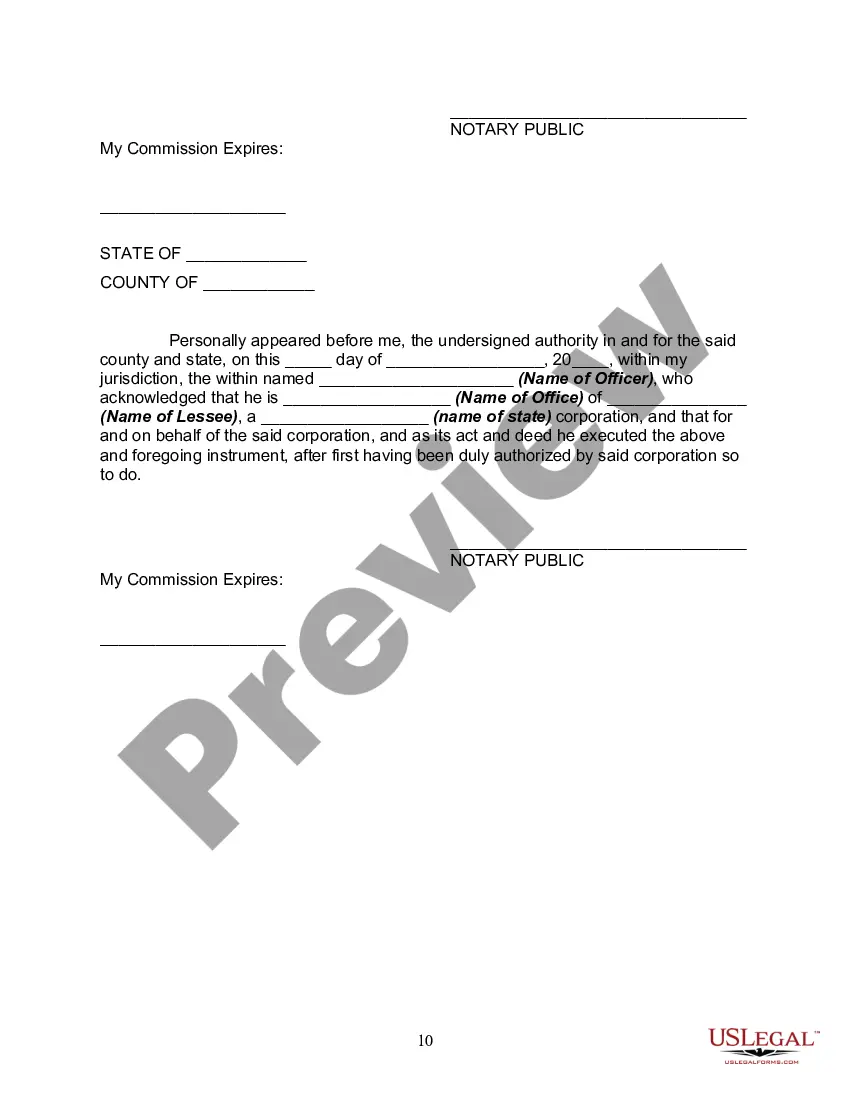
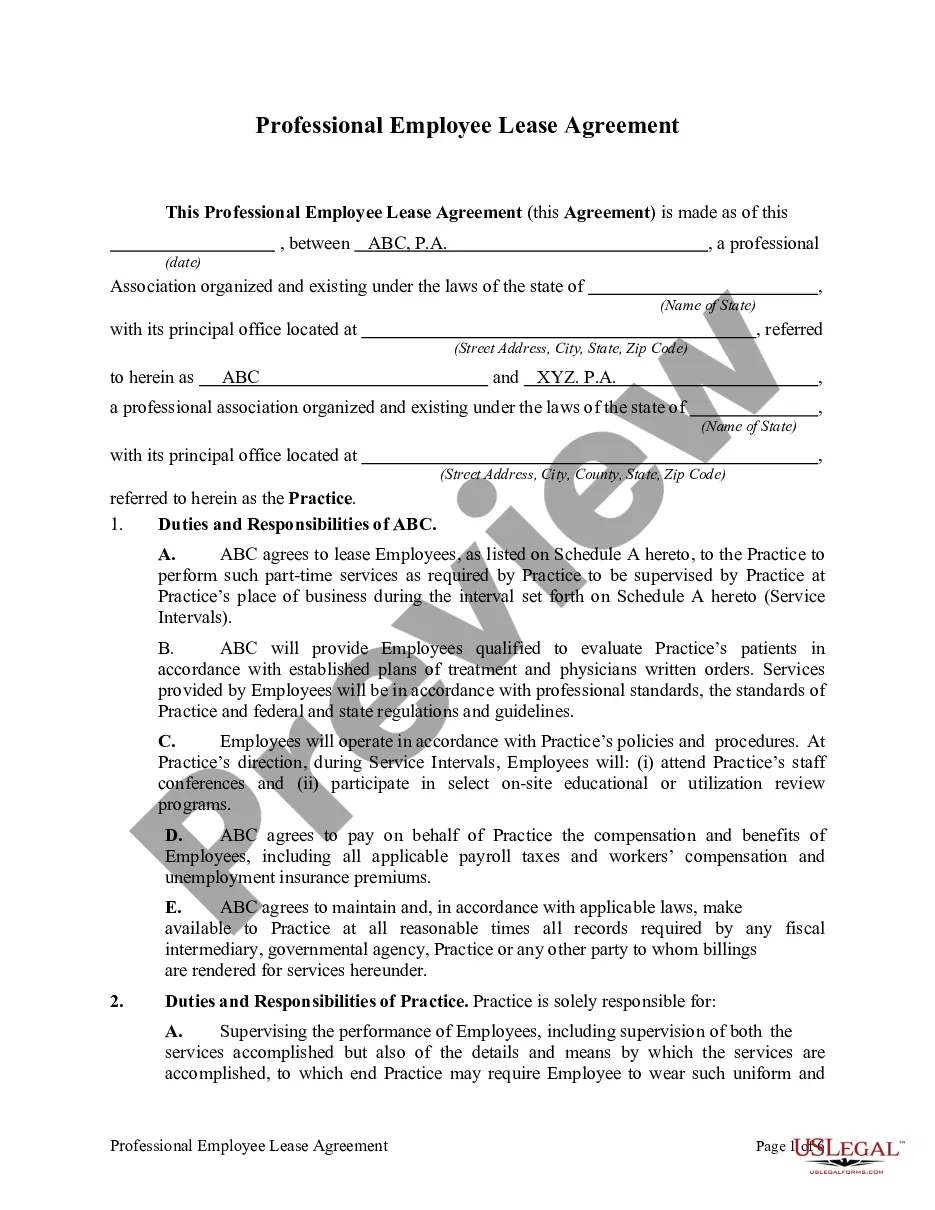
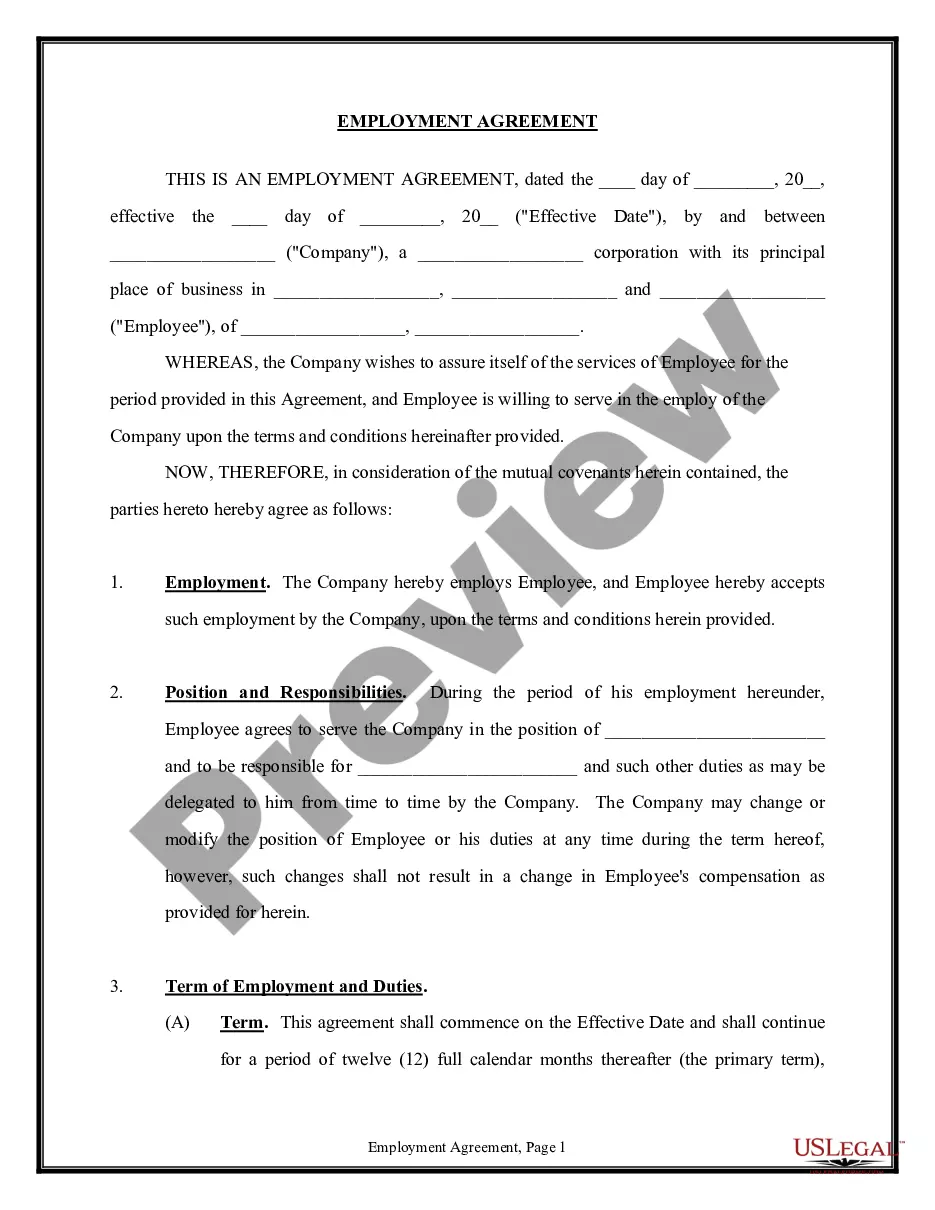
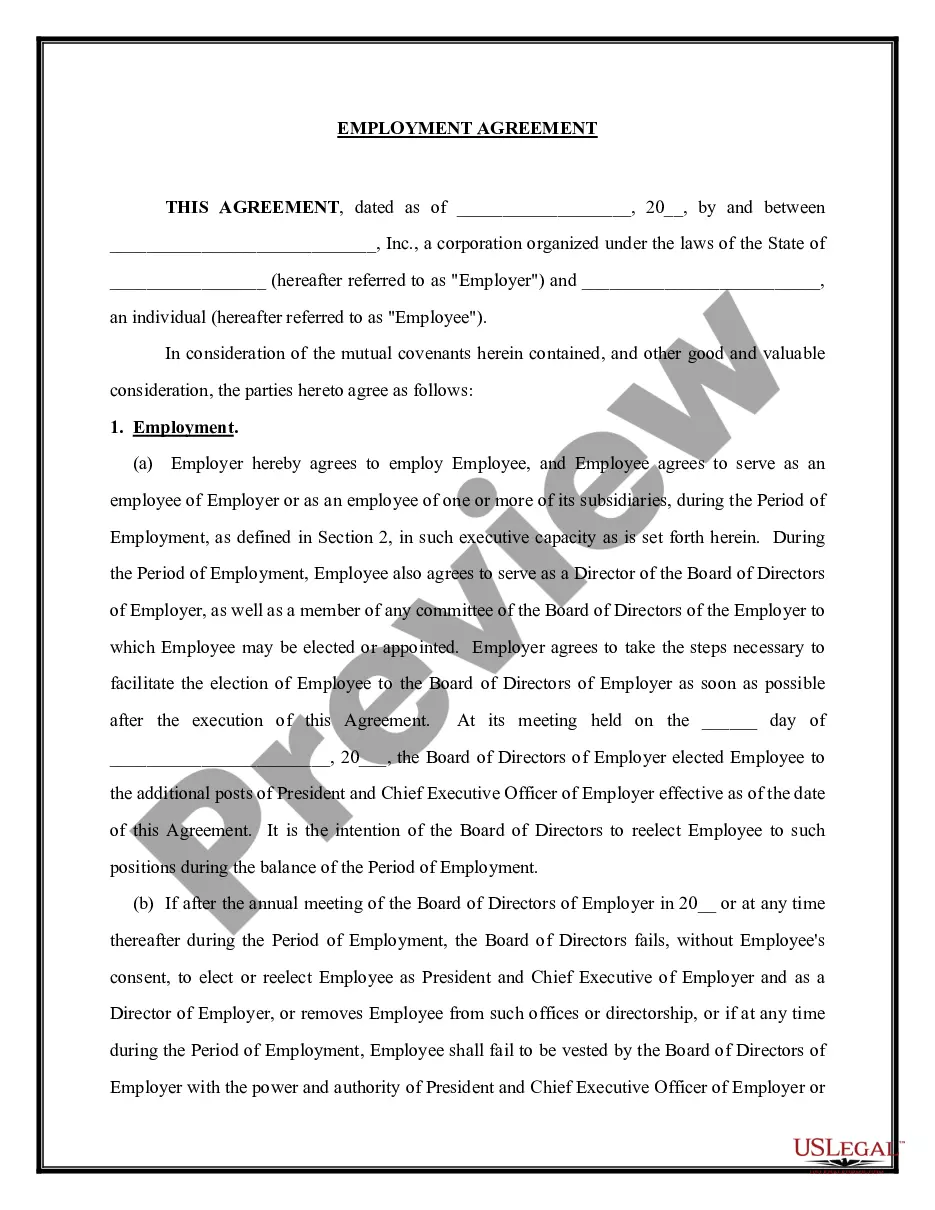
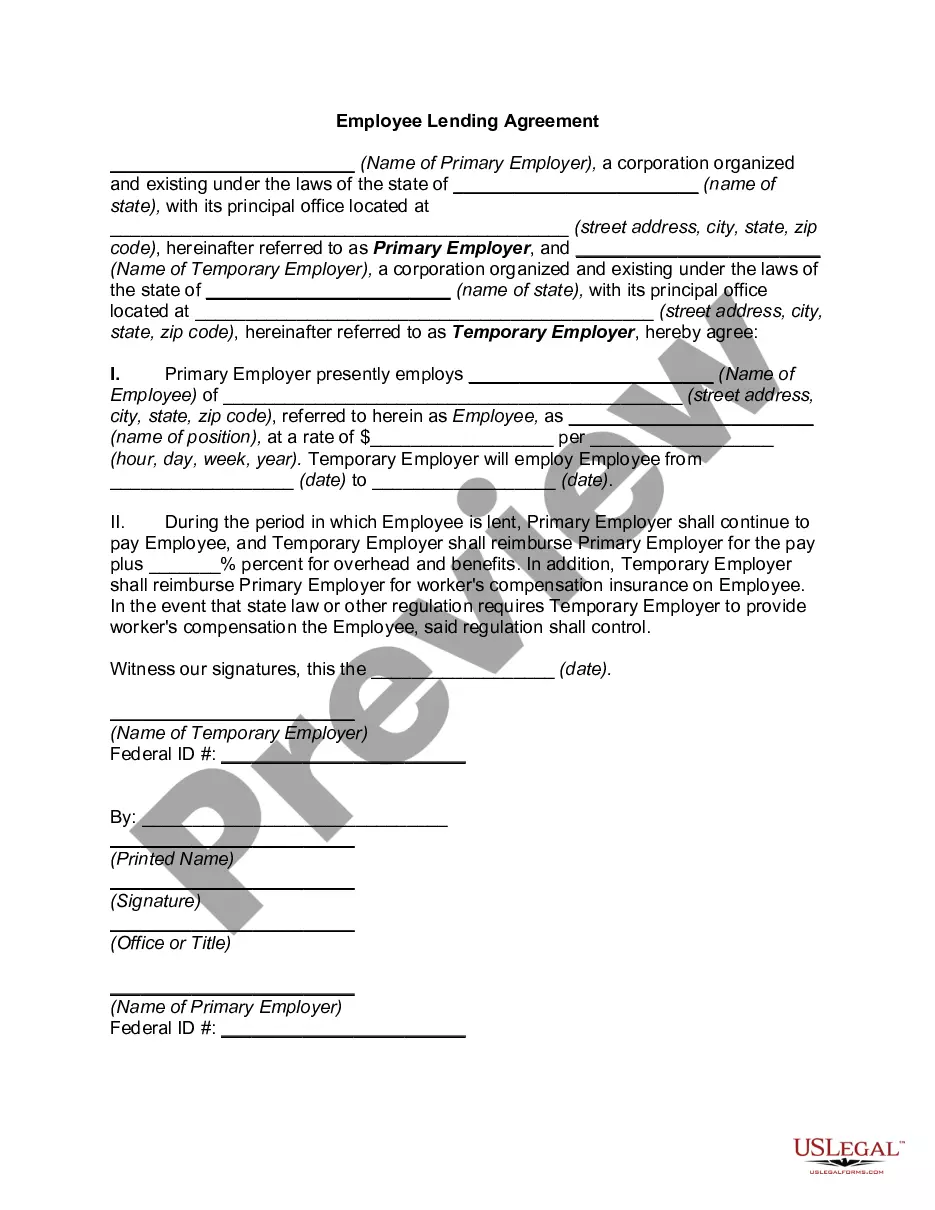
Get your form ready online
Our built-in tools help you complete, sign, share, and store your documents in one place.
Make edits, fill in missing information, and update formatting in US Legal Forms—just like you would in MS Word.
Download a copy, print it, send it by email, or mail it via USPS—whatever works best for your next step.
Sign and collect signatures with our SignNow integration. Send to multiple recipients, set reminders, and more. Go Premium to unlock E-Sign.
If this form requires notarization, complete it online through a secure video call—no need to meet a notary in person or wait for an appointment.
We protect your documents and personal data by following strict security and privacy standards.

Make edits, fill in missing information, and update formatting in US Legal Forms—just like you would in MS Word.

Download a copy, print it, send it by email, or mail it via USPS—whatever works best for your next step.

Sign and collect signatures with our SignNow integration. Send to multiple recipients, set reminders, and more. Go Premium to unlock E-Sign.

If this form requires notarization, complete it online through a secure video call—no need to meet a notary in person or wait for an appointment.

We protect your documents and personal data by following strict security and privacy standards.
Looking for another form?
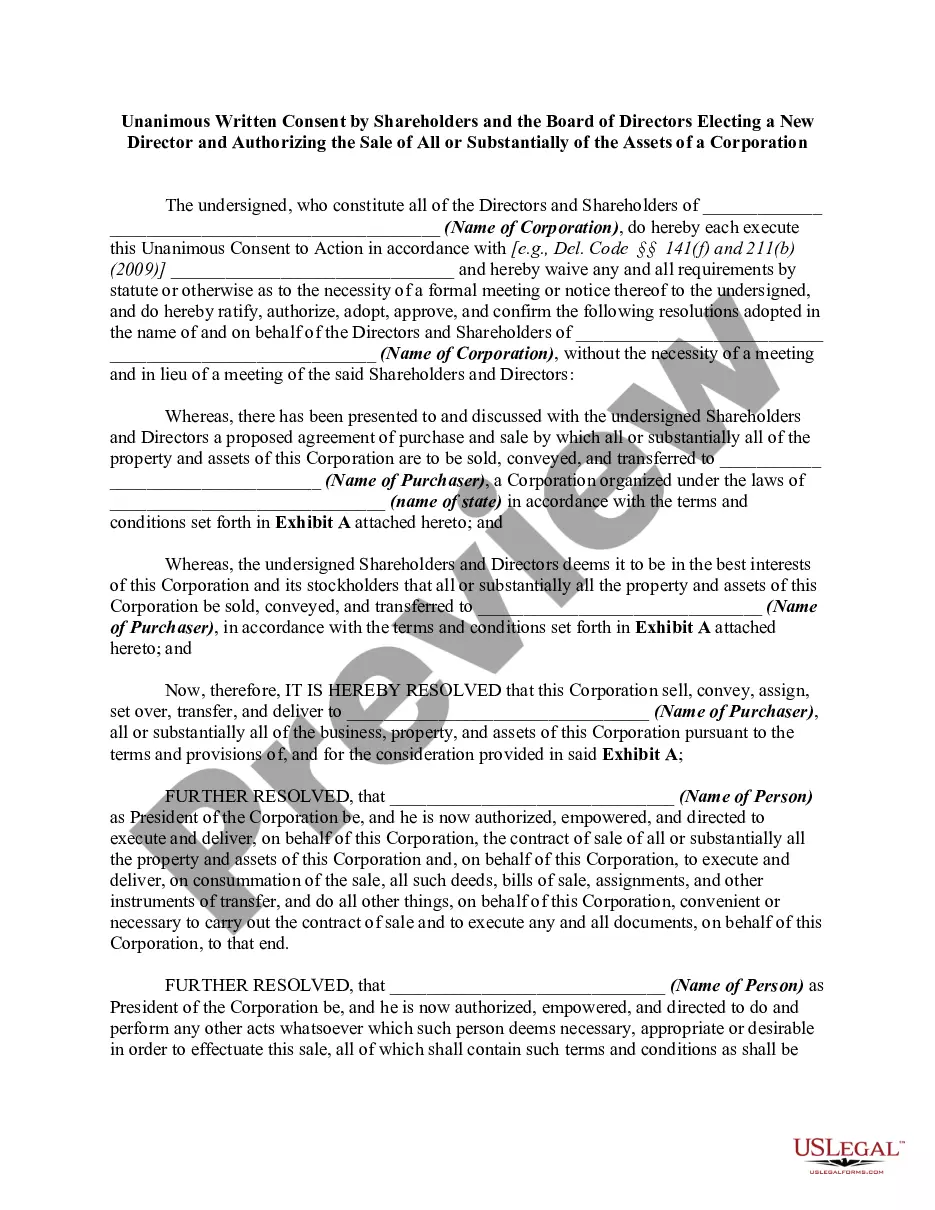

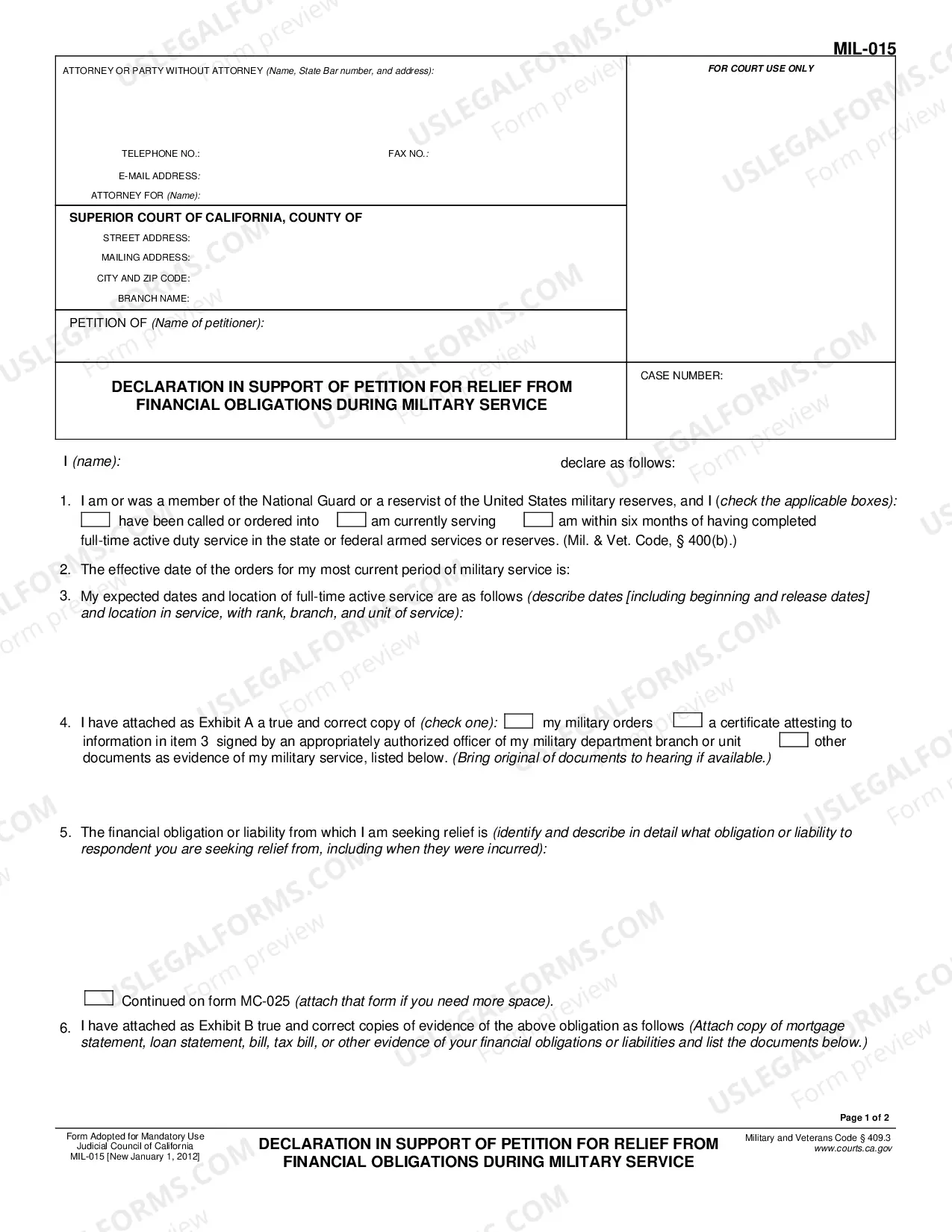
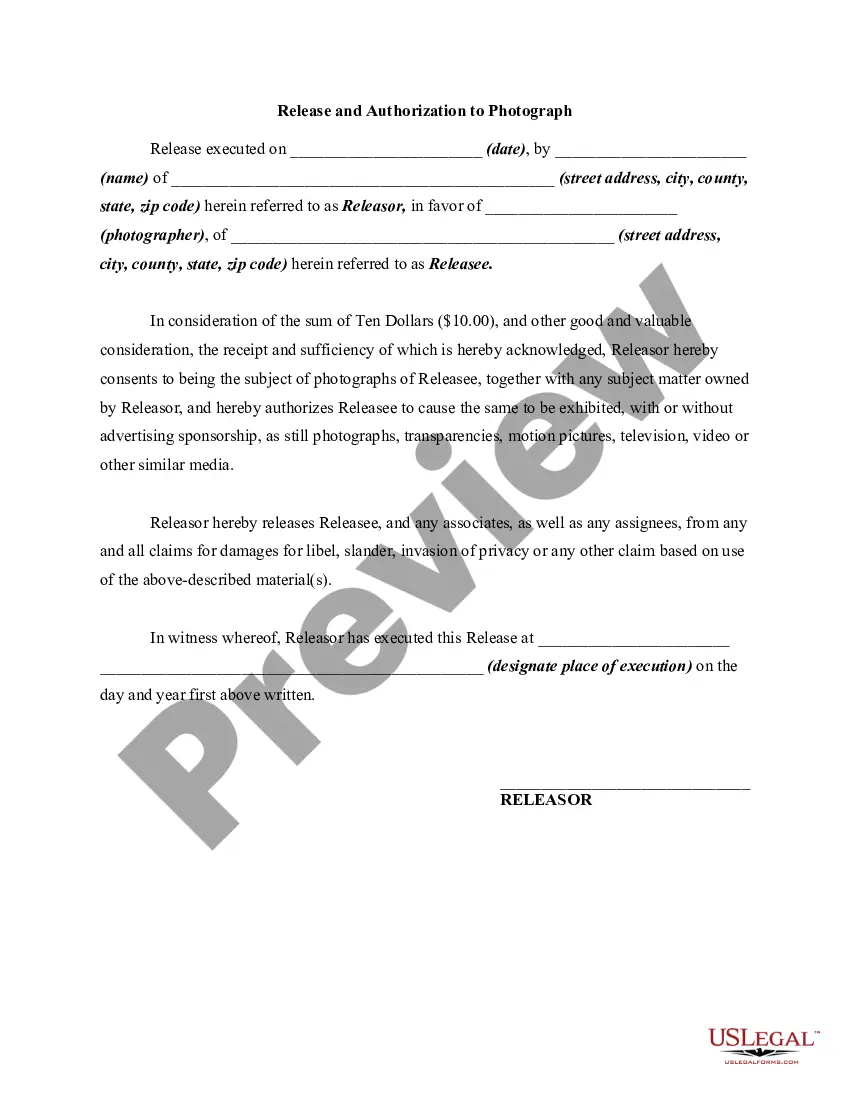
Form popularity
FAQ
A landlord may evict a renter who does not have a lease and instead has a renter's agreement, as long as they give the tenant at least a 30-day notice. There is no reasoning required for a landlord to end this type of agreement.
Your landlord must notify you in writing that he/she intends to terminate the lease. If you are renting month-to-month, you are entitled to a 30-day written notice. Leases running year-to-year require a 60-day written notice. YOUR LANDLORD DOES NOT HAVE TO GIVE YOU ANY REASON FOR TERMINATING THE LEASE.
Although there is no formal lease, both parties still have rights and obligations under state and local landlord-tenant laws. Tenants are entitled to a habitable living space, privacy, and proper notice before eviction, while landlords must maintain the property, make necessary repairs, and respect the tenant's rights.
Tenants without a lease generally have the same rights as tenants with a lease. This means that a tenant can only withhold rent in certain situations, such as when the landlord has failed to make necessary repairs that affect the habitability of the rental unit.
While you can sue a tenant without a lease, there are a few things to consider before you proceed. First, tenants that do not have a written lease may still have significant protection under the law. Second, it can be more difficult to argue and win your case without a written lease to refer to.
Make sure all essential details, including rent amount, security deposit, and lease duration, are clearly stated in the agreement. If needed, seek legal advice to ensure that the agreement aligns with Illinois leasing laws. Once both parties are satisfied with the terms, sign the residential lease agreement.
What can make a lease invalid? A lease would be invalid generally if there is a factual error in the contract (for example the lease says it's for 123 Main Street, while the property is actually 213 Main Street), or if either party misrepresented themselves or the property.
9 Ways to Get Approved With No Rental History Increasing The Security Deposit. Show Proof of Income. Provide Proof of Employment. Consider Renting with a Roommate. Collect References. Get a Cosigner. Get a Guarantor. Show Proof of Regular Payments.
Weekly Lease - Seven days of notice. Monthly Lease - 30 days of notice. Yearly Lease (with no end date) - 60 days of notice.
Handwritten contracts are legally binding if they meet the necessary conditions that apply to all contracts: mutual agreement, capacity, consideration, and legal validity. There are no legal differences between typed and handwritten agreements when it comes to enforceability.