Employee Form Documentation For Behavior In Hillsborough
Description

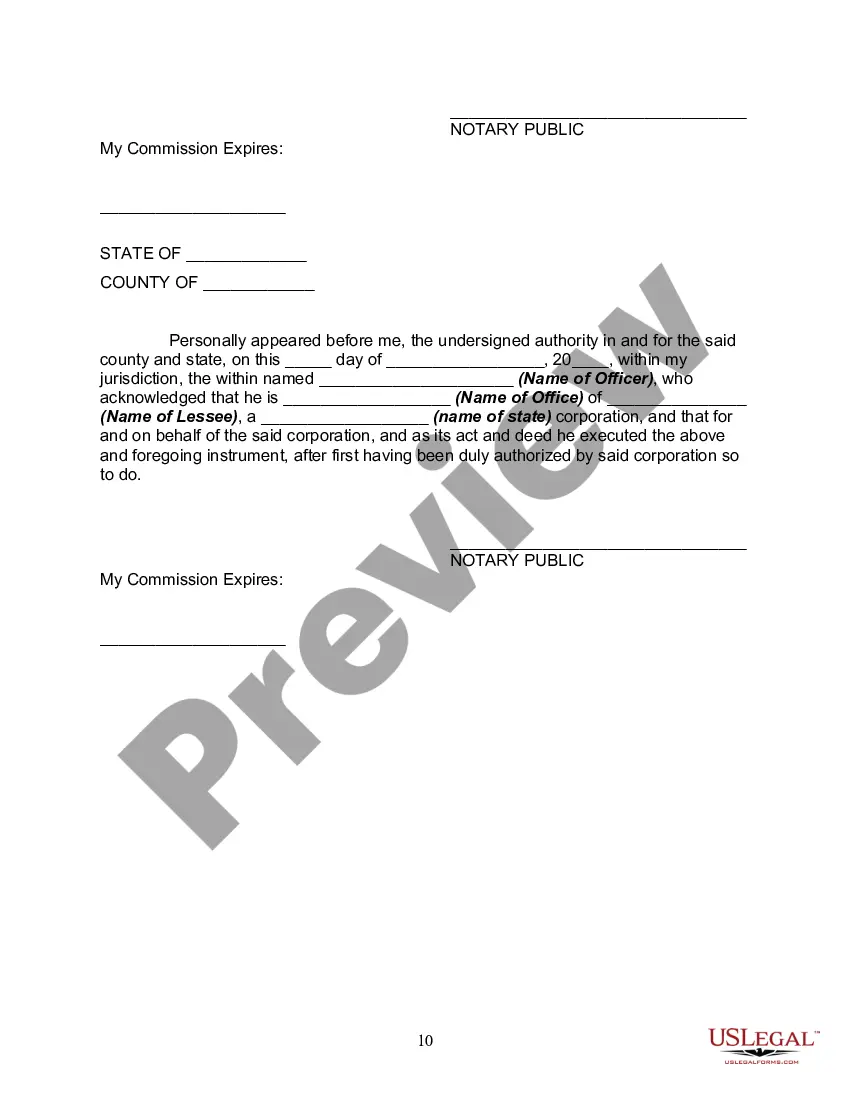
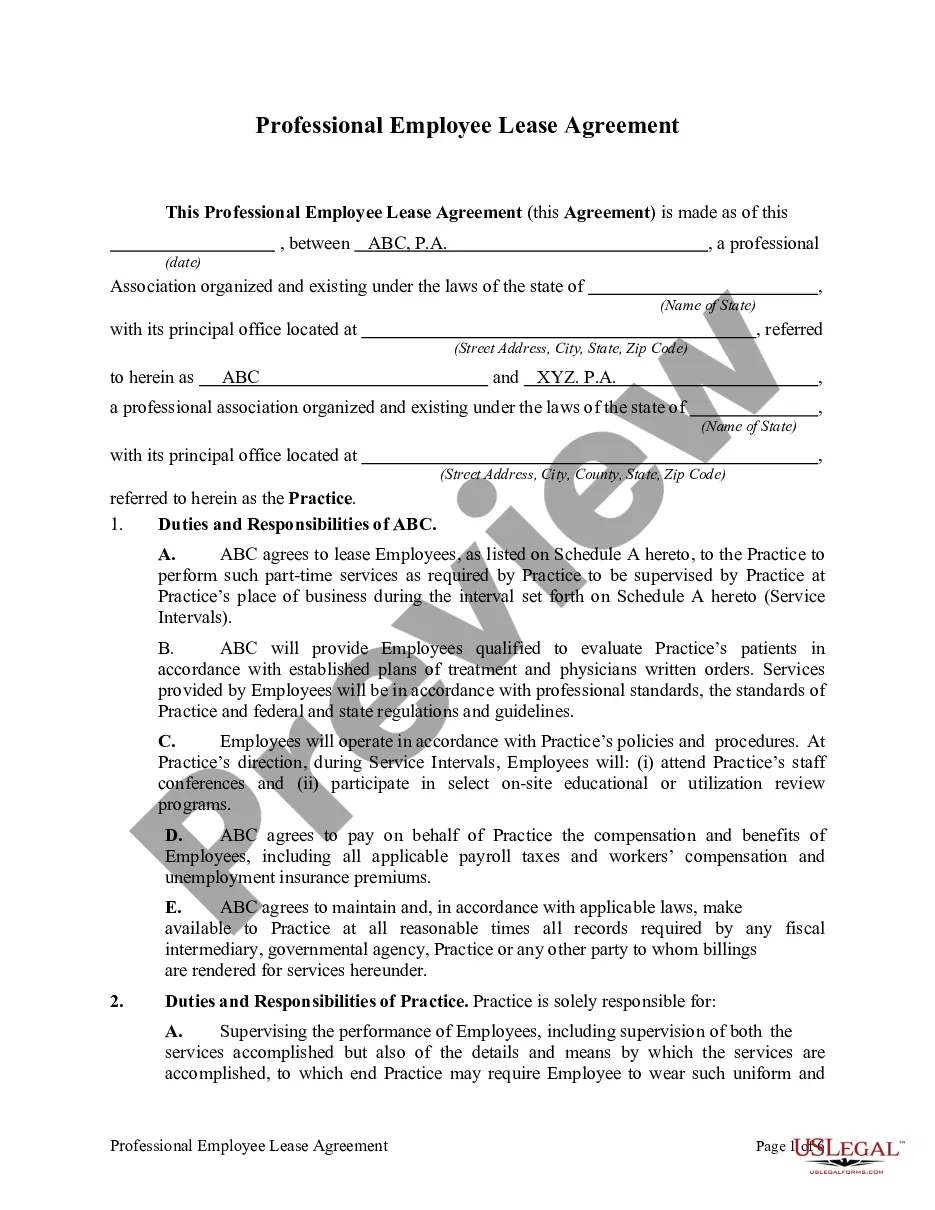
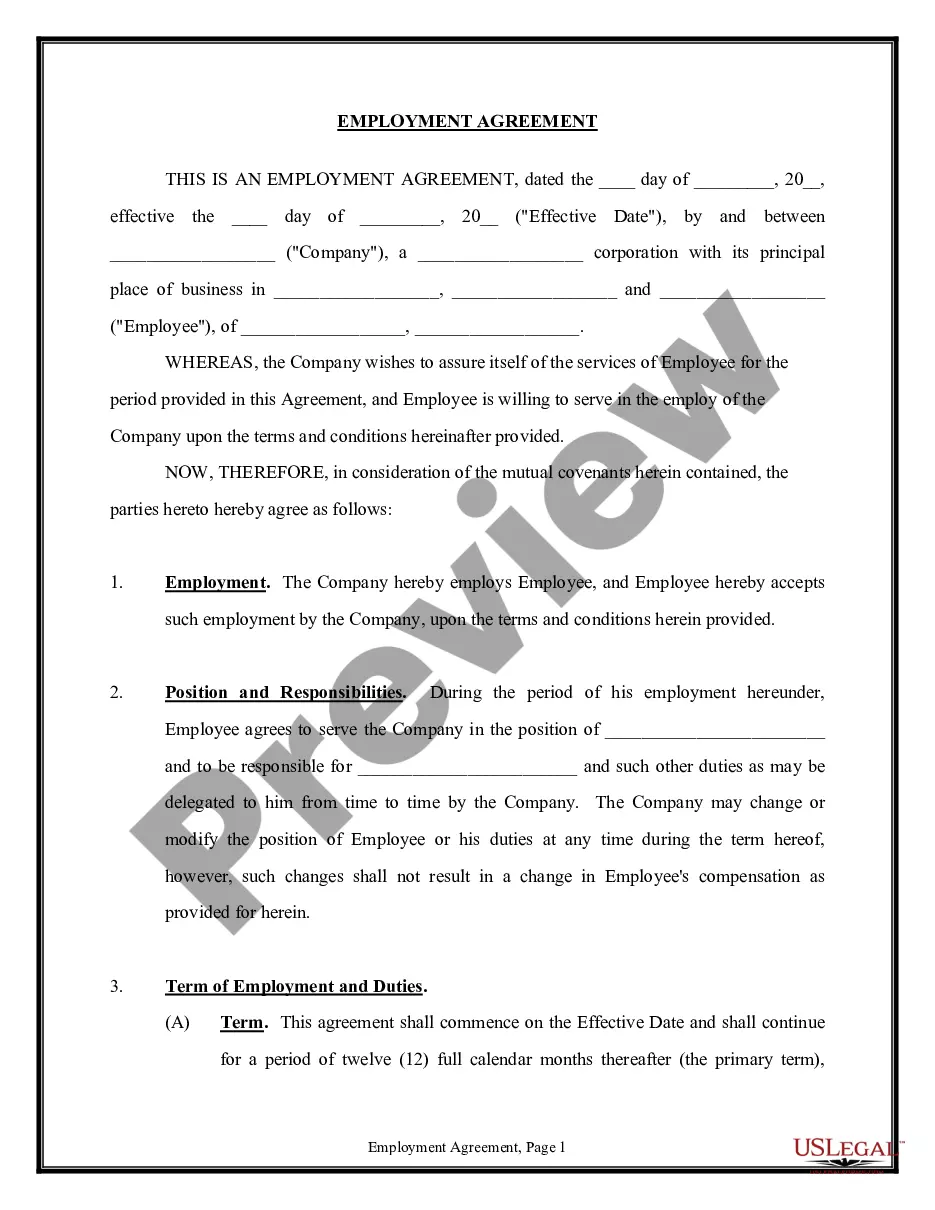
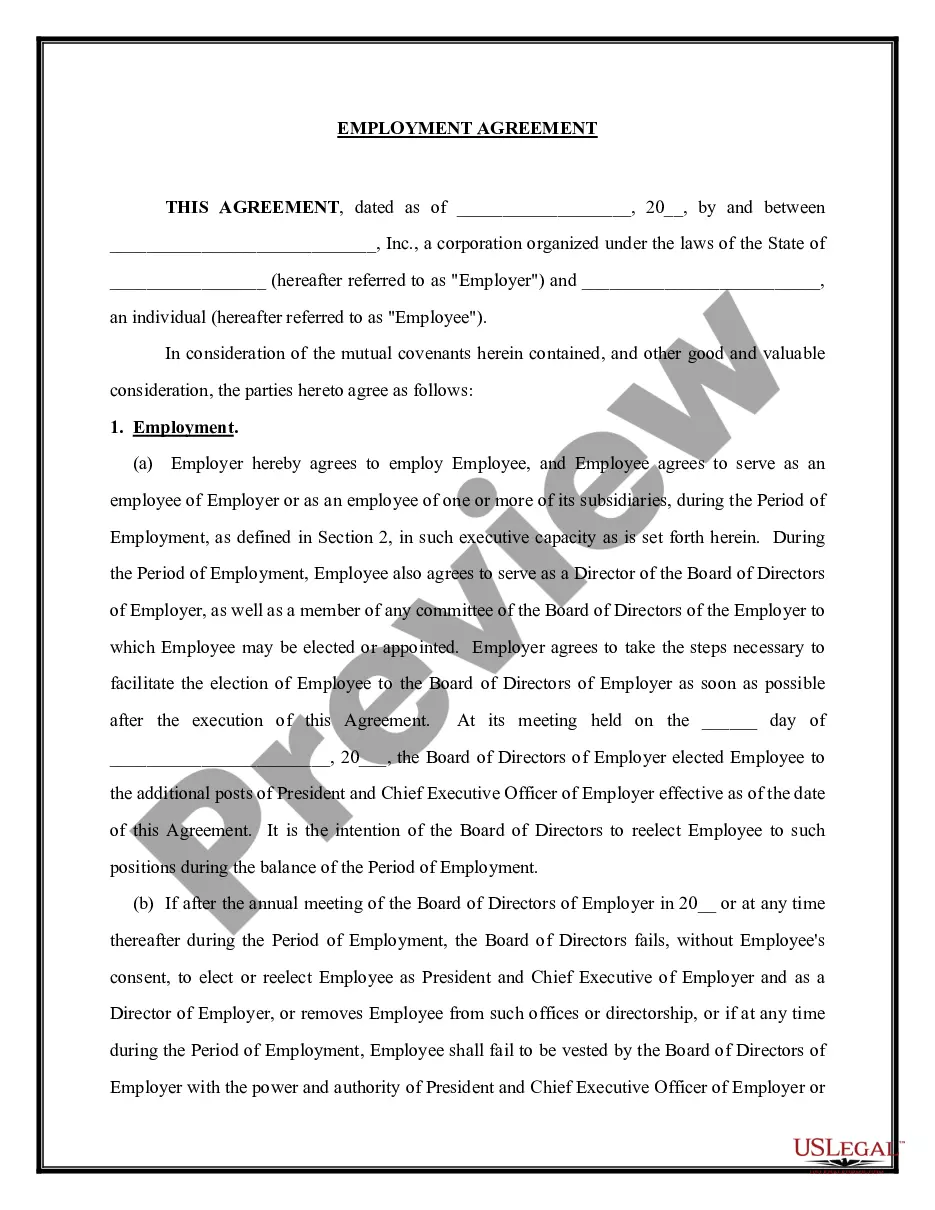
Get your form ready online
Our built-in tools help you complete, sign, share, and store your documents in one place.
Make edits, fill in missing information, and update formatting in US Legal Forms—just like you would in MS Word.
Download a copy, print it, send it by email, or mail it via USPS—whatever works best for your next step.
Sign and collect signatures with our SignNow integration. Send to multiple recipients, set reminders, and more. Go Premium to unlock E-Sign.
If this form requires notarization, complete it online through a secure video call—no need to meet a notary in person or wait for an appointment.
We protect your documents and personal data by following strict security and privacy standards.

Make edits, fill in missing information, and update formatting in US Legal Forms—just like you would in MS Word.

Download a copy, print it, send it by email, or mail it via USPS—whatever works best for your next step.

Sign and collect signatures with our SignNow integration. Send to multiple recipients, set reminders, and more. Go Premium to unlock E-Sign.

If this form requires notarization, complete it online through a secure video call—no need to meet a notary in person or wait for an appointment.

We protect your documents and personal data by following strict security and privacy standards.
Looking for another form?







Form popularity
FAQ
If you have any questions or would like more information, please call (813) 272-4906.
Focus on what happened, who was involved, and the context. Avoid Jargon: Use clear and simple language understandable by all readers. Date and Time: Note when the incident occurred. Location: Specify where the behavior took place (eg, patient room, waiting area).
How to Write an Incident Report: A Step-by-Step Guide (with Examples) Step 1: Provide Fundamental Information. Step 2: Take Note of Any Damages and Injuries. Step 3: Identify Affected Individual(s) ... Step 4: Identify Witnesses and Take Their Statements. Step 5: Take Action. Step 6: Close Your Report.
Focus on Behavior, Not the Person Describe specific behaviors or actions, not personal judgments. Clearly outline expectations for improvement. State consequences of not meeting expectations. Set clear, achievable benchmarks for the employee.
Focus on what happened, who was involved, and the context. Avoid Jargon: Use clear and simple language understandable by all readers. Date and Time: Note when the incident occurred. Location: Specify where the behavior took place (eg, patient room, waiting area).
Provide Context. It is helpful to know if a child was being aggressive, but without a more complete picture it will be a lot more difficult to know what the next steps should be. In addition to logging the behavior, note what was happening at the time.
Documenting employee discipline procedures Taking detailed meeting notes. A thorough investigation report, showing the person was at fault. Evidence that you provided the employee with the opportunity to respond and you took this response into consideration. The termination letter explaining why the employee was dismissed.
A proper disciplinary process should contain a five key steps: A disciplinary investigation. An initial disciplinary letter that sets out the issues to be discussed. A meeting to discuss the issue (the disciplinary hearing) A disciplinary decision. A chance to appeal the disciplinary decision.
It should include: Personal Information: Full name, address, contact details, marital status, and spouse's details. Job Information: Title, department, supervisor, work location, start date, and salary. Emergency Contact Information: Name, address, and contact details of the emergency contact.
To document employee discipline, include the employee's name, the date of the write-up, clear reasons for the disciplinary action, the number of times the employee has been written up, details about the problem including evidence, and a deadline for corrective action. Then, have the employee sign and date the document.
