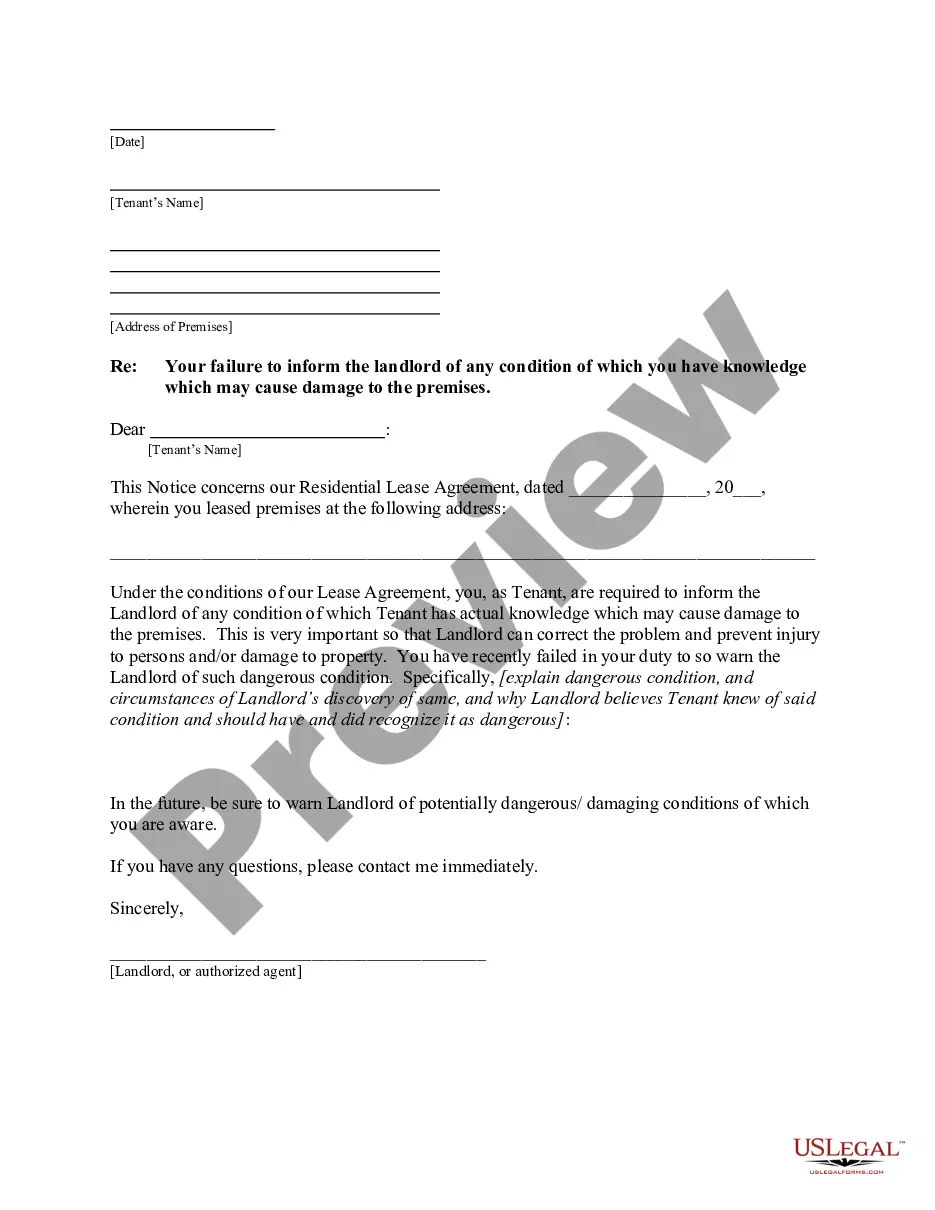
Missouri Special Warranty Deed
What is this form?
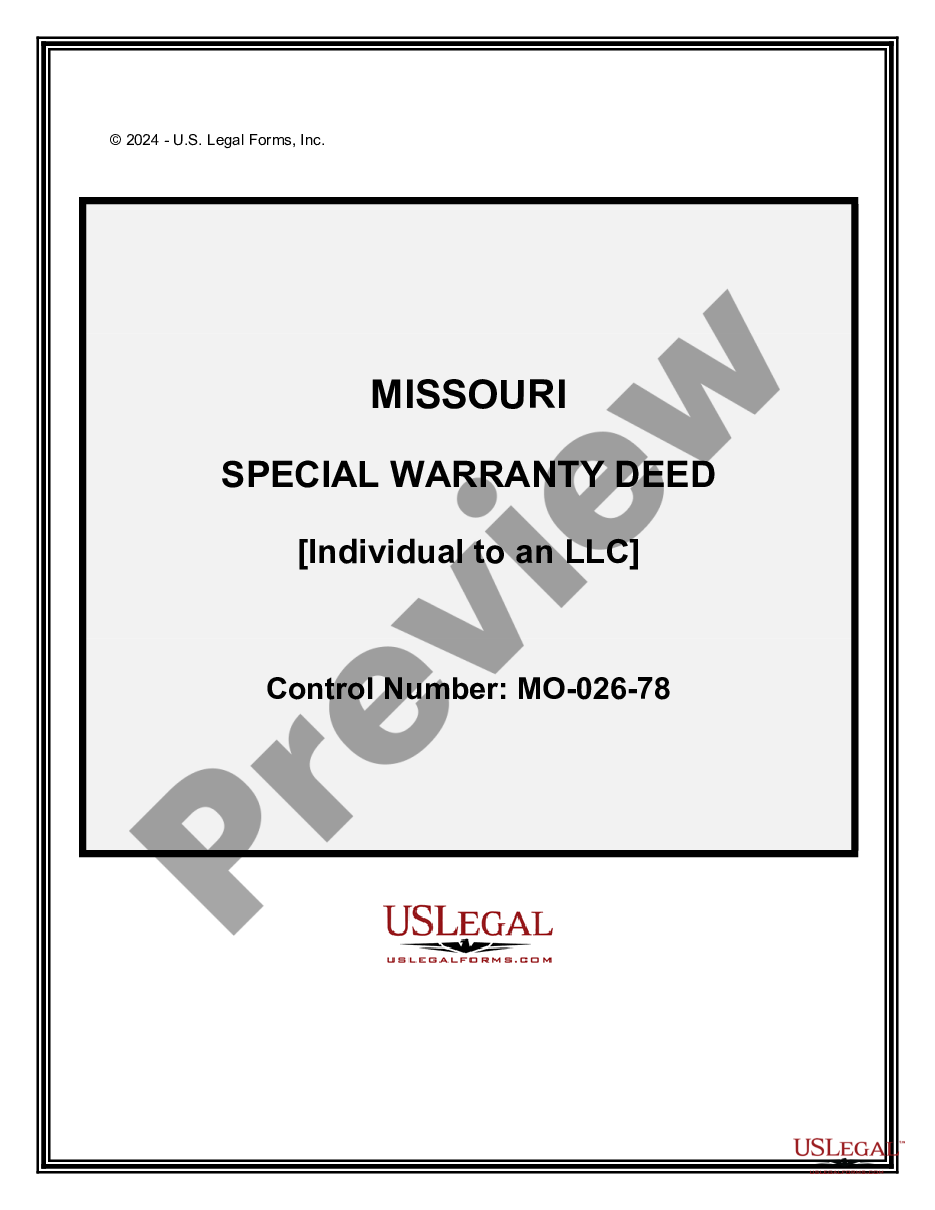
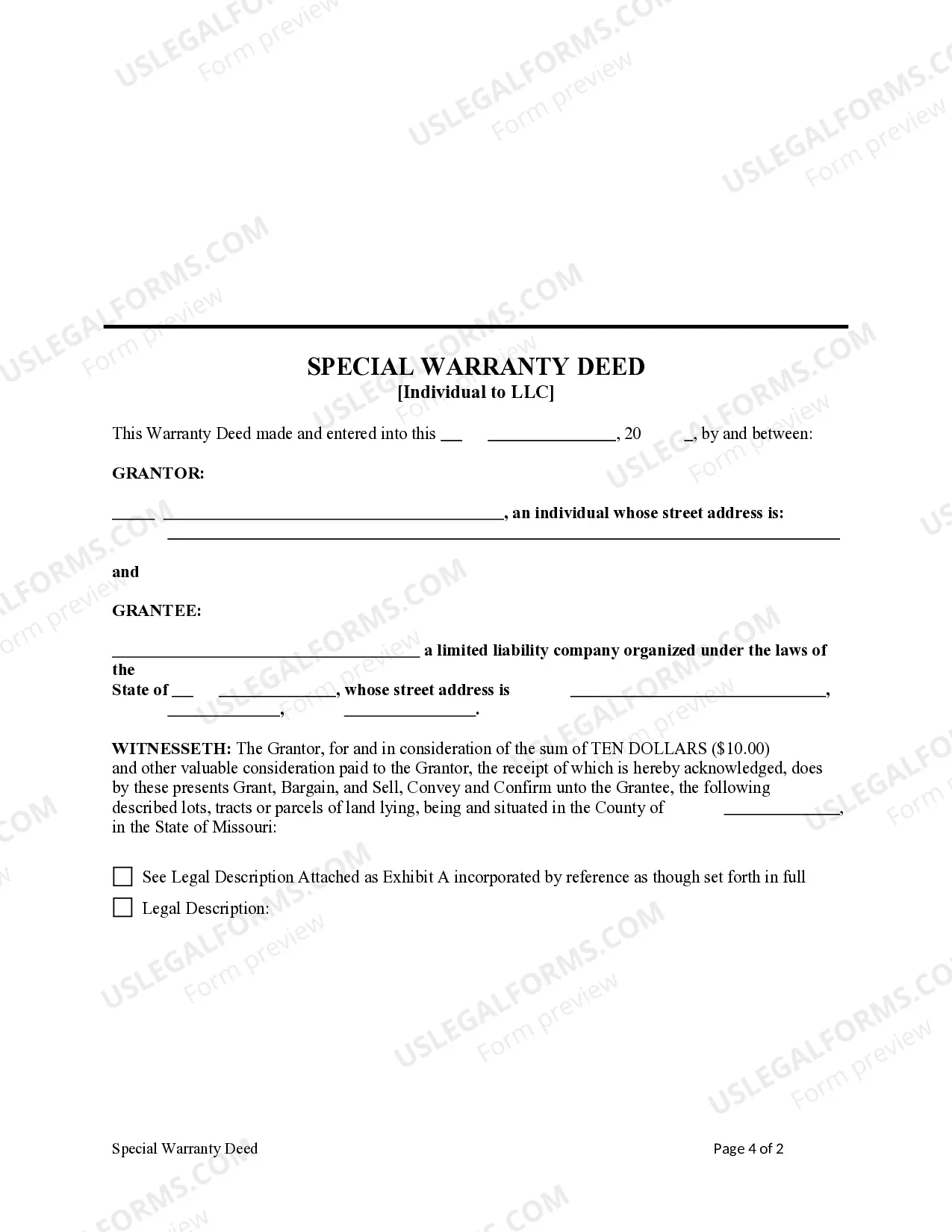
A Special Warranty Deed is a legal document used to transfer ownership of real property from one individual, known as the Grantor, to a limited liability company, referred to as the Grantee. This form provides specific warranties regarding the title of the property, assuring the Grantee that the Grantor will defend against claims made by individuals who assert any title or ownership rights through the Grantor. Unlike a general warranty deed, this form limits the Grantor's liability to claims arising only during their ownership period, making it distinct and focused in purpose.
Key components of this form
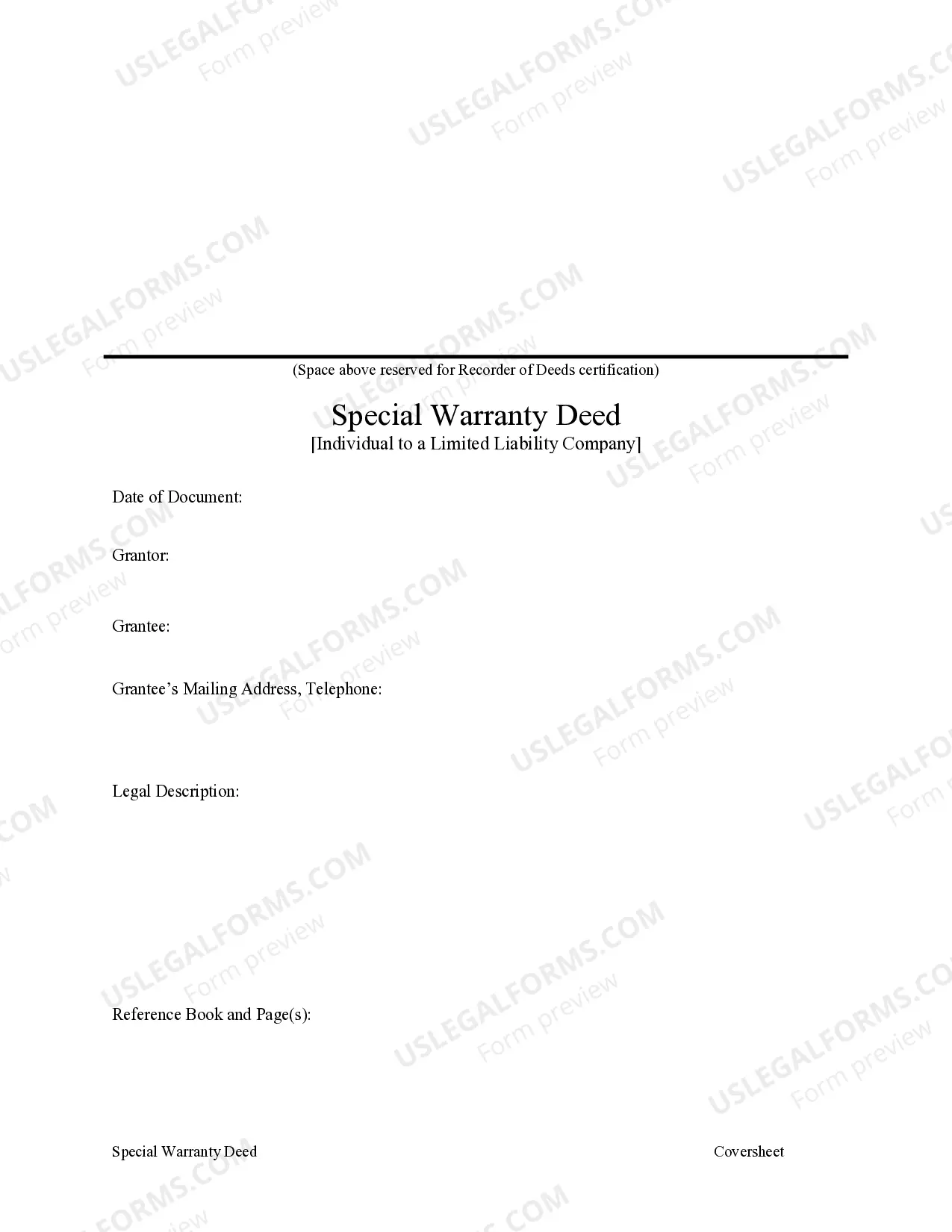
- The names and addresses of the Grantor and Grantee.
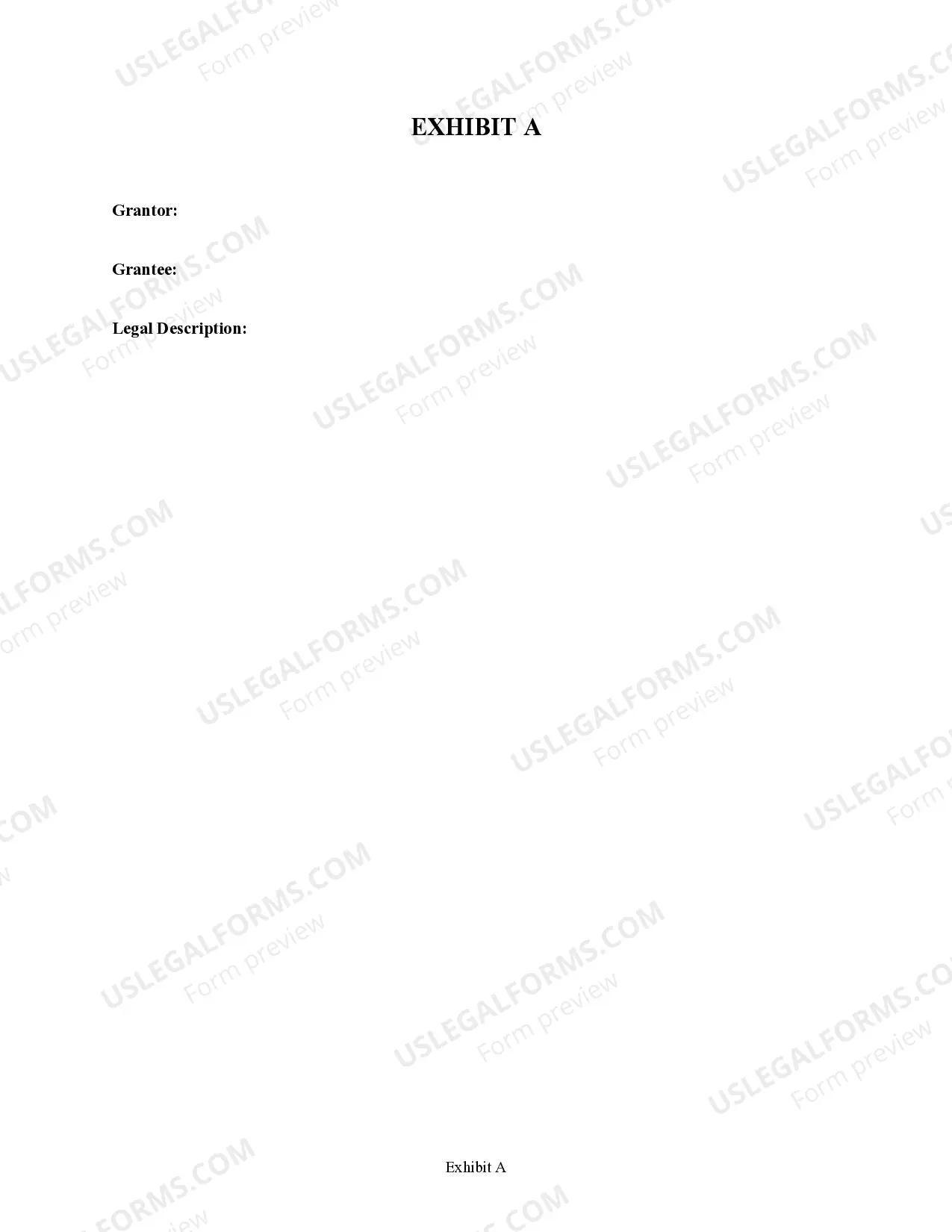
- A legal description of the property being transferred.
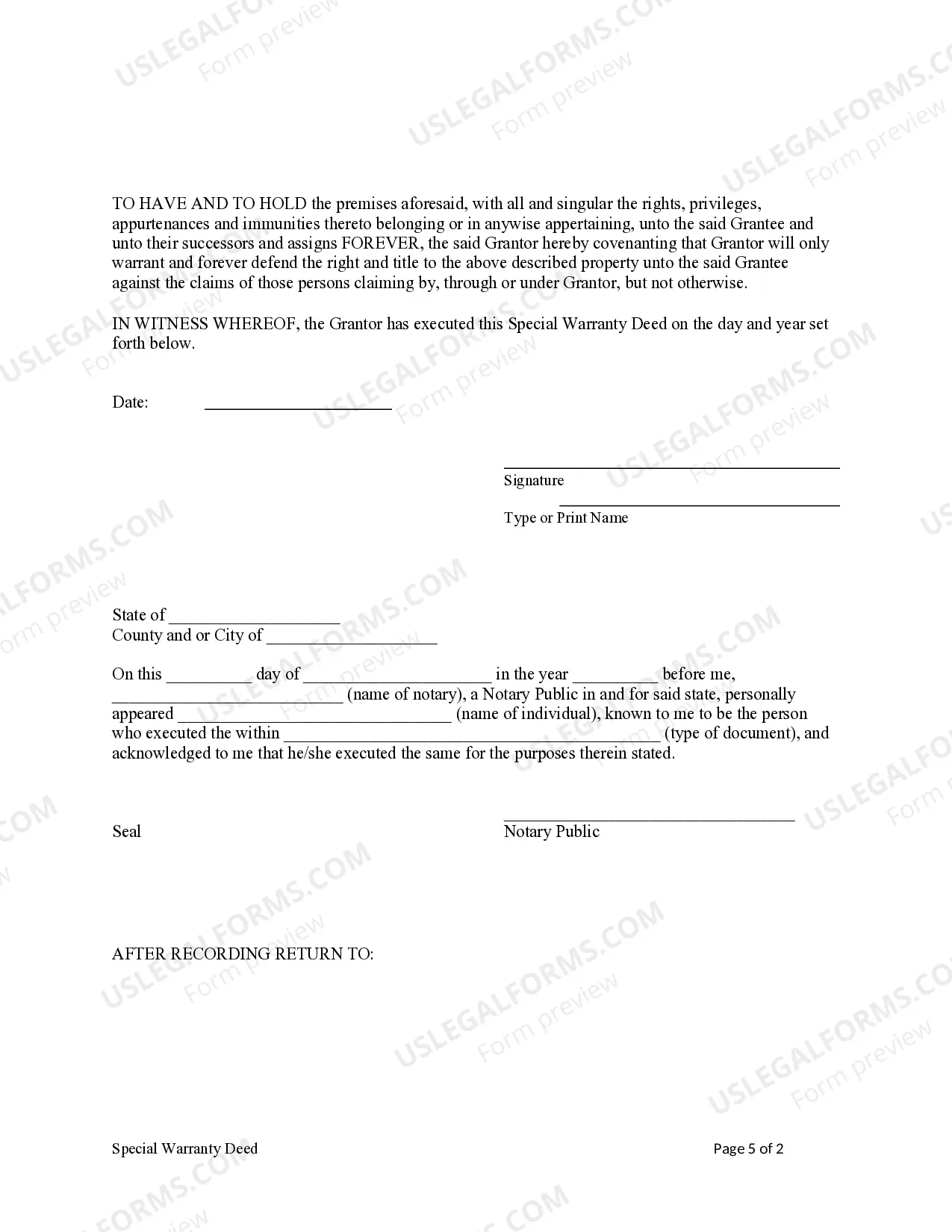
- Warranties provided by the Grantor regarding title claims.
- Signature lines for the Grantor and necessary witnesses.
- Space for notarization, if required.

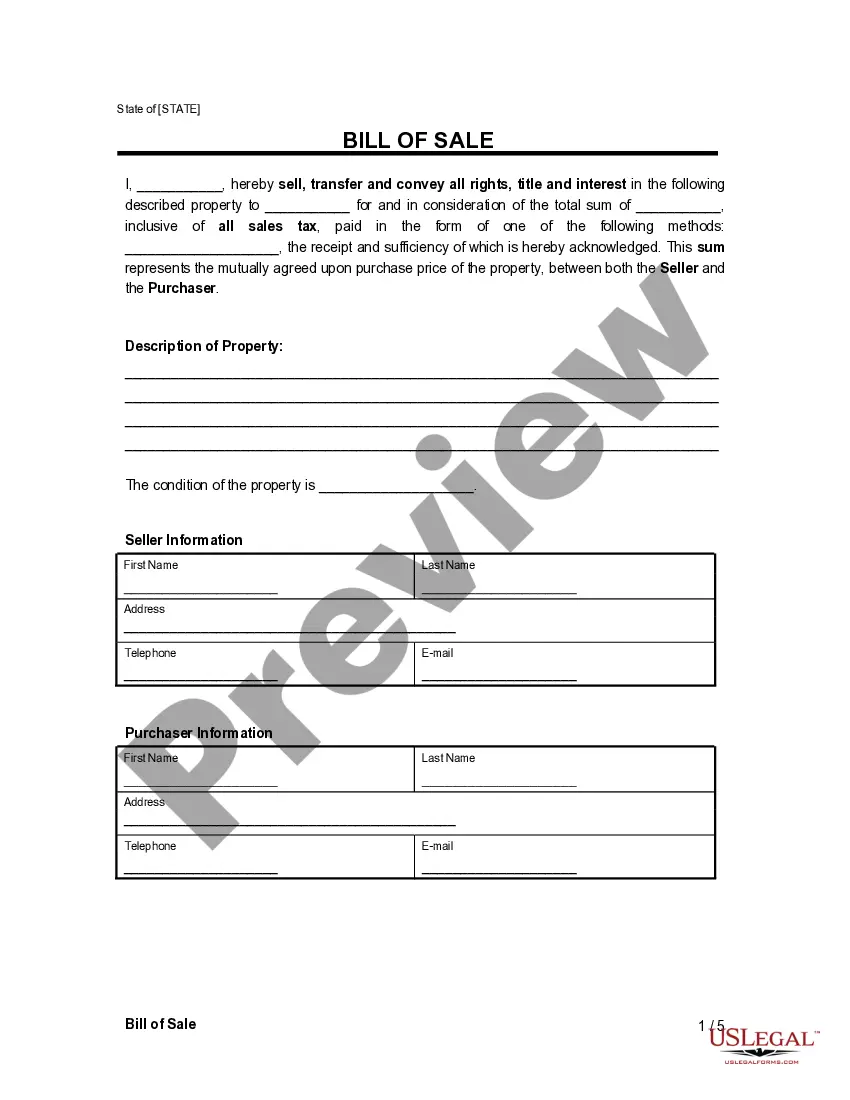
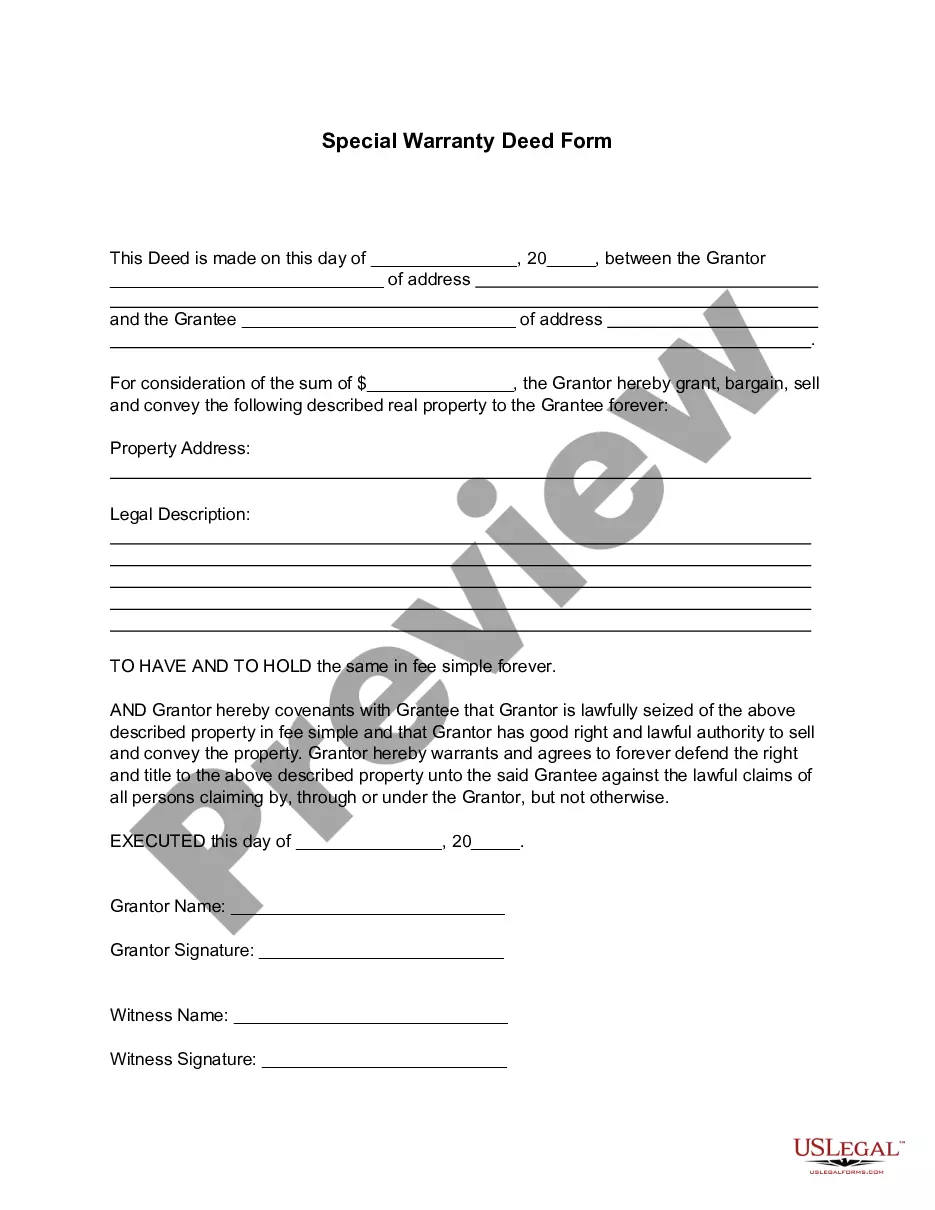
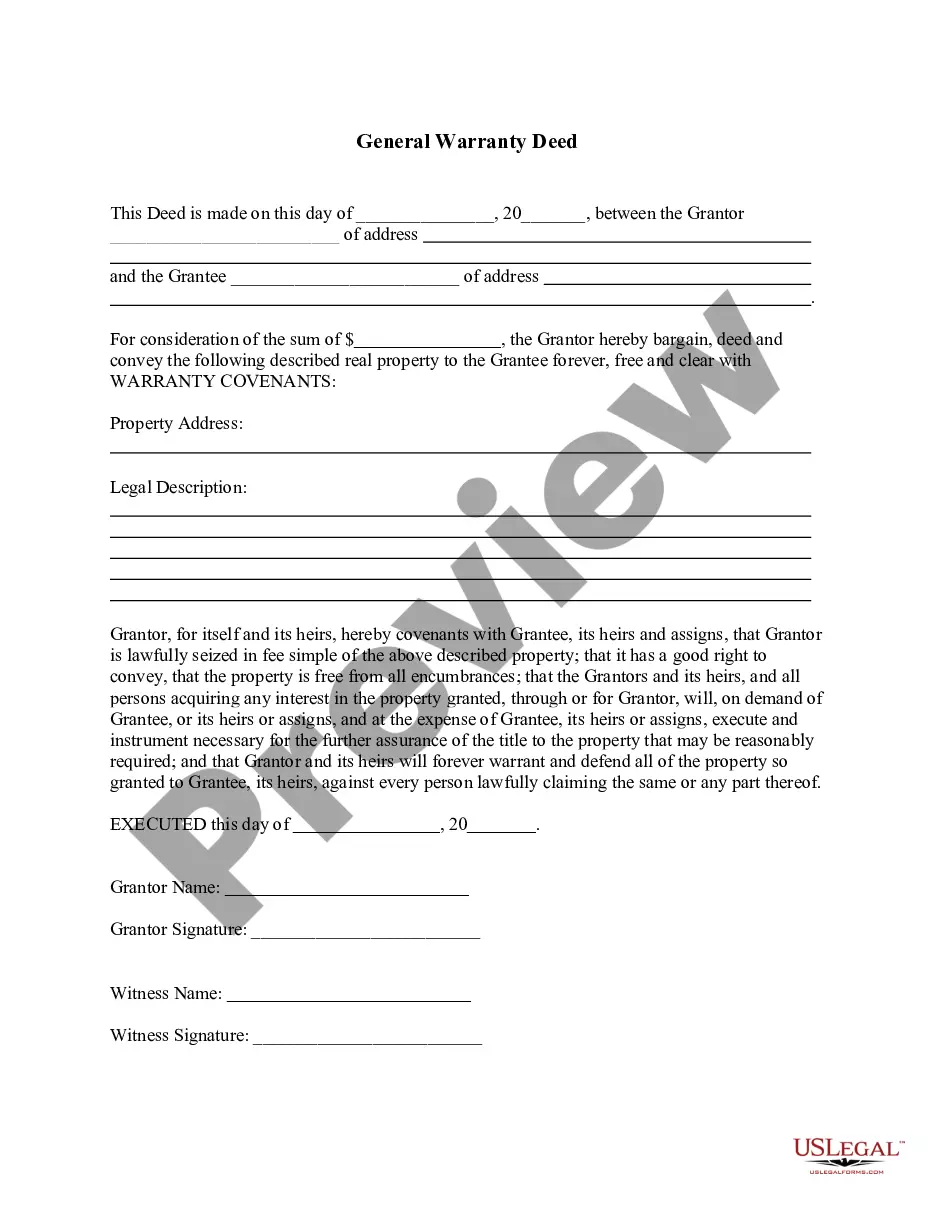
When this form is needed
This form is appropriate when an individual wishes to transfer property ownership to a limited liability company and wants to limit their liability regarding any claims to the title. Common scenarios include real estate transactions involving business entities or when a property owner is transferring ownership to a company they are affiliated with.
Intended users of this form
This form is suitable for:
- Individuals or parties acting as Grantors who are transferring real property.
- Limited liability companies acting as Grantees.
- Real estate professionals or attorneys facilitating property transfers.
- Anyone needing to establish a clear title transfer with limited liability for future claims.
How to prepare this document
- Identify the parties involved: Clearly state the names and addresses of both the Grantor and Grantee.
- Provide the legal description: Include a precise description of the property being transferred.
- Specify the warranty: Note that the Grantor will defend the title as to claims made by persons claiming through or under them.
- Sign the deed: The Grantor must sign the document in the presence of a notary if required.
- File the deed: Submit the completed form to the appropriate county recorder of deeds office to finalize the transfer.
Does this document require notarization?
This form does not typically require notarization unless specified by local law. However, if required, the document must be signed in the presence of a notary public to be legally valid.
Get your form ready online
Our built-in tools help you complete, sign, share, and store your documents in one place.
Make edits, fill in missing information, and update formatting in US Legal Forms—just like you would in MS Word.
Download a copy, print it, send it by email, or mail it via USPS—whatever works best for your next step.
Sign and collect signatures with our SignNow integration. Send to multiple recipients, set reminders, and more. Go Premium to unlock E-Sign.
If this form requires notarization, complete it online through a secure video call—no need to meet a notary in person or wait for an appointment.
We protect your documents and personal data by following strict security and privacy standards.

Make edits, fill in missing information, and update formatting in US Legal Forms—just like you would in MS Word.

Download a copy, print it, send it by email, or mail it via USPS—whatever works best for your next step.

Sign and collect signatures with our SignNow integration. Send to multiple recipients, set reminders, and more. Go Premium to unlock E-Sign.

If this form requires notarization, complete it online through a secure video call—no need to meet a notary in person or wait for an appointment.

We protect your documents and personal data by following strict security and privacy standards.
Typical mistakes to avoid
- Failing to provide a complete legal description of the property.
- Not including the necessary signatures or outdated notarization.
- Using the form without confirming state-specific requirements or modifications.
Advantages of online completion
- Convenience of downloading and completing the form at your own pace.
- Editability of form fields using your computer to ensure accuracy.
- Accessibility to legal forms prepared by licensed attorneys.
- No need to travel to an office or wait for assistance.
Looking for another form?
Form popularity
FAQ
A Missouri Special Warranty Deed is not inherently a red flag, but it does require careful consideration. This deed type restricts the seller's guarantees about the property's history, which may signal potential risks. Buyers should evaluate the property's condition and history before proceeding. Utilizing resources like US Legal Forms can provide clarity and help you navigate any concerns effectively.
Buying a house with a Missouri Special Warranty Deed can be a safe option, but it is essential to understand what it entails. This type of deed limits the seller's liability for any issues that arose before their ownership. Therefore, conducting thorough due diligence and obtaining a title search is crucial. You can also use US Legal Forms to access templates and guidance, ensuring you make informed decisions throughout the process.
Filling out a Missouri Special Warranty Deed requires attention to detail. Start by including the names of the grantor and grantee, along with a legal description of the property. Next, clearly state the terms of the transfer and ensure the document is signed and notarized. Utilizing resources from USLegalForms can help you navigate this process effectively, providing templates to make it easier.
A Missouri Special Warranty Deed is a legal document used to transfer property ownership with specific guarantees. Unlike a general warranty deed, it only covers claims made during the seller's ownership period. This means the seller is responsible for any issues that arose while they owned the property. Understanding this distinction is crucial for both buyers and sellers in Missouri.
Yes, you can file a Missouri Special Warranty Deed yourself. However, it is important to understand the process and requirements involved. You will need to ensure that the deed is properly completed and meets the legal standards in Missouri. For assistance, consider using USLegalForms, which provides templates and guidance to simplify the filing process.
Yes, there is a significant difference between a warranty deed and a Missouri Special Warranty Deed. A warranty deed provides the highest level of protection to the buyer, ensuring that the seller is responsible for any claims against the property, regardless of when they arise. In contrast, a Missouri Special Warranty Deed limits the seller’s liability to issues that occurred during their ownership of the property, protecting them from claims that arose before they took ownership. Understanding these differences is crucial when you are considering property transactions, and using a trusted platform like US Legal Forms can help you navigate these documents effectively.
It is possible to be named on the title deed of a home without being on the mortgage. However, doing so assumes risks of ownership because the title is not free and clear of liens and possible other encumbrances.If a mortgage exists, it's best to work with the lender to make sure everyone on the title is protected.
A special warranty deed to real estate offers protection to the buyer through the seller's guarantee that the title has been free and clear of encumbrances during their ownership of the property. It does not guarantee clear title beyond their ownership.
Adding someone to your house deed requires the filing of a legal form known as a quitclaim deed. When executed and notarized, the quitclaim deed legally overrides the current deed to your home. By filing the quitclaim deed, you can add someone to the title of your home, in effect transferring a share of ownership.
A special warranty deed includes a covenant that the land is free of any encumbrances done or suffered by the grantor and that the grantor will defend the title against the claims and demands of those claiming by, through, or under the grantor.