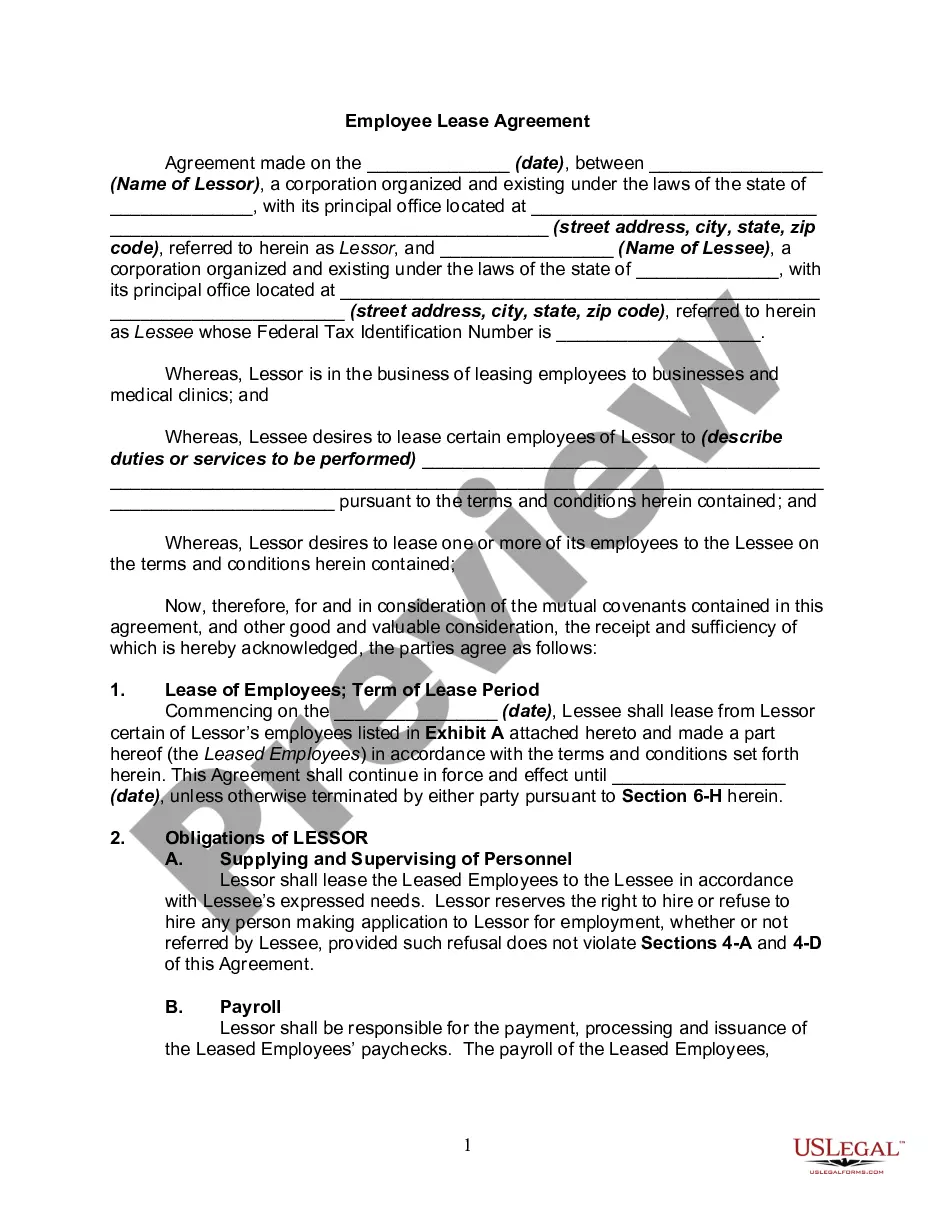
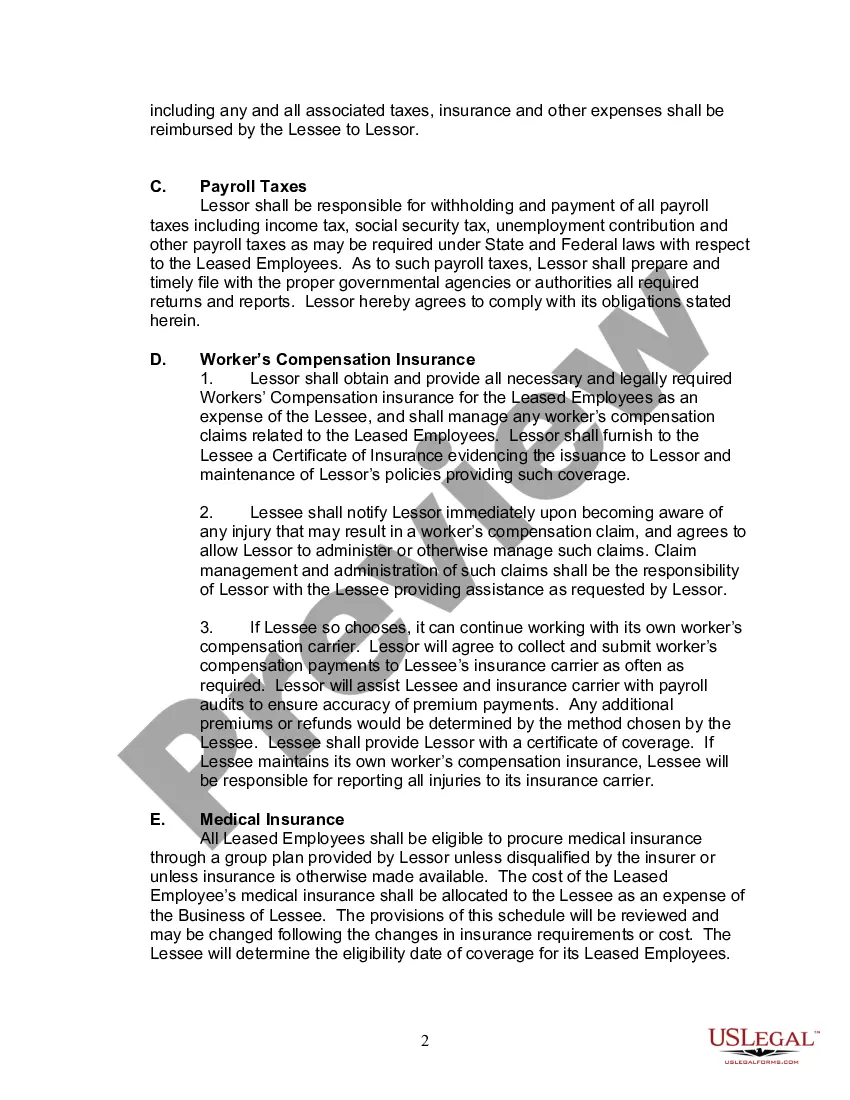
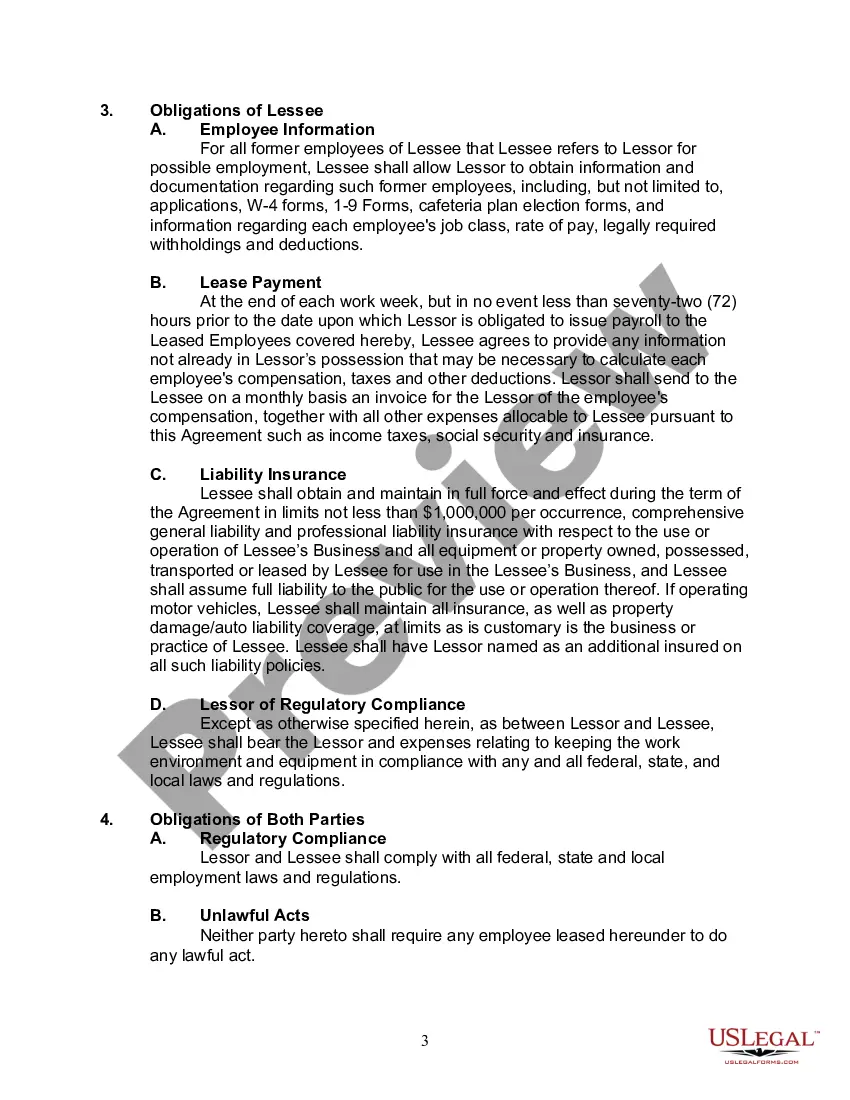
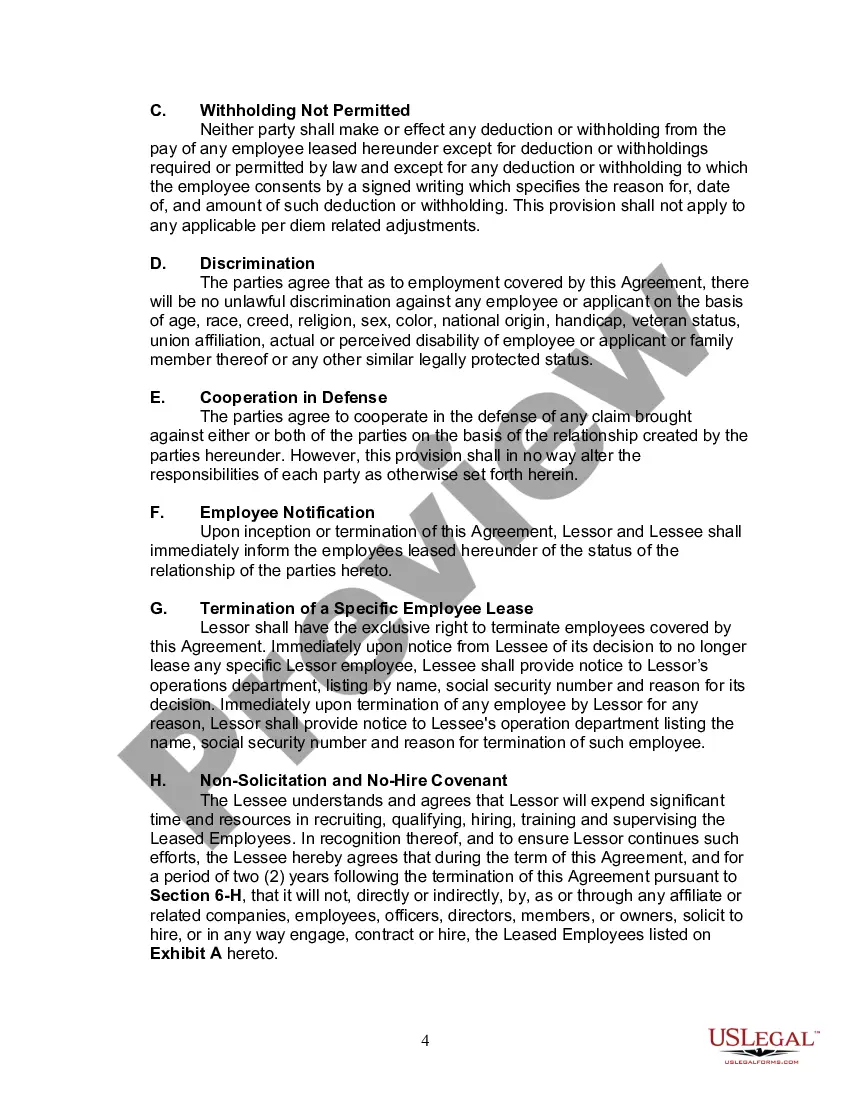
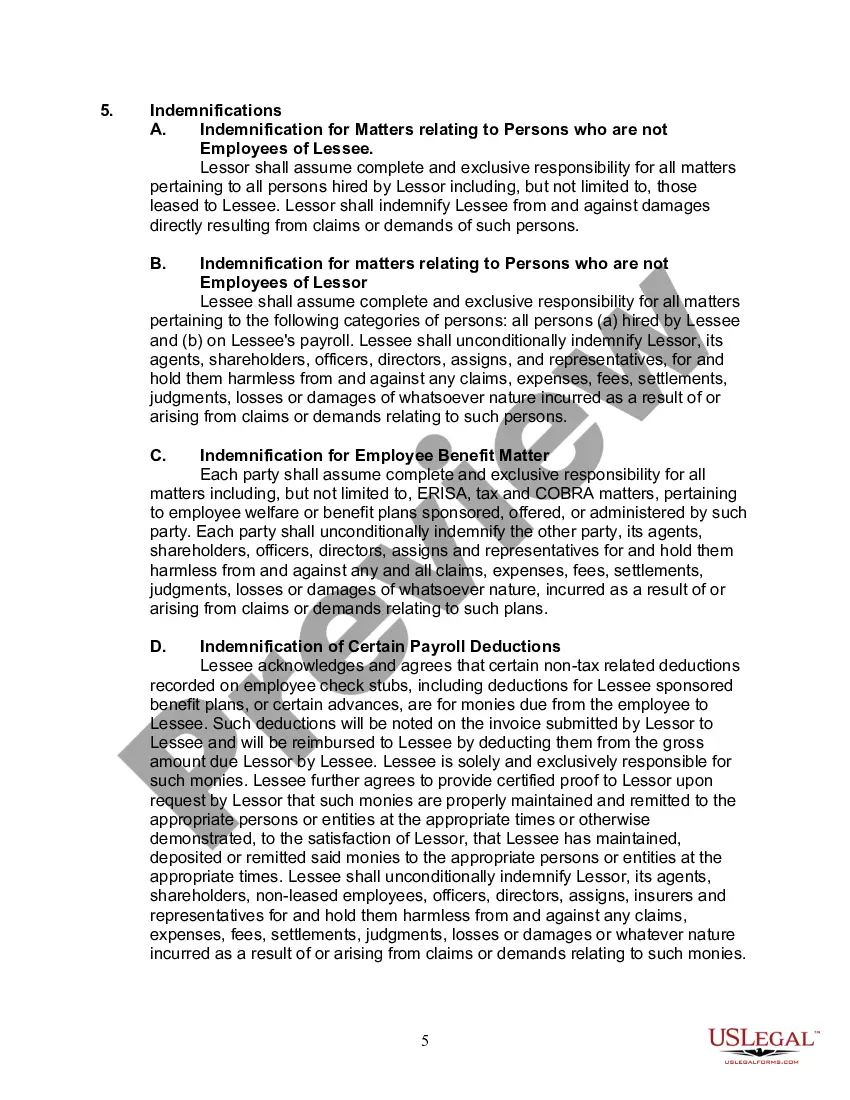
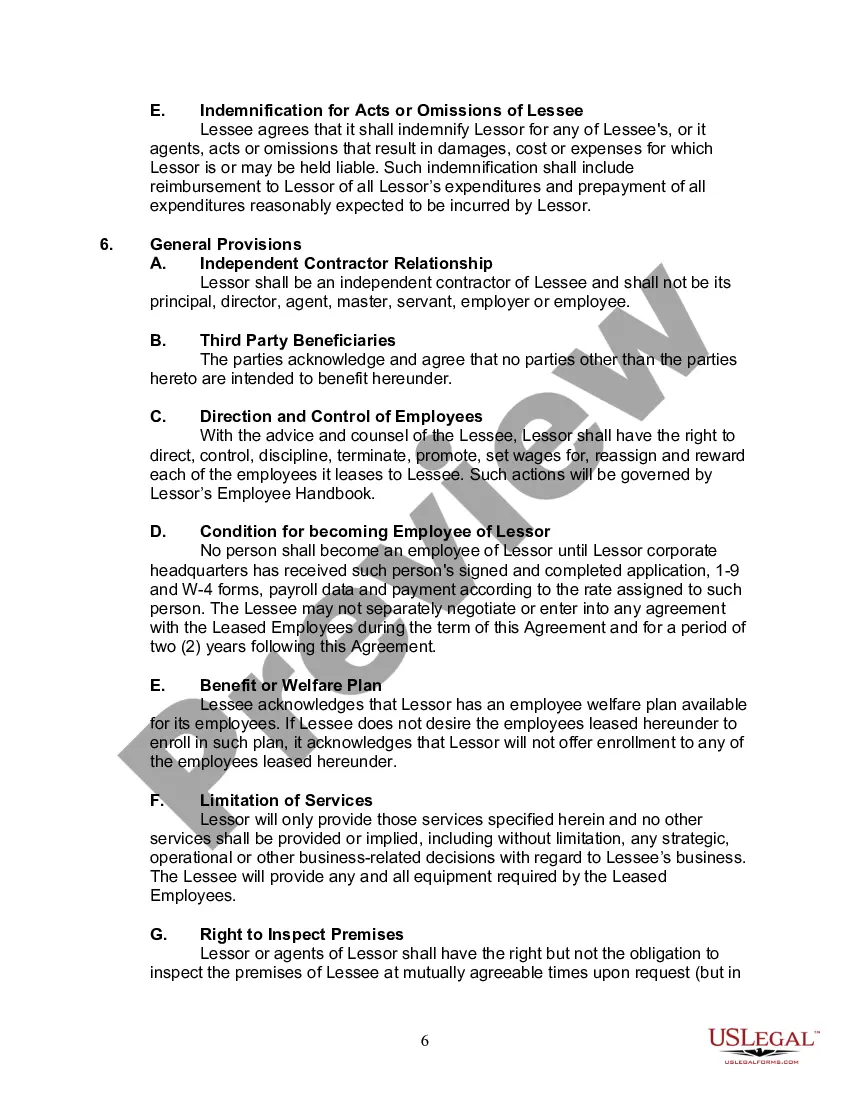
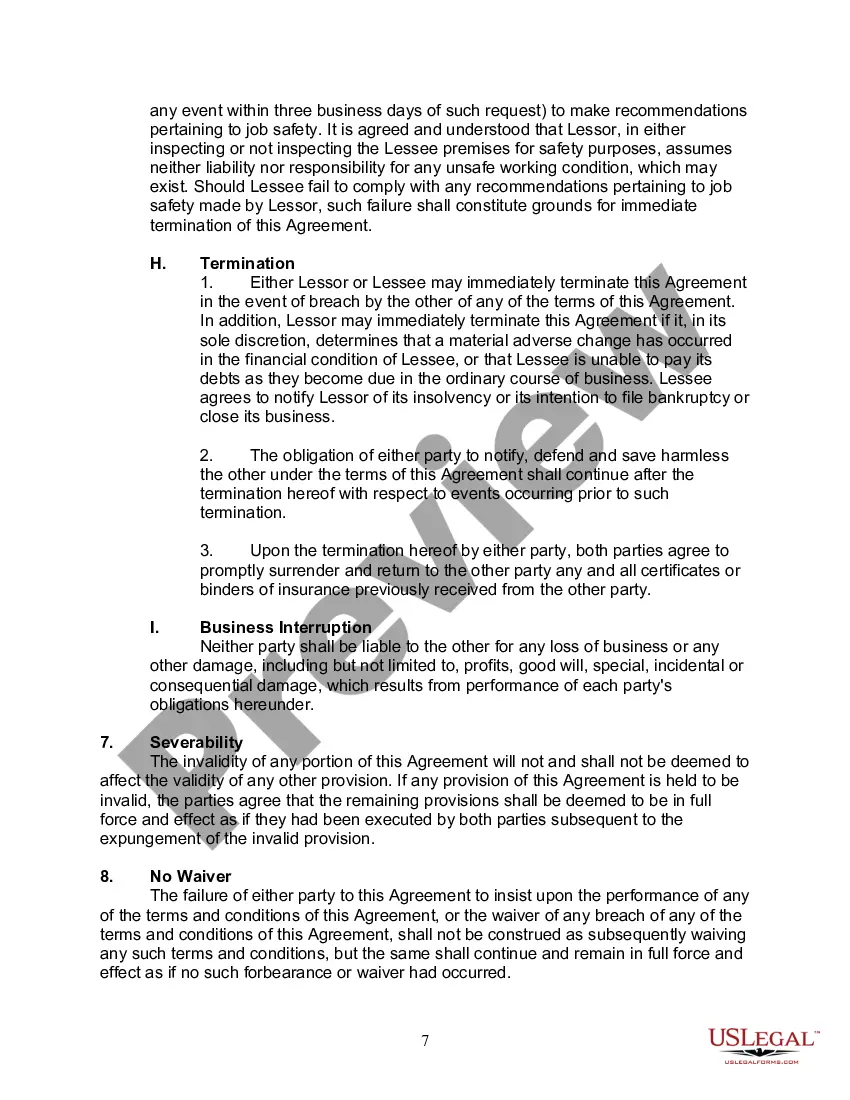
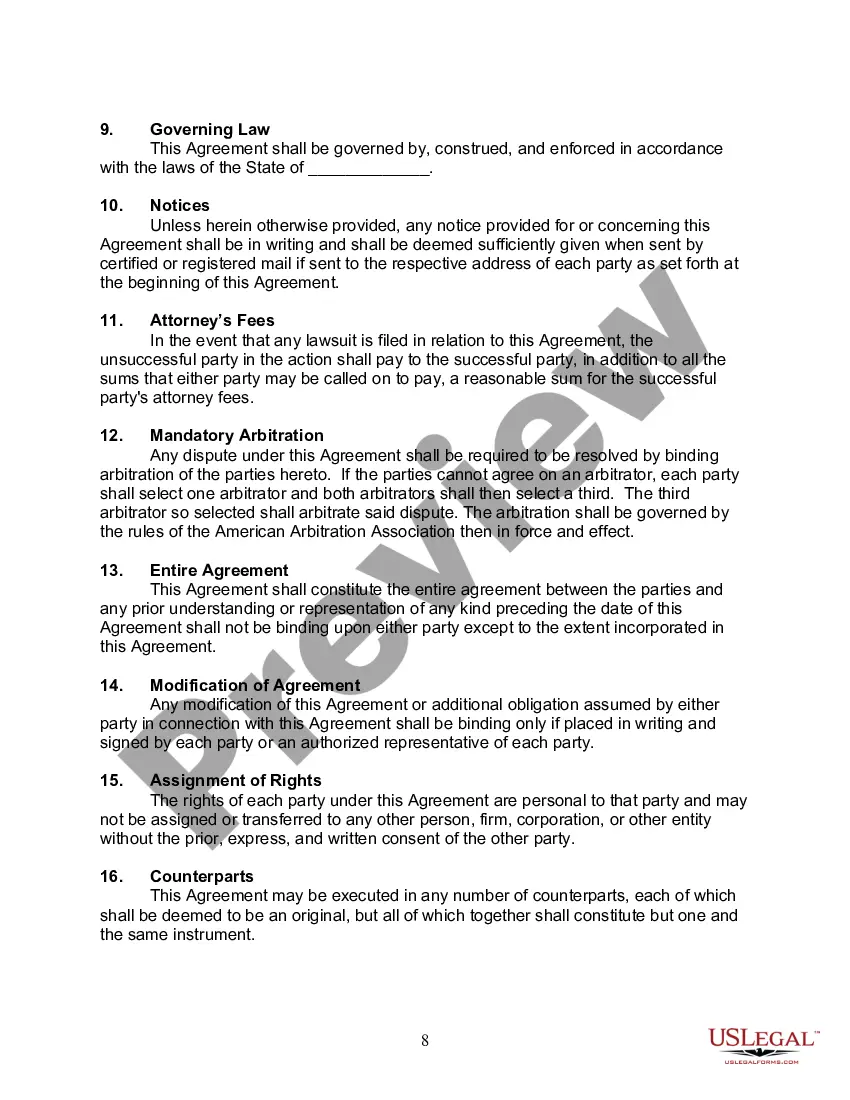
Lease Employee Agreement For Commercial Property In Florida
Description
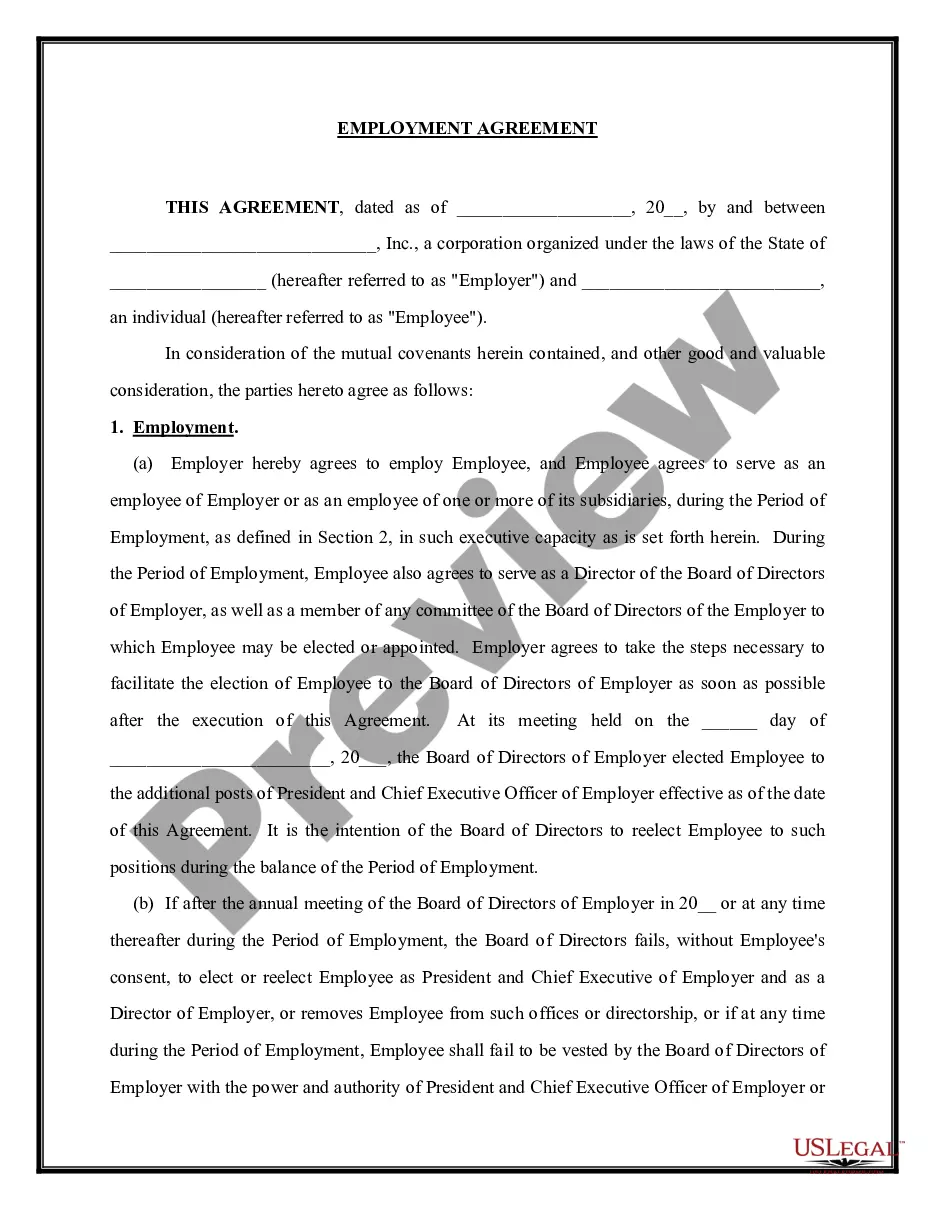
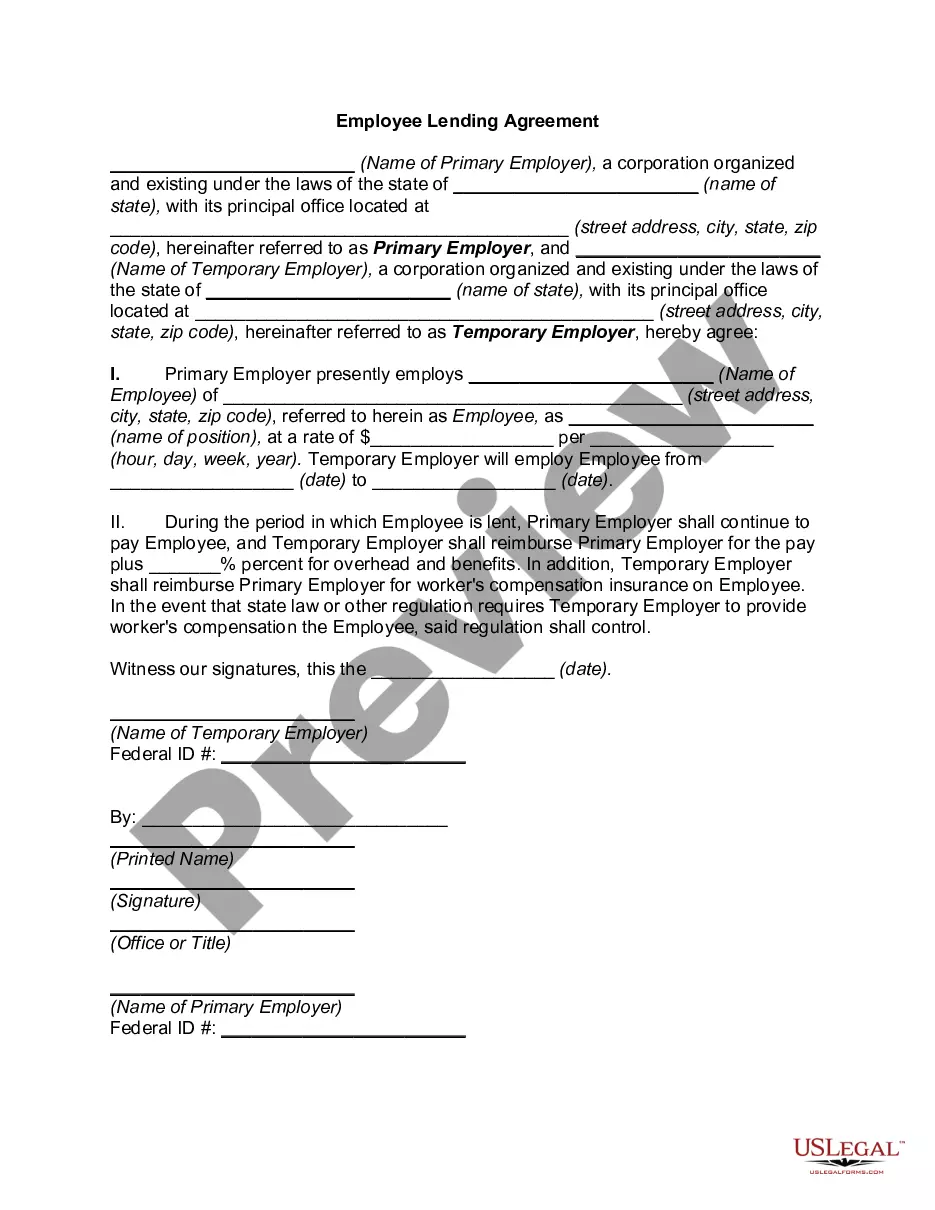
Get your form ready online
Our built-in tools help you complete, sign, share, and store your documents in one place.
Make edits, fill in missing information, and update formatting in US Legal Forms—just like you would in MS Word.
Download a copy, print it, send it by email, or mail it via USPS—whatever works best for your next step.
Sign and collect signatures with our SignNow integration. Send to multiple recipients, set reminders, and more. Go Premium to unlock E-Sign.
If this form requires notarization, complete it online through a secure video call—no need to meet a notary in person or wait for an appointment.
We protect your documents and personal data by following strict security and privacy standards.

Make edits, fill in missing information, and update formatting in US Legal Forms—just like you would in MS Word.

Download a copy, print it, send it by email, or mail it via USPS—whatever works best for your next step.

Sign and collect signatures with our SignNow integration. Send to multiple recipients, set reminders, and more. Go Premium to unlock E-Sign.

If this form requires notarization, complete it online through a secure video call—no need to meet a notary in person or wait for an appointment.

We protect your documents and personal data by following strict security and privacy standards.
Looking for another form?
Form popularity
FAQ
What are the most important steps for drafting a commercial lease agreement? Identify the parties and the property. Determine the rent and the term. Negotiate the improvements and the maintenance. Allocate the taxes and the insurance. Include the clauses and the contingencies. Review and sign the agreement.
Gross Lease Gross leases are most common for commercial properties such as offices and retail space. The tenant pays a single, flat amount that includes rent, taxes, utilities, and insurance.
Carefully considering your business needs and financial situation when choosing a commercial lease type is important. Gross Lease. Often found in office buildings and retail spaces, gross leases provide a simple, all-inclusive rental arrangement. Net Lease. Modified Gross Lease. Percentage Lease.
Key Commercial Lease Types Explained Gross Lease. Often found in office buildings and retail spaces, gross leases provide a simple, all-inclusive rental arrangement. Net Lease. In net leases, the tenant assumes a more significant share of responsibility for building expenses. Modified Gross Lease. Percentage Lease.
The three most common types of leases are gross leases, net leases, and modified gross leases.
The following terms should be included in a written commercial real estate lease agreement including: (1) party names (today, in commercial leases, most landlords also name the individual with the business entity), (2) a description of the subject property, (3) the lease term (can be in years or months), (4) the amount ...
What are the most important steps for drafting a commercial lease agreement? Identify the parties and the property. Determine the rent and the term. Negotiate the improvements and the maintenance. Allocate the taxes and the insurance. Include the clauses and the contingencies. Review and sign the agreement.
Further, any lease over one year in duration must be in writing and signed by the parties. There is currently no witness requirement for commercial leases in Florida, and a notary is not necessary.
How to Lease a Commercial Property (as a Tenant) Step 1: Determine Your Needs. Step 2: Research and Explore the Market. Step 3: Visit and Assess Properties. Step 4: Draft a Letter of Intent. Step 5: Review and Negotiate the Lease Agreement. Step 6: Finalize and Sign the Lease. Step 7: Prepare for Move-In.
Yes, you can write your lease agreement in Florida. However, consulting with a qualified attorney or utilizing a professionally drafted lease agreement template is highly recommended to ensure that it complies with all applicable laws and regulations.