Employee Leasing Agreement Template With Benefits In Cuyahoga
Description

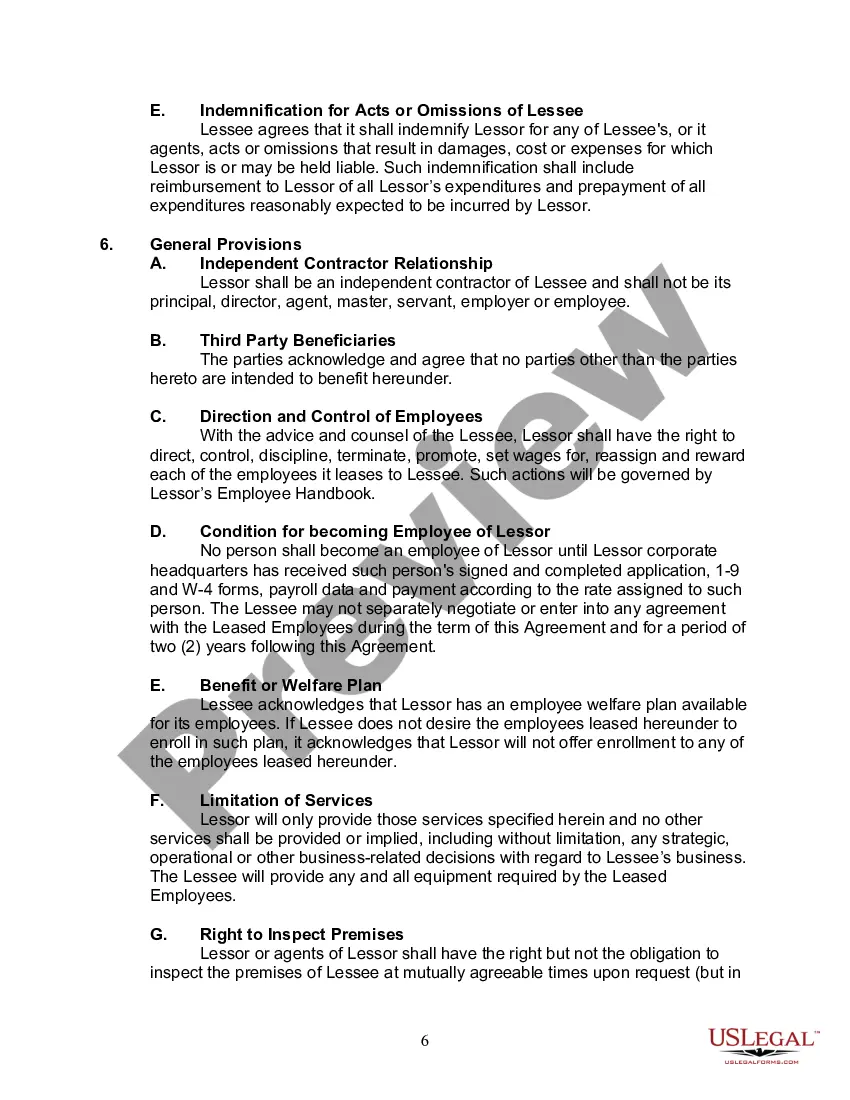
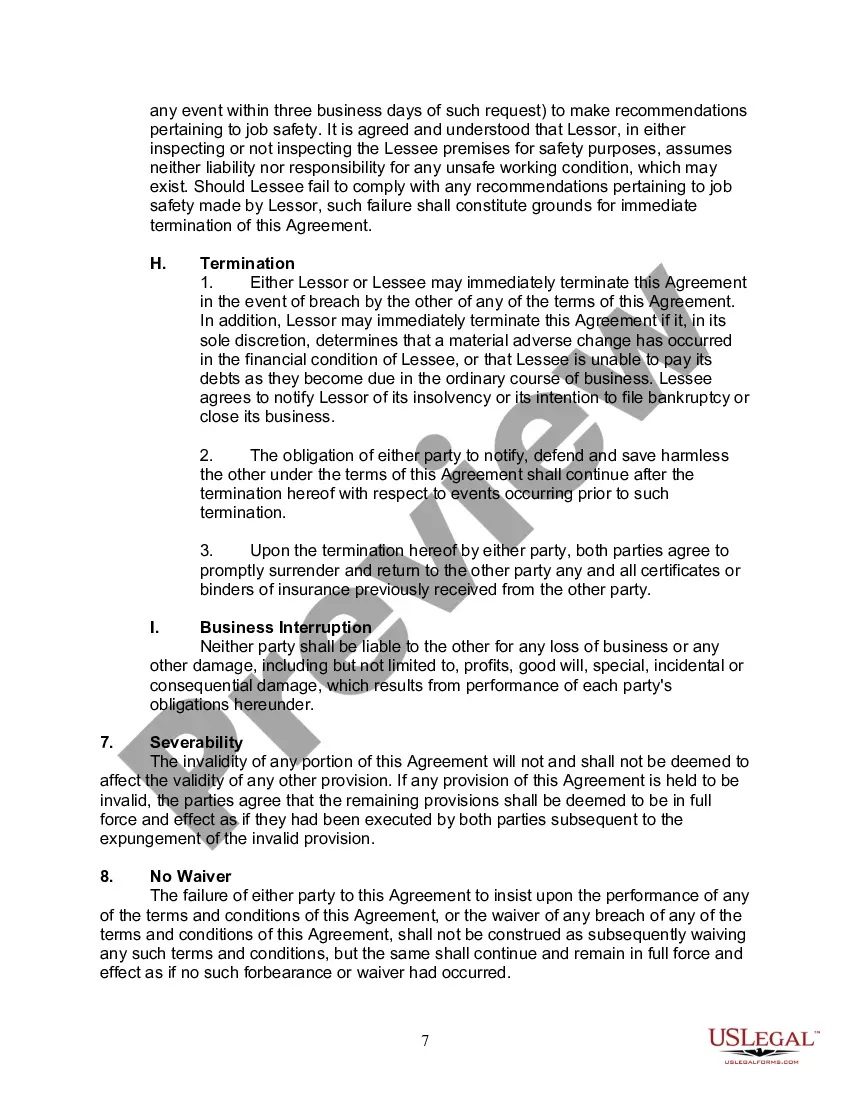
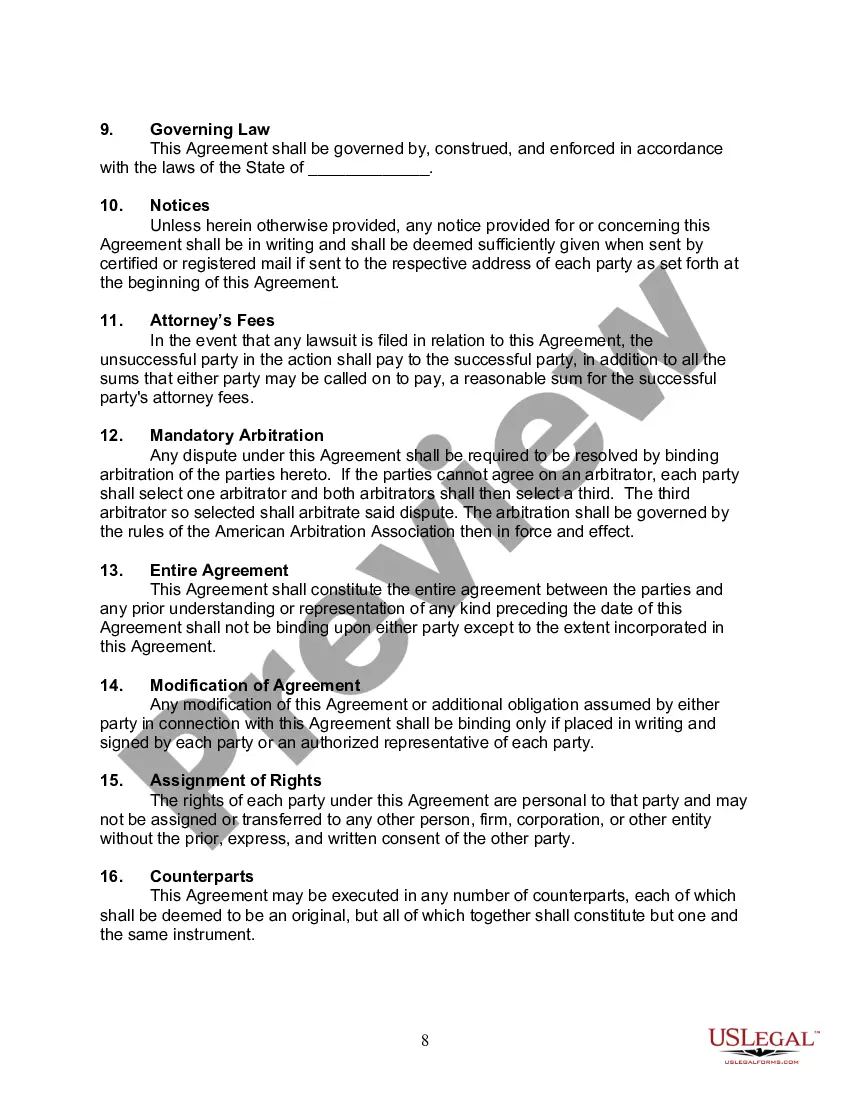
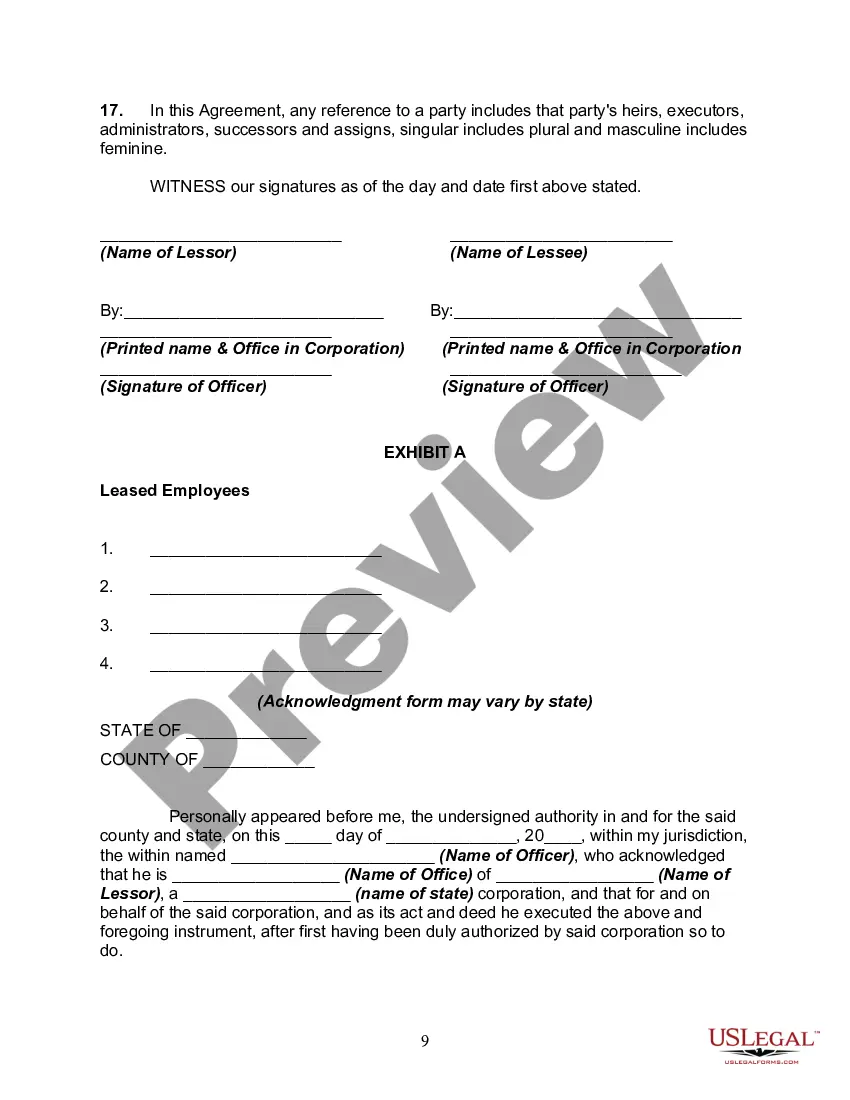
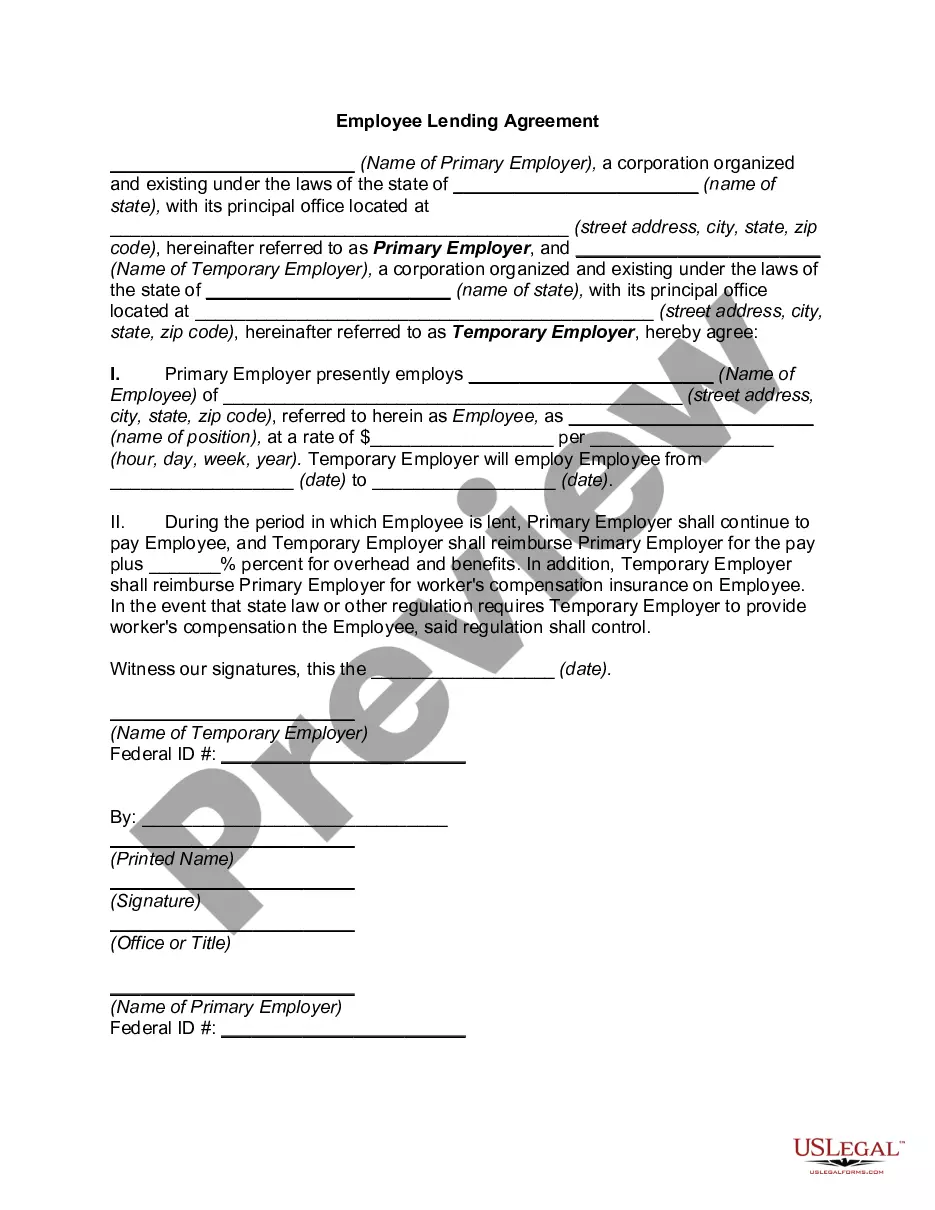
Get your form ready online
Our built-in tools help you complete, sign, share, and store your documents in one place.
Make edits, fill in missing information, and update formatting in US Legal Forms—just like you would in MS Word.
Download a copy, print it, send it by email, or mail it via USPS—whatever works best for your next step.
Sign and collect signatures with our SignNow integration. Send to multiple recipients, set reminders, and more. Go Premium to unlock E-Sign.
If this form requires notarization, complete it online through a secure video call—no need to meet a notary in person or wait for an appointment.
We protect your documents and personal data by following strict security and privacy standards.

Make edits, fill in missing information, and update formatting in US Legal Forms—just like you would in MS Word.

Download a copy, print it, send it by email, or mail it via USPS—whatever works best for your next step.

Sign and collect signatures with our SignNow integration. Send to multiple recipients, set reminders, and more. Go Premium to unlock E-Sign.

If this form requires notarization, complete it online through a secure video call—no need to meet a notary in person or wait for an appointment.

We protect your documents and personal data by following strict security and privacy standards.
Looking for another form?

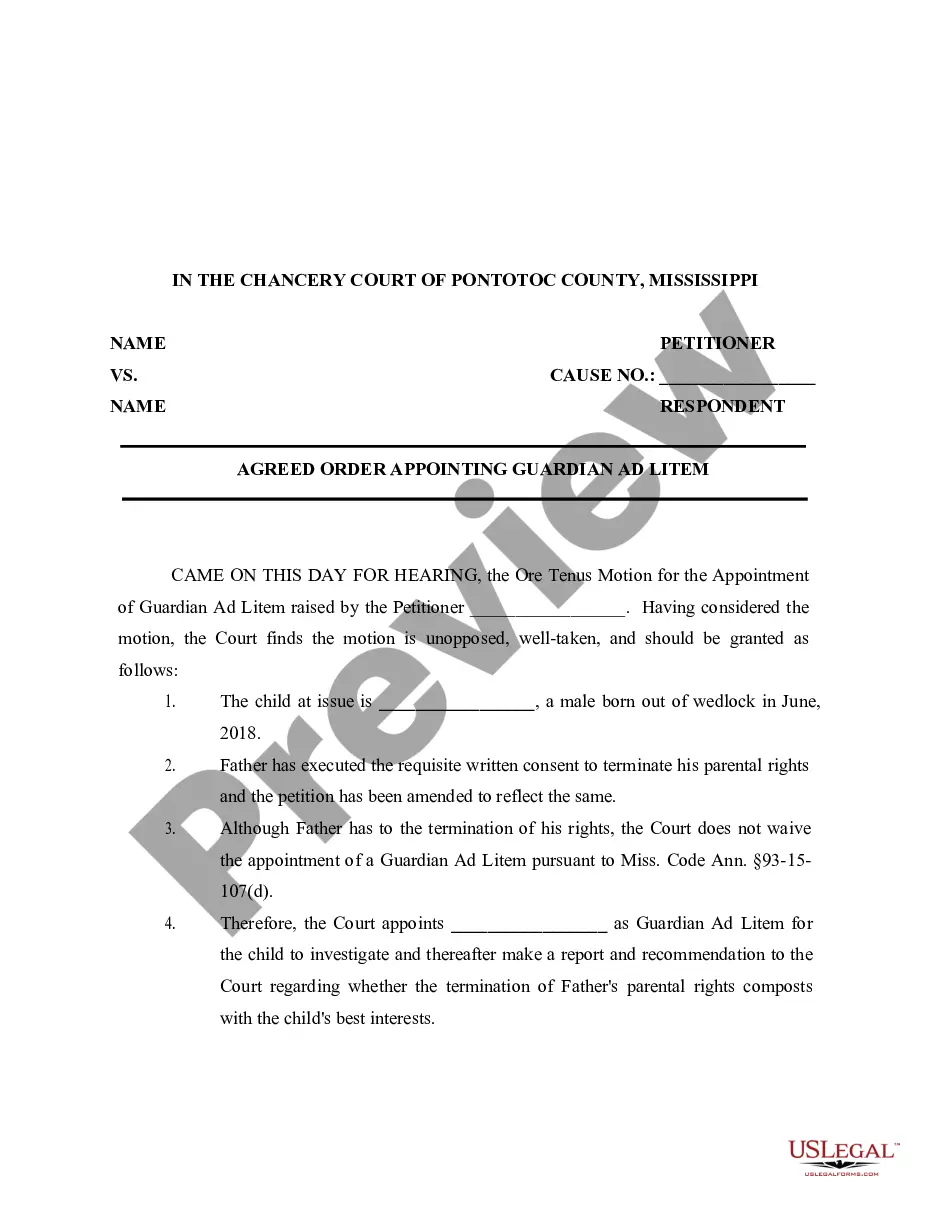

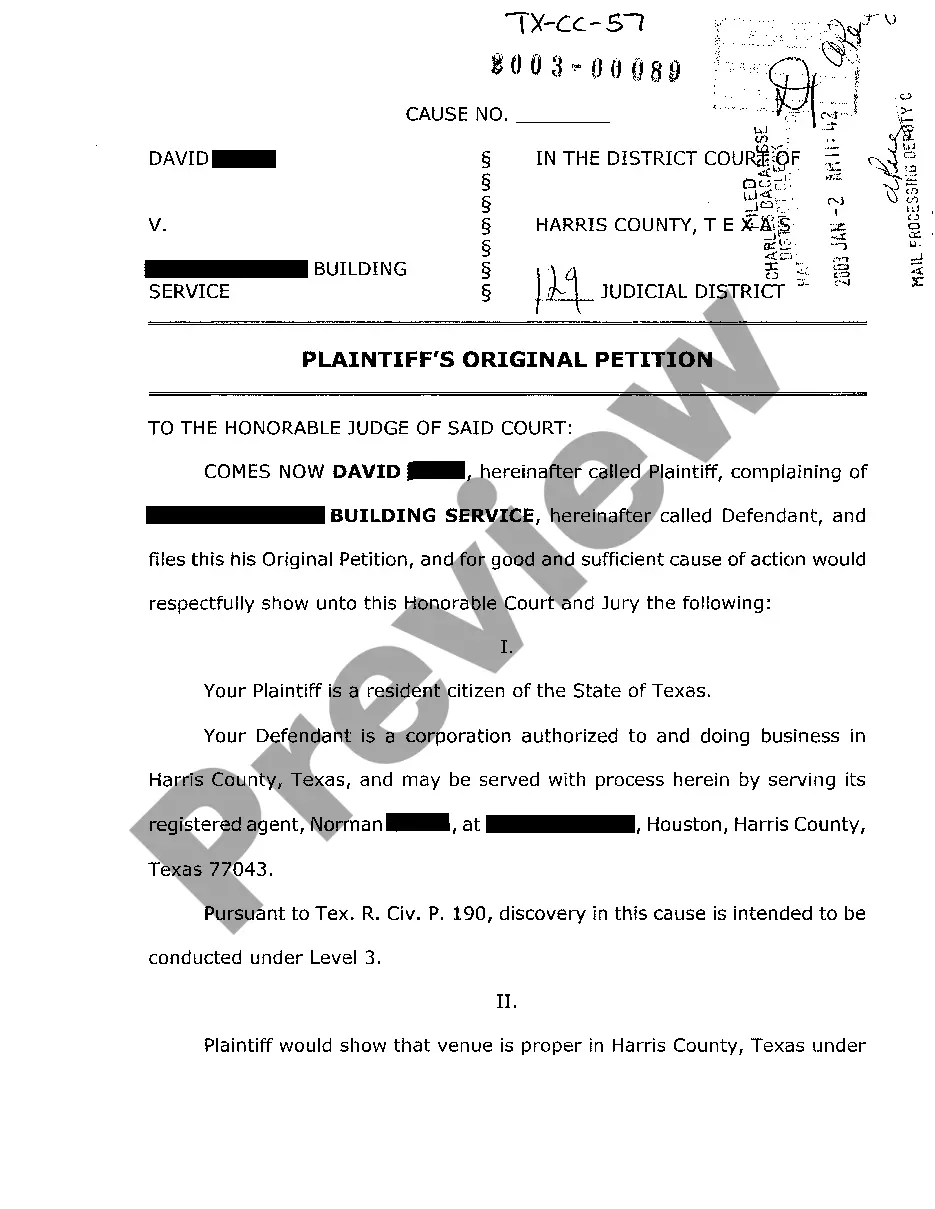

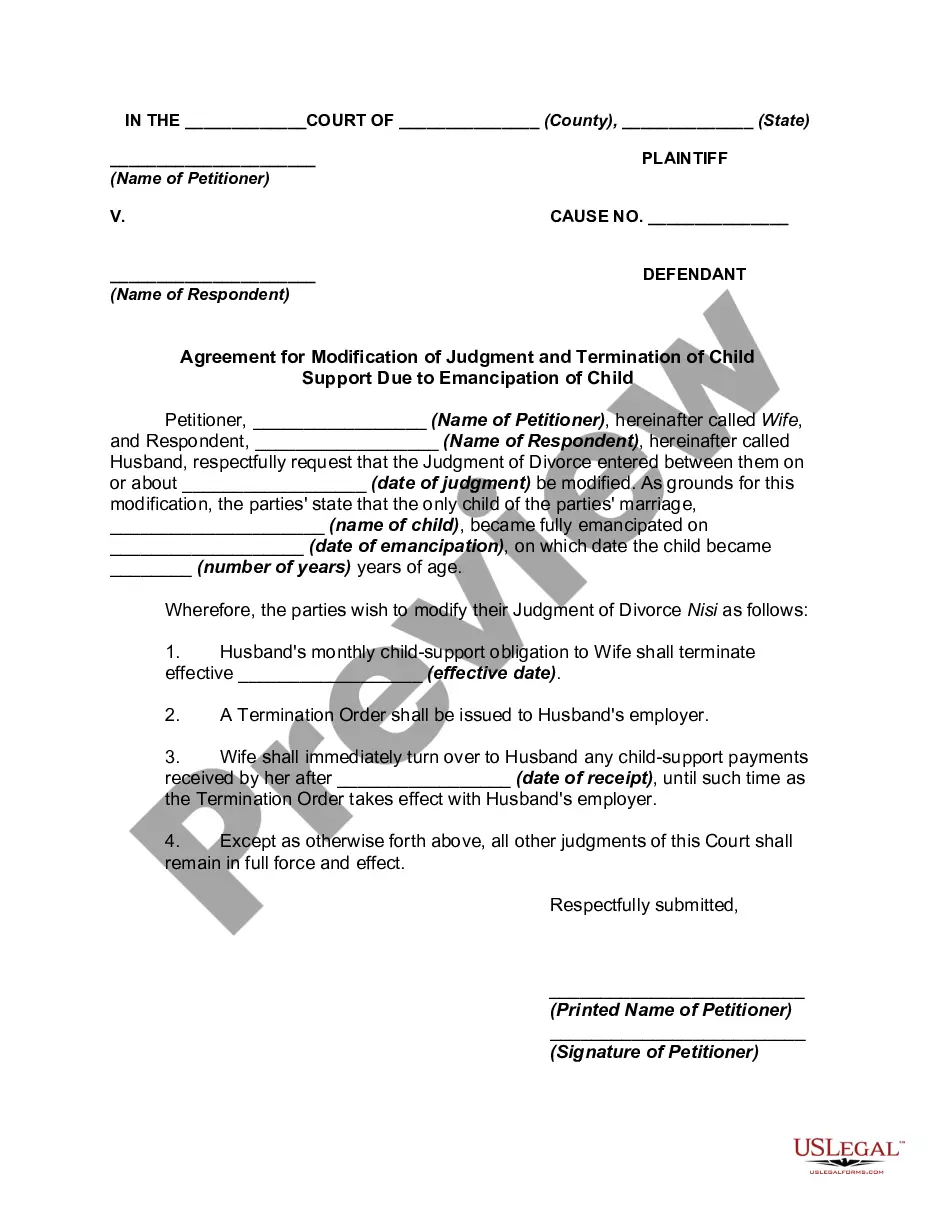

Form popularity
FAQ
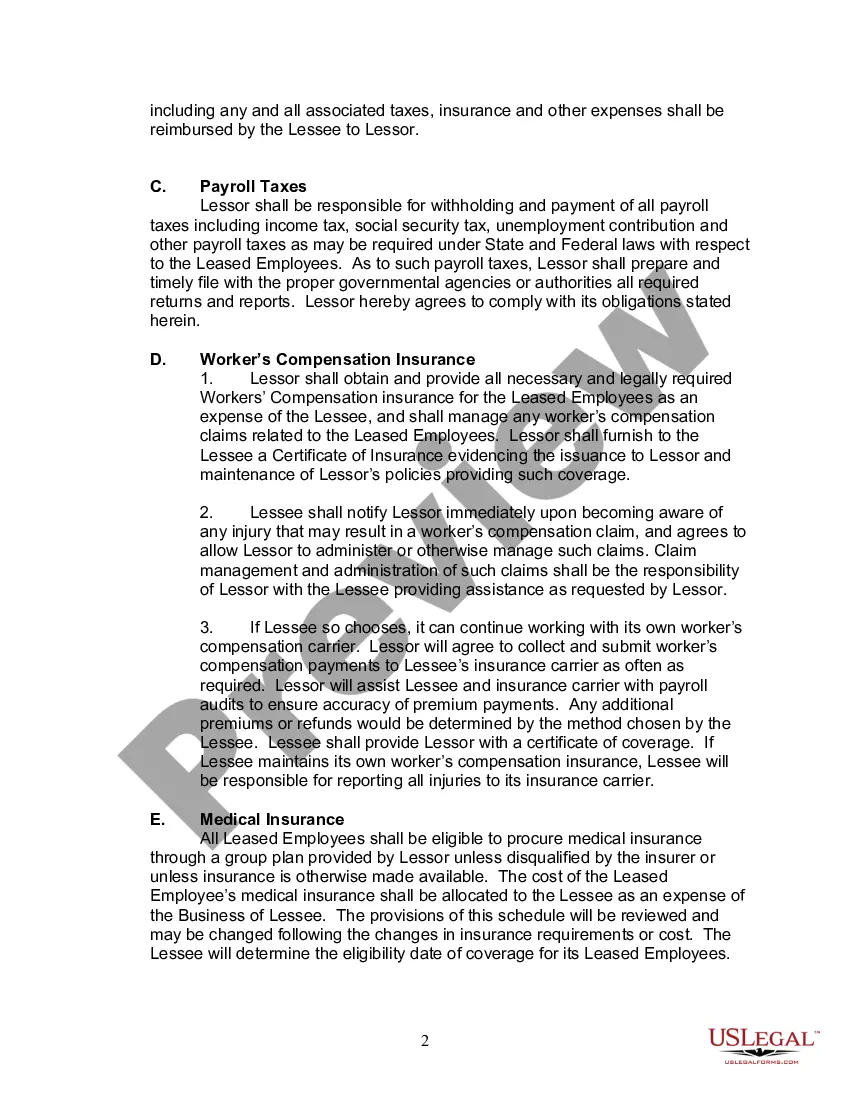
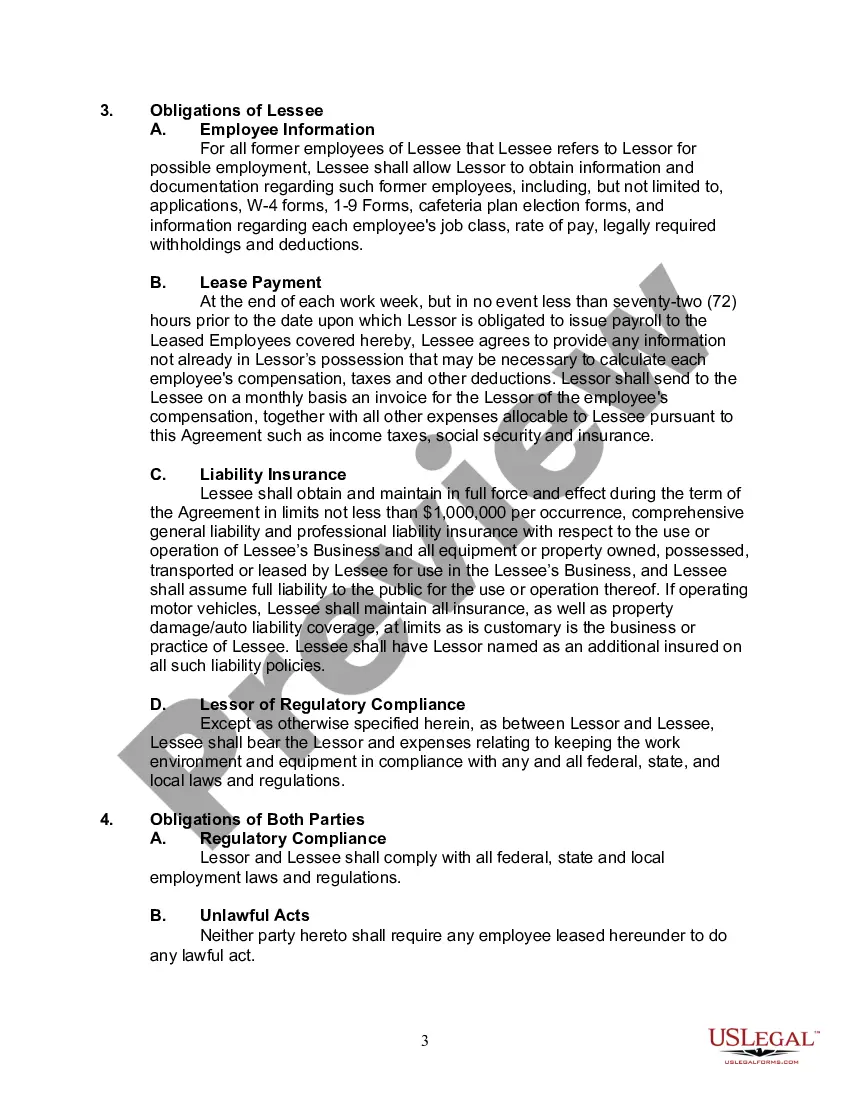
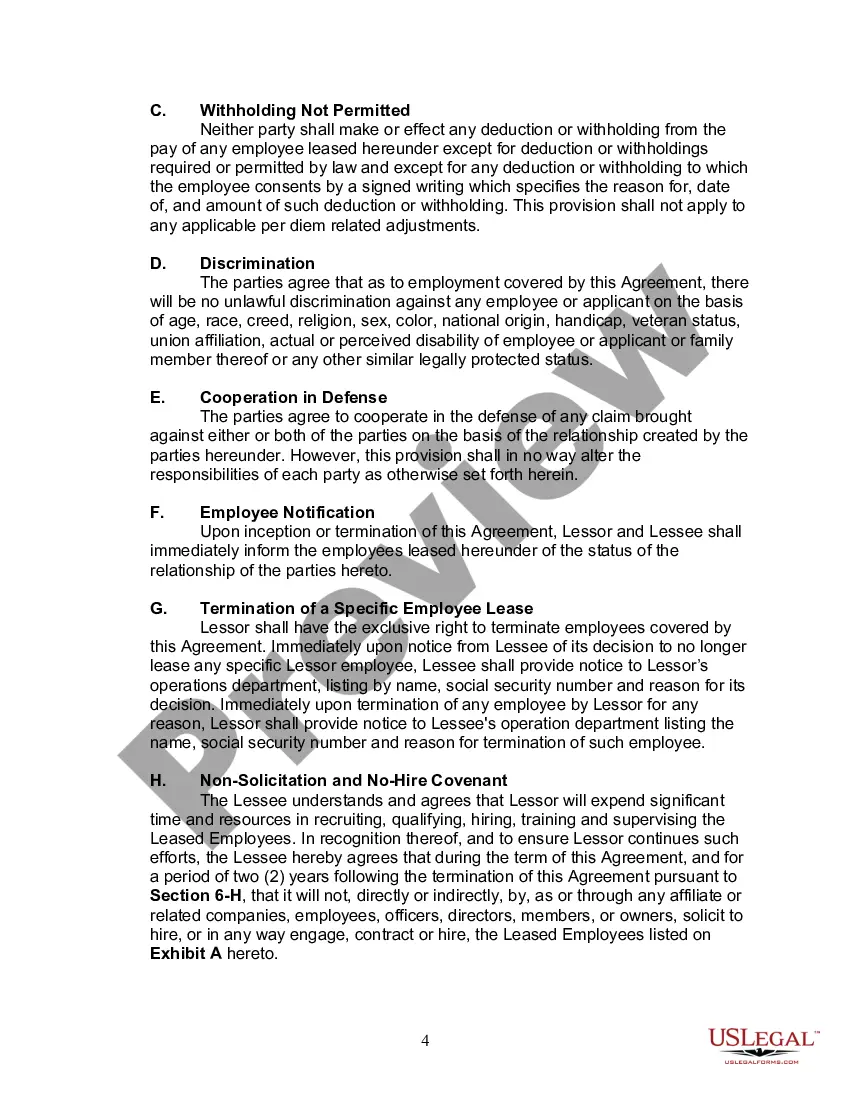
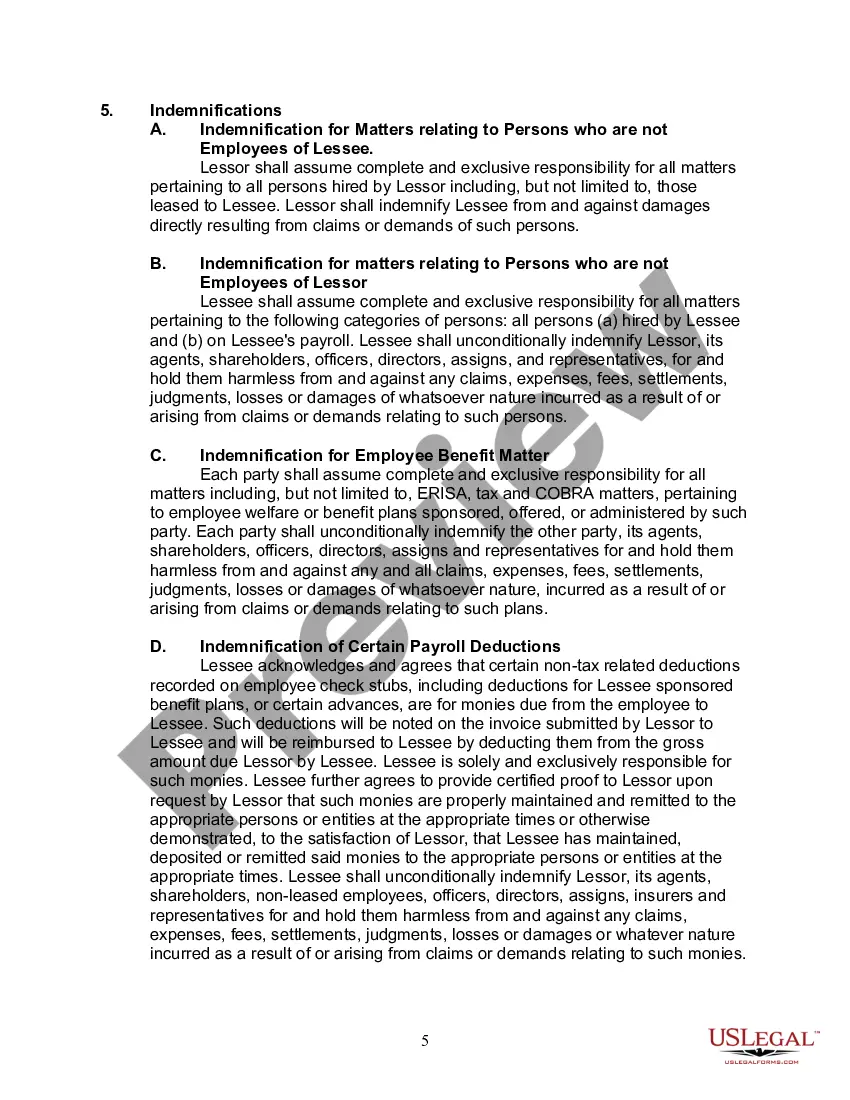
Leased employees may be eligible for benefits through the leasing agency that employs them.
Employee leasing is an arrangement between a business and a staffing firm, who supplies workers on a project-specific or temporary basis. These employees work for the client business, but the leasing agency pays their salaries and handles all of the HR administration associated with their employment.
When creating an Employment Contract, you can include the following terms: The type and rate of compensation. The frequency of payment. Vacation time. Specified work hours. Specified work location. Employee responsibilities. Length of a probationary period. Confidentiality, non-solicitation, or non-competition clauses.
The employer who's leasing the employee controls the work they perform while the leasing firm is responsible for reporting their wages and taxes. To cover the leased employee's wages, benefits, taxes and administrative fees, the employer pays the leasing firm directly.
PEO manages the employees, be it temporary or permanent, for payroll, benefits, and compensation, and also as per the agreement by the client. Employee leasing is just a temporary agreement based on the project period for the employer/client.
Leasing allows you to always enjoy the benefits of driving a new vehicle, since you can trade up to the most current model at the end of every lease term, and keep driving with the newest technology and safety features. It is also a great option for people who don't want the hassle of car ownership.
Employee leasing and PEO are two terms that are often used interchangeably, but there are some differences between them: PEO is typically a long-term solution for businesses; employee leasing is usually a short-term solution. In PEO arrangements, the staff is employed by the client firm directly.
Rental agreements are very similar to lease agreements. The biggest difference between lease agreements and rental agreements lies in the length of the contract. Unlike a long-term lease agreement, a rental agreement provides tenancy for a shorter period of time—usually 30 days.
A lease is an implied or written agreement specifying the conditions under which a lessor accepts to let out a property to be used by a lessee. The agreement promises the lessee use of the property for an agreed length of time while the owner is assured consistent payment over the agreed period.
Examples of work provided by Employee Leasing Companies are Payroll Services, Insurance, Tax Services, and various Personnel Services.
