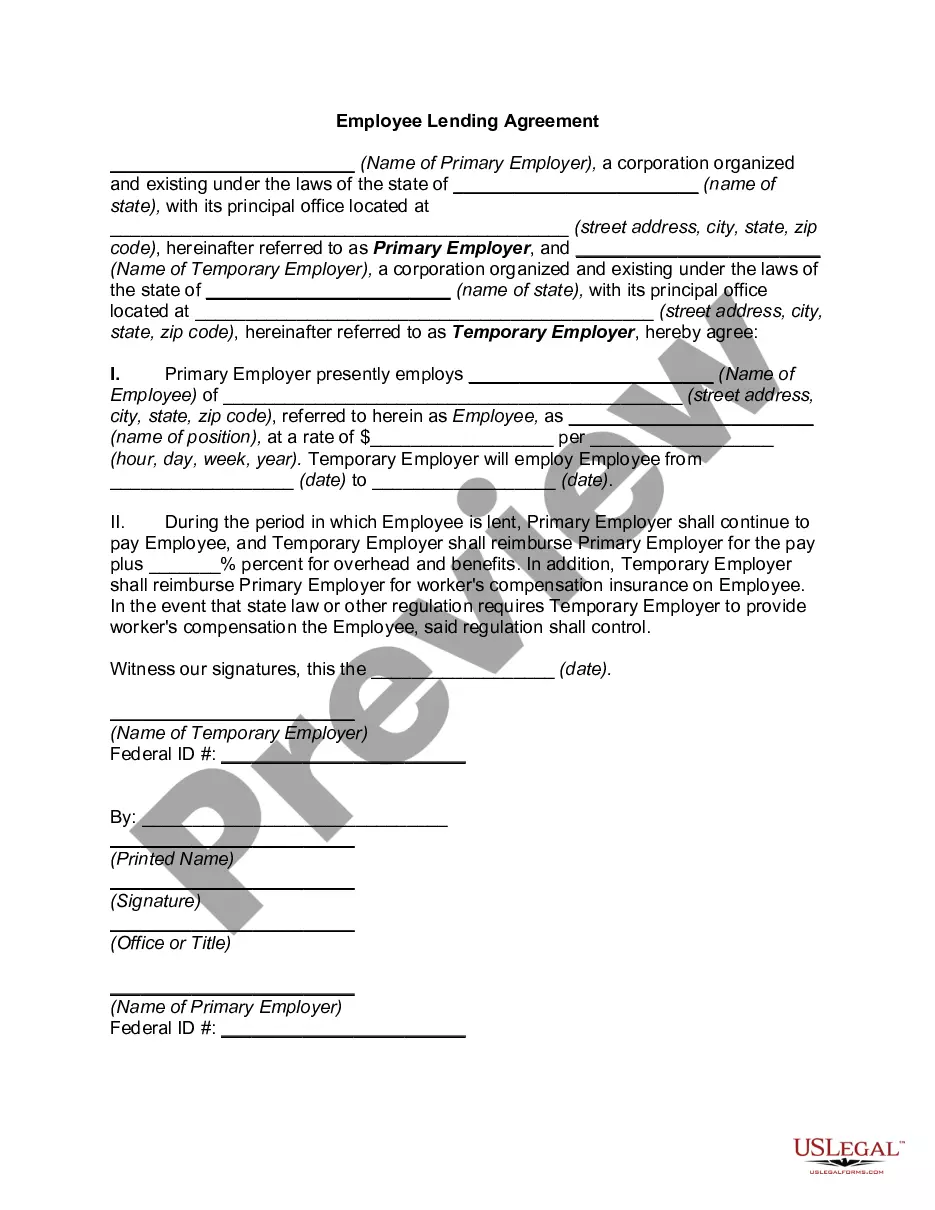
Employee Rental Agreement Form Bc In Collin
Description

Get your form ready online
Our built-in tools help you complete, sign, share, and store your documents in one place.
Make edits, fill in missing information, and update formatting in US Legal Forms—just like you would in MS Word.
Download a copy, print it, send it by email, or mail it via USPS—whatever works best for your next step.
Sign and collect signatures with our SignNow integration. Send to multiple recipients, set reminders, and more. Go Premium to unlock E-Sign.
If this form requires notarization, complete it online through a secure video call—no need to meet a notary in person or wait for an appointment.
We protect your documents and personal data by following strict security and privacy standards.

Make edits, fill in missing information, and update formatting in US Legal Forms—just like you would in MS Word.

Download a copy, print it, send it by email, or mail it via USPS—whatever works best for your next step.

Sign and collect signatures with our SignNow integration. Send to multiple recipients, set reminders, and more. Go Premium to unlock E-Sign.

If this form requires notarization, complete it online through a secure video call—no need to meet a notary in person or wait for an appointment.

We protect your documents and personal data by following strict security and privacy standards.
Looking for another form?






Form popularity
FAQ
Occupancy Requirements Effective July 18 2024, landlords are no longer be able to increase rent if a tenant adds an occupant under the age of 19 to their household. This change will protect growing families by restricting rent increases if a tenant has a baby or adds a child under 19 to their home.
Here's a list of standard fields that you should include in your lease agreement: Tenant information. Include each tenant's full name and contact information. Rental property description. Security deposit. Monthly rent amount. Utilities. Lease term. Policies. Late fees.
Even if a landlord doesn't prepare one, the standard terms of a tenancy agreement still apply. Paying a security deposit establishes a tenancy, even if there is no written tenancy agreement and if the tenant never moves in.
You could have your own rental agreement provided both the owner and the tenent has to read and understand it, then mutually agree and both have to sign it, if possible, with one or two eyewitnesses, so that, in case of any legal dispute, the court could refer it to eyewitnesses.
An experienced attorney who has a detailed understanding of real estate law will help to ensure that the landlord's assets are protected to the full extent of the law and ensure that they have full recourse if the tenant is found to renege on their side of the contract by not paying rent on time or conducting illegal ...
Number two specify the rental property. Write down the address and unit number of the rentalMoreNumber two specify the rental property. Write down the address and unit number of the rental property. Number three term of tenancy specify. The start date. And end date of the tenancy.
Use the form to write down everything found wrong with the rental unit when you move in. Be sure to list even very small “damages,” for example, the number of nail holes in each wall, dents in the kitchen floor, or chipped paint on the baseboards.
Drawbacks of employee leasing Less control: One of the greatest risks of employee leasing is that you're delegating an important part of your business to an outside company that doesn't know your business as well as you do. You lose control of your processes, systems and benefits.
