Release With Prejudice For Employees In San Jose
Description

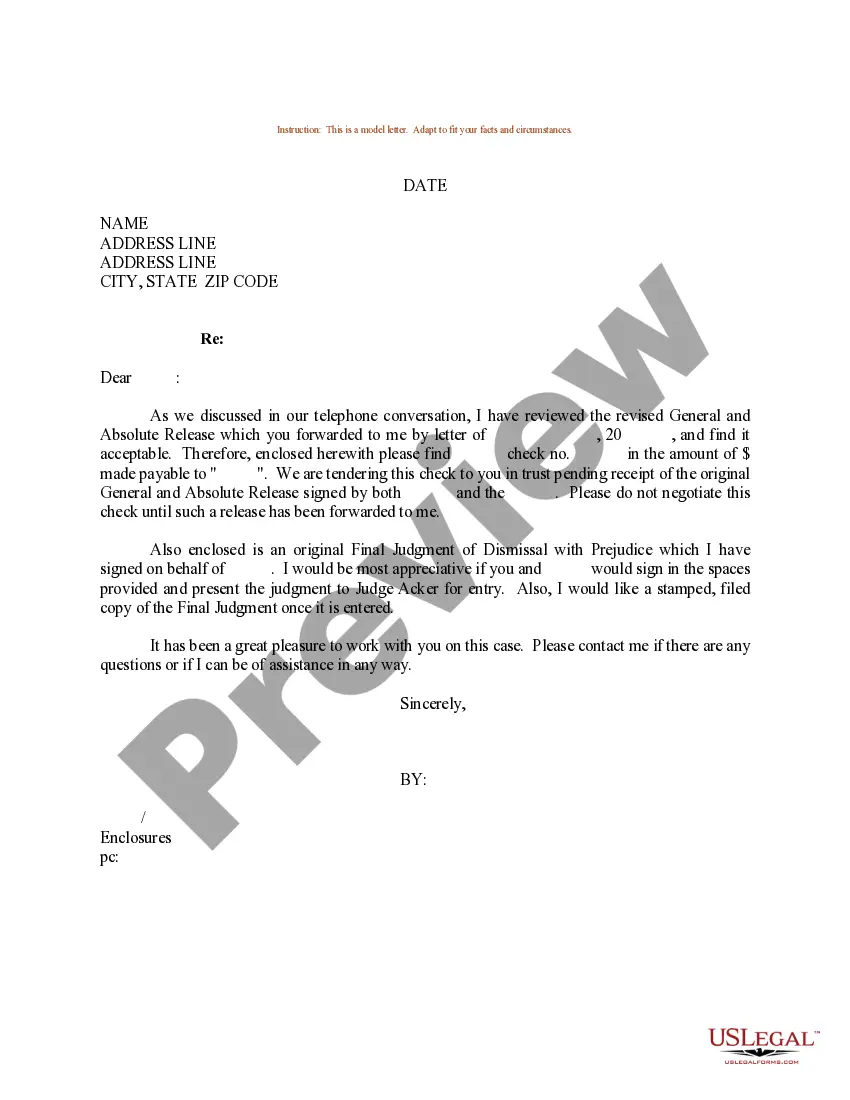
Get your form ready online
Our built-in tools help you complete, sign, share, and store your documents in one place.
Make edits, fill in missing information, and update formatting in US Legal Forms—just like you would in MS Word.
Download a copy, print it, send it by email, or mail it via USPS—whatever works best for your next step.
Sign and collect signatures with our SignNow integration. Send to multiple recipients, set reminders, and more. Go Premium to unlock E-Sign.
If this form requires notarization, complete it online through a secure video call—no need to meet a notary in person or wait for an appointment.
We protect your documents and personal data by following strict security and privacy standards.

Make edits, fill in missing information, and update formatting in US Legal Forms—just like you would in MS Word.

Download a copy, print it, send it by email, or mail it via USPS—whatever works best for your next step.

Sign and collect signatures with our SignNow integration. Send to multiple recipients, set reminders, and more. Go Premium to unlock E-Sign.

If this form requires notarization, complete it online through a secure video call—no need to meet a notary in person or wait for an appointment.

We protect your documents and personal data by following strict security and privacy standards.
Looking for another form?

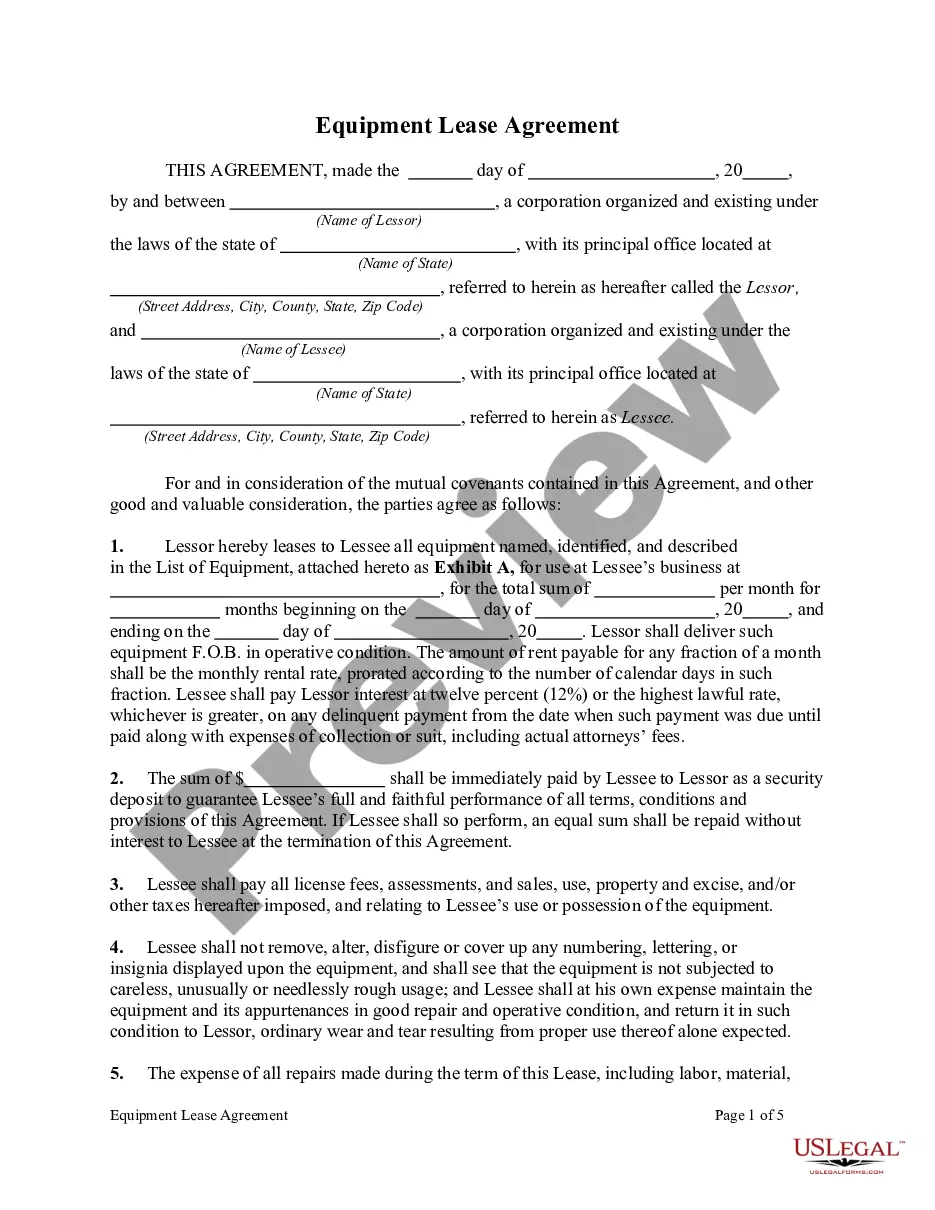


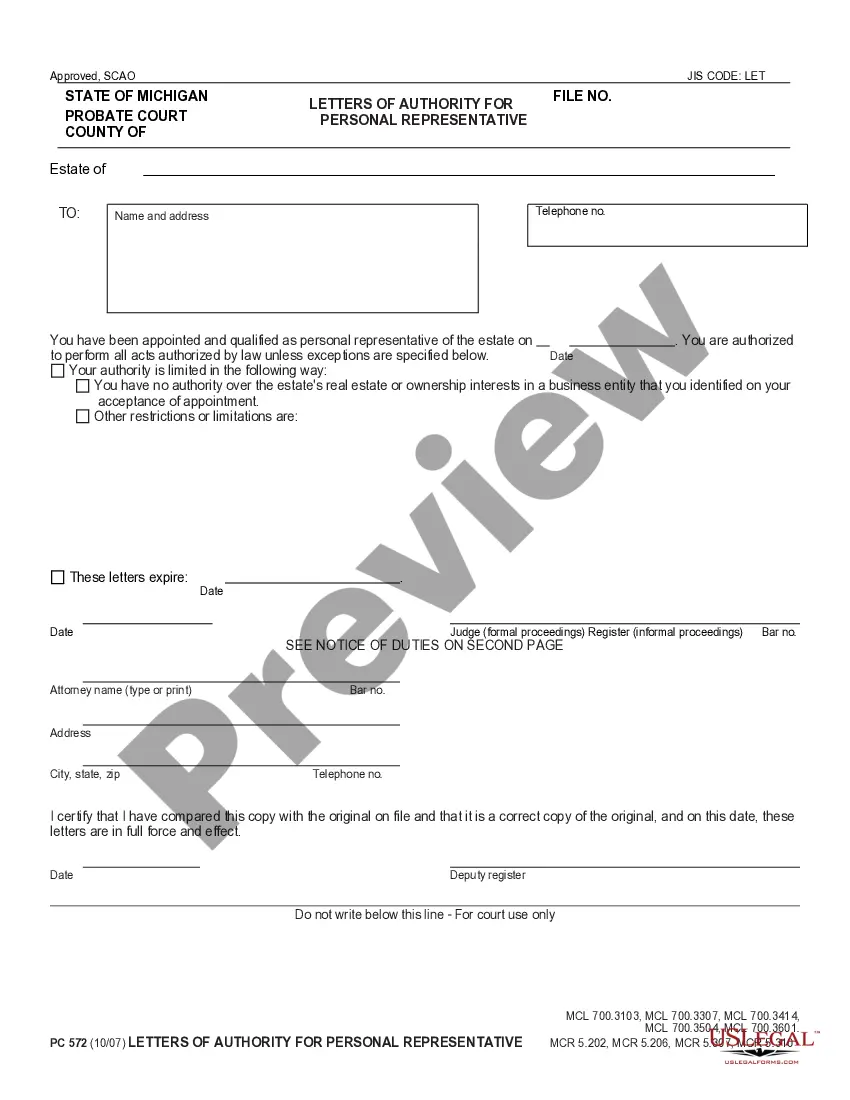





Form popularity
FAQ
Report discrimination to a local Fair Employment Practices Agency (FEPA). If the discrimination breaks both a state and federal law, the FEPA will also send your complaint to the EEOC. Use the EEOC's directory of field offices to find the FEPA near you.
Yes, you can take legal action against a company for unfair treatment. California's employment laws protect individuals from discrimination, sexual harassment, and wrongful termination. If you believe you've been treated unfairly at work, it's essential to understand your rights and the legal avenues available to you.
The California Fair Employment and Housing Act (FEHA) is the primary law protecting employees from discrimination in employment. All employment provisions of the FEHA apply to employers with five or more full- or part-time employees. Most comparable federal laws cover only employers with at least 15 employees.
The answer depends on your claims and willingness to pursue litigation. If your claims are strong and you are invested in the litigation process, it can be very “worth it” to feel you are standing up for accountability, getting compensation for your injuries, and incentivizing the company to change its ways.
The chances of winning your discrimination case can vary dramatically depending on the particular circumstances you face. When a lot of evidence has accumulated against your employer, such as emails and history of discriminatory remarks in front of multiple witnesses, your chances of winning a lawsuit are higher.
1. Quick and Low-Stress. In our experience, most employers and employees prefer to settle discrimination cases out of court instead of going to trial. This is because settlement negotiations are usually faster and less stressful than litigation.
If you wish to report a widespread violation of labor law by your employer or a violation affecting multiple employees, please contact LETF via phone, online lead referral form or email: Call the LETF Public hotline anytime: 855 297 5322. Complete the Online Form / Spanish Form. Email us at letf@dir.ca.
If you sue your employer, it won't be enough for you to prove that your employer made the wrong decision, or even that your employer was a no-goodnik. If you don't have a valid legal claim against your employer, then you will ultimately lose your case. One big reason to think twice before you sue.
Compare your work, conduct and treatment to that of those outside of your protected class as much as possible. Provide proof that others of similar qualifications have been given better opportunities, projects that are more favorable and superior treatment.

