Staffing Leasing Company Force In Chicago
Description

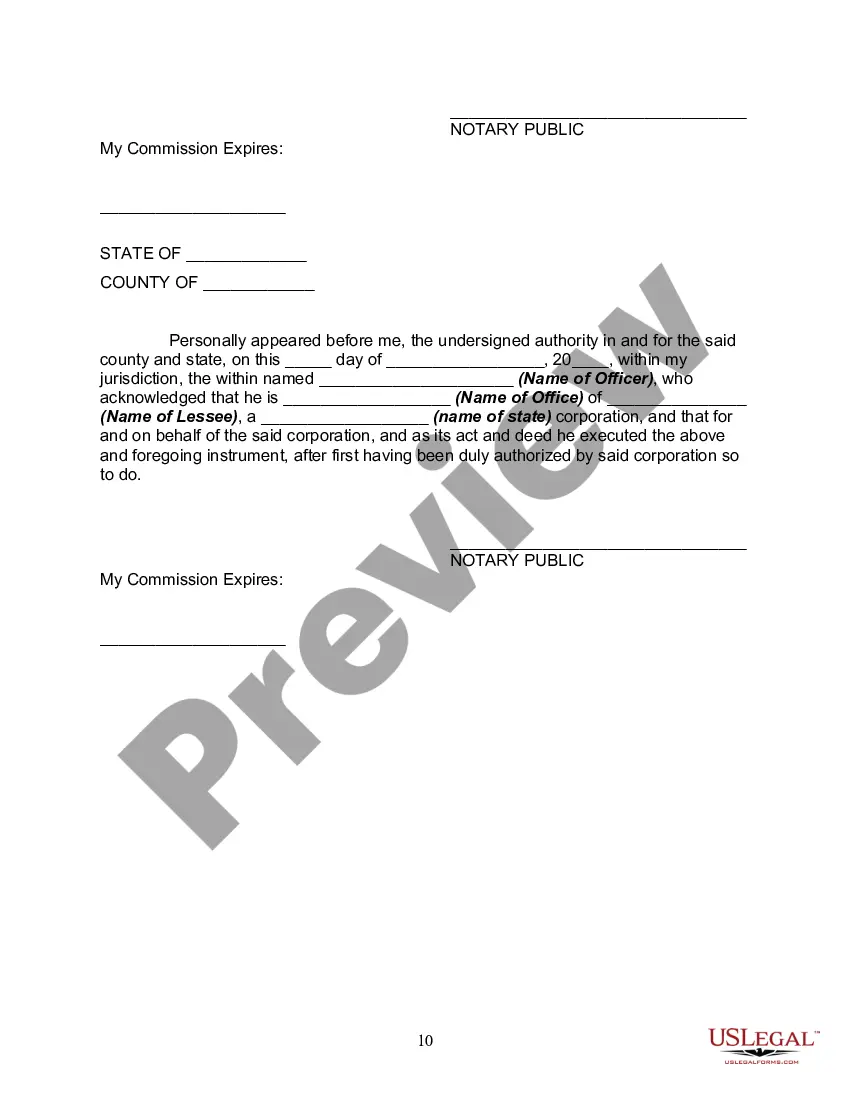
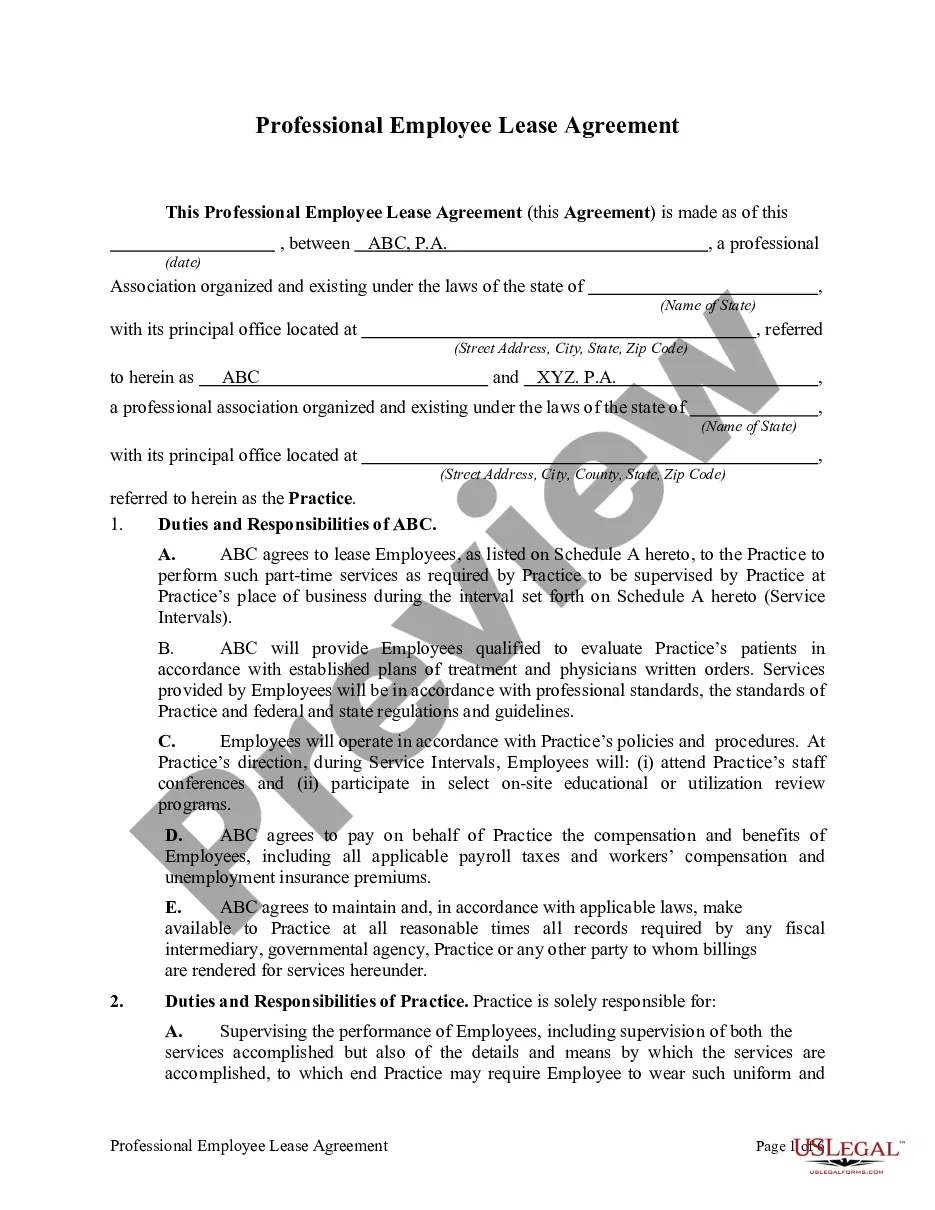
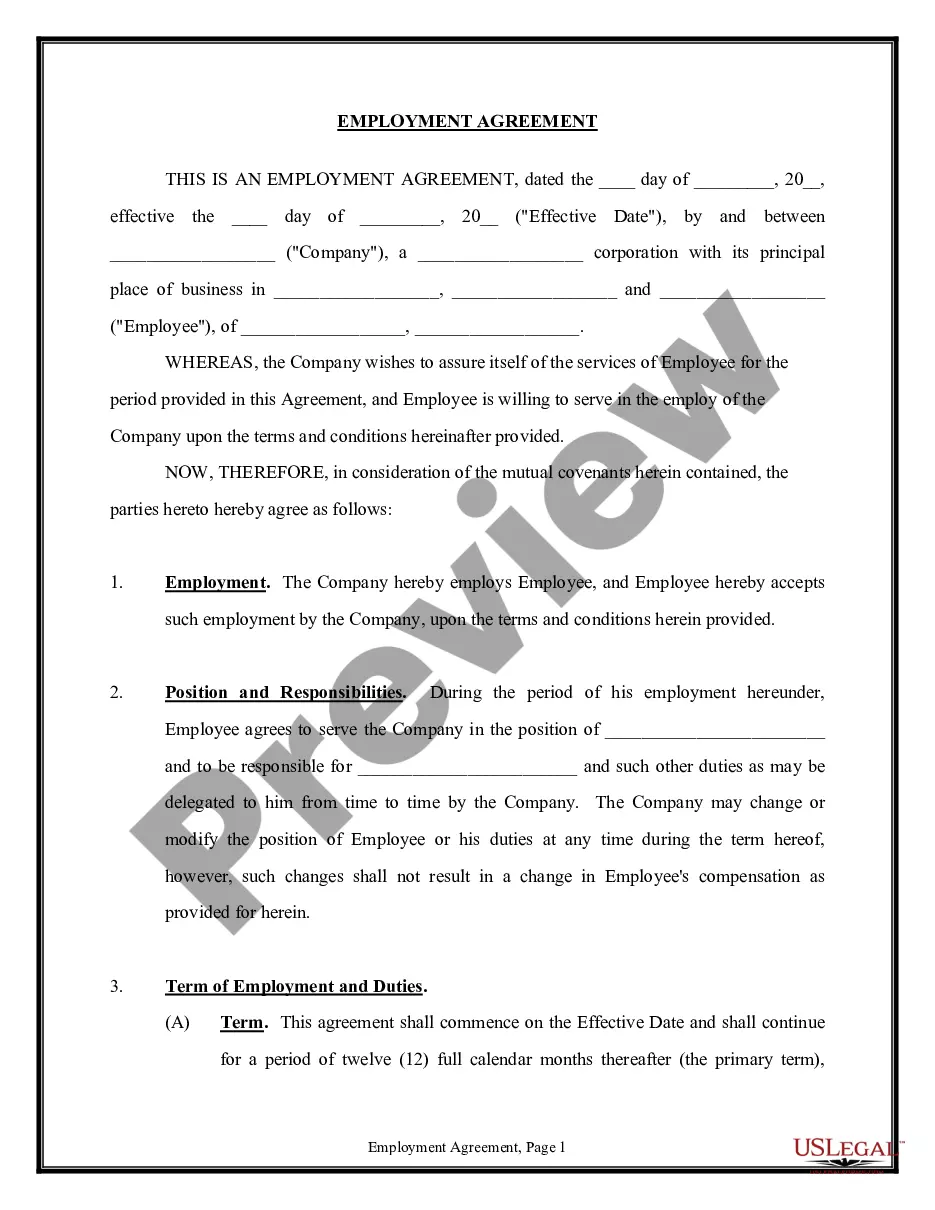
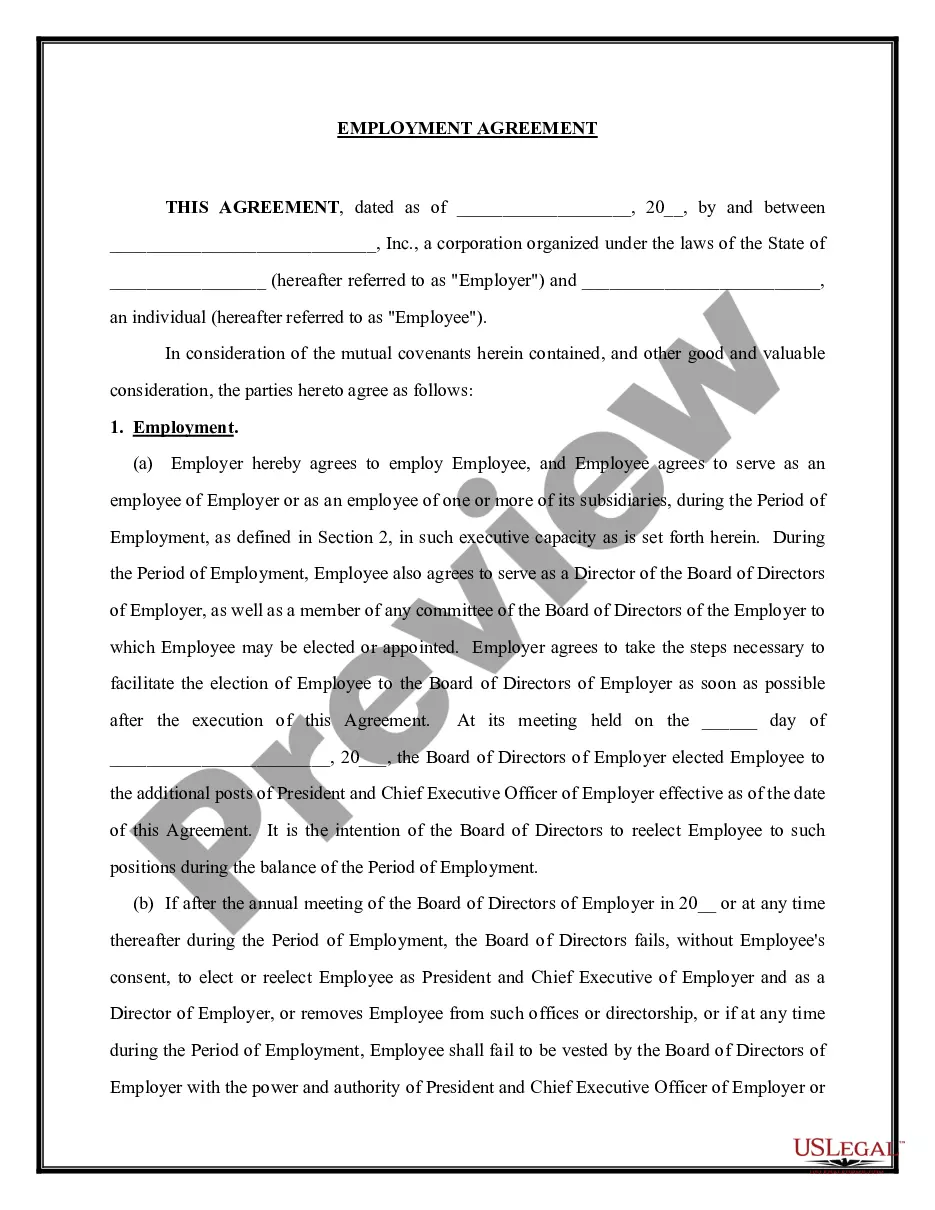
Get your form ready online
Our built-in tools help you complete, sign, share, and store your documents in one place.
Make edits, fill in missing information, and update formatting in US Legal Forms—just like you would in MS Word.
Download a copy, print it, send it by email, or mail it via USPS—whatever works best for your next step.
Sign and collect signatures with our SignNow integration. Send to multiple recipients, set reminders, and more. Go Premium to unlock E-Sign.
If this form requires notarization, complete it online through a secure video call—no need to meet a notary in person or wait for an appointment.
We protect your documents and personal data by following strict security and privacy standards.

Make edits, fill in missing information, and update formatting in US Legal Forms—just like you would in MS Word.

Download a copy, print it, send it by email, or mail it via USPS—whatever works best for your next step.

Sign and collect signatures with our SignNow integration. Send to multiple recipients, set reminders, and more. Go Premium to unlock E-Sign.

If this form requires notarization, complete it online through a secure video call—no need to meet a notary in person or wait for an appointment.

We protect your documents and personal data by following strict security and privacy standards.
Looking for another form?








Form popularity
FAQ
Becoming an employee of a staffing agency is easy. Register with one or several staffing agencies; ASA members are the best place to start. Fill out an application. Take any qualifying tests. Schedule and attend an interview. Get training, if necessary.
Steps to Start a Staffing Agency in California Understand the Market. Develop a Business Plan. Navigate California's Legal Landscape. Set Up Financial Systems. Create Employment Contracts and Policies. Implement a Recruitment and Hiring Process. Market Your Agency.
However, before a staffing agency can make these vital connections, they must first secure contracts with companies in need of their services. Obtaining these contracts is no small feat, requiring a strategic combination of sales, marketing, relationship building, and negotiations.
Companies that provide employment services in Illinois must apply for a license prior to doing business. Depending on the services offered, businesses may need to apply for more than one license type, and in some cases, an individual license will be required as well.
To start a staffing agency in California, you need to obtain a PEA license from the state's Division of Labor Standards Enforcement, a business license from the city or county where your agency is located, workers' compensation insurance, liability insurance, and comply with California labor laws and regulations.
Three Types of PEO Co-employers. The idea of giving complete power in the hands of an HR outsource company might not settle with everyone. Professional Employer Organization. This type of PEO providing HR services does not become the employer of record. Staffing Companies.
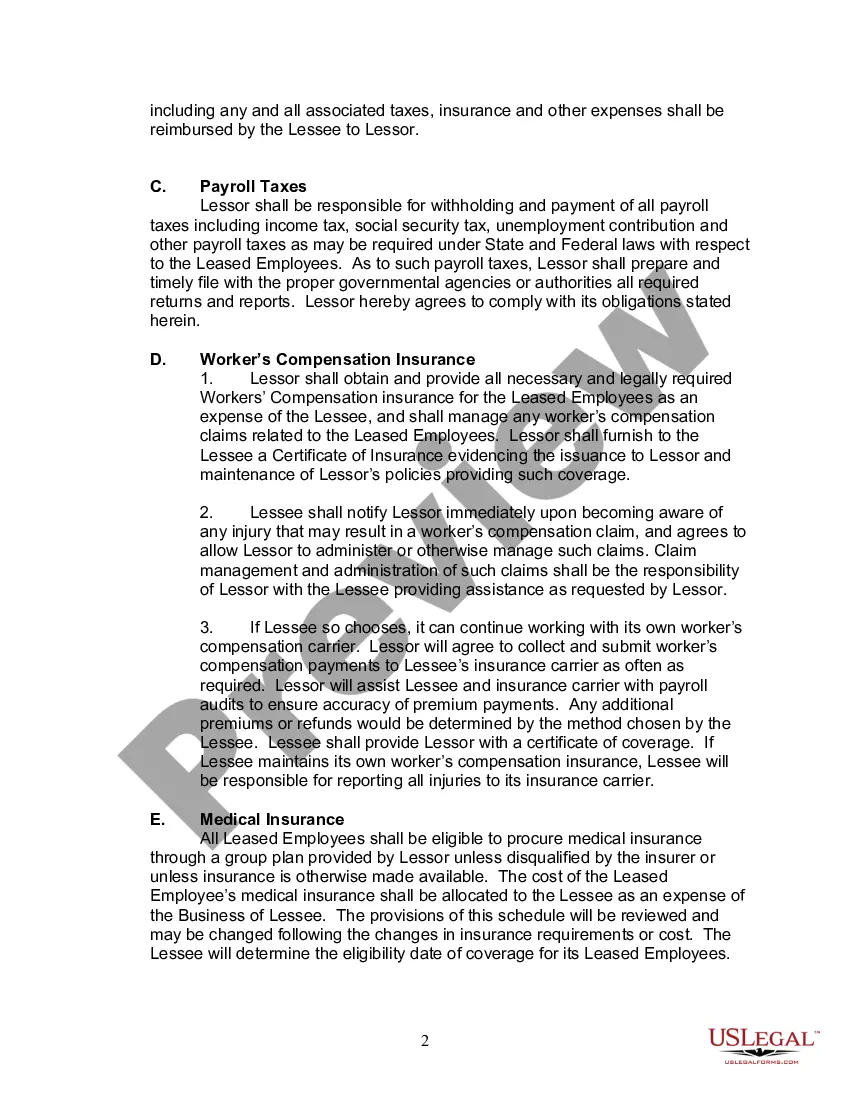
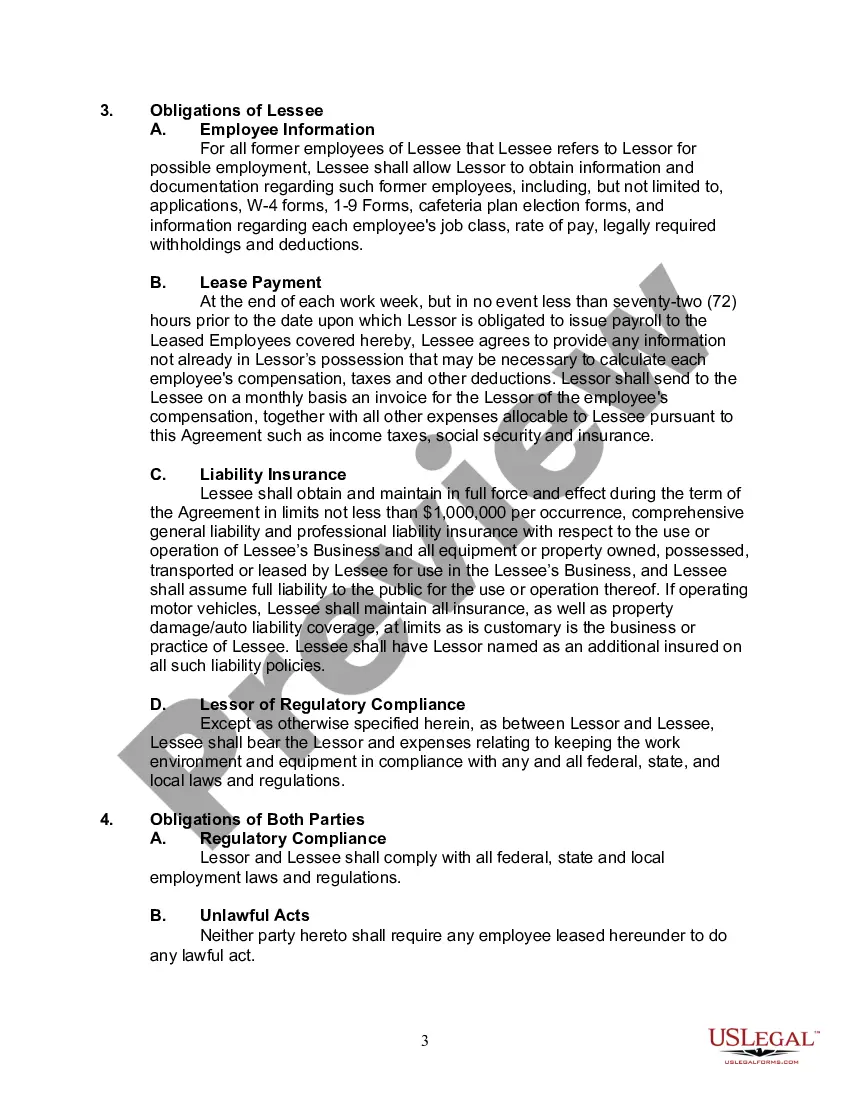
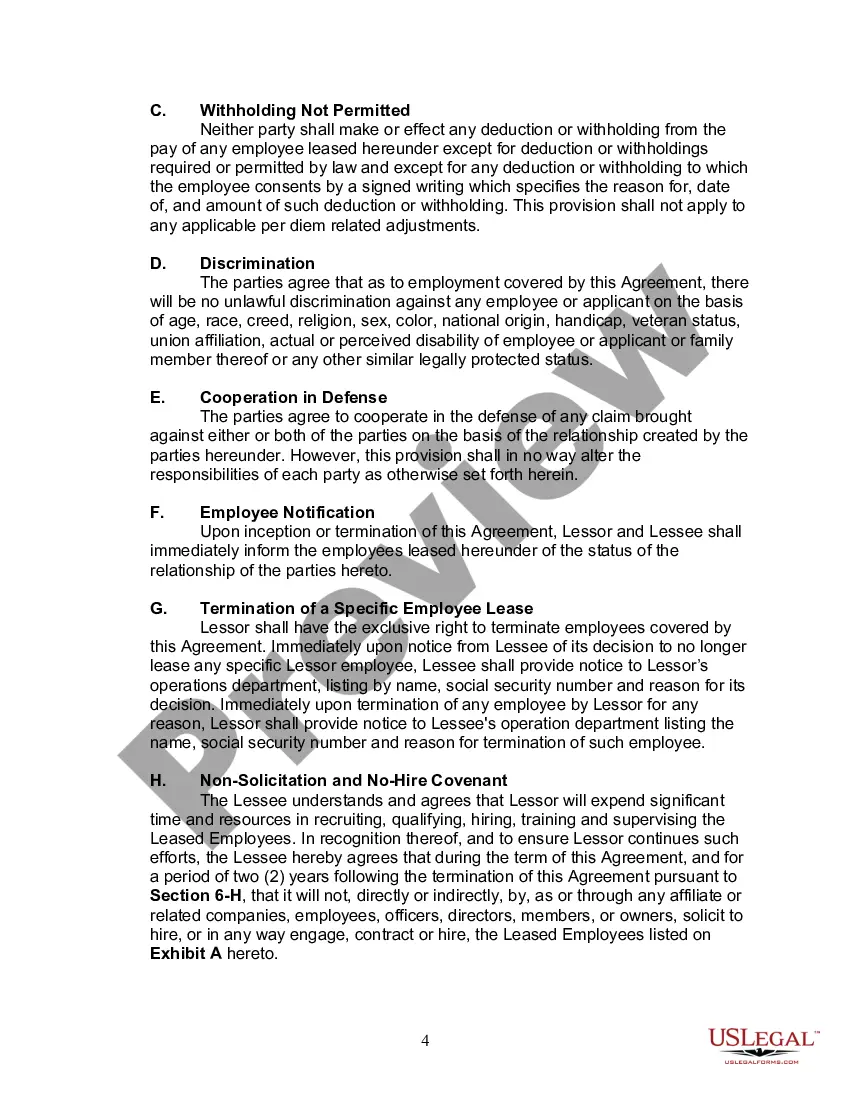
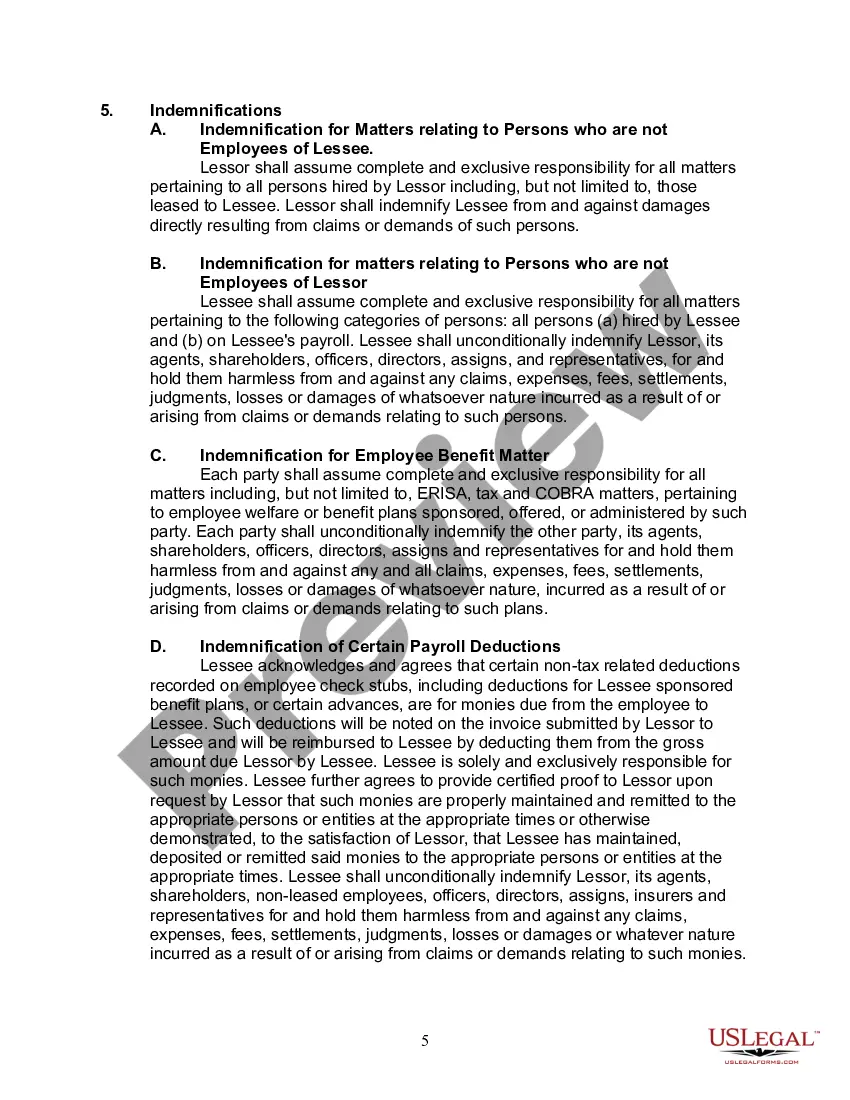
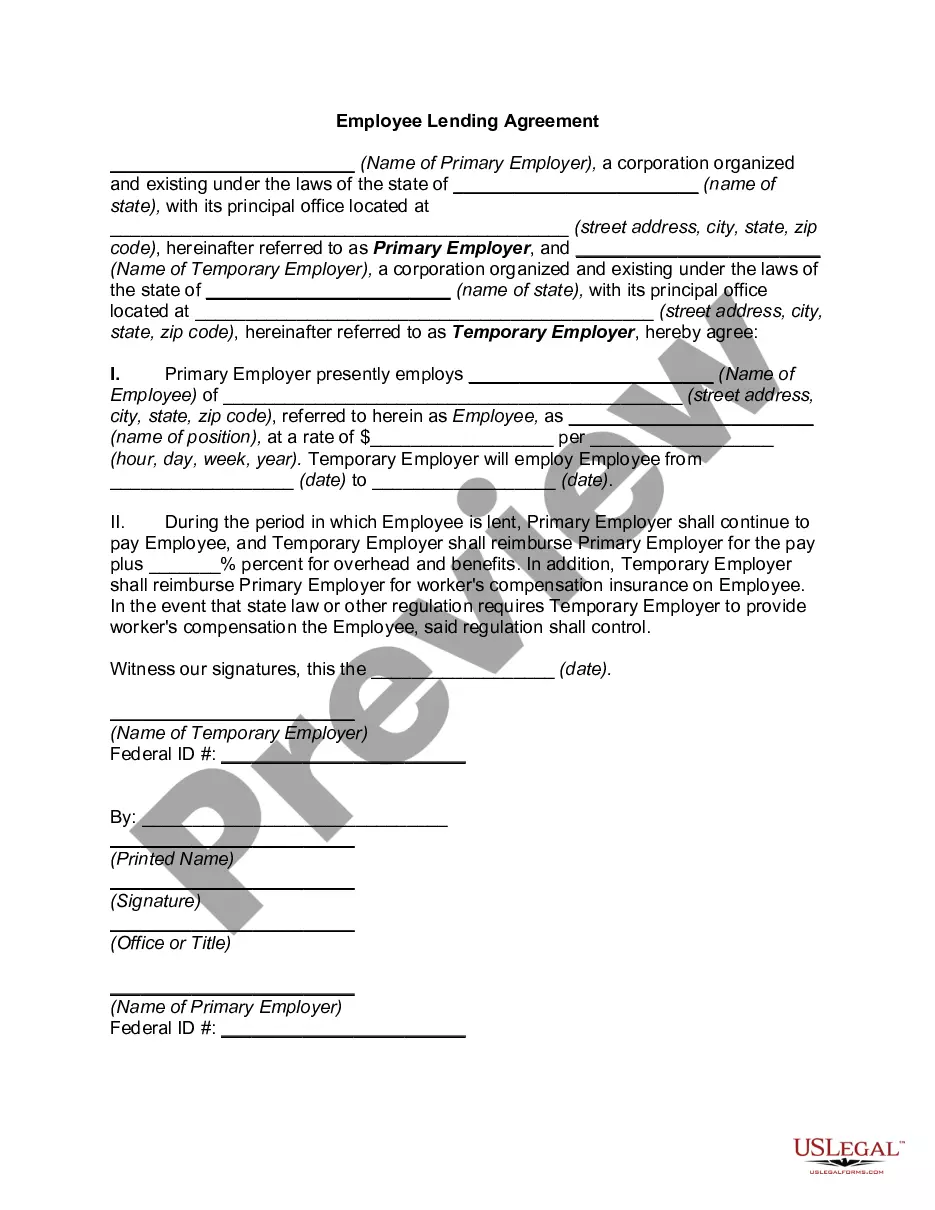
Employee leasing is an arrangement between a business and a staffing firm, who supplies workers on a project-specific or temporary basis. These employees work for the client business, but the leasing agency pays their salaries and handles all of the HR administration associated with their employment.
Limited Autonomy: When you partner with a PEO, you may have less control over certain HR functions, such as payroll and benefits administration. This could be a drawback if you prefer hands-on management of these areas.
