Employee Form Document With Attachment In Chicago
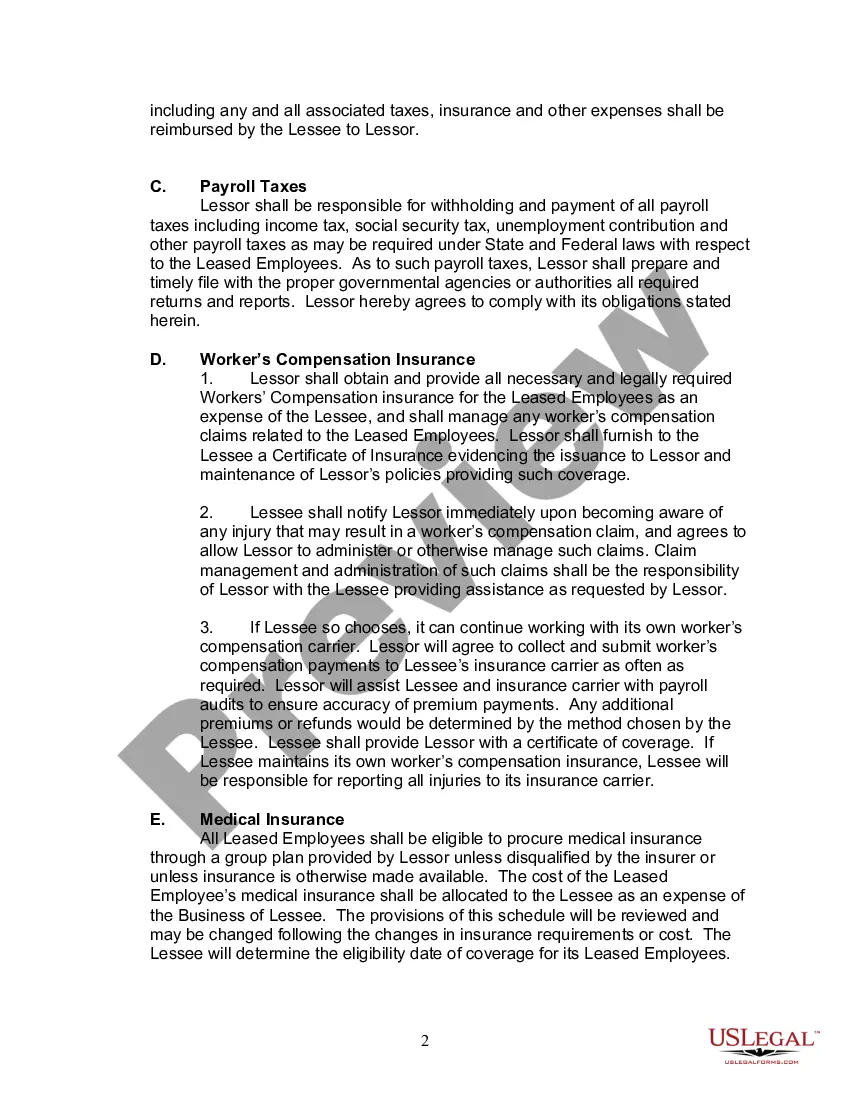
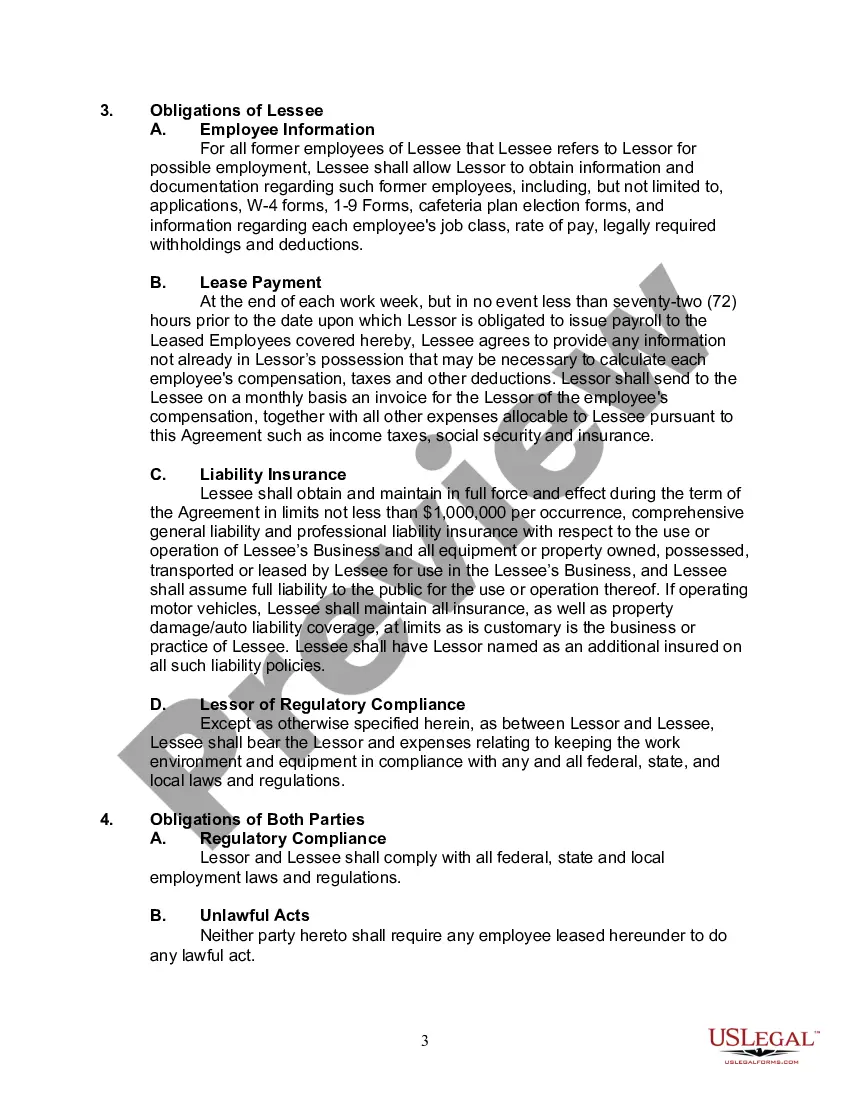
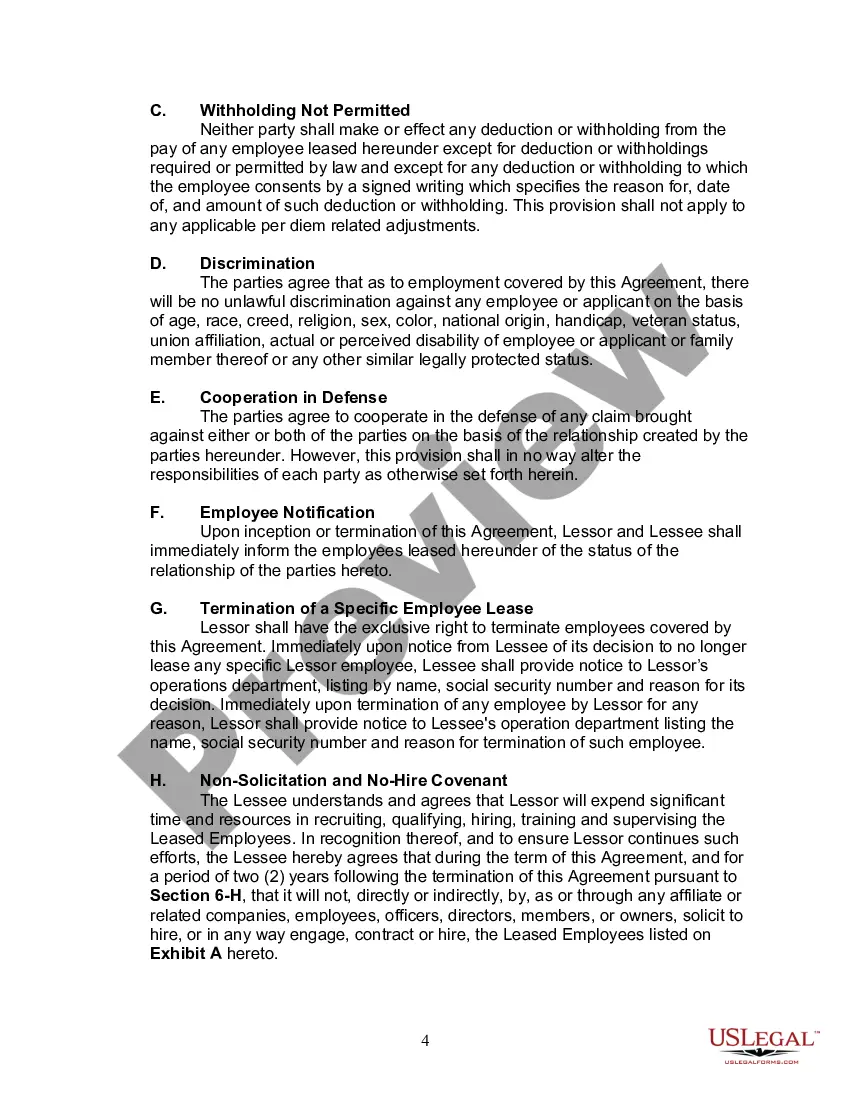
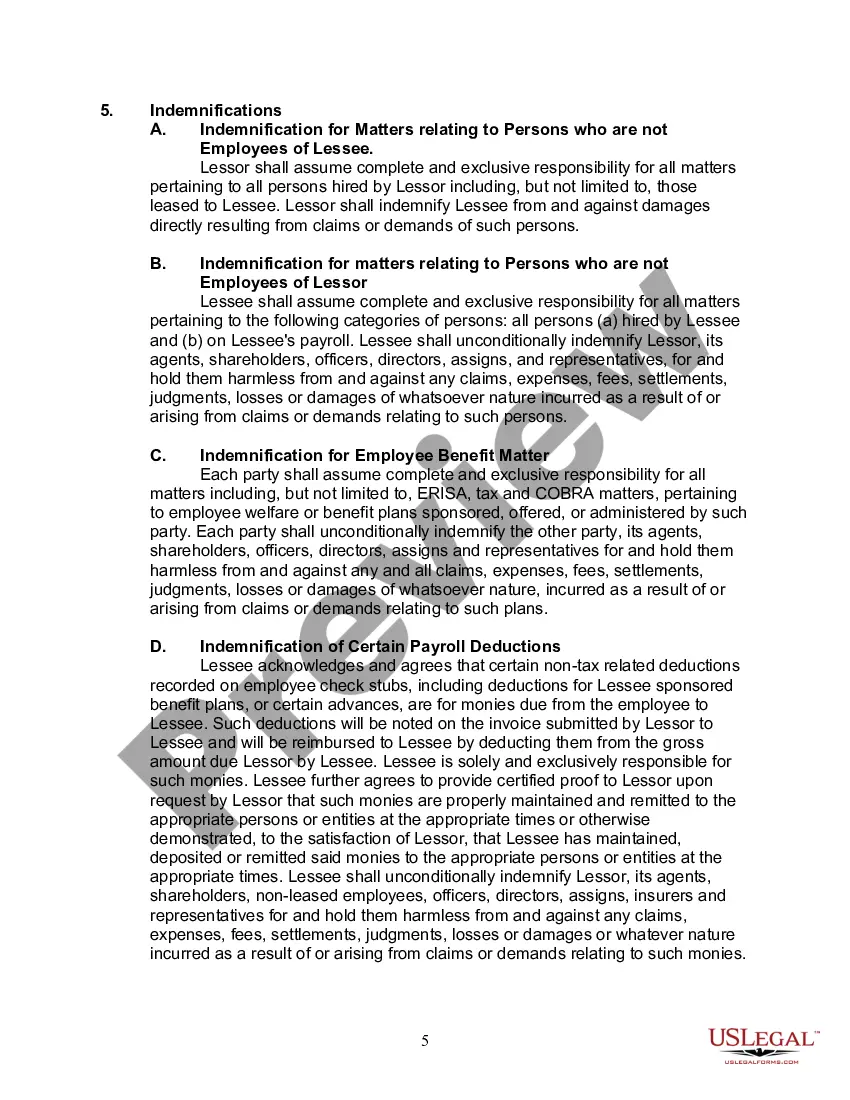
Description

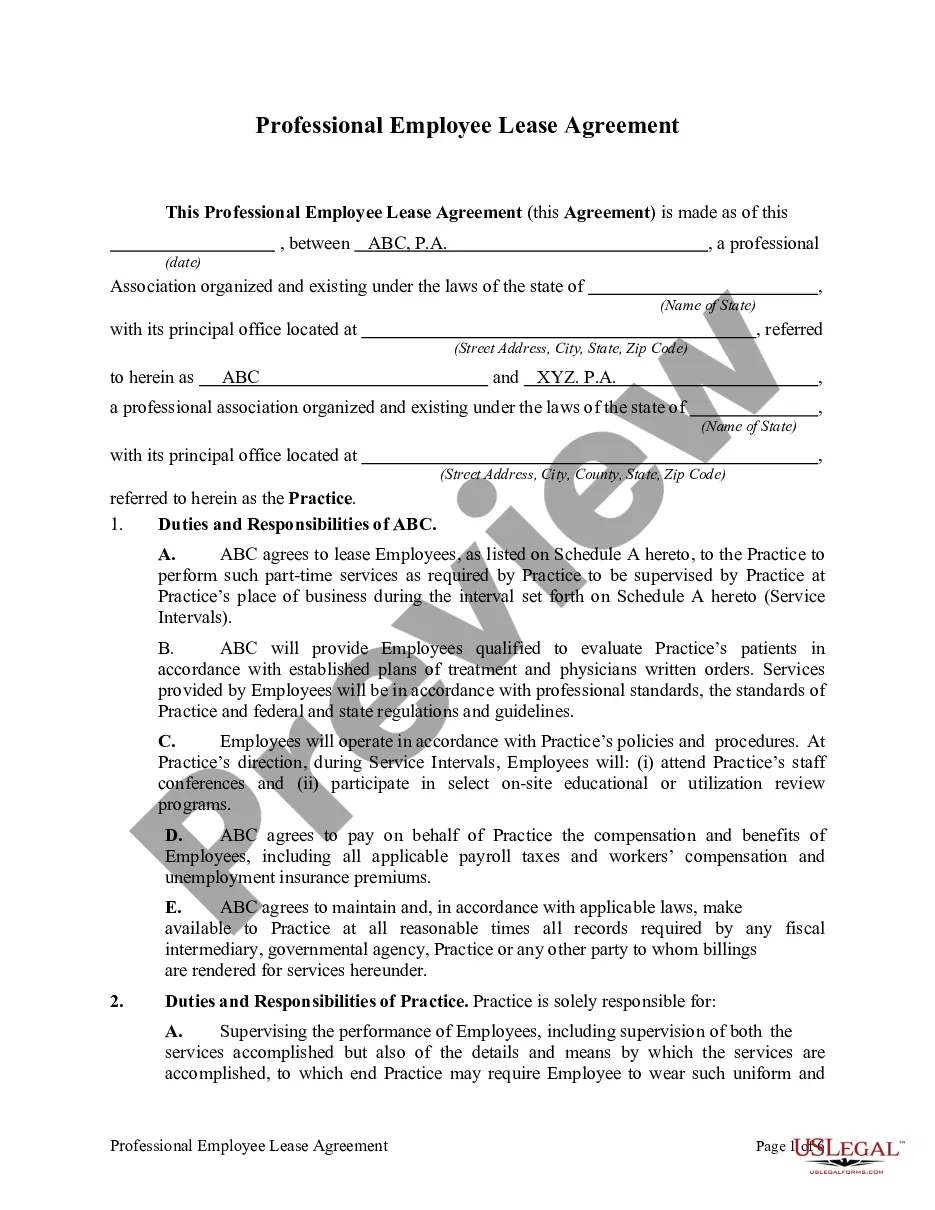
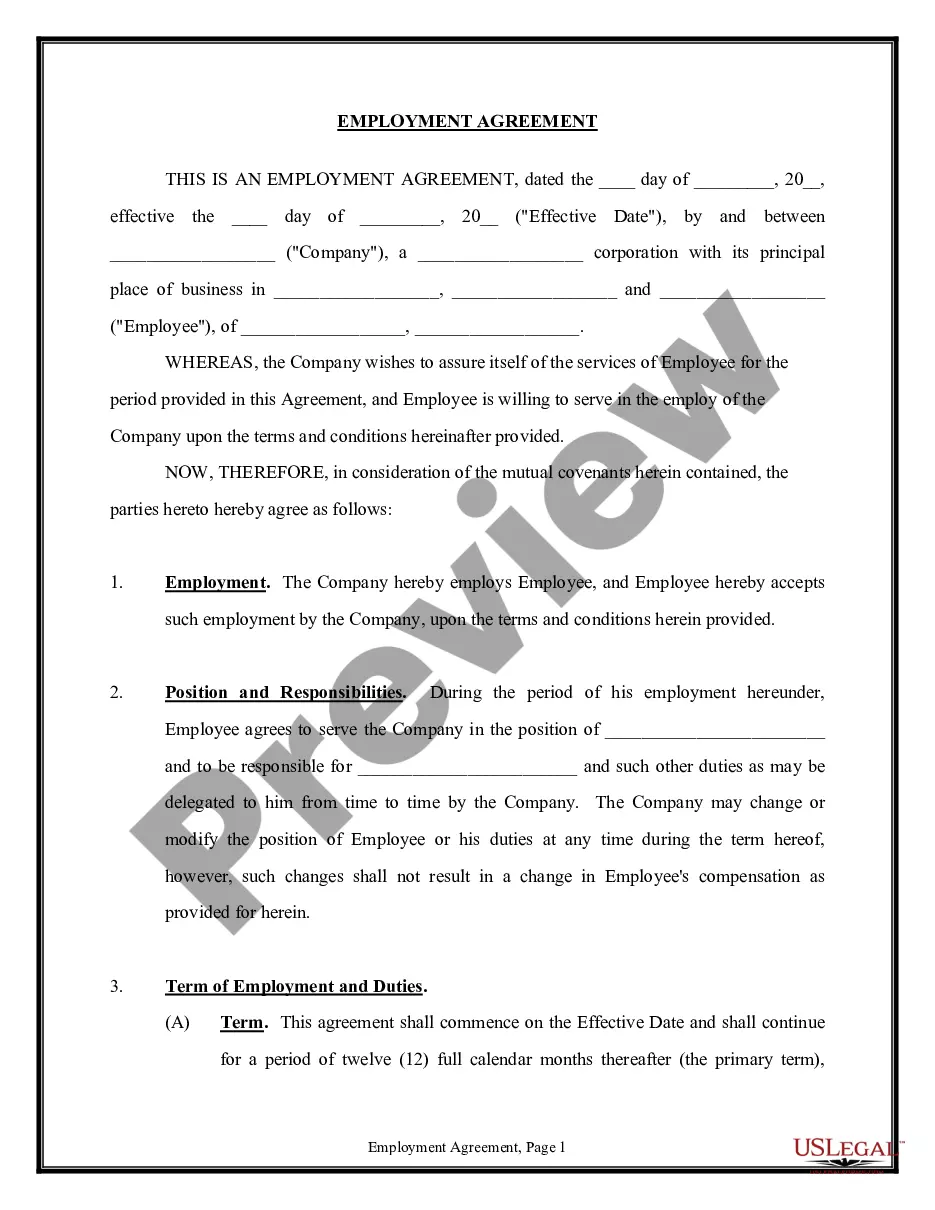
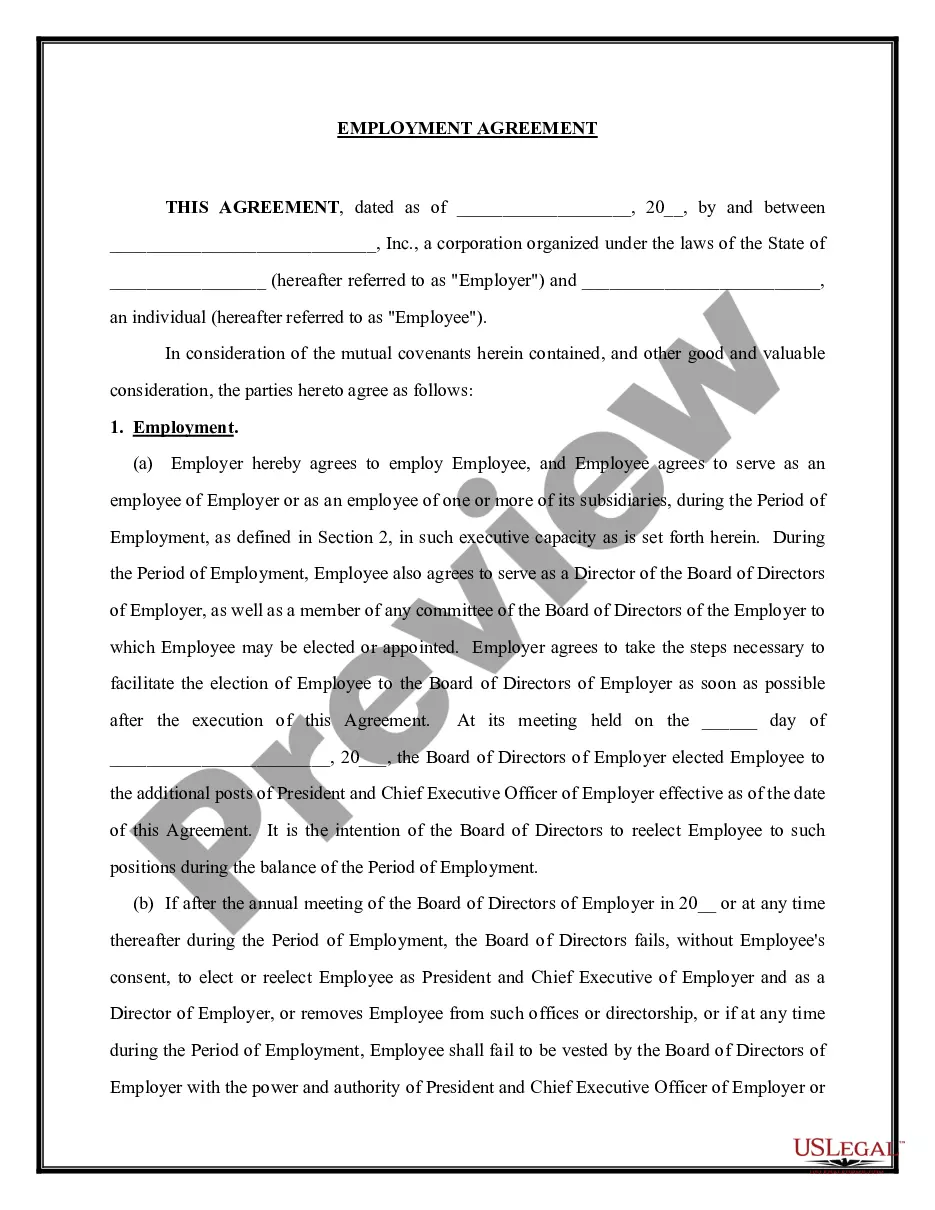
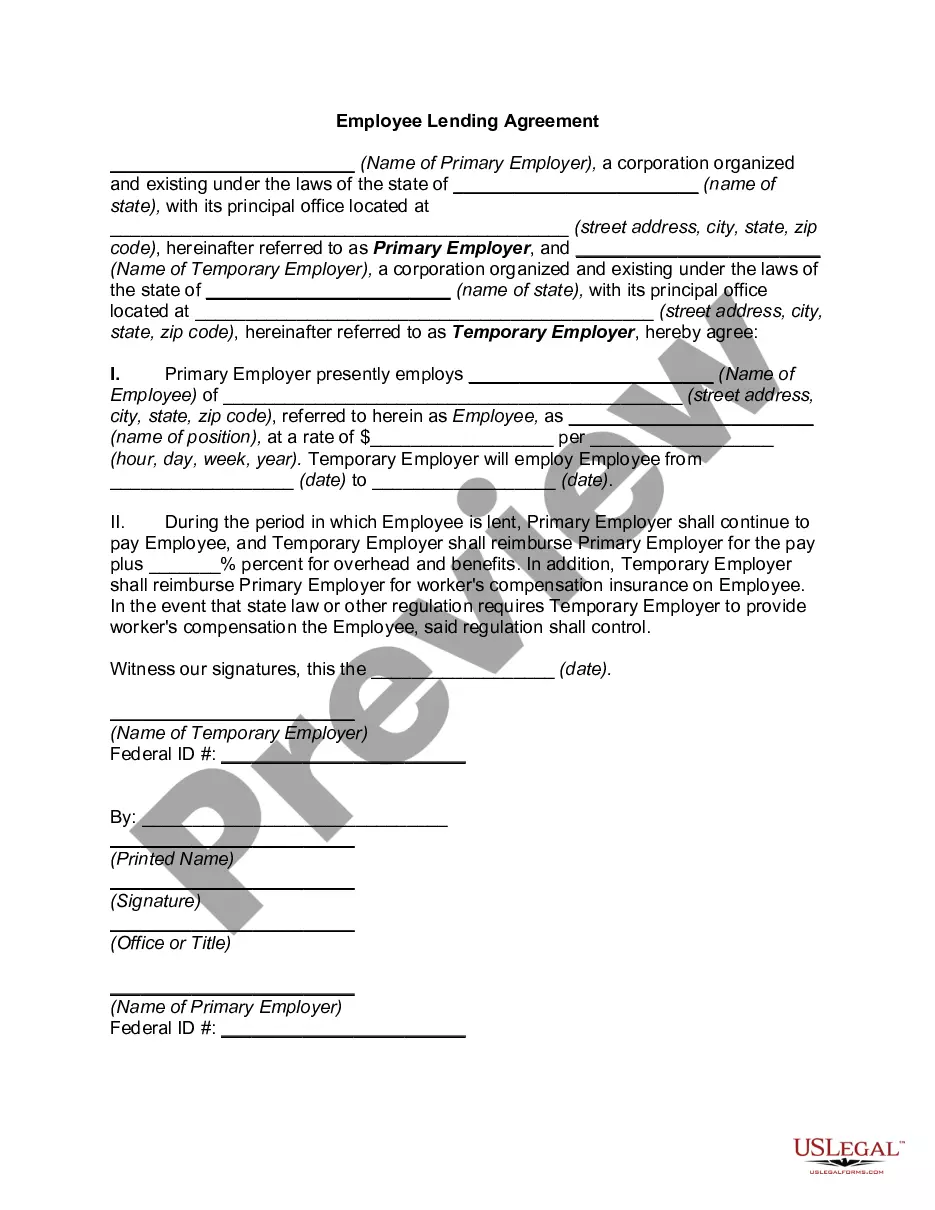
Get your form ready online
Our built-in tools help you complete, sign, share, and store your documents in one place.
Make edits, fill in missing information, and update formatting in US Legal Forms—just like you would in MS Word.
Download a copy, print it, send it by email, or mail it via USPS—whatever works best for your next step.
Sign and collect signatures with our SignNow integration. Send to multiple recipients, set reminders, and more. Go Premium to unlock E-Sign.
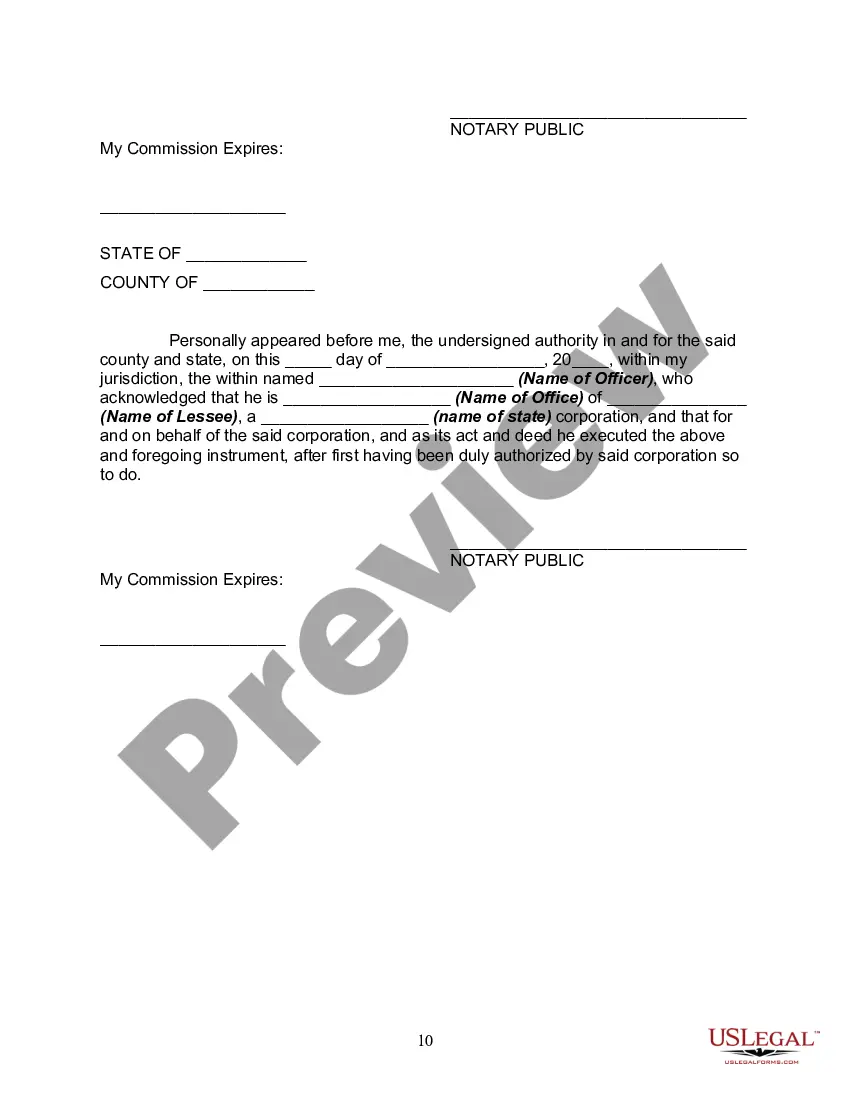
If this form requires notarization, complete it online through a secure video call—no need to meet a notary in person or wait for an appointment.
We protect your documents and personal data by following strict security and privacy standards.

Make edits, fill in missing information, and update formatting in US Legal Forms—just like you would in MS Word.

Download a copy, print it, send it by email, or mail it via USPS—whatever works best for your next step.

Sign and collect signatures with our SignNow integration. Send to multiple recipients, set reminders, and more. Go Premium to unlock E-Sign.

If this form requires notarization, complete it online through a secure video call—no need to meet a notary in person or wait for an appointment.

We protect your documents and personal data by following strict security and privacy standards.
Looking for another form?



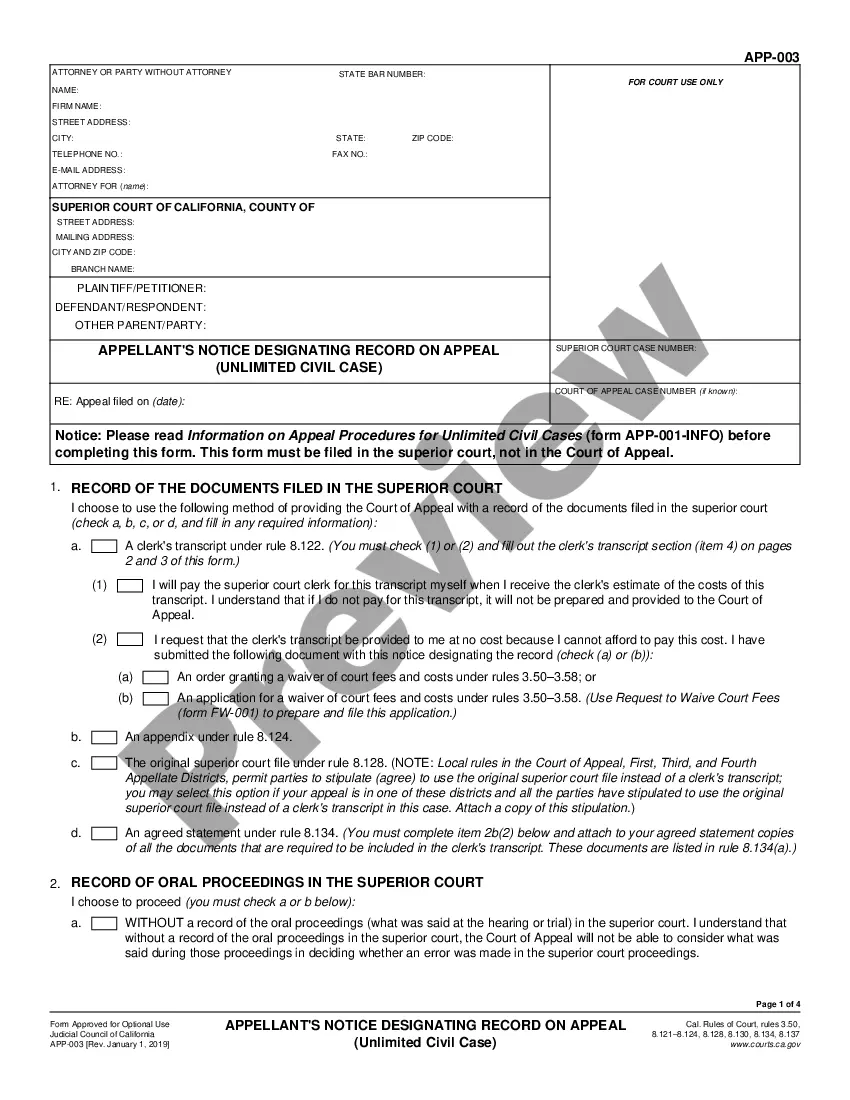


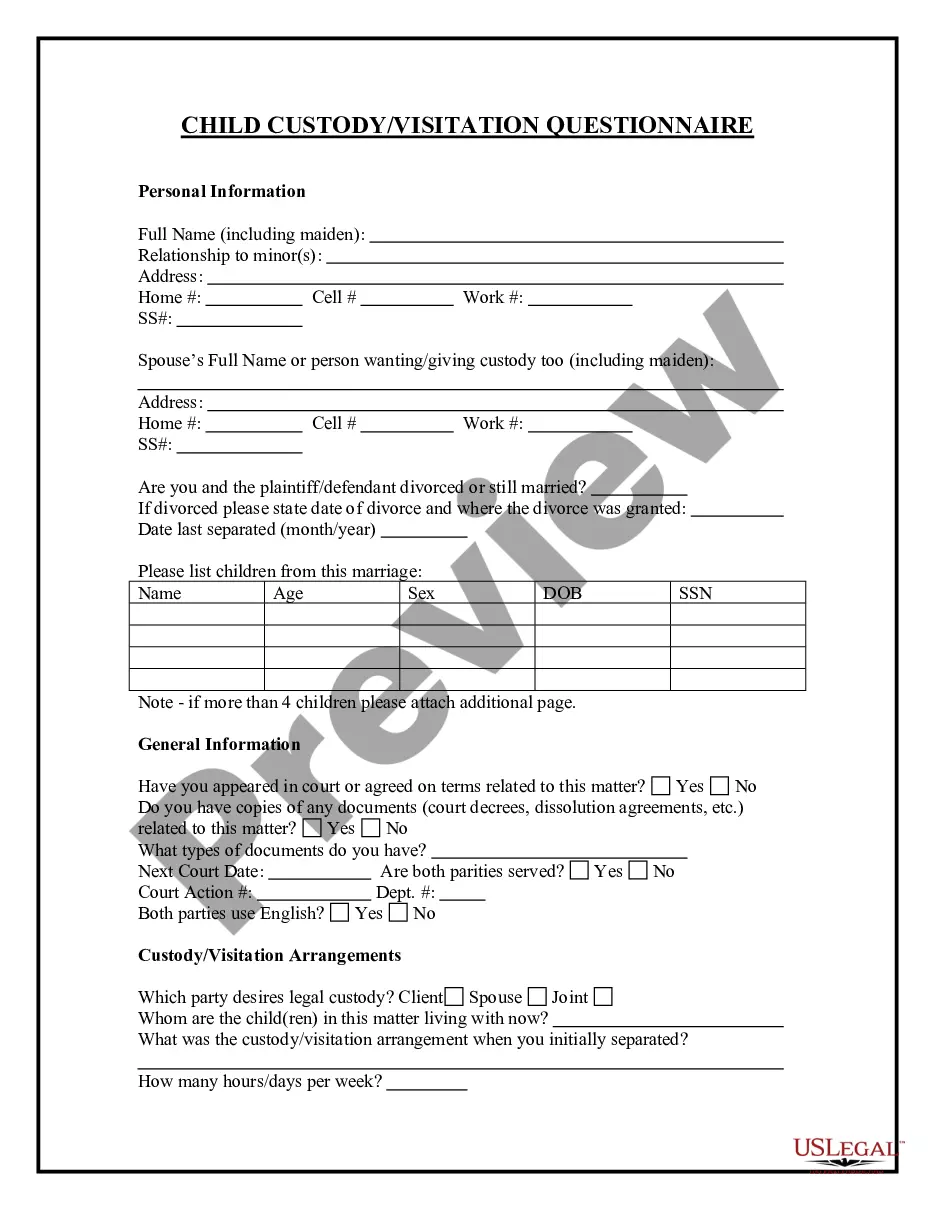


Form popularity
FAQ
The things to include in an employee's personnel file are: Job application, CV and cover letter. Education and past employment info. Role description. Job offer letter and employment contract. Emergency contact information. Training records. Payroll and benefits information (but not bank details) Performance appraisal forms.
The Act requires no particular form for the records, but does require that the records include certain identifying information about the employee and data about the hours worked and the wages earned. The law requires this information to be accurate.
Examples of items that should not be included in the personnel file are: Pre-employment records (with the exception of the application and resume) Monthly attendance transaction documents. Whistleblower complaints, notes generated from informal discrimination complaint investigations, Ombuds, or Campus Climate.
What to Keep in a Personnel File job description for the position. job application and/or resume. offer of employment. IRS Form W-4 (the Employee's Withholding Allowance Certificate) receipt or signed acknowledgment of employee handbook. performance evaluations. forms relating to employee benefits.
Use Form I-9 to verify the identity and employment authorization of individuals hired for employment in the United States.
Under California regulations, medical information should be kept separate from the personnel file to protect the employee's confidential information.
It should include: Personal Information: Full name, address, contact details, marital status, and spouse's details. Job Information: Title, department, supervisor, work location, start date, and salary. Emergency Contact Information: Name, address, and contact details of the emergency contact.
At the end of the day, the most important forms that you are going to have to submit include the I-9, W-4, IL-W-4, and W-9 forms. Once these are complete, your company has to keep up with legal compliance, such as state income taxes, reporting requirements, unemployment insurance, and more.
Tips to Write an Email When Sending Documents Inform the Recipient That the Documents Are Attached in the Subject Line. Explain the Purpose of Attached Documents. Offer to Provide Additional Information. Include CTA. Add Signature. Choose Suitable Tone. Keep it Simple. Proofread Your Email.
For example, say, “Please find the attached file you requested yesterday.” If you do not want to specify a specific file, avoid using “the”. You can simply write, “Please find attached.” or its short form: PFA. “Attached” is the correct word for electronic communication.
