Alternative To Lease Agreement In Chicago
Description

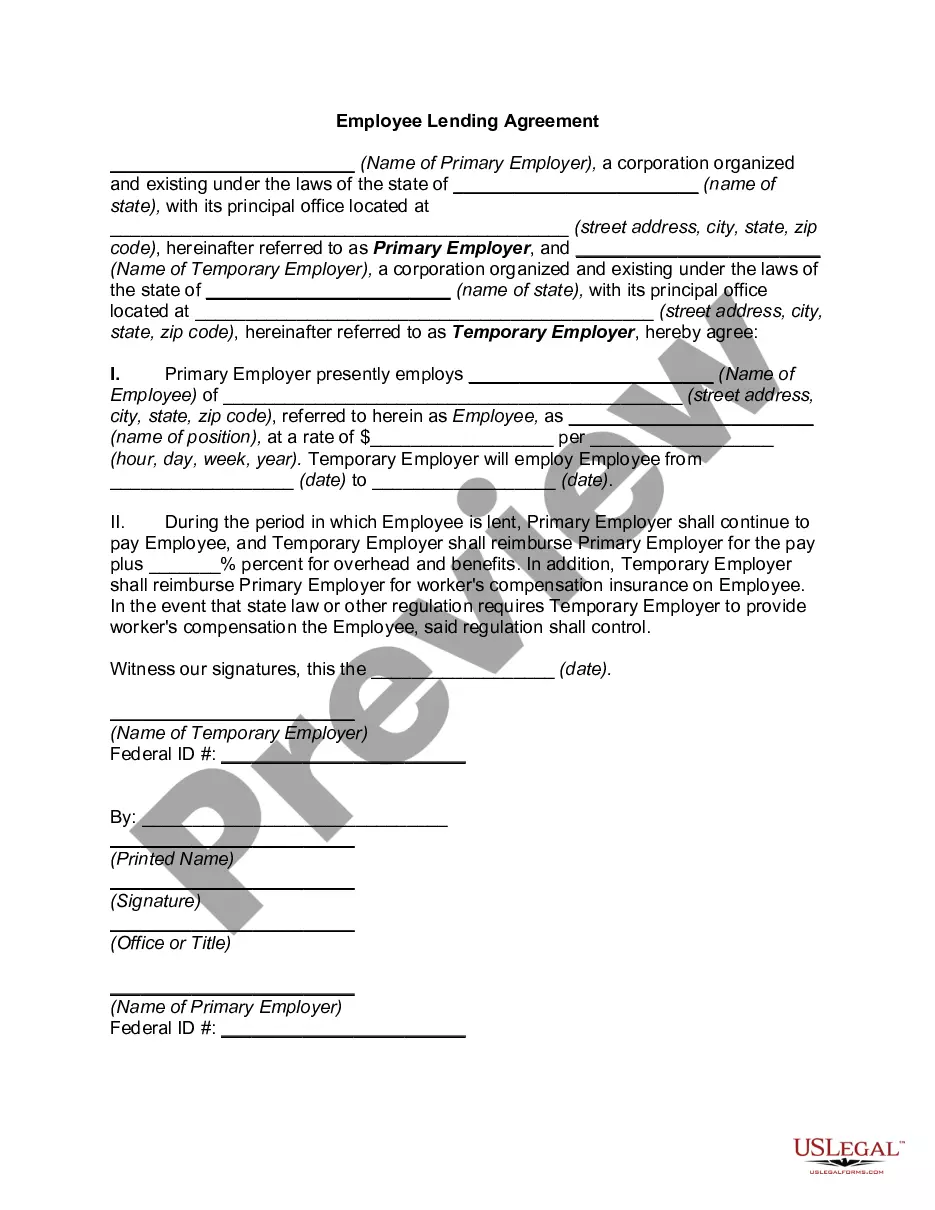
Get your form ready online
Our built-in tools help you complete, sign, share, and store your documents in one place.
Make edits, fill in missing information, and update formatting in US Legal Forms—just like you would in MS Word.
Download a copy, print it, send it by email, or mail it via USPS—whatever works best for your next step.
Sign and collect signatures with our SignNow integration. Send to multiple recipients, set reminders, and more. Go Premium to unlock E-Sign.
If this form requires notarization, complete it online through a secure video call—no need to meet a notary in person or wait for an appointment.
We protect your documents and personal data by following strict security and privacy standards.

Make edits, fill in missing information, and update formatting in US Legal Forms—just like you would in MS Word.

Download a copy, print it, send it by email, or mail it via USPS—whatever works best for your next step.

Sign and collect signatures with our SignNow integration. Send to multiple recipients, set reminders, and more. Go Premium to unlock E-Sign.

If this form requires notarization, complete it online through a secure video call—no need to meet a notary in person or wait for an appointment.

We protect your documents and personal data by following strict security and privacy standards.
Looking for another form?








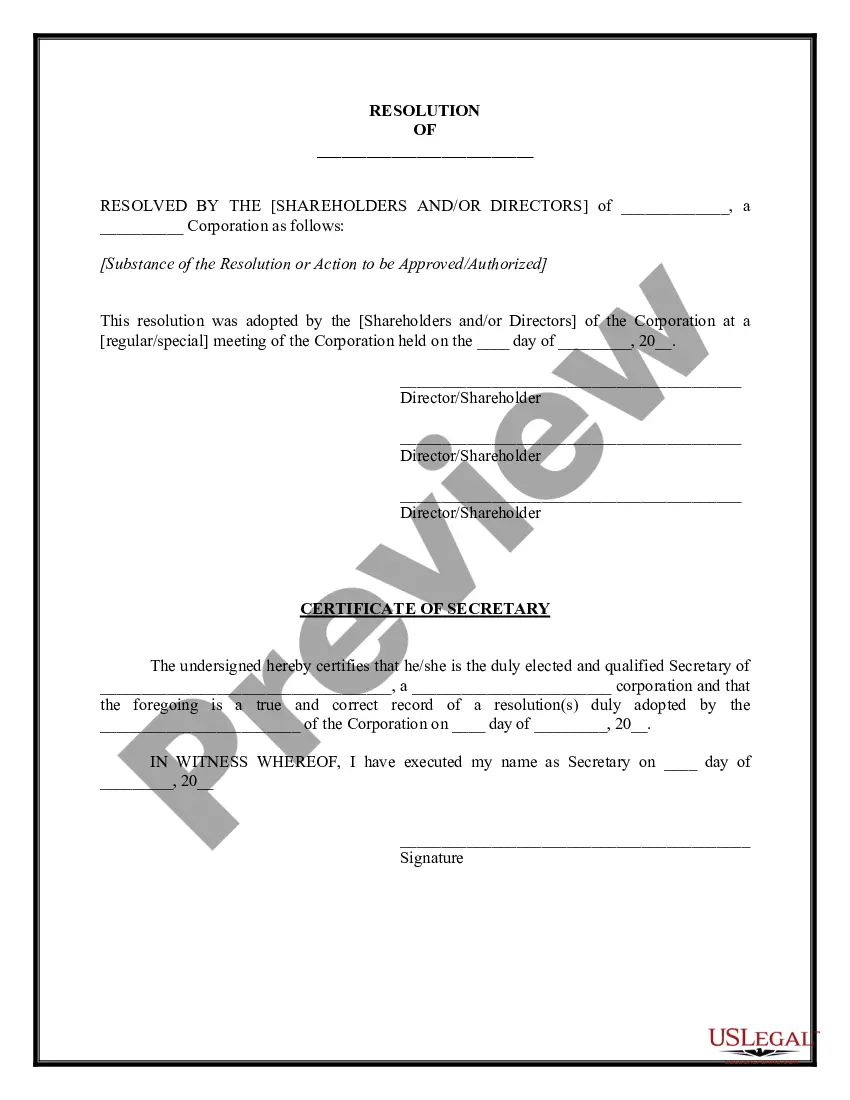

Form popularity
FAQ
Yes, someone can live in a house without being on the lease, but there are important considerations: Permission from the Leaseholder: The primary leaseholder (the person whose name is on the lease) must give permission for the person to live there. This is often referred to as a guest or unauthorized occupant.
Yes, someone can live in a house without being on the lease, but there are important considerations: Permission from the Leaseholder: The primary leaseholder (the person whose name is on the lease) must give permission for the person to live there. This is often referred to as a guest or unauthorized occupant.
In Illinois, tenants without a written lease have legal protections, and landlords must provide justified reasons for evictions, like non-payment of rent. Landlords must give proper notice, document violations carefully, and follow legal procedures to file an eviction lawsuit to avoid complications.
In most situations, a tenant without a signed Lease Agreement will be considered a month-to-month tenant. This means that either you or the tenant can end the tenancy in any given month as long as you give proper notice.
A tenant that has permission from a landlord to occupy a property without a formal lease is considered a “tenant-at-will.” Tenancy-at-will is governed by state law and may also be called a month-to-month lease.
A tenancy without a lease agreement is sometimes referred to as a tenancy at will or a month-to-month tenancy. It's a rental arrangement where there is no formal, written lease binding the tenant and the landlord. If both parties verbally agreed to terms, the tenancy operates under those terms.
An agreement for lease should, therefore, have a 'longstop date' in it. This is a date when both parties agree that the agreement for the lease can terminate if any conditions that the parties need to fulfil are not. They may agree that only one party has the choice to terminate at this date or that either party can.
Removing yourself from a joint lease usually requires the agreement of all co-tenants and the landlord. All parties need to be on board with the changes to the lease arrangement.
Loss of Employment, Change of Employment, Job Transfer, Death in the immediate family, Long Term Illness, Partner or Roommate Breakup, or maybe even Lack of Maintenance by the owner, No Heat or Air Conditioning, Horrible Neighbors, or any other reason imaginable. The actual reason is secondary to the situation.
Tenants without a lease generally have the same rights as tenants with a lease. This means that a tenant can only withhold rent in certain situations, such as when the landlord has failed to make necessary repairs that affect the habitability of the rental unit.
