Employment Lease Agreement For Commercial Property In Bexar
Description

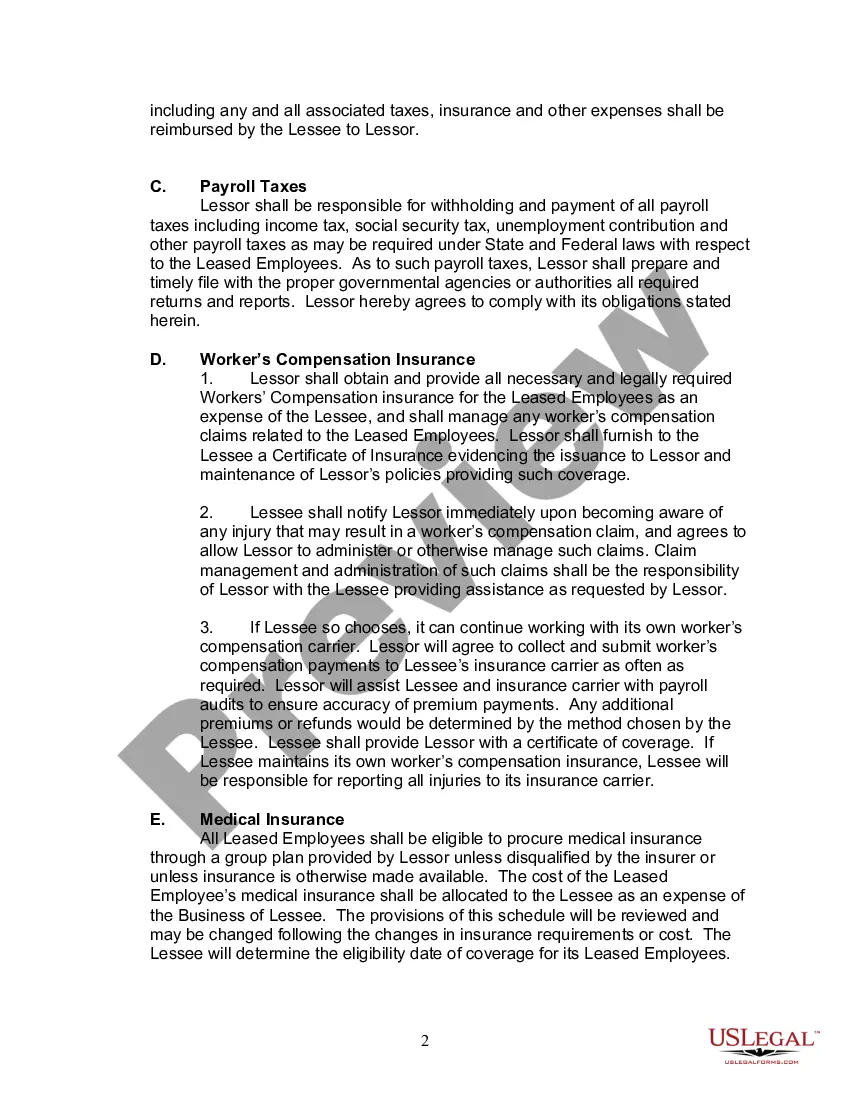
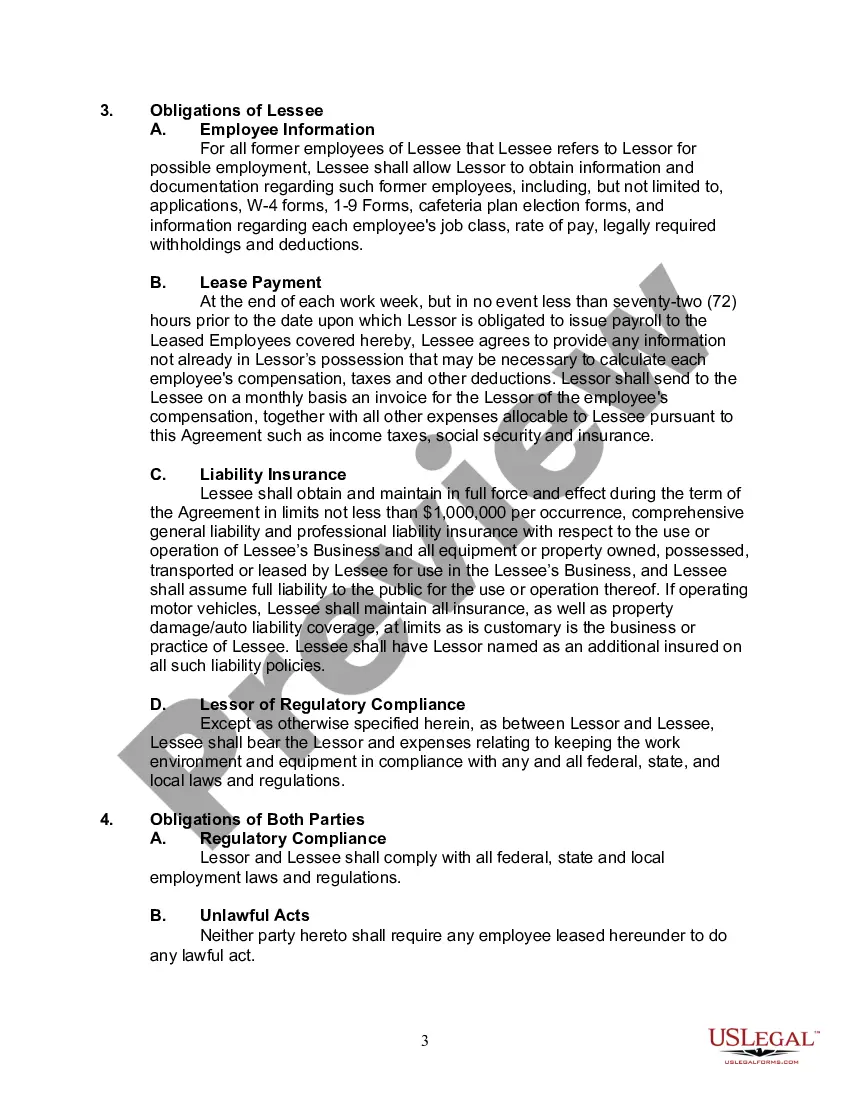
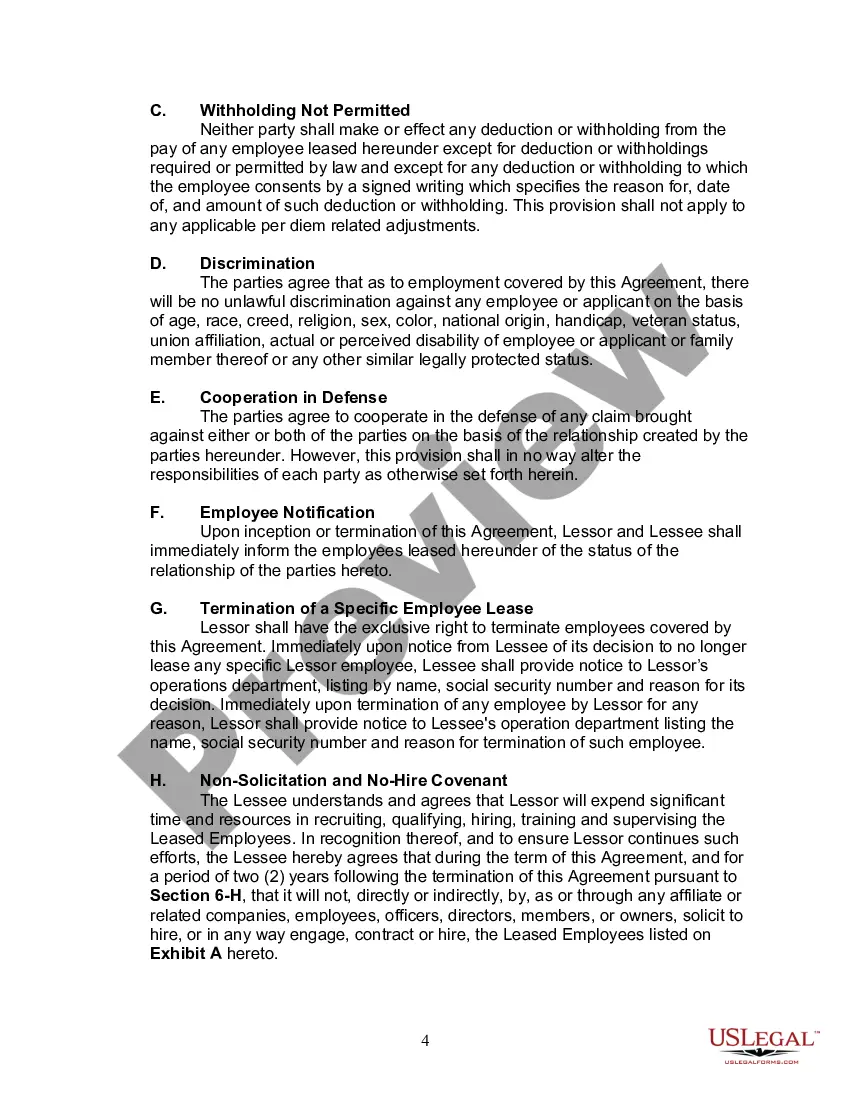
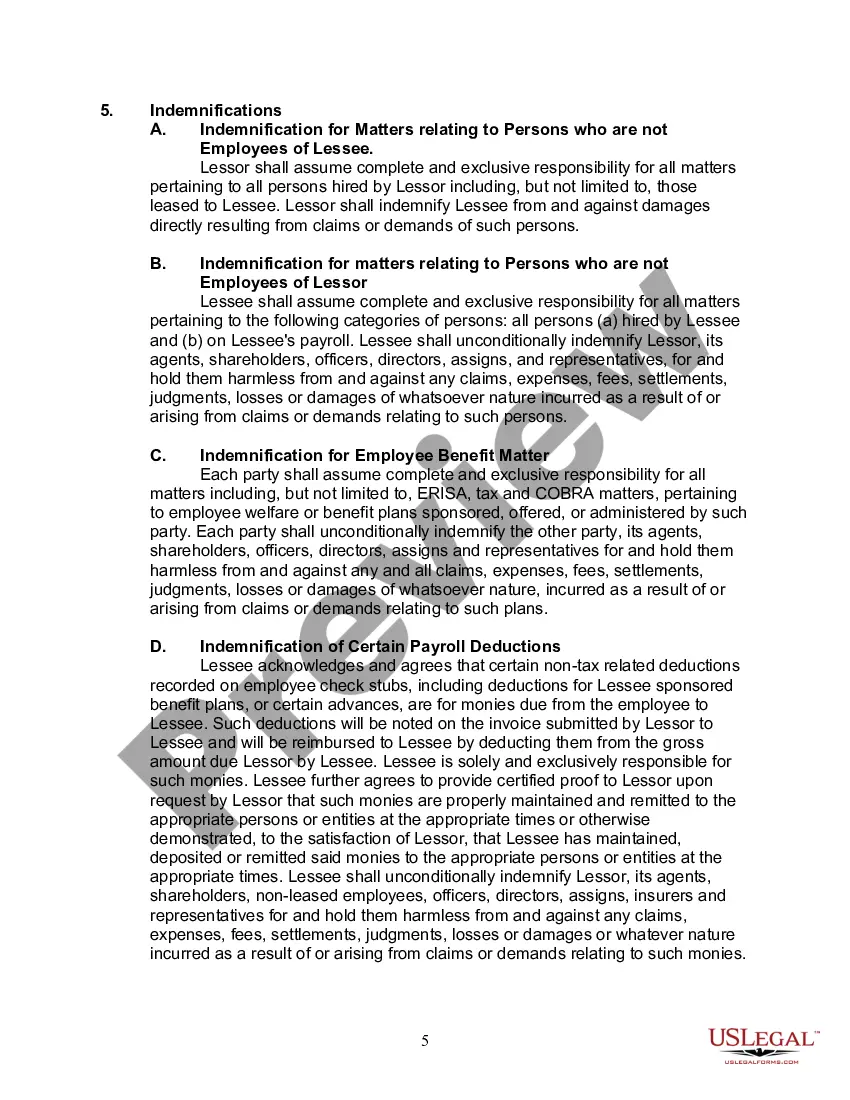
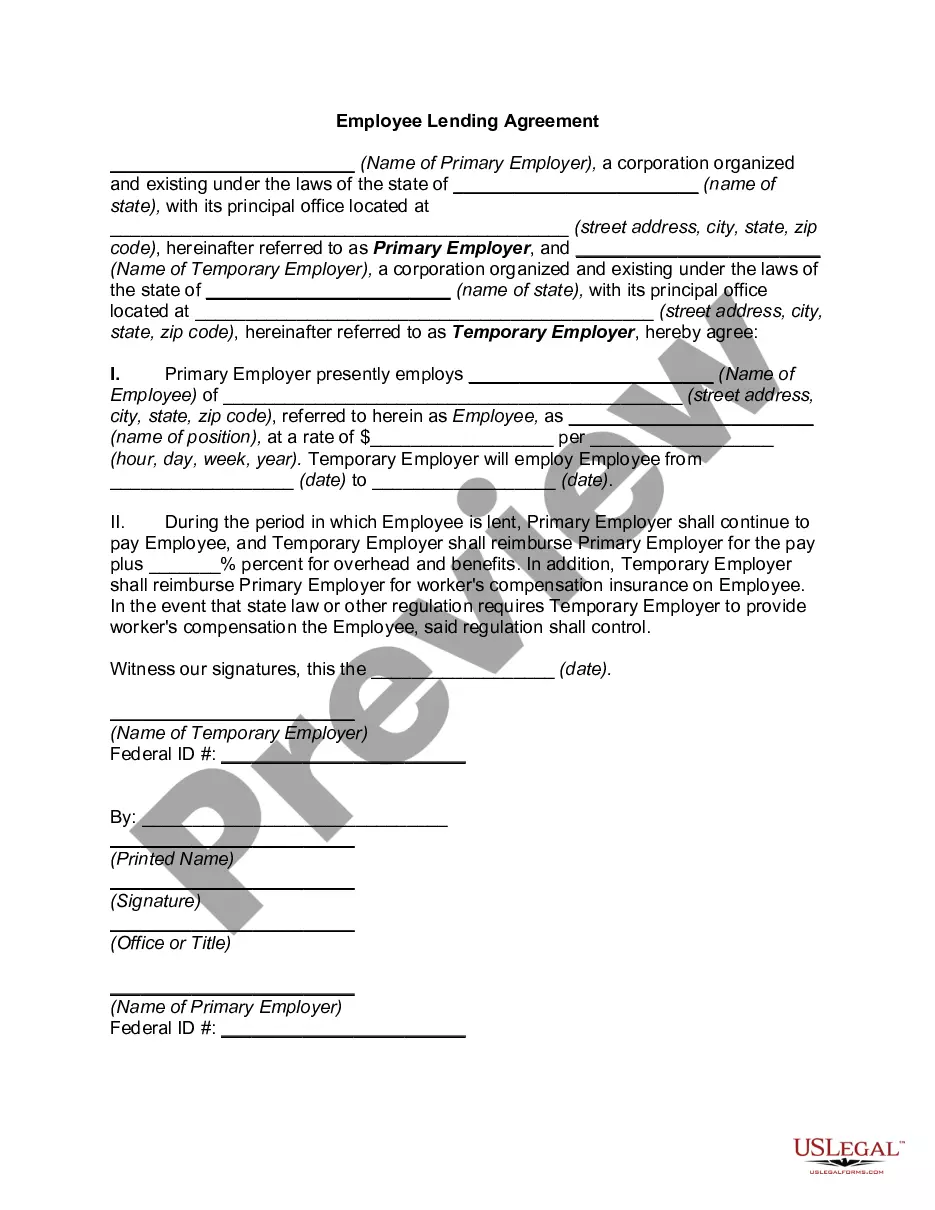
Get your form ready online
Our built-in tools help you complete, sign, share, and store your documents in one place.
Make edits, fill in missing information, and update formatting in US Legal Forms—just like you would in MS Word.
Download a copy, print it, send it by email, or mail it via USPS—whatever works best for your next step.
Sign and collect signatures with our SignNow integration. Send to multiple recipients, set reminders, and more. Go Premium to unlock E-Sign.
If this form requires notarization, complete it online through a secure video call—no need to meet a notary in person or wait for an appointment.
We protect your documents and personal data by following strict security and privacy standards.

Make edits, fill in missing information, and update formatting in US Legal Forms—just like you would in MS Word.

Download a copy, print it, send it by email, or mail it via USPS—whatever works best for your next step.

Sign and collect signatures with our SignNow integration. Send to multiple recipients, set reminders, and more. Go Premium to unlock E-Sign.

If this form requires notarization, complete it online through a secure video call—no need to meet a notary in person or wait for an appointment.

We protect your documents and personal data by following strict security and privacy standards.
Looking for another form?






Form popularity
FAQ
What are the most important steps for drafting a commercial lease agreement? Identify the parties and the property. Determine the rent and the term. Negotiate the improvements and the maintenance. Allocate the taxes and the insurance. Include the clauses and the contingencies. Review and sign the agreement.
It is possible to draft your own lease agreement, but you are leaving yourself open to issues.
No, Texas law does not require you to notarize your Commercial Lease Agreement for it to be valid. Generally, a valid contract must meet certain legal requirements (such as mutual consent to enter the agreement). Still, notarizing your document helps to authenticate each party's signature.
Gross Lease Gross leases are most common for commercial properties such as offices and retail space. The tenant pays a single, flat amount that includes rent, taxes, utilities, and insurance.
At the very least, a commercial lease should identify the parties to the lease, state who is the landlord and who is the tenant, give the address of the property, and include the amount of the rent. It should also include a start date and an allocation of any other costs. Both parties should sign the lease.
5 Steps to Leasing a Commercial Property Step 1: Assess your business. Step 2: Search for properties that meet your needs and budget. Step 3: Set up Showings. Step 4: Negotiate the Letter of Intent (LOI) or Lease Proposal. Step 5: Executing a Lease.
How to write a business contract Determine why you need a contract. Define all applicable parties. Include all essential elements of a contract. Select the appropriate governing law and jurisdiction. Write everything in plain language. Use repeatable language and formats when possible. Use tables, lists, and other tools.
Here are 16 steps on how to make a lease agreement: Include the contact information of both parties. Include property details. Outline property utilities and services. Define the lease term. Disclose the monthly rent amount and due date. Detail the penalties and late fees. Describe any additional or services fees.
Unlike residential leasing, commercial leasing involves more complex and negotiable terms, such as rent, duration, maintenance, improvements, and subleasing. To qualify for commercial leasing, you need to prepare a strong application that showcases your business plan, financials, and credibility.
