Employment Lease Agreement With Roommate In Allegheny
Description
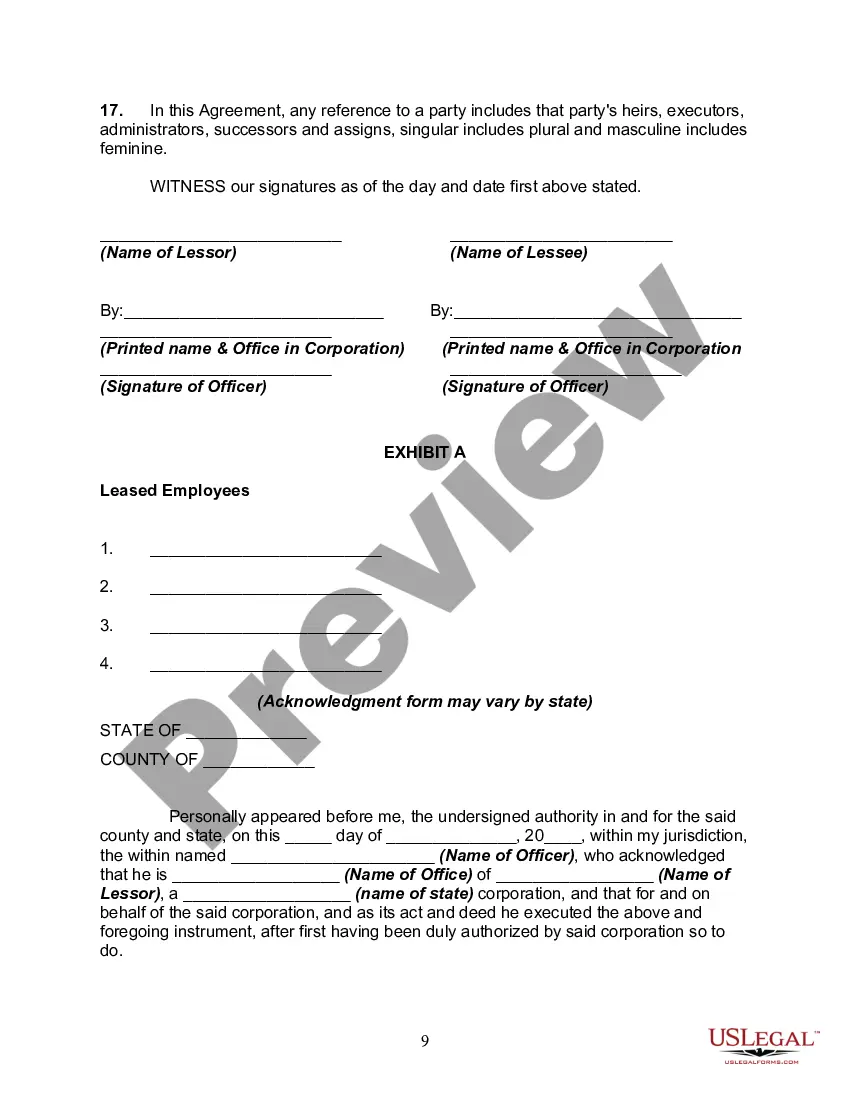
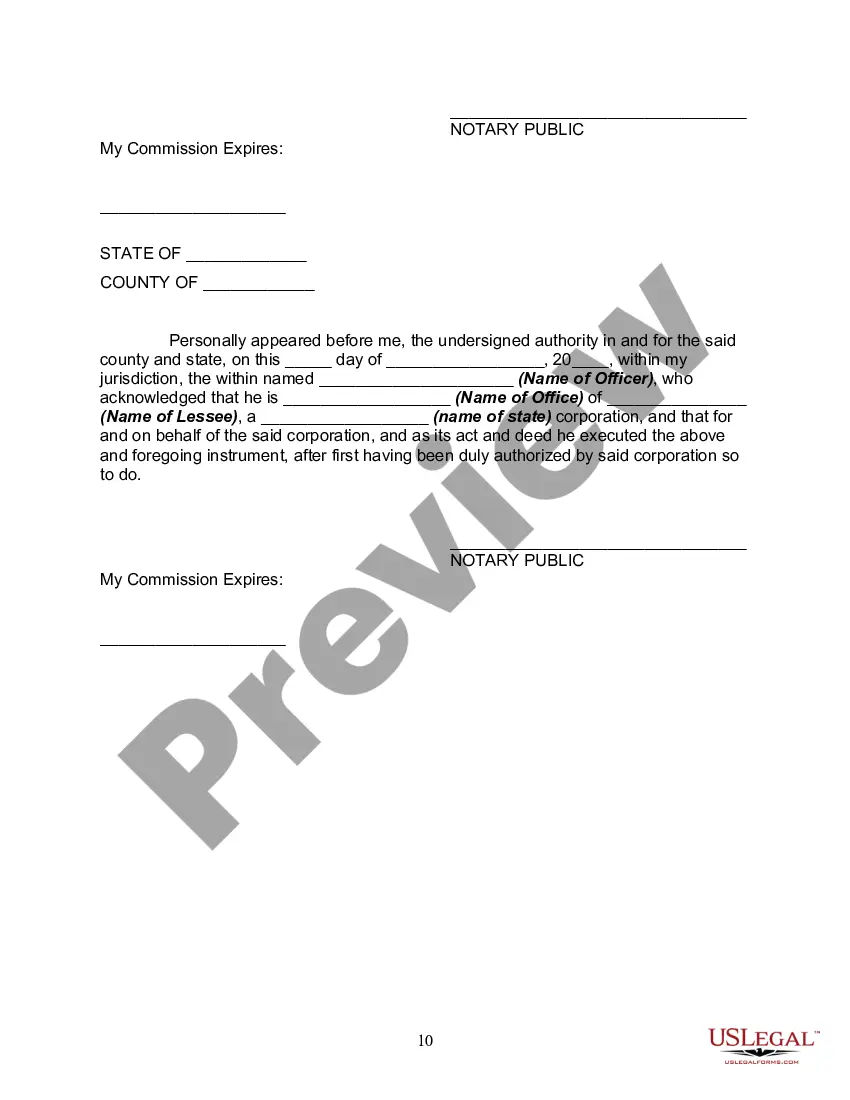
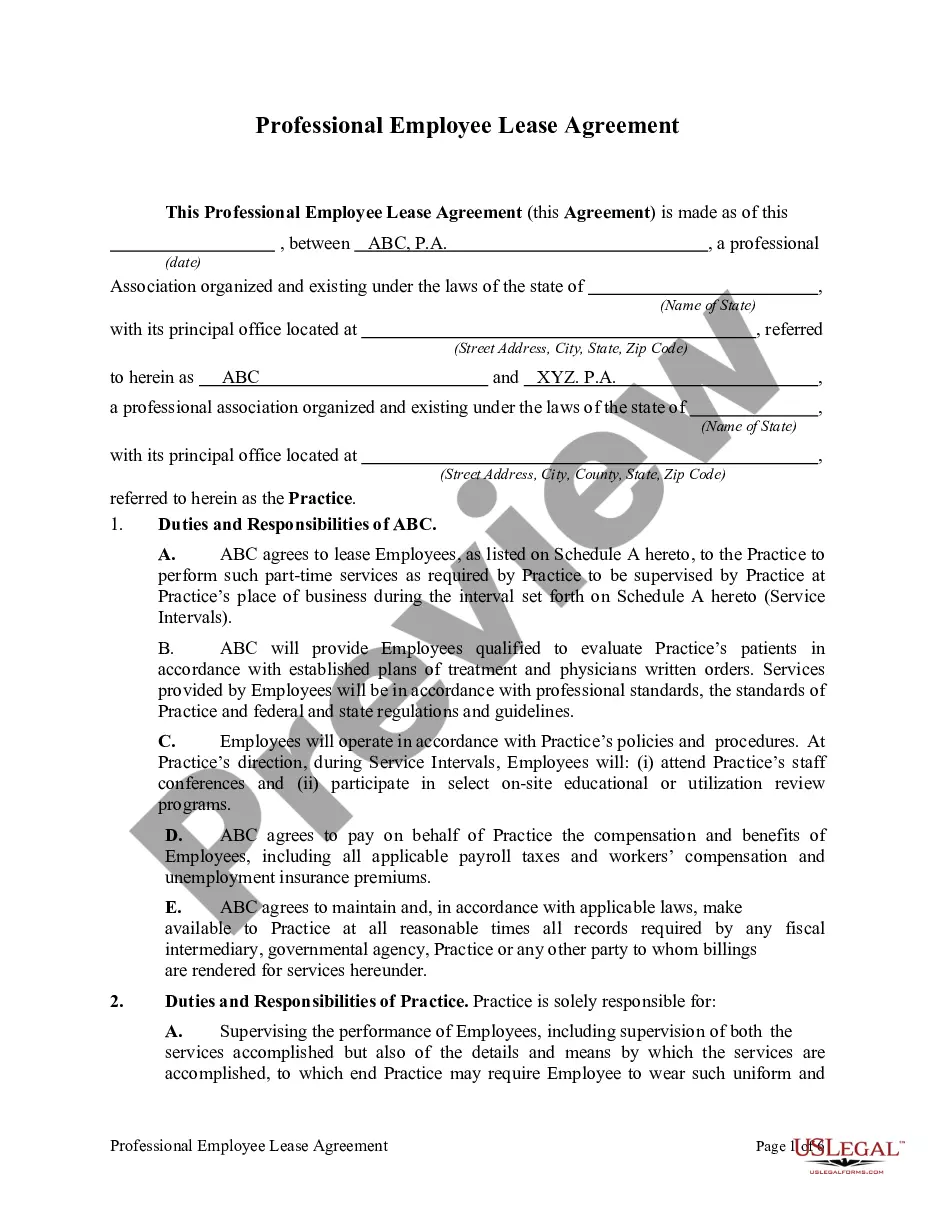
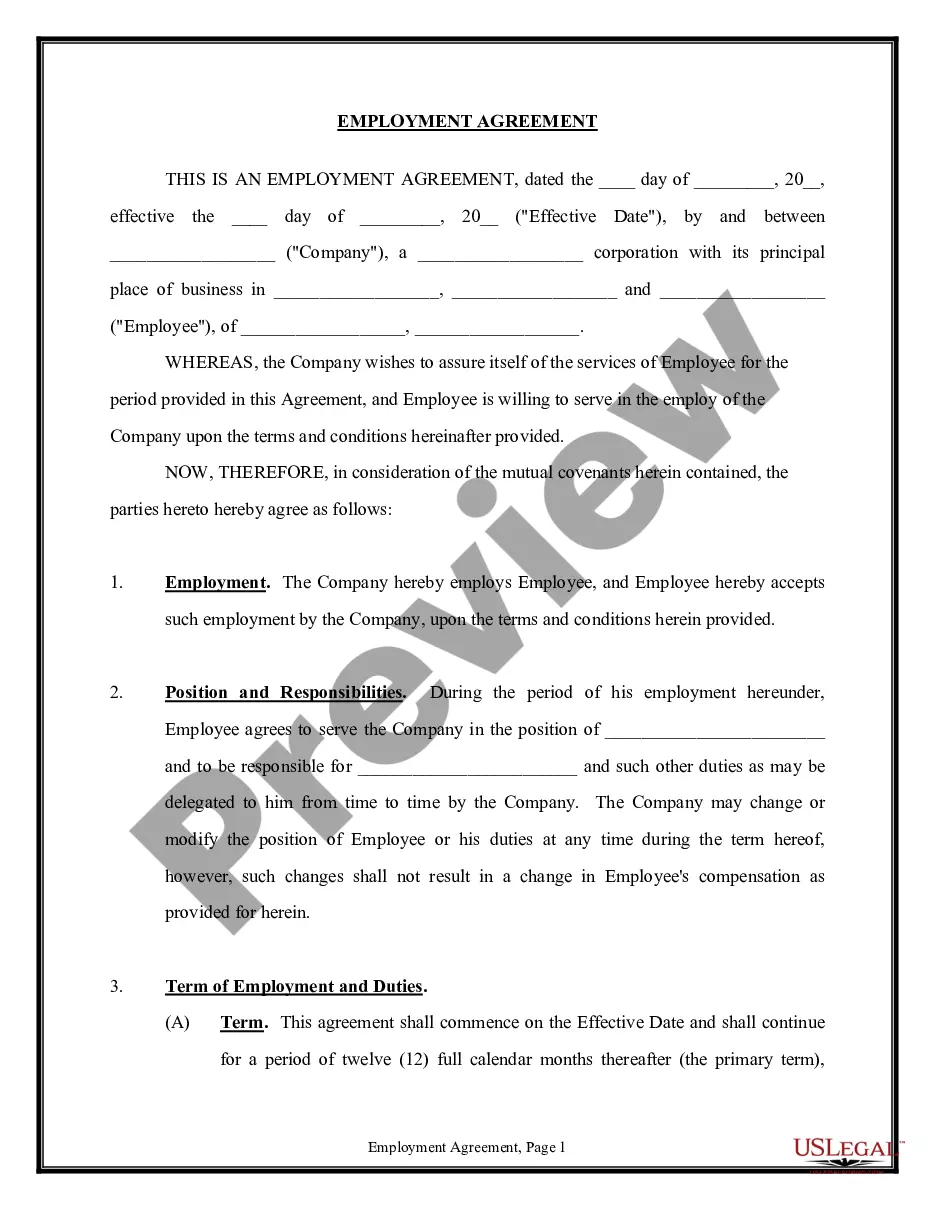
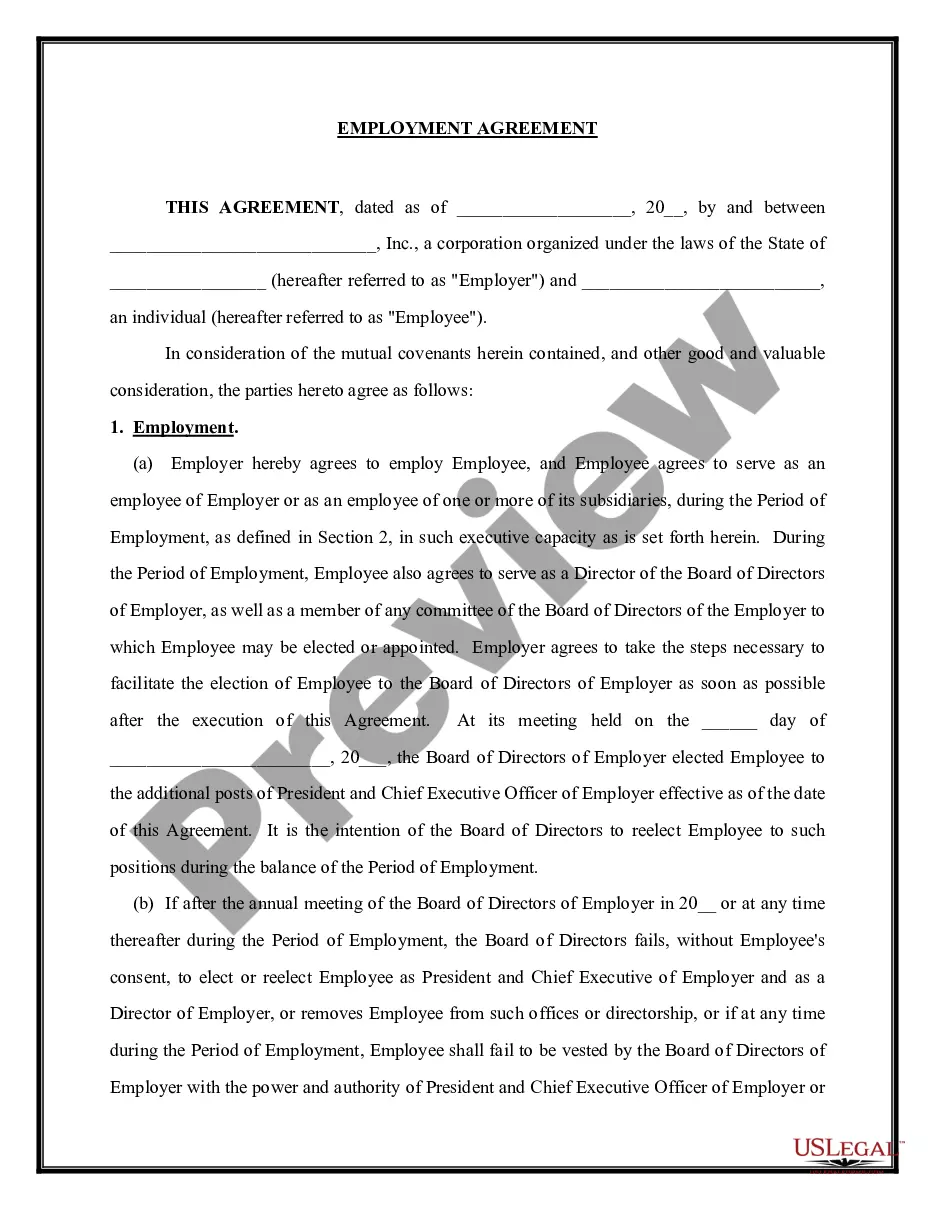
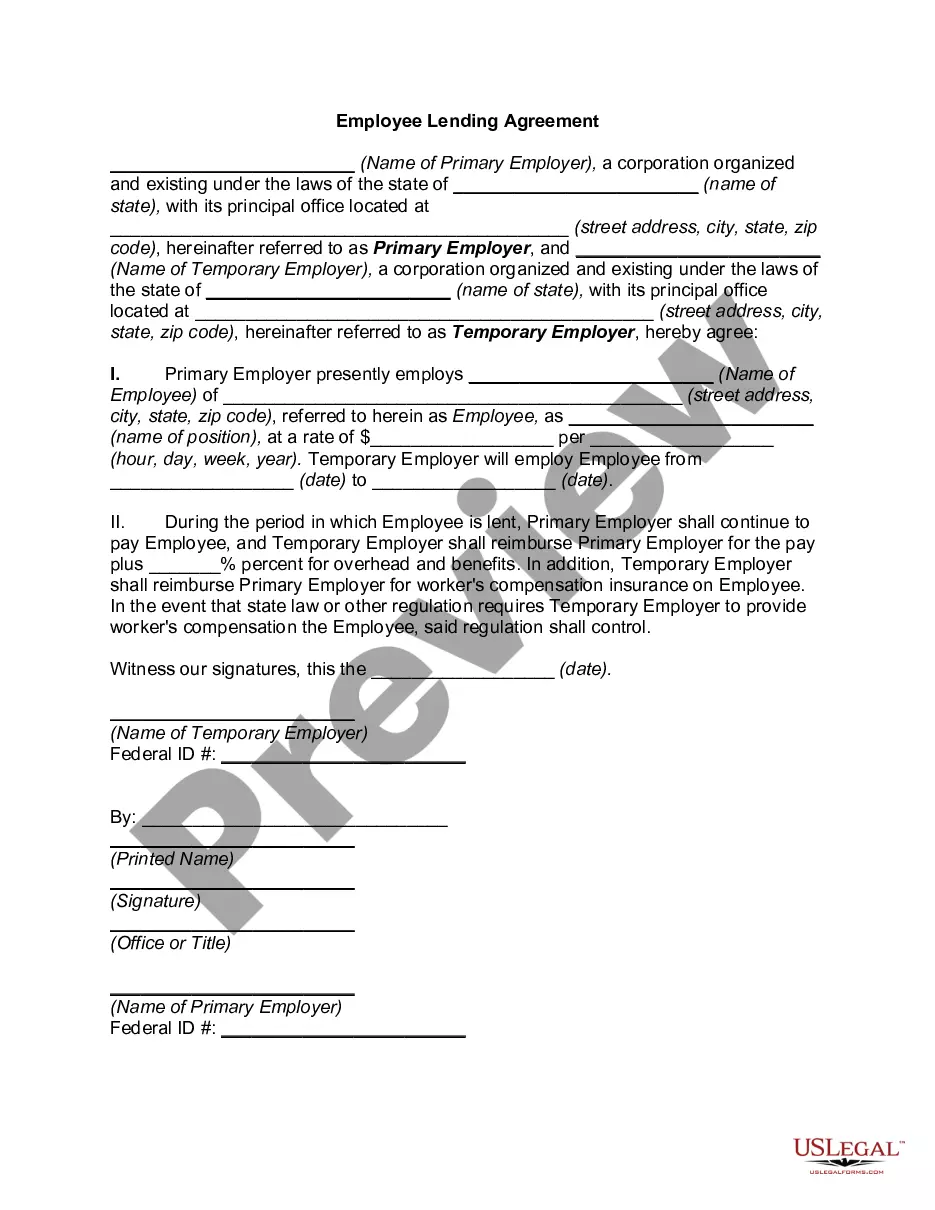
Get your form ready online
Our built-in tools help you complete, sign, share, and store your documents in one place.
Make edits, fill in missing information, and update formatting in US Legal Forms—just like you would in MS Word.
Download a copy, print it, send it by email, or mail it via USPS—whatever works best for your next step.
Sign and collect signatures with our SignNow integration. Send to multiple recipients, set reminders, and more. Go Premium to unlock E-Sign.
If this form requires notarization, complete it online through a secure video call—no need to meet a notary in person or wait for an appointment.
We protect your documents and personal data by following strict security and privacy standards.

Make edits, fill in missing information, and update formatting in US Legal Forms—just like you would in MS Word.

Download a copy, print it, send it by email, or mail it via USPS—whatever works best for your next step.

Sign and collect signatures with our SignNow integration. Send to multiple recipients, set reminders, and more. Go Premium to unlock E-Sign.

If this form requires notarization, complete it online through a secure video call—no need to meet a notary in person or wait for an appointment.

We protect your documents and personal data by following strict security and privacy standards.
Looking for another form?
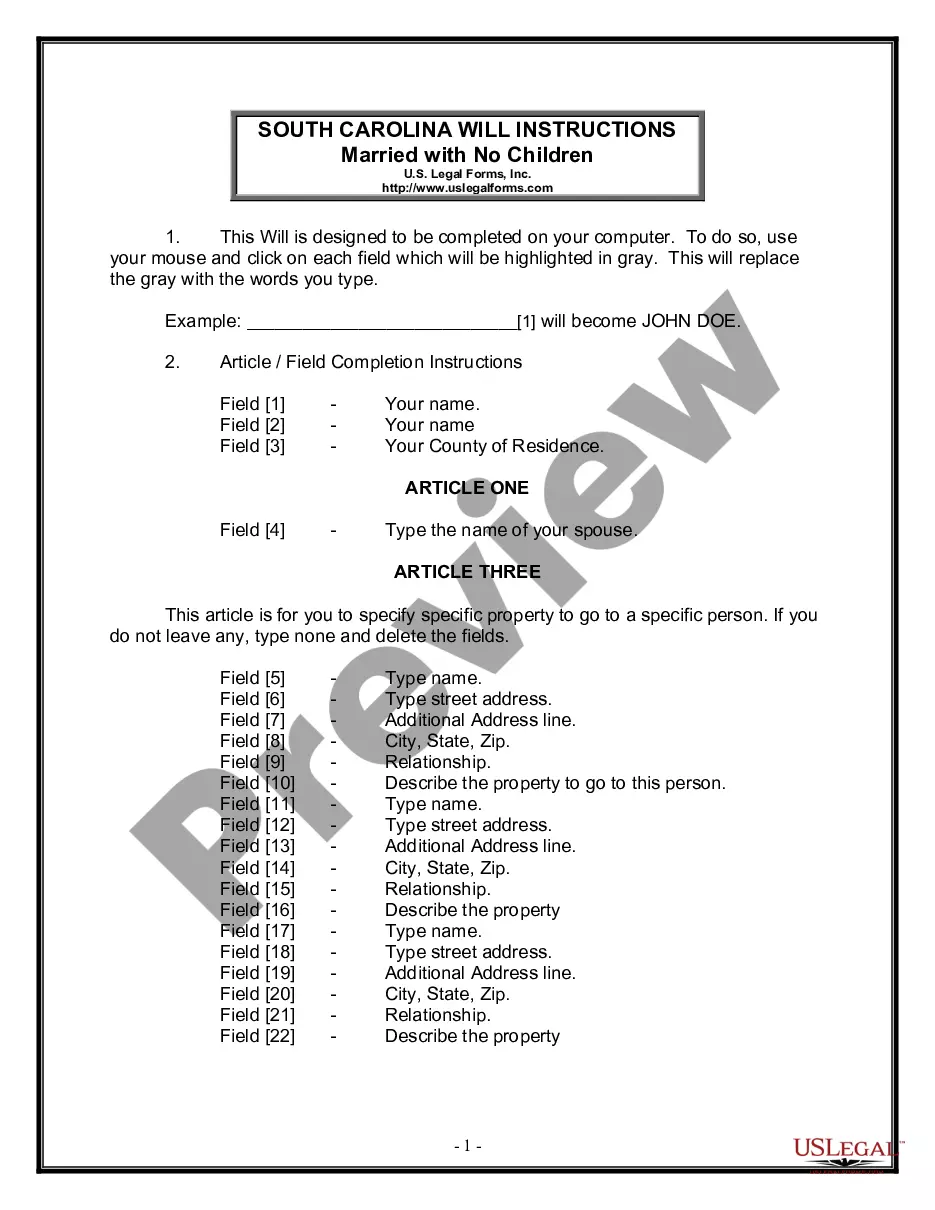
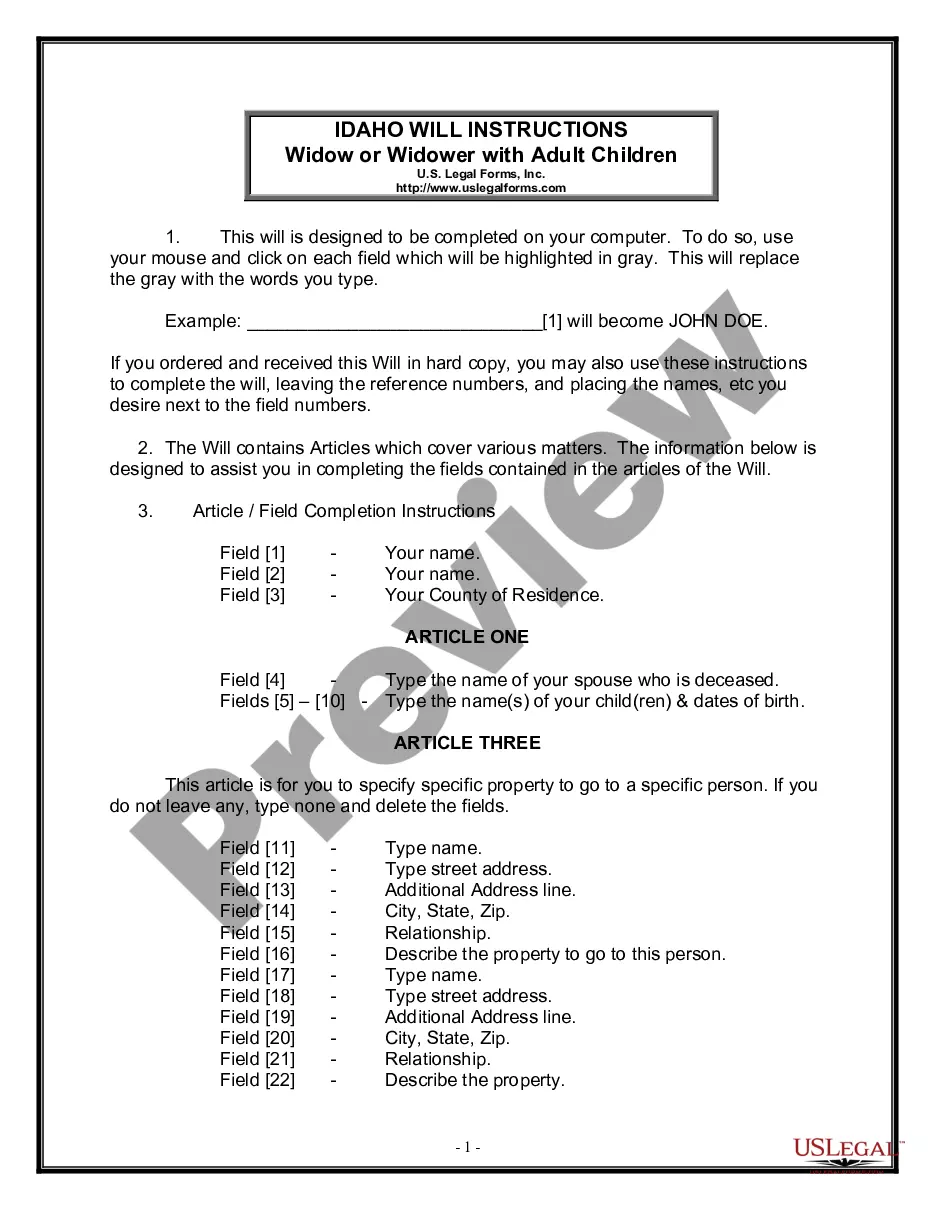

Form popularity
FAQ
As you go through the application process, you'll be asked if you're applying with co-applicants, minors, or adding a guarantor to your application. If you're living with a roommate or partner, add them as a co-applicants on the application.
Do Not Use Each Other's Things Without Asking. Not using each other's things without asking is one of the more obvious roommate rules. While some people are more casual about sharing, others are not. You have to learn what kind of person your roommate is and then act ingly.
With a roommate, you negotiate the terms of your agreement. And then you live up to it. Usually, it's 50-50. You share the expenses and responsibilities and you each expect the other to hold up their end of things.
How to write a roommate agreement Names of both tenants. The property address. The dates the lease begins and ends. The amount of rent each person pays. Who pays for utilities. Who pays the security deposit. Which bedroom each person occupies. Who buys food, or if you're each buying your own food.
Some landlords might include terms that limit the number of occupants or require the landlord's approval before adding a roommate. However, the RTA prohibits landlords from unreasonably withholding consent to a tenant's request to have a roommate.
The application will ask you for the following information: your place of employment, past employers, names and addresses of your current and past landlords, your Social Security number, driver's license number and authorization for the landlord to run a background and credit check.
No, you can't add any tenants without the landlord's approval. And if the person is not willing to sign off on the lease to allow someone else to sublease or assume their lease, then you are stuck with this person, but can sue them for their part of the rent as I mentioned earlier.
Typically, a Roommate Agreement can be customized more than a Rental Agreement. Do I have to notarize a Roommate Agreement? No, you're not required to notarize a Roommate Agreement. For additional security, you can do so, but inviting two or more witnesses, although that's not a requirement either.
What do I include in a Roommate Agreement? Information about the property, roommates, and original lease. Term or length of the agreement. Rent responsibilities. Security deposit details. Responsibilities for utilities and household costs. House rules, roommate duties, and restrictions. Rules for termination of tenancy.
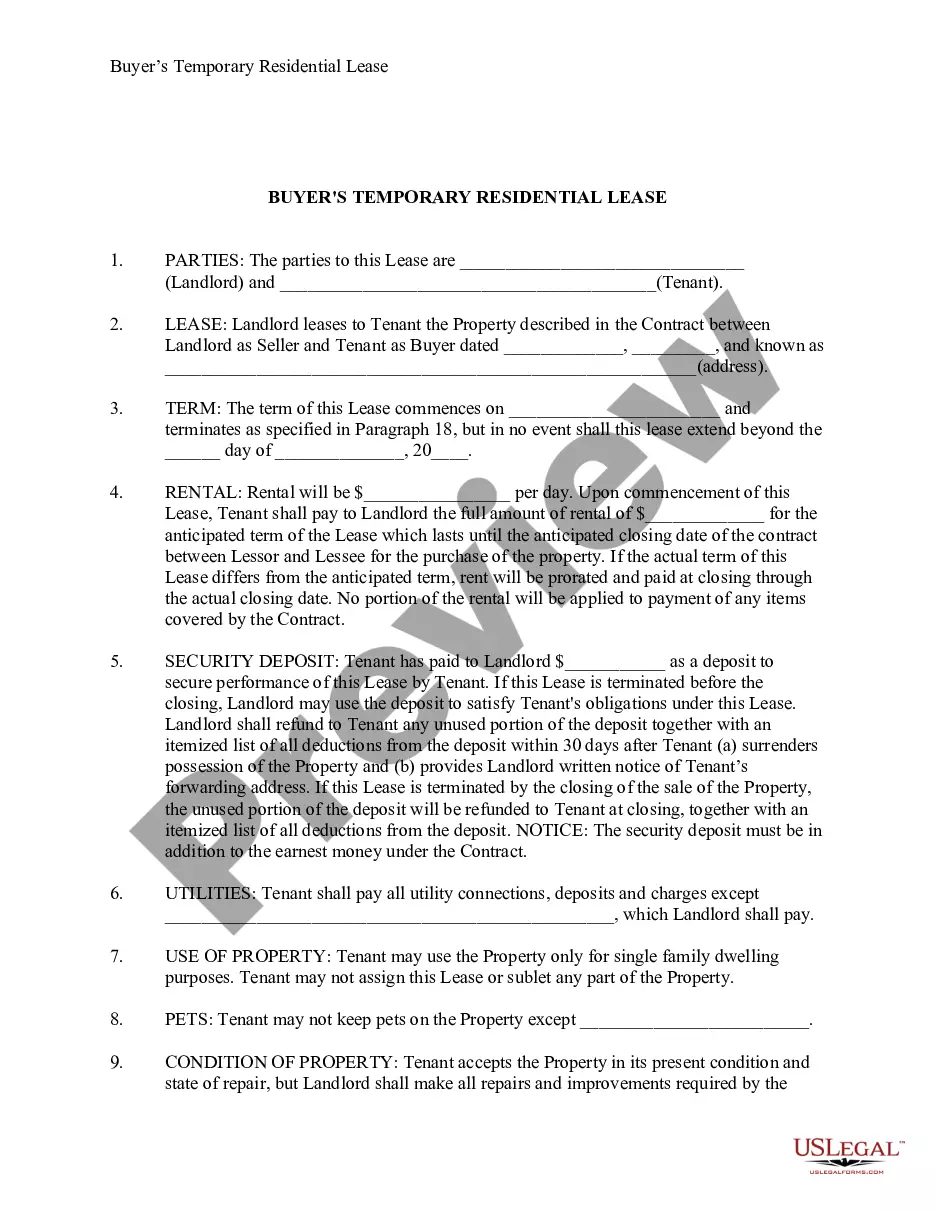
Here's a list of standard fields that you should include in your lease agreement: Tenant information. Include each tenant's full name and contact information. Rental property description. Security deposit. Monthly rent amount. Utilities. Lease term. Policies. Late fees.