Employee Form Fillable With Formulas In Allegheny
Description

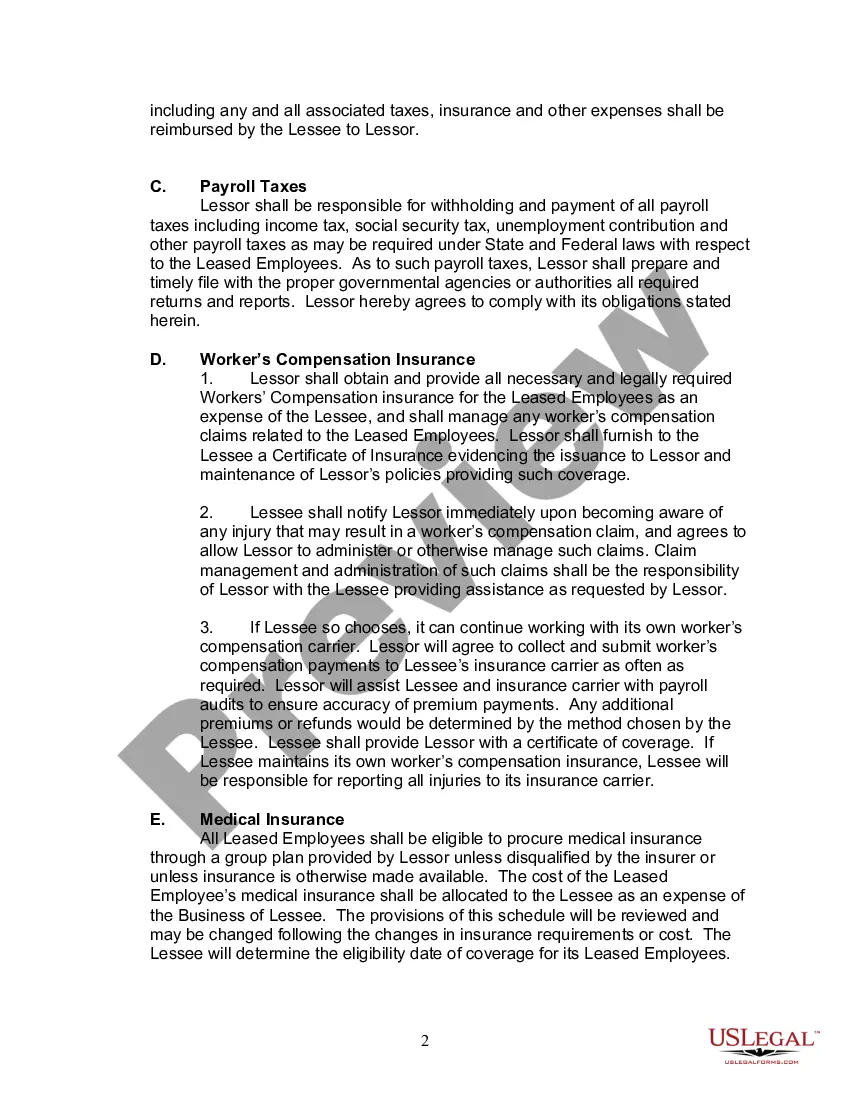
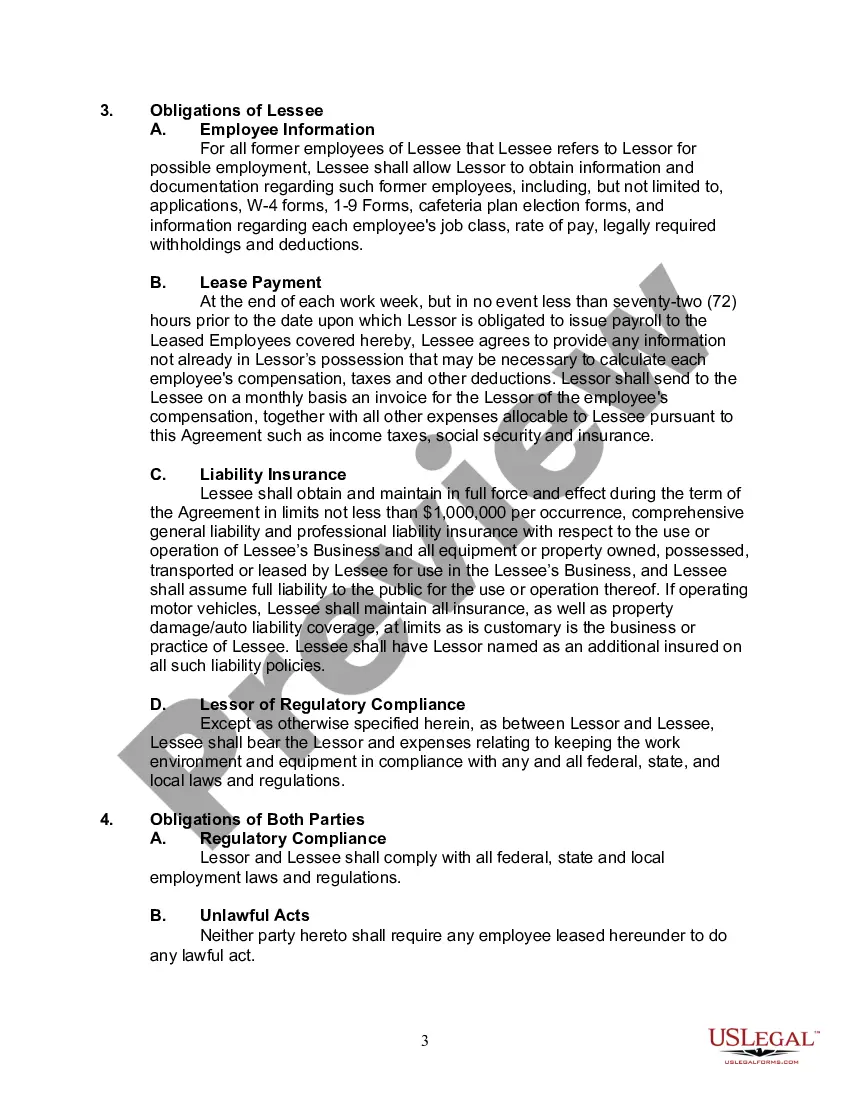
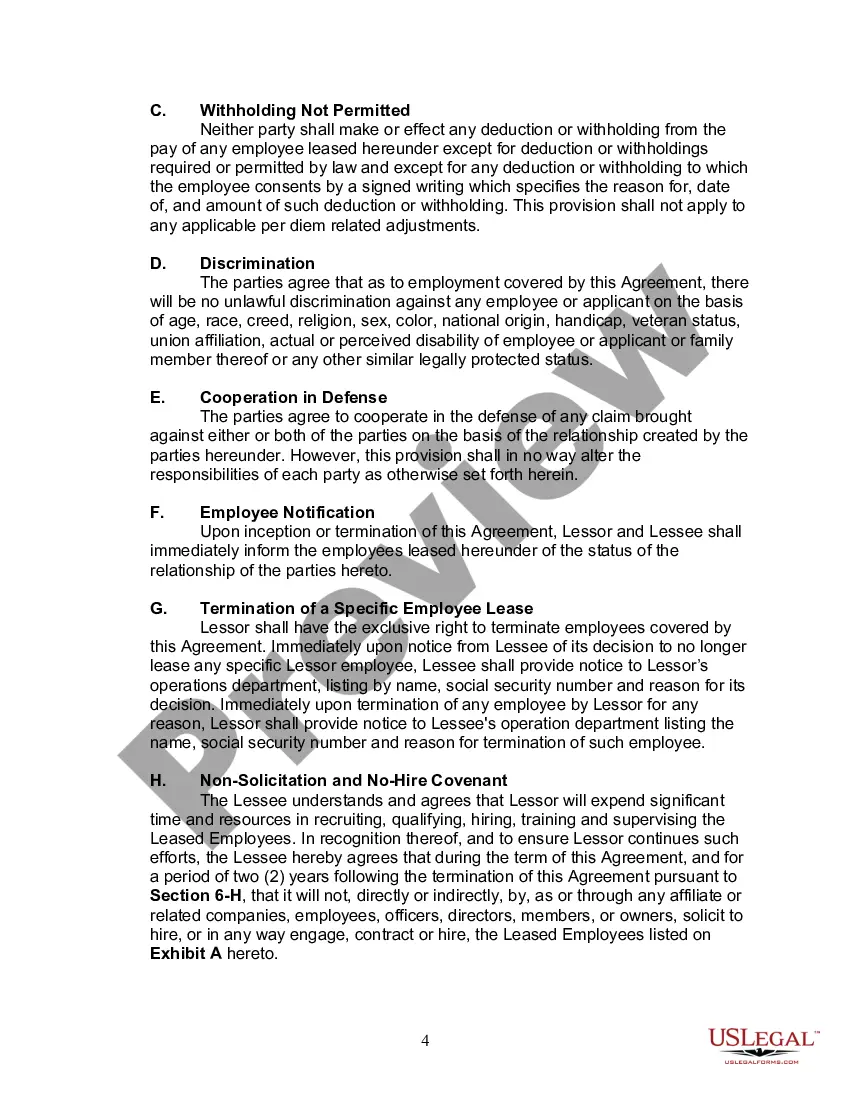
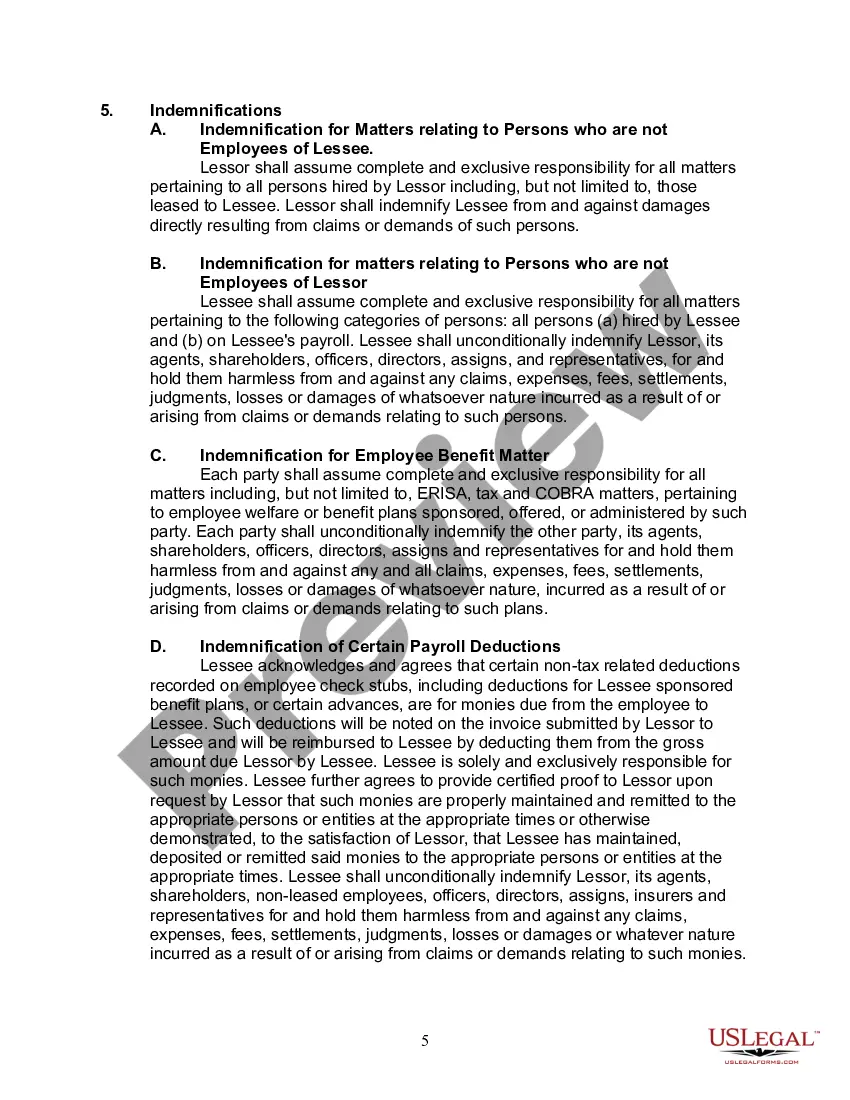
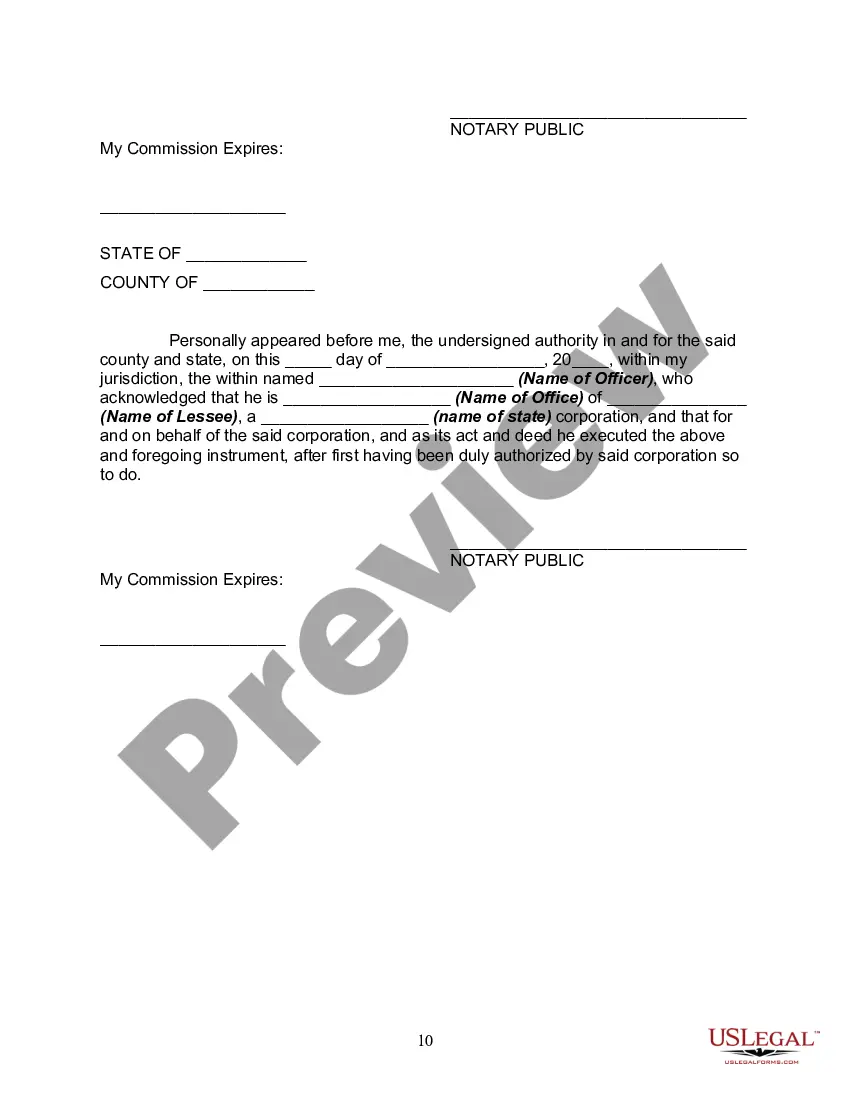
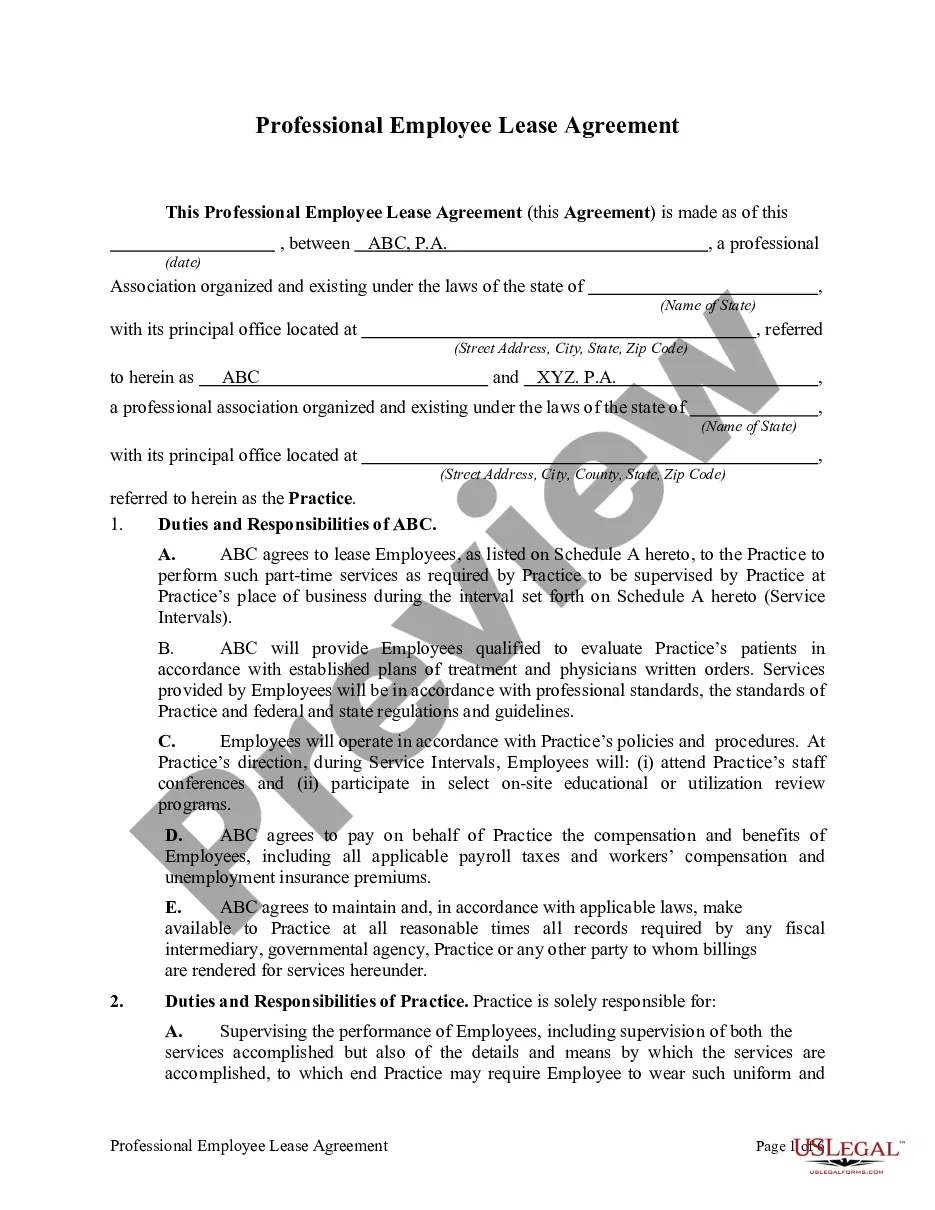
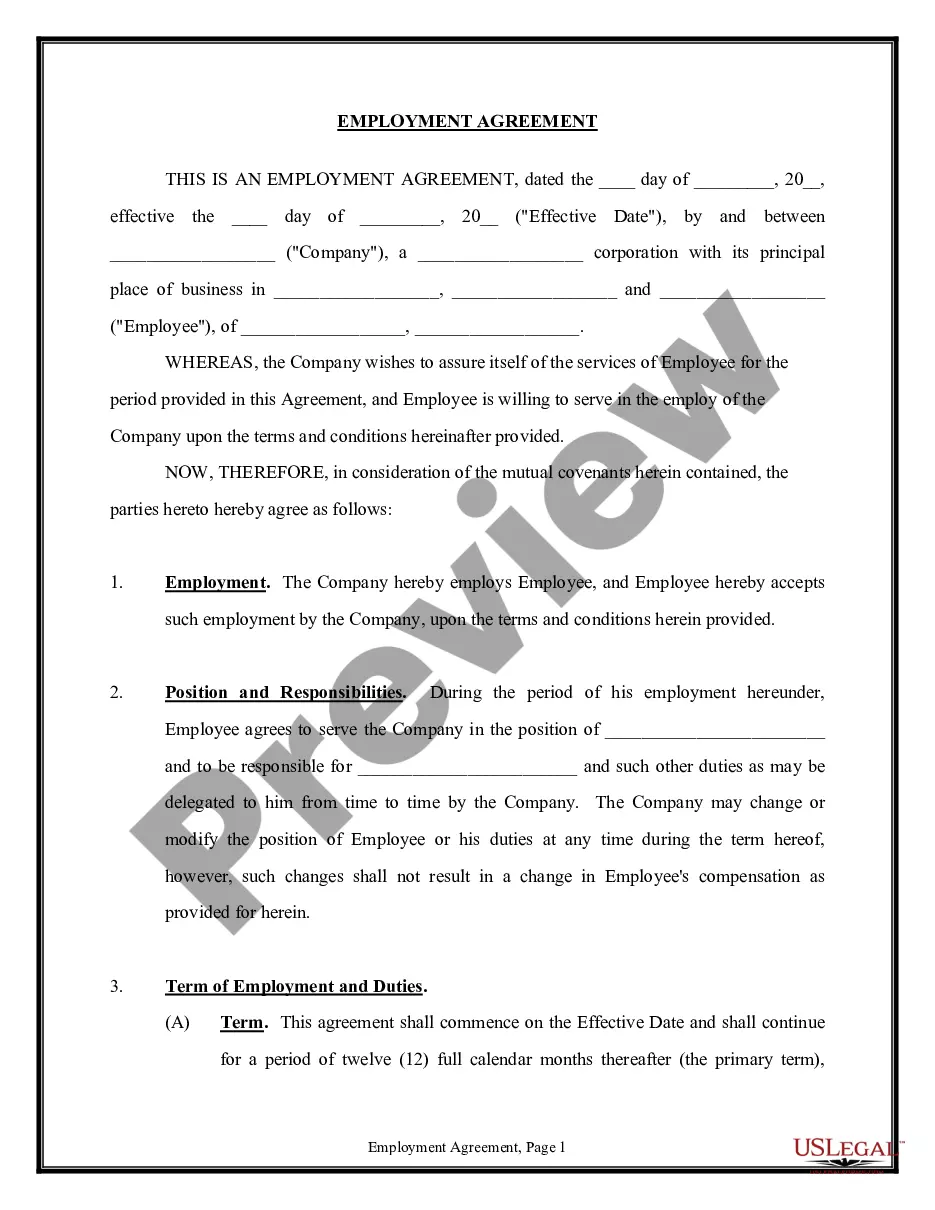
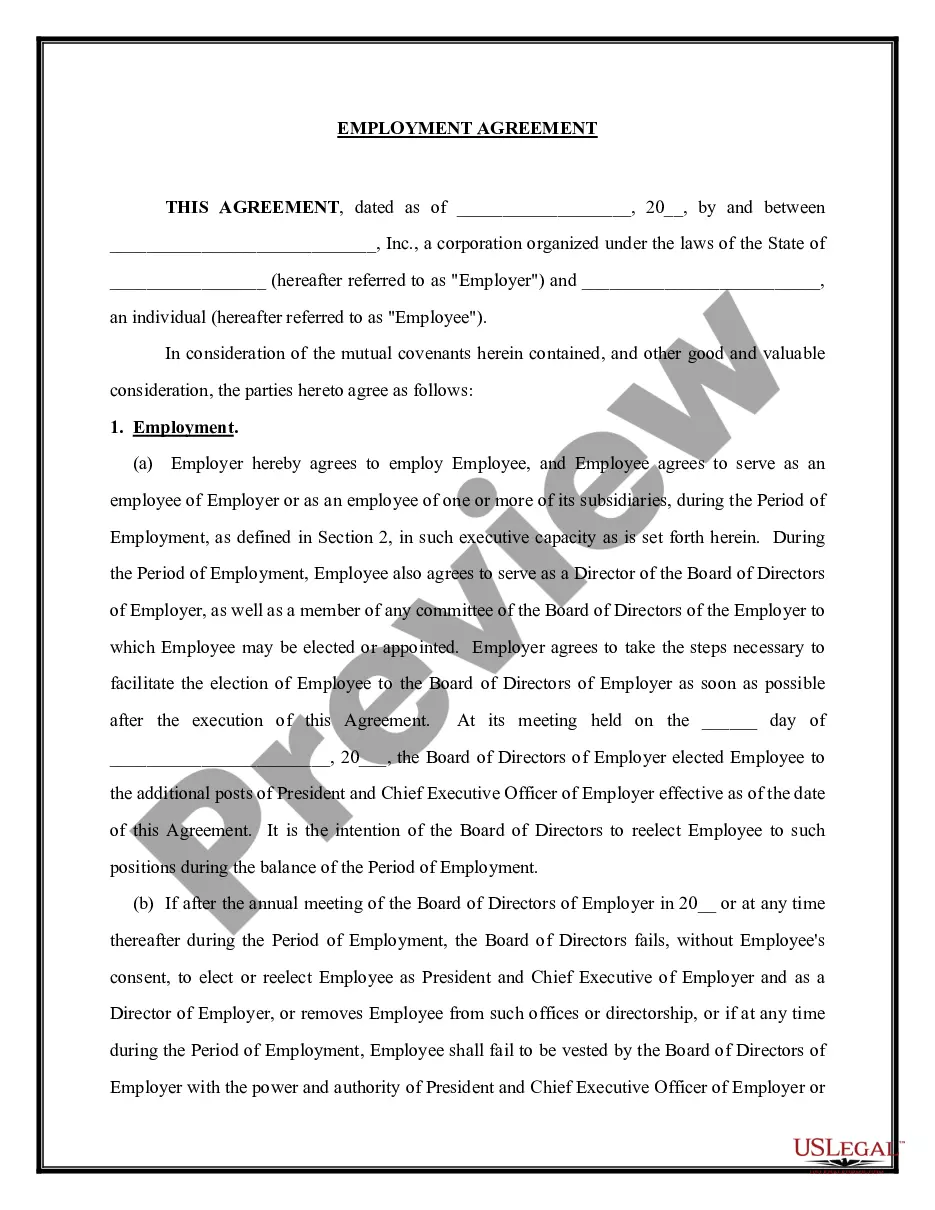
Get your form ready online
Our built-in tools help you complete, sign, share, and store your documents in one place.
Make edits, fill in missing information, and update formatting in US Legal Forms—just like you would in MS Word.
Download a copy, print it, send it by email, or mail it via USPS—whatever works best for your next step.
Sign and collect signatures with our SignNow integration. Send to multiple recipients, set reminders, and more. Go Premium to unlock E-Sign.
If this form requires notarization, complete it online through a secure video call—no need to meet a notary in person or wait for an appointment.
We protect your documents and personal data by following strict security and privacy standards.

Make edits, fill in missing information, and update formatting in US Legal Forms—just like you would in MS Word.

Download a copy, print it, send it by email, or mail it via USPS—whatever works best for your next step.

Sign and collect signatures with our SignNow integration. Send to multiple recipients, set reminders, and more. Go Premium to unlock E-Sign.

If this form requires notarization, complete it online through a secure video call—no need to meet a notary in person or wait for an appointment.

We protect your documents and personal data by following strict security and privacy standards.
Looking for another form?







Form popularity
FAQ
A standard personal information form consists of multiple categories of information, such as the person's identity, contact details, educational history, work experience, medical status, and emergency contact information.
It should include: Personal Information: Full name, address, contact details, marital status, and spouse's details. Job Information: Title, department, supervisor, work location, start date, and salary. Emergency Contact Information: Name, address, and contact details of the emergency contact.
Employee availability forms should include the following: Employee contact information. General availability - what days and times the employee is available. Shift preferences - what is the employee's preferred schedule. Unavailable - when can the employee absolutely not work.
How to structure an effective job application form Name of applicant. Contact information (phone and email) Social Security Number (SSN) Work eligibility. Education, including schools attended. Degrees obtained. Work experience. Specialty skills.
The write-up should be clear, concise, and objective. It should include a brief summary of the issue, the consequences, and any steps the employee needs to take to improve their performance or behavior. It's important to avoid using personal opinions or emotions when writing the document.
If you're using a template, you can skip to Update questions. Open a form in Google Forms. Click Add . To the right of the question title, choose the type of question you want. Type the possible responses to your question. To prevent people from not answering, turn on Required.
A good employee information form should be comprehensive yet straightforward. It should include: Personal Information: Full name, address, contact details, marital status, and spouse's details. Job Information: Title, department, supervisor, work location, start date, and salary.
Whenever you hire a new employee, you'll need to collect some key information, including: Personal details: Name, address, employee contact information, and emergency contact details. Employment information: Job title, department, start date, and salary.
It should include: Personal Information: Full name, address, contact details, marital status, and spouse's details. Job Information: Title, department, supervisor, work location, start date, and salary. Emergency Contact Information: Name, address, and contact details of the emergency contact.
Fill in your personal information, including your name, contact information, and employee identification number if applicable. Provide details about your employment, such as your job title, start date, and current wage or salary.
