Factoring Purchase Agreement For Business In Washington
Description

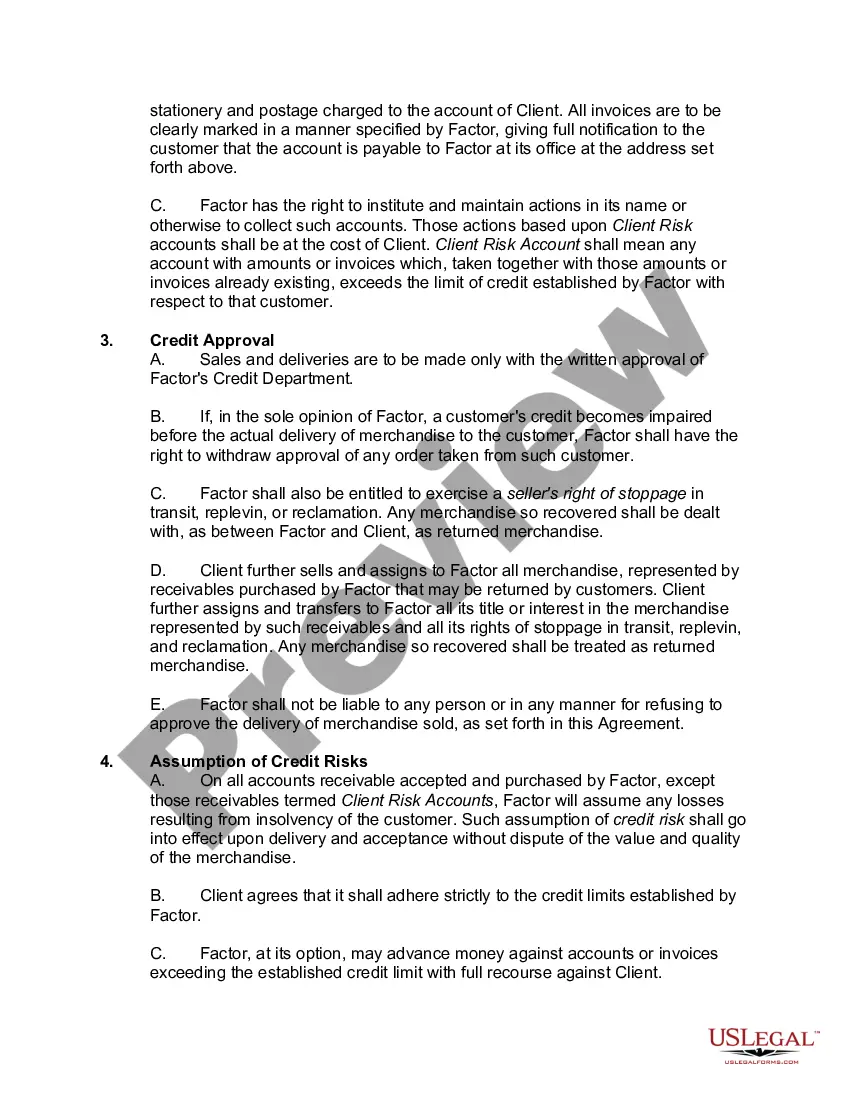
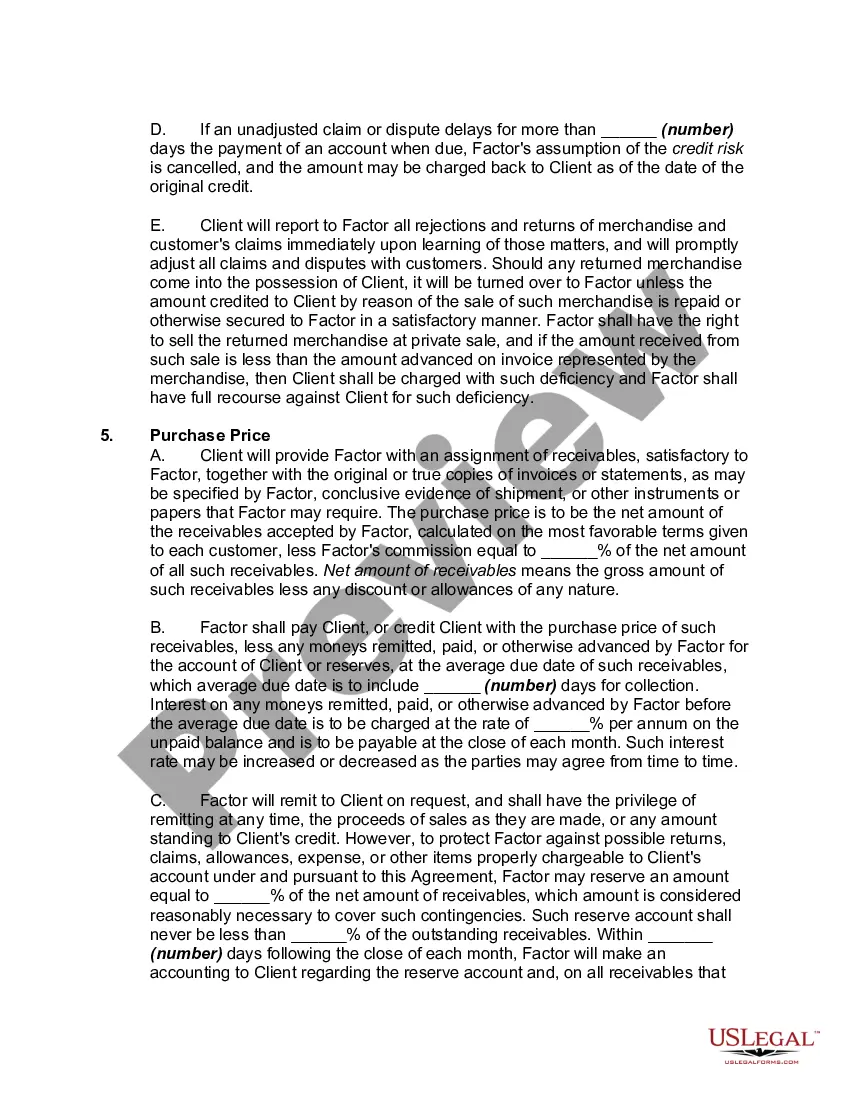
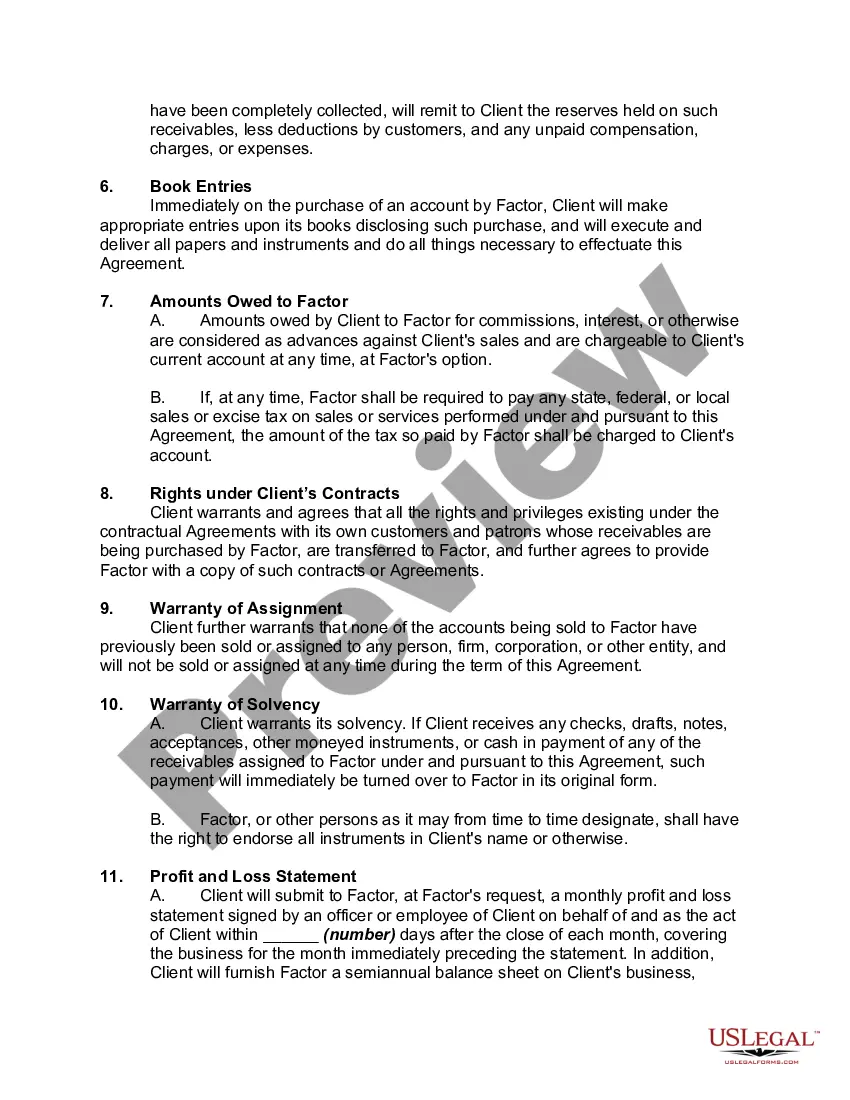
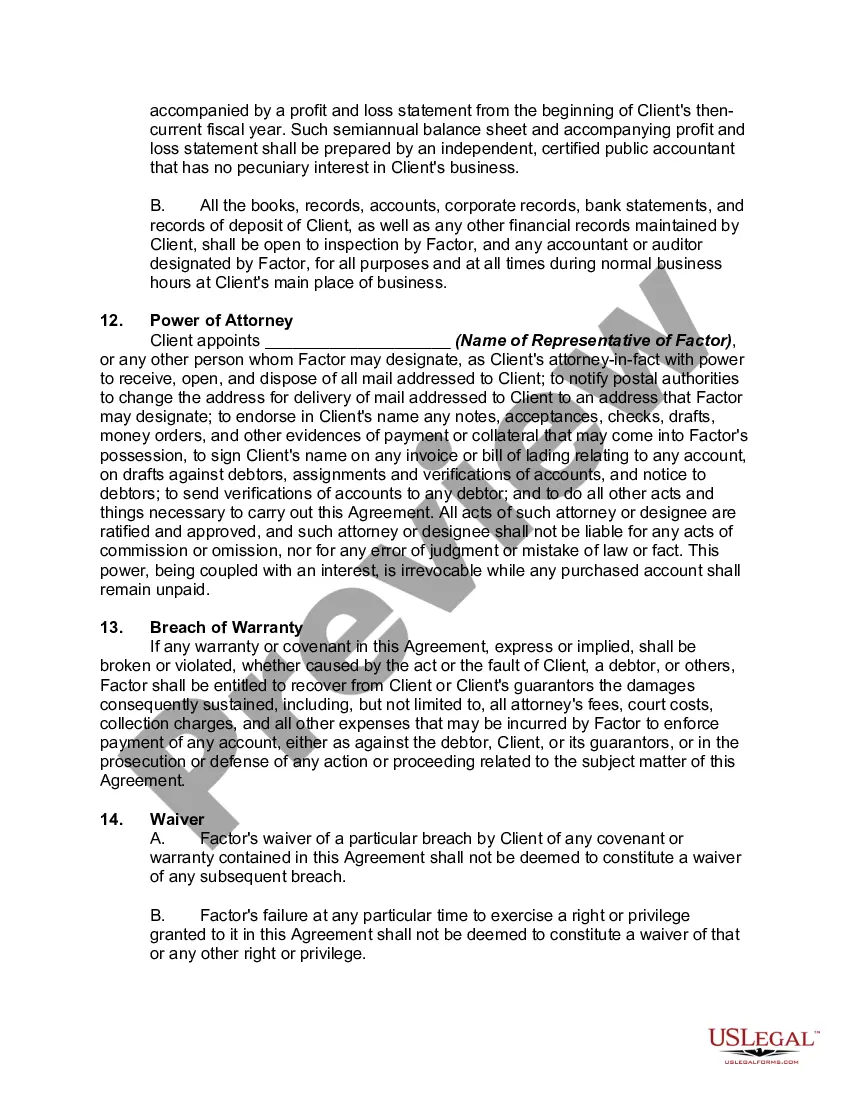


Get your form ready online
Our built-in tools help you complete, sign, share, and store your documents in one place.
Make edits, fill in missing information, and update formatting in US Legal Forms—just like you would in MS Word.
Download a copy, print it, send it by email, or mail it via USPS—whatever works best for your next step.
Sign and collect signatures with our SignNow integration. Send to multiple recipients, set reminders, and more. Go Premium to unlock E-Sign.
If this form requires notarization, complete it online through a secure video call—no need to meet a notary in person or wait for an appointment.
We protect your documents and personal data by following strict security and privacy standards.

Make edits, fill in missing information, and update formatting in US Legal Forms—just like you would in MS Word.

Download a copy, print it, send it by email, or mail it via USPS—whatever works best for your next step.

Sign and collect signatures with our SignNow integration. Send to multiple recipients, set reminders, and more. Go Premium to unlock E-Sign.

If this form requires notarization, complete it online through a secure video call—no need to meet a notary in person or wait for an appointment.

We protect your documents and personal data by following strict security and privacy standards.
Looking for another form?




Form popularity
FAQ
The name, bankfactoring, might suggest that it is the bank that provides factoring services, but this is a simplification. It is not the banks, but actually companies specifically delegated by them to use bank capital, that offer factoring.
Documents you will have to provide: Factoring application. Articles of Association or registered Amendments to the Articles of Association of your company. Annual report for the previous financial year. Financial report (balance sheet andf profit/loss statement) for the current year (for 3, 6 or 9 months, respectively)
The Most Common Invoice Factoring Requirements A factoring application. An accounts receivable aging report. A copy of your Articles of Incorporation. Invoices to factor. Credit-worthy clients. A business bank account. A tax ID number. A form of personal identification.
Factoring rates typically range from 1% to 5% of the invoice value per month, but vary based on the invoice amount, your sales volume and your customer's creditworthiness, among other factors. Invoice factoring can be a good option for business-to-business companies that need fast access to capital.
Invoice factoring eligibility depends on what type of business you have, where you're located, the type of industry you work in, and whether or not you have any outstanding liens or tax balance. You'll also need to work with creditworthy customers, who aren't at risk of not paying their outstanding receivables.
The factoring company assesses the creditworthiness of the customers and the overall financial stability of the business. Typically, the factoring rates range from 1% to 5% of the invoice value, but they can be higher or lower depending on the specific circumstances.
Here's a breakdown of the basic invoice factoring requirements: Bank statements. Factoring application. Invoices you want to factor. Proof of delivery or service. Customer credit information. Accounts receivable aging report. Articles of incorporation or business registration.
