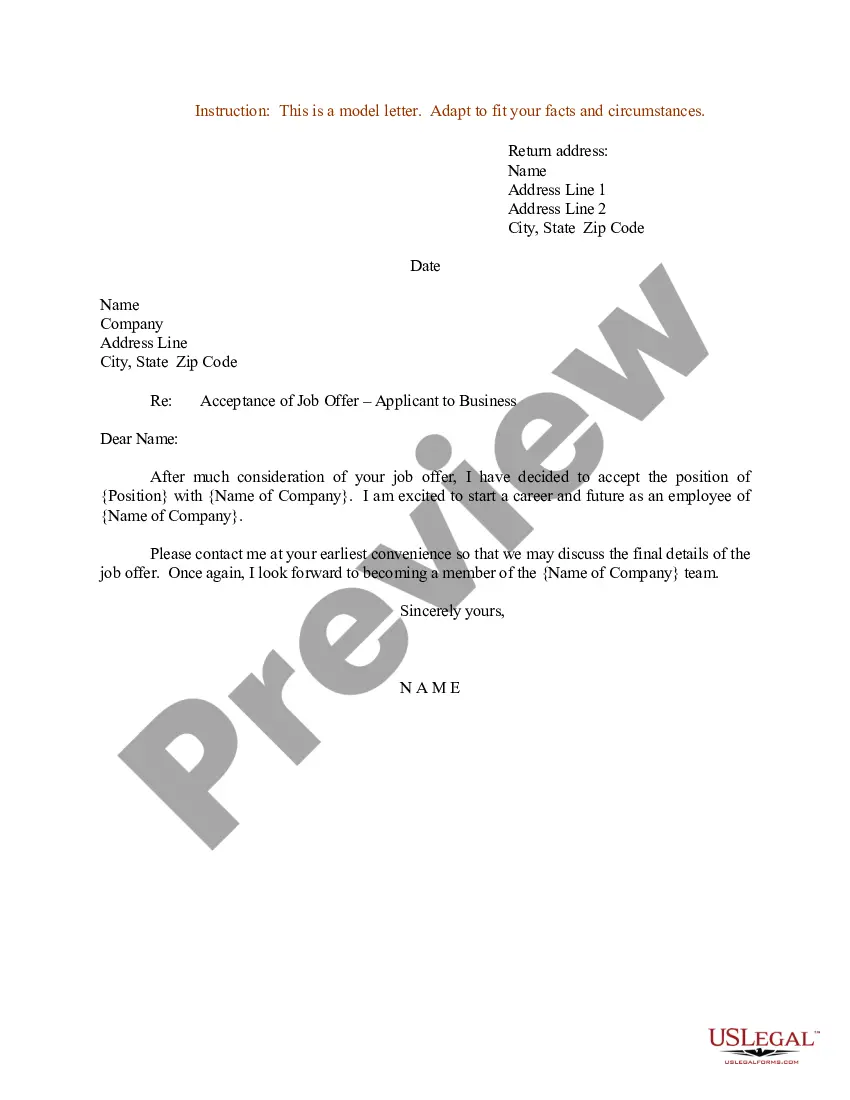
Factoring Agreement Example In Texas
Description









Get your form ready online
Our built-in tools help you complete, sign, share, and store your documents in one place.
Make edits, fill in missing information, and update formatting in US Legal Forms—just like you would in MS Word.
Download a copy, print it, send it by email, or mail it via USPS—whatever works best for your next step.
Sign and collect signatures with our SignNow integration. Send to multiple recipients, set reminders, and more. Go Premium to unlock E-Sign.
If this form requires notarization, complete it online through a secure video call—no need to meet a notary in person or wait for an appointment.
We protect your documents and personal data by following strict security and privacy standards.

Make edits, fill in missing information, and update formatting in US Legal Forms—just like you would in MS Word.

Download a copy, print it, send it by email, or mail it via USPS—whatever works best for your next step.

Sign and collect signatures with our SignNow integration. Send to multiple recipients, set reminders, and more. Go Premium to unlock E-Sign.

If this form requires notarization, complete it online through a secure video call—no need to meet a notary in person or wait for an appointment.

We protect your documents and personal data by following strict security and privacy standards.
Looking for another form?





Form popularity
FAQ
Documents you will have to provide: Factoring application. Articles of Association or registered Amendments to the Articles of Association of your company. Annual report for the previous financial year. Financial report (balance sheet andf profit/loss statement) for the current year (for 3, 6 or 9 months, respectively)
How To Write A Request For Relieving Letter? Draft an email requesting the relieving letter. Introduce yourself and state the reason for this email in the subject line. Proofread before sending the final draft. Keep the tone of the email formal and straightforward. Send follow-up emails in case of a delay.
Buyout: A “Buyout” refers to the process of terminating a factoring agreement and transitioning to a new factor where the new factoring company purchases all outstanding invoices from the existing factoring company to close out your account.
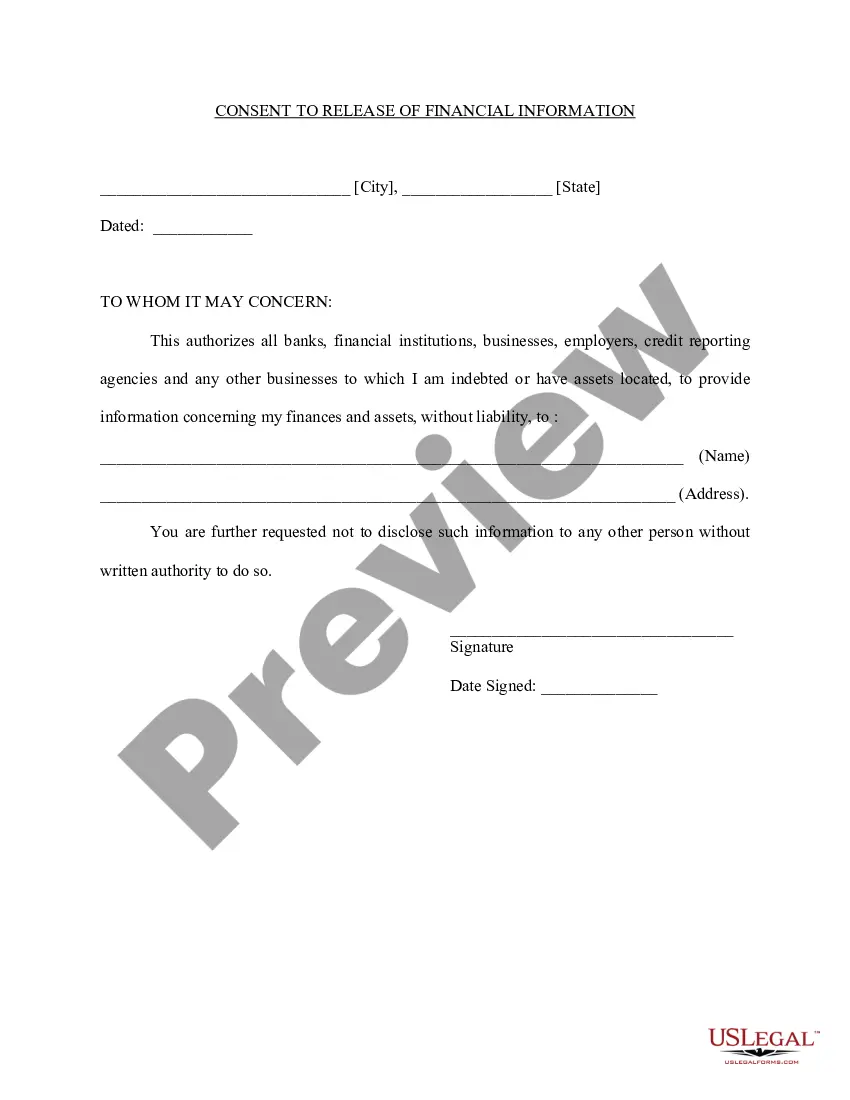
Letters of Release means the letters of release (executed as deeds) relating to the Former Employees of the Company releasing the Company from all or any liability which the Company may have to such Former Employees howsoever arising.
This will help you understand your rights and options. Contact the factoring company. Talk to the factoring company directly and explain the situation. Ask them why the release hasn't been issued yet and when you can expect it. Be polite and professional, but be firm in your request. Get everything in writing.
Get a Release Letter: Once all obligations are fulfilled, ask for a release letter from the factoring company. This document should state that you have fulfilled all contractual obligations and that the factoring company has no further claim on your invoices or receivables.
Average Factoring Rates and Advances in 2024 Average Factoring Rates in 2024 IndustryFactoring RateAdvance Rate General Small Business 1.95% – 4.5% 85% – 95% Retail & Wholesale 1.95% – 4.5% 80% – 95% Construction 3.0% – 6.0% 70% – 80%5 more rows •
In summary, factoring rates range from 1.15% to 4.5% per 30 days. Advances range from 70% to 85%. There are some exceptions, such as transportation and staffing. In these cases, advances can reach or exceed 90%.