Factoring Agreement Template For Professional Services In Orange
Description

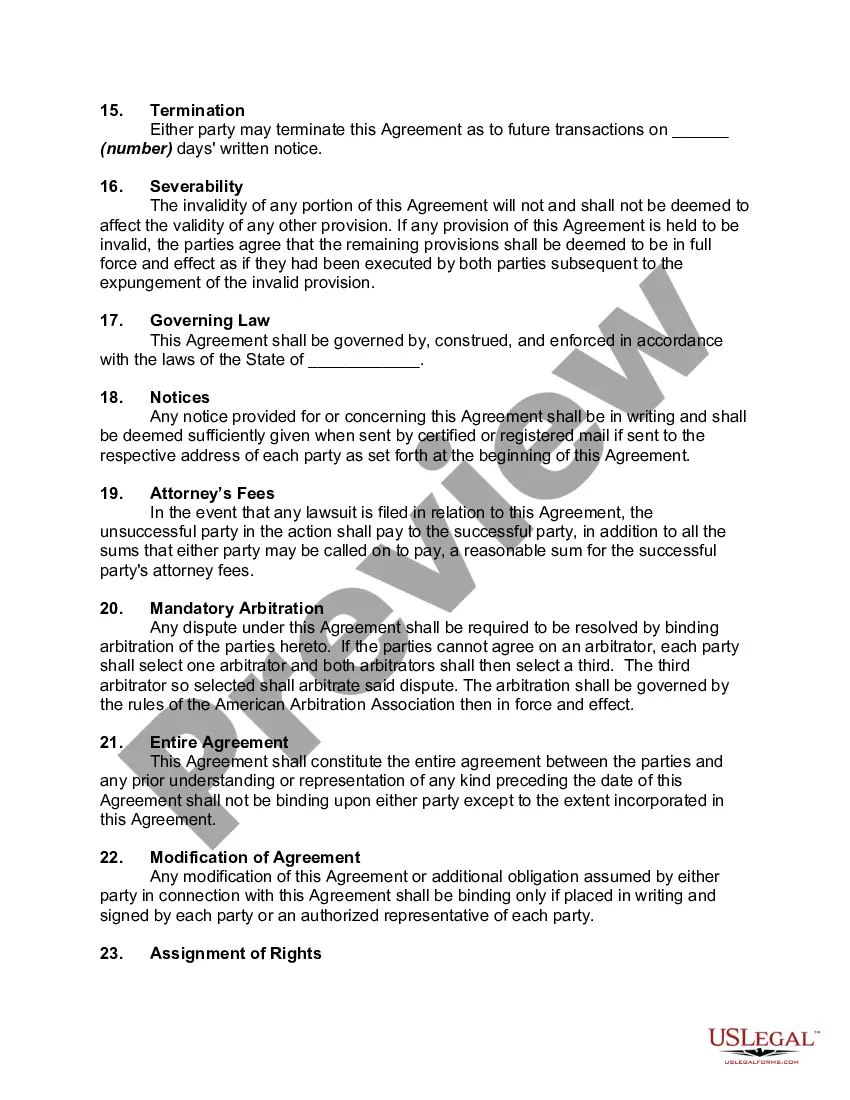

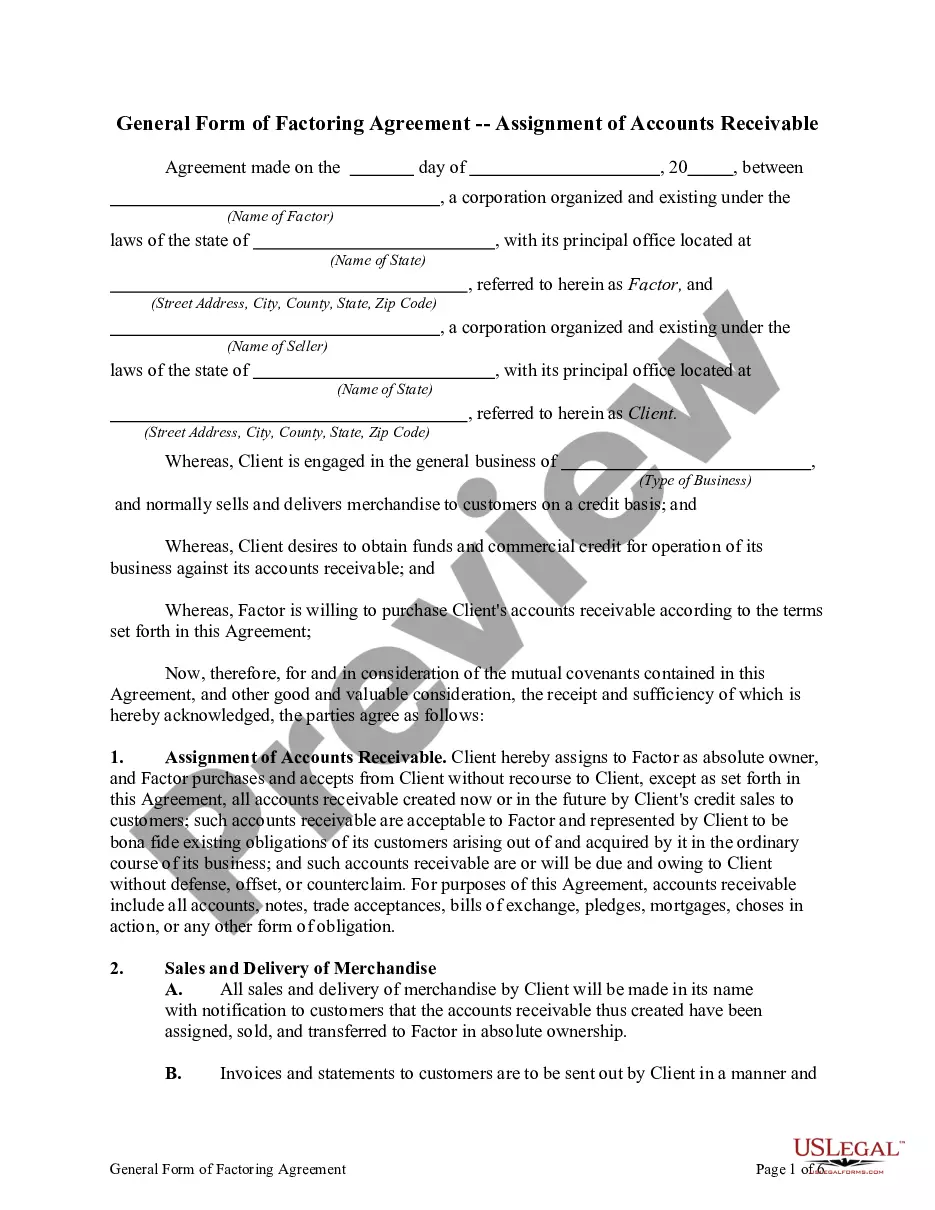
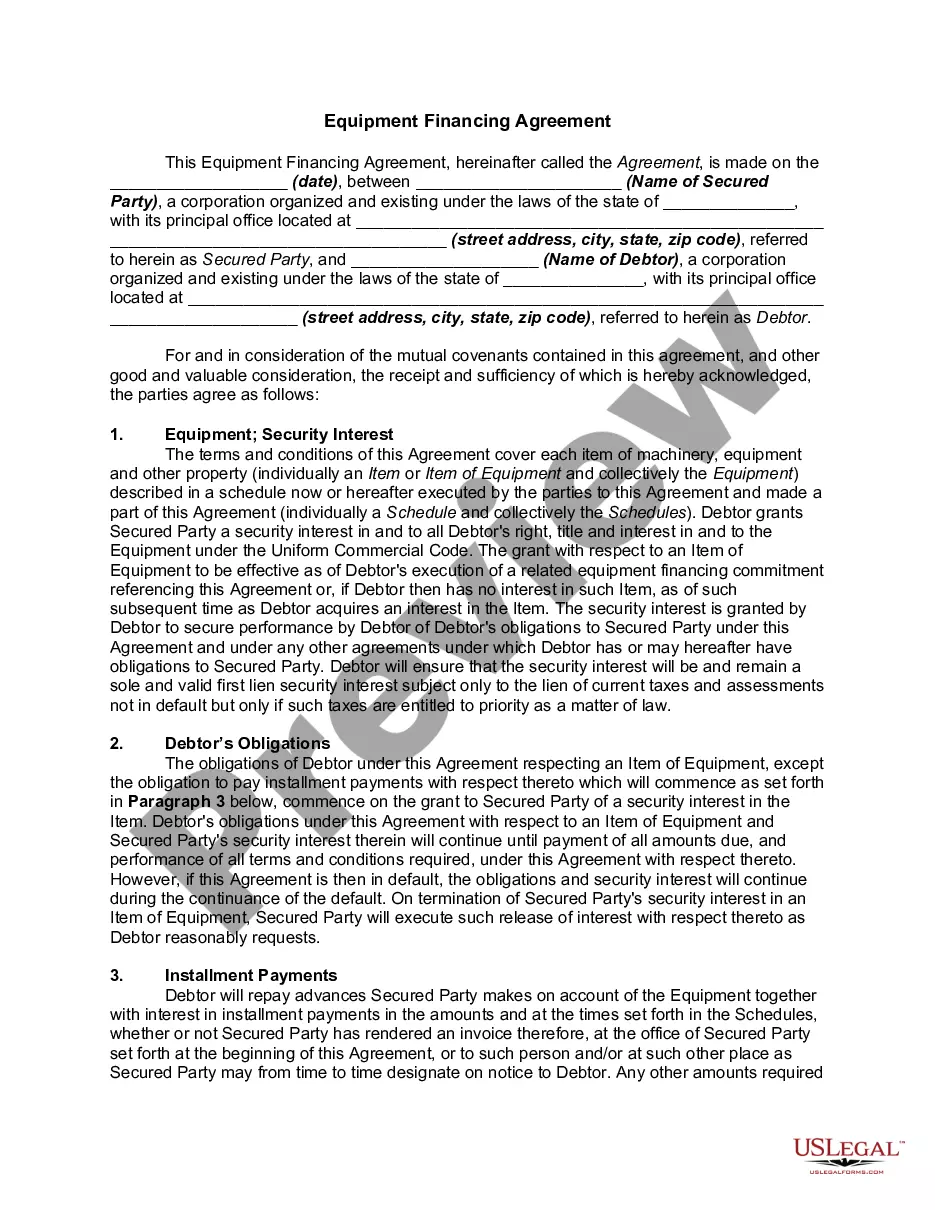
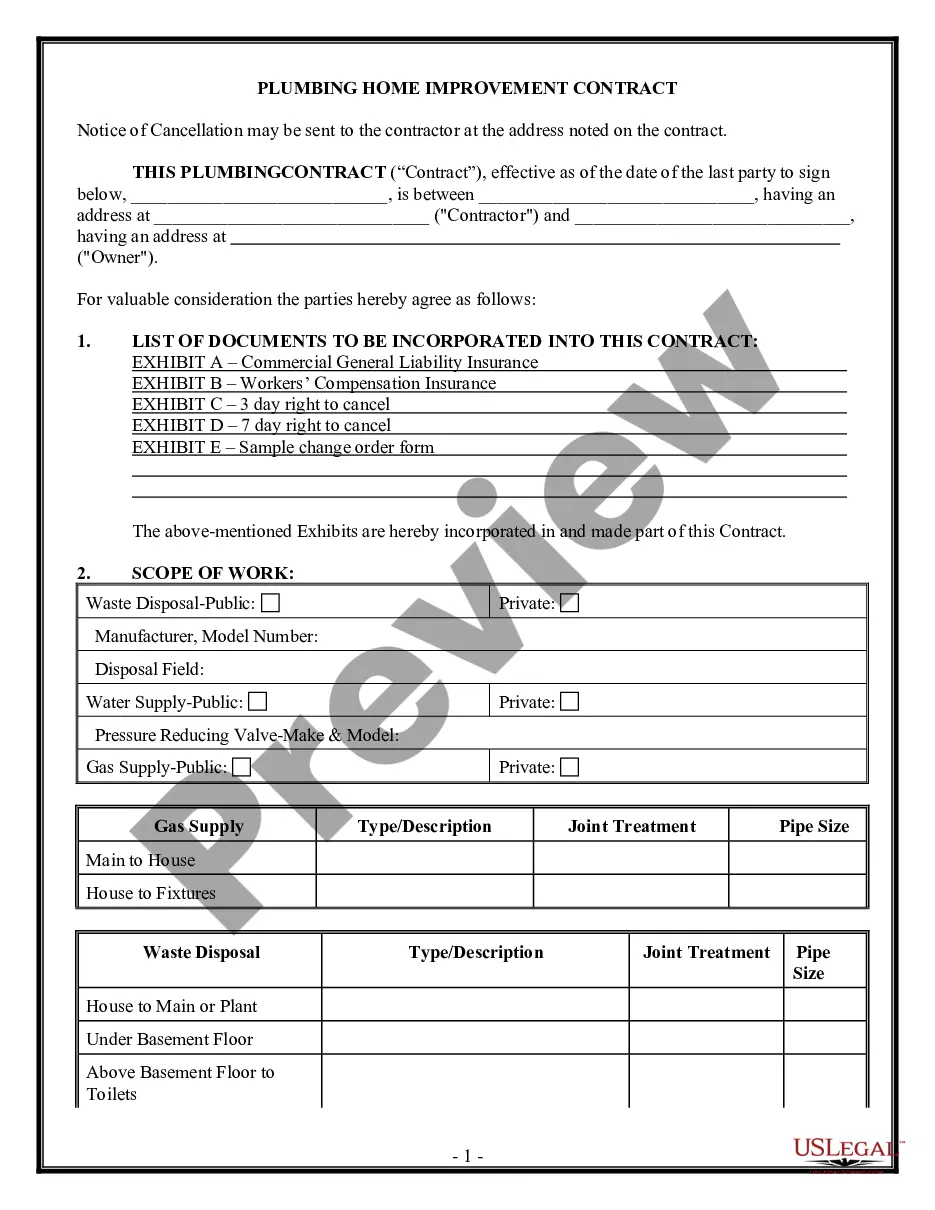
Get your form ready online
Our built-in tools help you complete, sign, share, and store your documents in one place.
Make edits, fill in missing information, and update formatting in US Legal Forms—just like you would in MS Word.
Download a copy, print it, send it by email, or mail it via USPS—whatever works best for your next step.
Sign and collect signatures with our SignNow integration. Send to multiple recipients, set reminders, and more. Go Premium to unlock E-Sign.
If this form requires notarization, complete it online through a secure video call—no need to meet a notary in person or wait for an appointment.
We protect your documents and personal data by following strict security and privacy standards.

Make edits, fill in missing information, and update formatting in US Legal Forms—just like you would in MS Word.

Download a copy, print it, send it by email, or mail it via USPS—whatever works best for your next step.

Sign and collect signatures with our SignNow integration. Send to multiple recipients, set reminders, and more. Go Premium to unlock E-Sign.

If this form requires notarization, complete it online through a secure video call—no need to meet a notary in person or wait for an appointment.

We protect your documents and personal data by following strict security and privacy standards.
Looking for another form?









Form popularity
FAQ
To be deductible, factoring fees must meet the IRS criteria of being ordinary and necessary expenses for the business. If the fees are deemed excessive or unnecessary, they may not be fully deductible.
Factoring services are on the rise, expecting a 6.9% growth rate from 2023 to 2030. This is to meet the ever-increasing need for alternative sources of financing for smaller enterprises like new trucking companies. You can choose between two types of factoring — recourse and non-recourse factoring.
Factoring rates typically range from 1% to 5% of the invoice value per month, but vary based on the invoice amount, your sales volume and your customer's creditworthiness, among other factors. Invoice factoring can be a good option for business-to-business companies that need fast access to capital.
What is Process of Factoring? Factoring is a financial transaction in which a business sells its accounts receivable (invoices) to a third party, called a factor, at a discount.
The factoring company assesses the creditworthiness of the customers and the overall financial stability of the business. Typically, the factoring rates range from 1% to 5% of the invoice value, but they can be higher or lower depending on the specific circumstances.
A factoring agreement involves three key parties: The business selling its outstanding invoices or accounts receivable. The factor, which is the company providing factoring services. The company's client, responsible for making payments directly to the factor for the invoiced amount.
The factoring agreement will also include representations that each factored account is bona fide and represents indebtedness incurred by the customer for goods actually sold and delivered to the customer; that there are no setoffs, offsets, or counterclaims against the account; that the account does not represent a ...
In summary, factoring rates range from 1.15% to 4.5% per 30 days. Advances range from 70% to 85%. There are some exceptions, such as transportation and staffing. In these cases, advances can reach or exceed 90%.
