Agreement Accounts Receivable Format In Maryland
Description

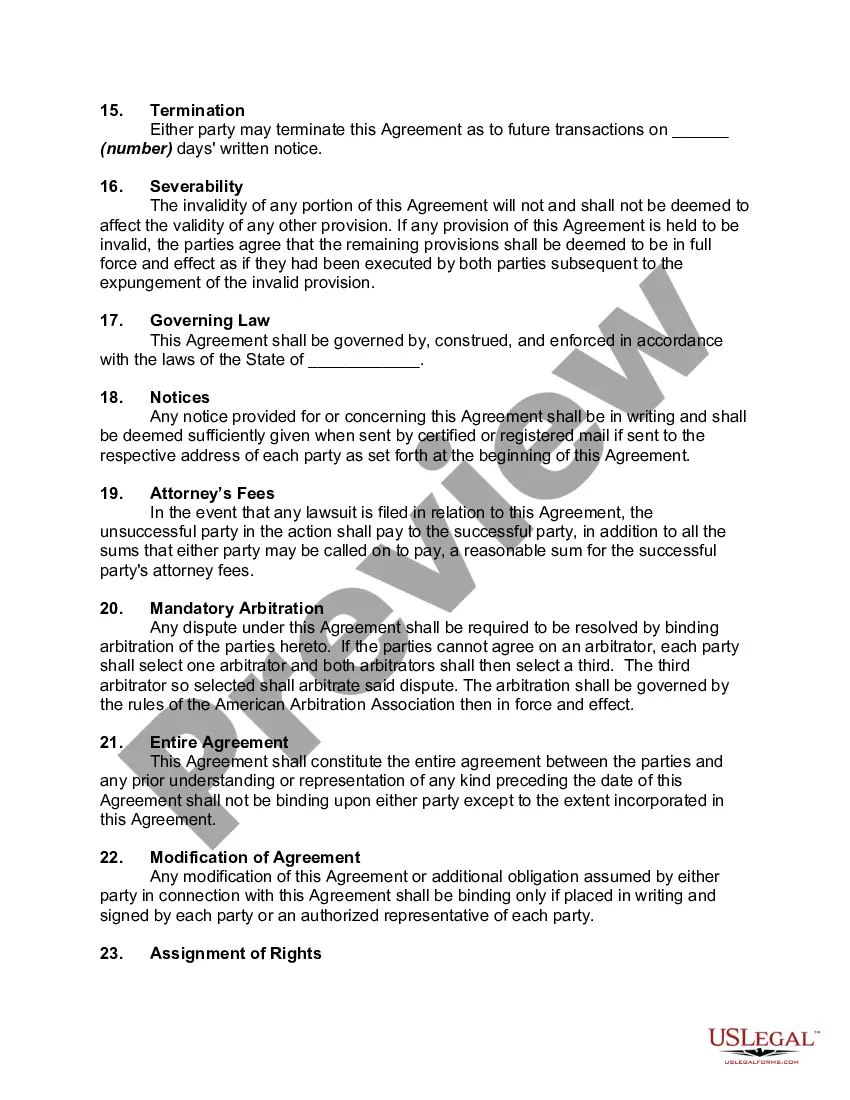

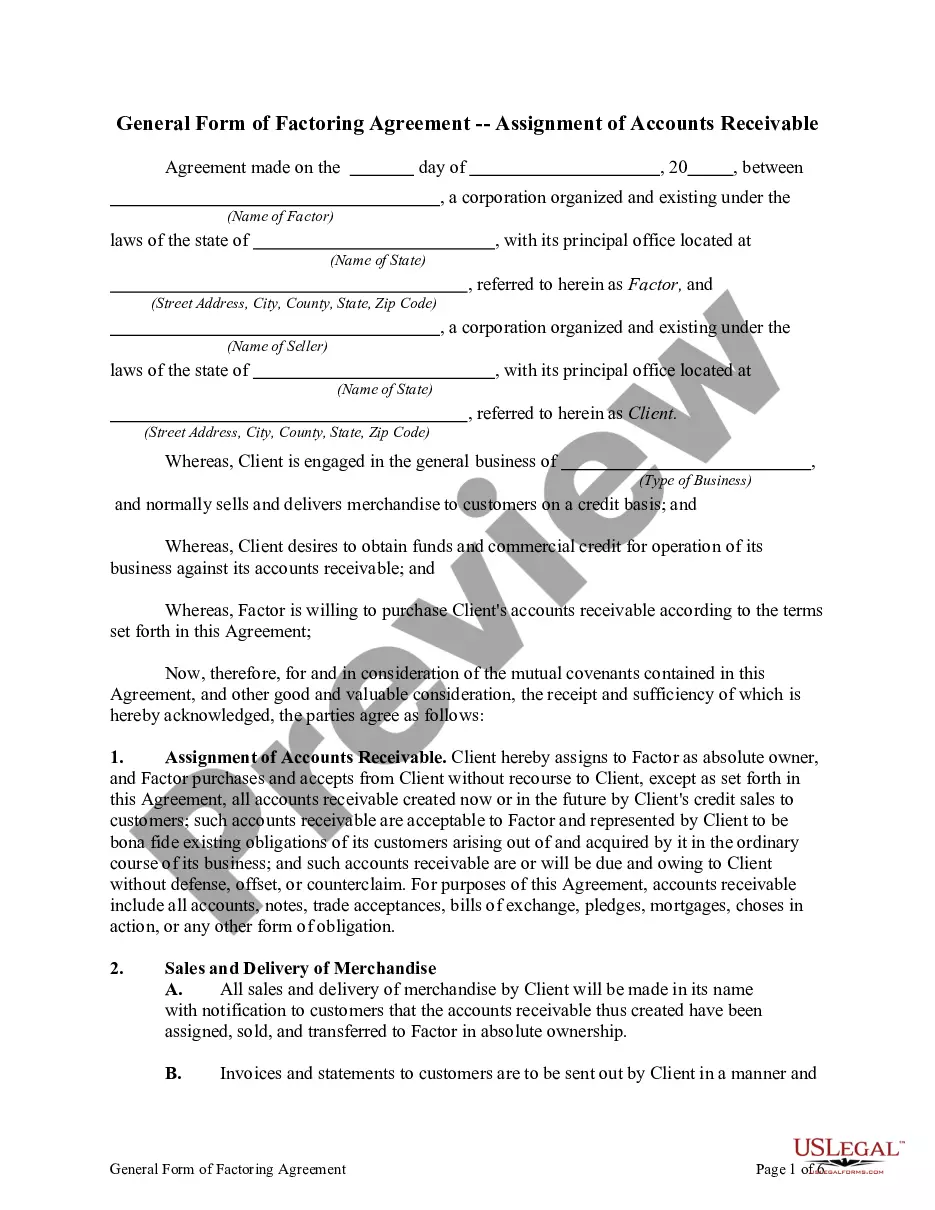
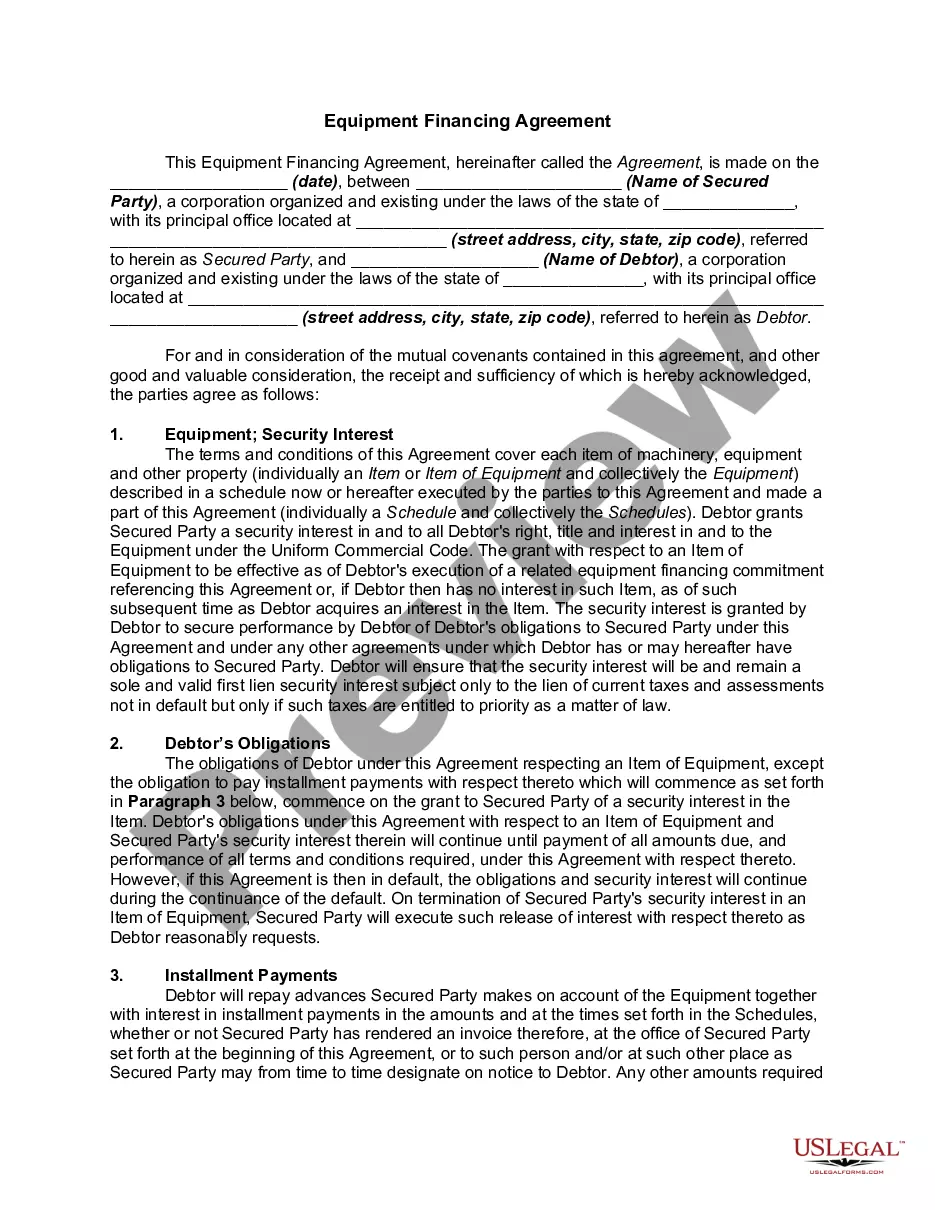
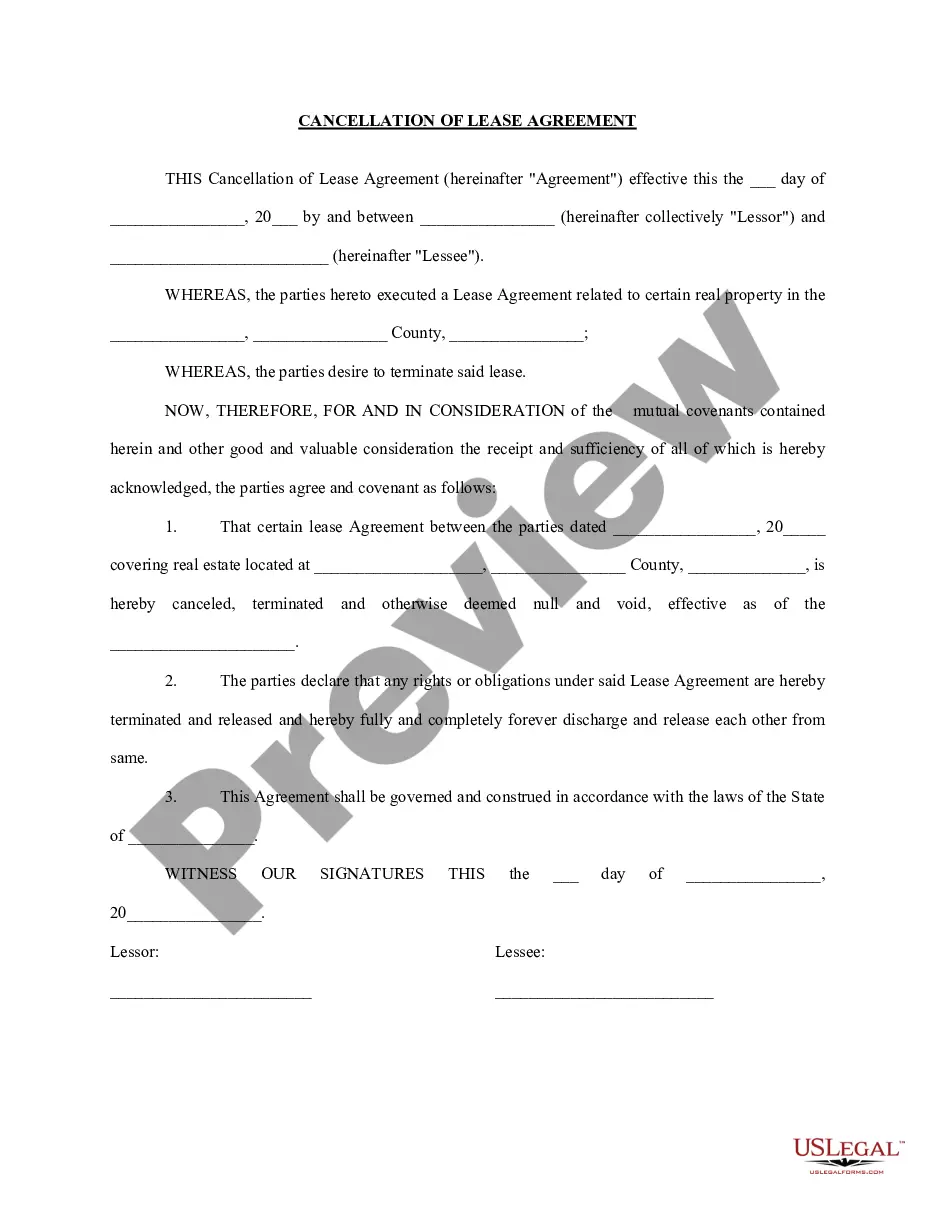
Get your form ready online
Our built-in tools help you complete, sign, share, and store your documents in one place.
Make edits, fill in missing information, and update formatting in US Legal Forms—just like you would in MS Word.
Download a copy, print it, send it by email, or mail it via USPS—whatever works best for your next step.
Sign and collect signatures with our SignNow integration. Send to multiple recipients, set reminders, and more. Go Premium to unlock E-Sign.
If this form requires notarization, complete it online through a secure video call—no need to meet a notary in person or wait for an appointment.
We protect your documents and personal data by following strict security and privacy standards.

Make edits, fill in missing information, and update formatting in US Legal Forms—just like you would in MS Word.

Download a copy, print it, send it by email, or mail it via USPS—whatever works best for your next step.

Sign and collect signatures with our SignNow integration. Send to multiple recipients, set reminders, and more. Go Premium to unlock E-Sign.

If this form requires notarization, complete it online through a secure video call—no need to meet a notary in person or wait for an appointment.

We protect your documents and personal data by following strict security and privacy standards.
Looking for another form?








Form popularity
FAQ
6) What are the responsibilities of the accounts receivable department? Building monthly financial statements. Performing Account Reconciliations. Generating Invoices and Account Statements. Managing the Billing System.
All payment and payment clearing activities of a provider or a customer result in Accounts Receivable documents (AR documents) in the system. AR documents serve for accounting purposes such as making financial statements, adjusting customer balances, determining the ageing invoices, and so on.
The four types of accounts receivable are trade receivables, or accounts reflecting the sale of goods or services; non-trade receivables, or accounts not related to the sale of goods or services, like loans, insurance claims, and interest payments; secured receivables, which are backed by collateral and enshrined by a ...
The four types of accounts receivable are trade receivables, or accounts reflecting the sale of goods or services; non-trade receivables, or accounts not related to the sale of goods or services, like loans, insurance claims, and interest payments; secured receivables, which are backed by collateral and enshrined by a ...
These can include asset, expense, income, liability and equity accounts. You may use each account for a different purpose and maintain them on your financial ledger or balance sheet continuously.
To report accounts receivable, gather information about outstanding amounts owed by customers, create an accounts receivable ledger, categorize the accounts by age, prepare a report that summarizes the outstanding amounts, analyze the report, and take action to collect payments and manage the balance.
Therefore, when a journal entry is made for an accounts receivable transaction, the value of the sale will be recorded as a credit to sales. The amount that is receivable will be recorded as a debit to the assets. These entries balance each other out.
