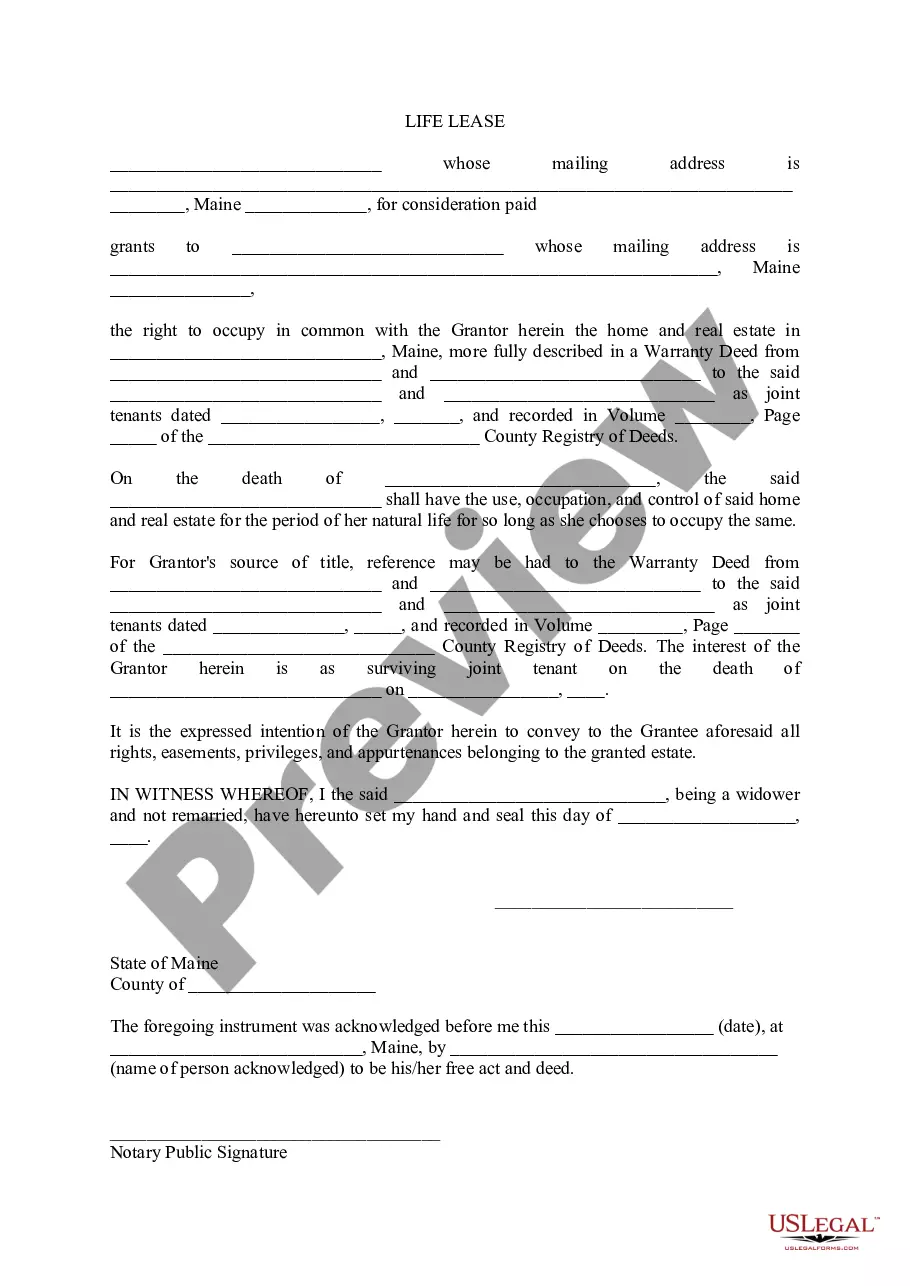
Ownership Agreement For Property In Santa Clara
Description






Get your form ready online
Our built-in tools help you complete, sign, share, and store your documents in one place.
Make edits, fill in missing information, and update formatting in US Legal Forms—just like you would in MS Word.
Download a copy, print it, send it by email, or mail it via USPS—whatever works best for your next step.
Sign and collect signatures with our SignNow integration. Send to multiple recipients, set reminders, and more. Go Premium to unlock E-Sign.
If this form requires notarization, complete it online through a secure video call—no need to meet a notary in person or wait for an appointment.
We protect your documents and personal data by following strict security and privacy standards.

Make edits, fill in missing information, and update formatting in US Legal Forms—just like you would in MS Word.

Download a copy, print it, send it by email, or mail it via USPS—whatever works best for your next step.

Sign and collect signatures with our SignNow integration. Send to multiple recipients, set reminders, and more. Go Premium to unlock E-Sign.

If this form requires notarization, complete it online through a secure video call—no need to meet a notary in person or wait for an appointment.

We protect your documents and personal data by following strict security and privacy standards.
Looking for another form?









Form popularity
FAQ
Property ownership information can be requested from the County Registrar-Recorder/County Clerk. For more information, please visit their website to Request a Real Estate Record.
The average turnaround time for a document submitted for recording is 30 days. Documents recorded electronically through an agent will not be returned from our office. You may check to see if your document has been recorded and indexed into the system by clicking on Search Property Documents.
When closing on a home, you should receive a copy of your house deed when the title is transferred to you. You can also request an additional copy at any time through your County Recorder's Office or Register of Deeds Office (the official name may vary by location).
Property ownership information can be requested from the County Registrar-Recorder/County Clerk. For more information, please visit their website to Request a Real Estate Record.
The deed, when recorded, became a permanent part of the County property records. If you should lose your original deed, you may obtain a certified copy of your deed from the County Recorder in which the land is located. A county certified copy can be used in the place of the original.
Prepare a New Deed: Draft a grant deed transferring the property to “John Doe, as Trustee of The John Doe Living Trust, dated January 1, 2024.” Notarize the Deed: Sign the new deed before a notary public. Record the Deed: Submit the notarized deed to the Santa Clara County Recorder's Office along with a PCOR.
No. Legal title to a tax-defaulted property subject to the Tax Collector's power to sell can only be obtained by becoming the successful bidder at the county tax sale. Paying the outstanding property taxes on such property will only benefit the current owner.
Before the proposition narrowly passed in 2020, parents could pass down their home and their very low property tax rate to their children. But Proposition 19 changed that. Now, the property's value gets reassessed at the time of transfer, and the property taxes could rise along with it.
Transfers of real property excluded from reassessment by Proposition 58 are: Transfer of principal residence (no value limit). Transfer of the first $1 million of real property other than the primary residences. The $1 million exclusion applies separately to each eligible transferor.