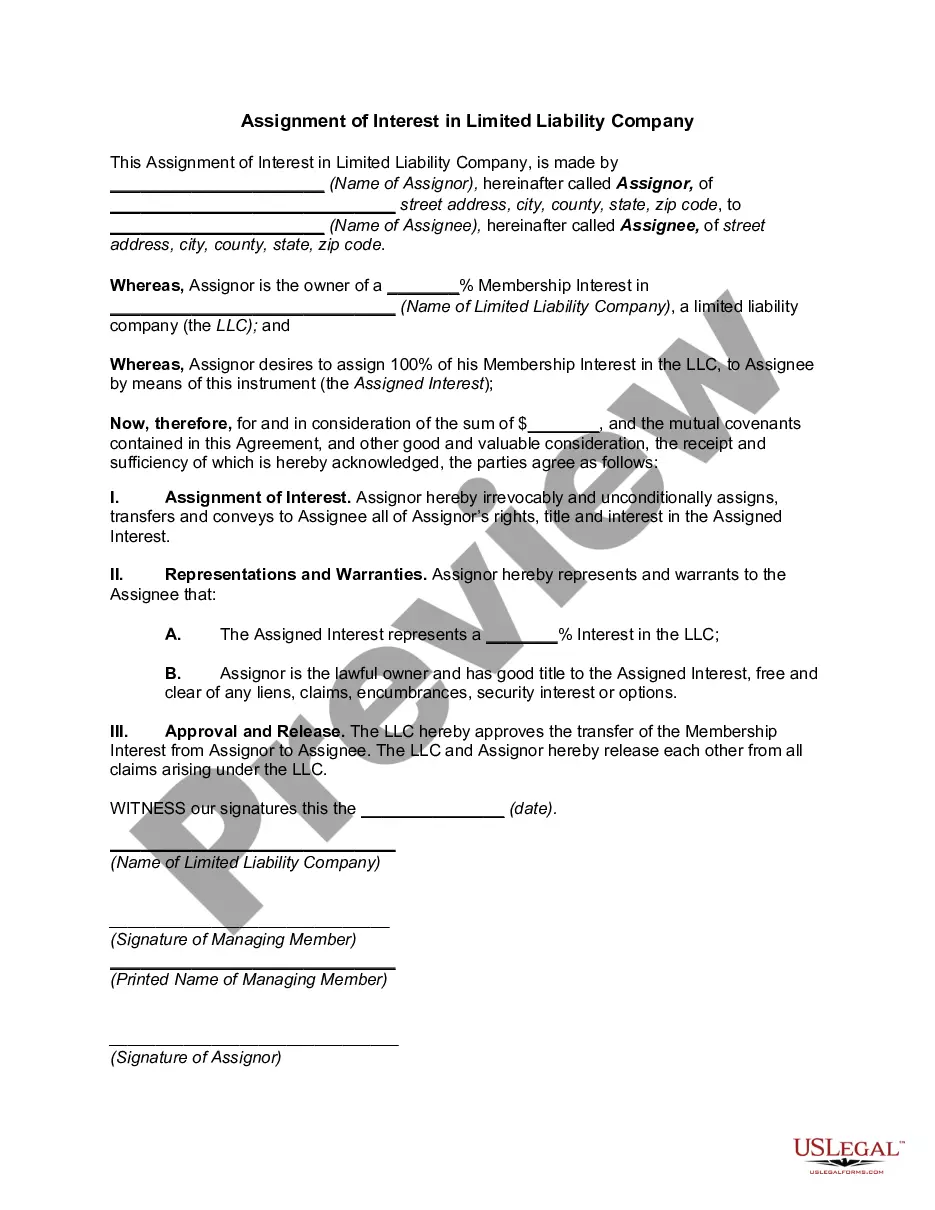
Equity Share Purchase For Business In Santa Clara
Description






Get your form ready online
Our built-in tools help you complete, sign, share, and store your documents in one place.
Make edits, fill in missing information, and update formatting in US Legal Forms—just like you would in MS Word.
Download a copy, print it, send it by email, or mail it via USPS—whatever works best for your next step.
Sign and collect signatures with our SignNow integration. Send to multiple recipients, set reminders, and more. Go Premium to unlock E-Sign.
If this form requires notarization, complete it online through a secure video call—no need to meet a notary in person or wait for an appointment.
We protect your documents and personal data by following strict security and privacy standards.

Make edits, fill in missing information, and update formatting in US Legal Forms—just like you would in MS Word.

Download a copy, print it, send it by email, or mail it via USPS—whatever works best for your next step.

Sign and collect signatures with our SignNow integration. Send to multiple recipients, set reminders, and more. Go Premium to unlock E-Sign.

If this form requires notarization, complete it online through a secure video call—no need to meet a notary in person or wait for an appointment.

We protect your documents and personal data by following strict security and privacy standards.
Looking for another form?







Form popularity
FAQ
A DSPP is a program that allows investors to buy shares of a company directly from the company itself, bypassing the need for a broker. This plan often appeals to those who want to start investing in small amounts since some companies allow fractional share purchases.
The most common form of investment in a private company is to buy shares. Normally, shares issued to investors are ordinary shares. Ordinary shares will normally give the holder voting rights, the right to receive dividends, and the right to receive any surplus capital if the company is wound up.
The short answer: Limited liability companies (LLCs) do not have stock, nor can they issue stock. While corporations that issue stock have corporate shareholders or stockholders, LLCs have membership interests, sometimes referred to as membership units, that confer an ownership stake on members.
Bottom Line. Unless you're an accredited investor, you can't directly buy shares of stock in a private company. However, you can invest in funds that track this part of the market and can buy shares of private equity firms that do invest in private companies.
Buying shares in a company can work. However, it is generally best when an owner is selling only part of their business, not the entire business. For simplicity, this article refers to businesses structured as a company. A company has shares in which each share represents a fraction of ownership.
A common way to own equity in a company is to invest in a publicly traded company listed on a stock exchange. For public companies, information about the company is transparent.
A 20% equity stake means you own 20% of a company. This means you have a right to 20% of the company's profits and assets. If the company were to be sold, you would be entitled to 20% of the proceeds.
An equity share, normally known as ordinary share is a part ownership where each member is a fractional owner and initiates the maximum entrepreneurial liability related to a trading concern. These types of shareholders in any organization possess the right to vote. Related Link: What is Equity?
A common way to own equity in a company is to invest in a publicly traded company listed on a stock exchange. For public companies, information about the company is transparent.
