Equity Agreement Statement For Property In San Bernardino
Description






Get your form ready online
Our built-in tools help you complete, sign, share, and store your documents in one place.
Make edits, fill in missing information, and update formatting in US Legal Forms—just like you would in MS Word.
Download a copy, print it, send it by email, or mail it via USPS—whatever works best for your next step.
Sign and collect signatures with our SignNow integration. Send to multiple recipients, set reminders, and more. Go Premium to unlock E-Sign.
If this form requires notarization, complete it online through a secure video call—no need to meet a notary in person or wait for an appointment.
We protect your documents and personal data by following strict security and privacy standards.

Make edits, fill in missing information, and update formatting in US Legal Forms—just like you would in MS Word.

Download a copy, print it, send it by email, or mail it via USPS—whatever works best for your next step.

Sign and collect signatures with our SignNow integration. Send to multiple recipients, set reminders, and more. Go Premium to unlock E-Sign.

If this form requires notarization, complete it online through a secure video call—no need to meet a notary in person or wait for an appointment.

We protect your documents and personal data by following strict security and privacy standards.
Looking for another form?
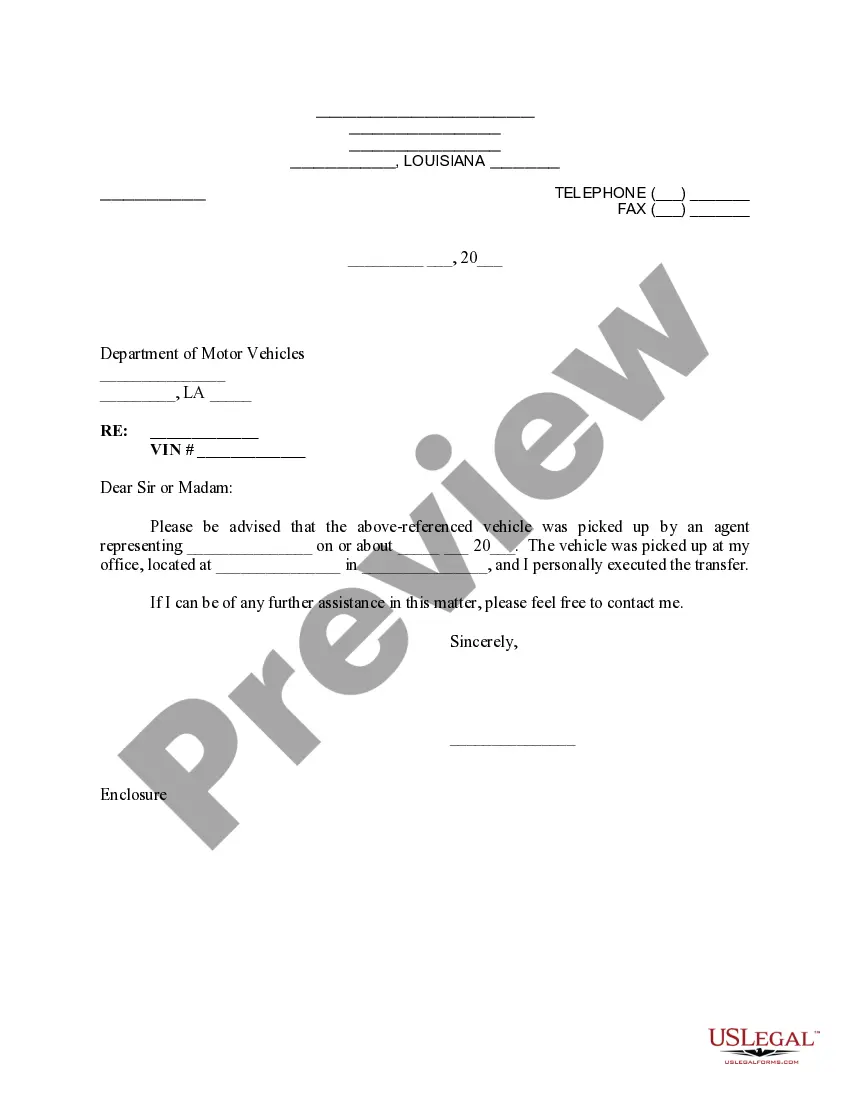




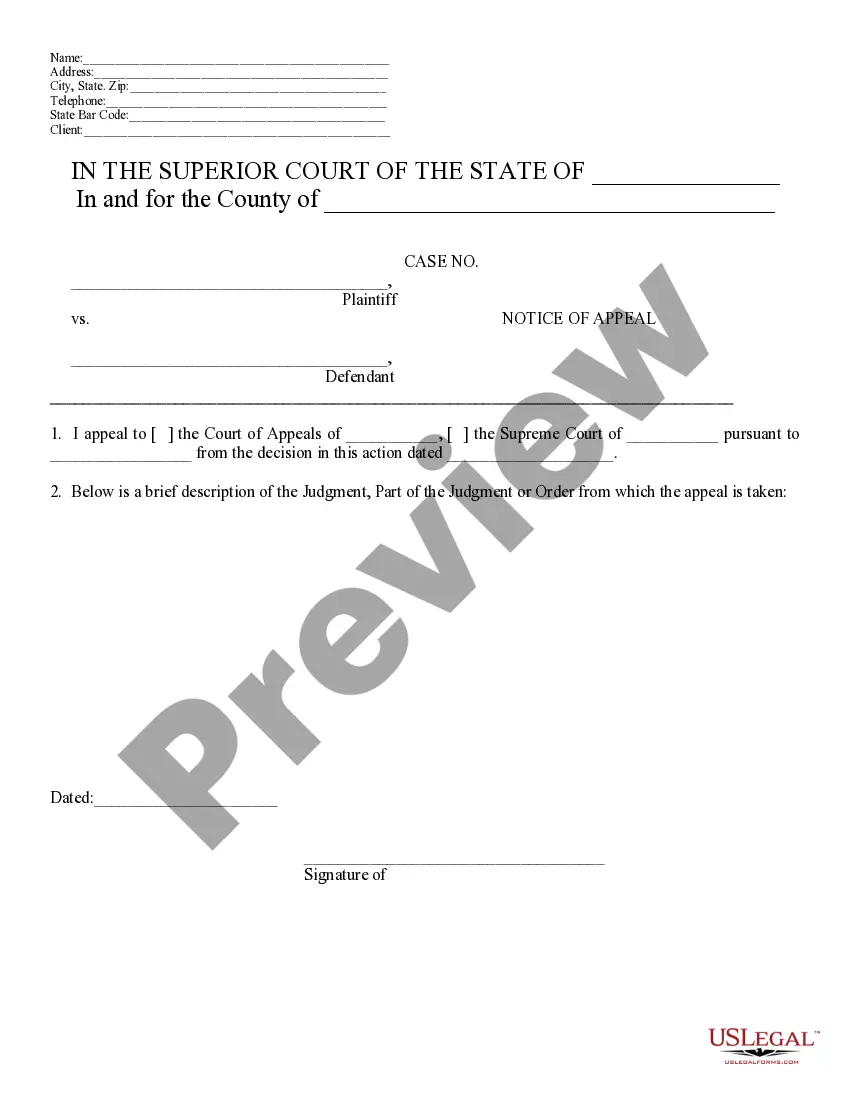



Form popularity
FAQ
To change the name(s) on real property, the present owner(s) may execute a new deed conveying the property from the name(s) as they presently appear, to the name(s) that will be used to hold title. Full names of all parties must be used.
A person may be added to a property deed as a result of inheritance, marriage or partnership. It's crucial to understand that adding someone to a deed typically involves a transfer of ownership interest in the property. With that transfer comes potential tax consequences.
To change the name(s) on real property, the present owner(s) may execute a new deed conveying the property from the name(s) as they presently appear, to the name(s) that will be used to hold title. Full names of all parties must be used.
What is a Homeowner Exemption? A. Property that is owned and occupied as your principal place of residence as of the lien date (January 1st) may qualify for an exemption of $7,000 of assessed value.
A veteran who owns & occupies a home as their principle place of residence and who is rated 100% disabled by the V.A. due to a service connected disability. Real and personal property used exclusively by a church, non-profit college, cemetery, museum, school or library may qualify for an exemption.
To change the name(s) on real property, the present owner(s) may execute a new deed conveying the property from the name(s) as they presently appear, to the name(s) that will be used to hold title. Full names of all parties must be used.
The California Constitution provides a $7,000 reduction in the taxable value for a qualifying owner-occupied home. The home must have been the principal place of residence of the owner on the lien date, January 1st.
Michigan veterans with 100% disability status are eligible to receive full disabled veteran property tax exemption. Minnesota. Mississippi. Missouri. Montana. Nebraska. Nevada. New Hampshire. New Jersey.
Disabled Veterans' Exemption The Disabled Veterans' Exemption reduces the property tax liability on the principal place of residence of qualified veterans who, due to a service-connected injury or disease, have been rated 100% disabled or are being compensated at the 100% rate due to unemployability.
