Gift Of Equity Letter Example In Riverside
Description






Get your form ready online
Our built-in tools help you complete, sign, share, and store your documents in one place.
Make edits, fill in missing information, and update formatting in US Legal Forms—just like you would in MS Word.
Download a copy, print it, send it by email, or mail it via USPS—whatever works best for your next step.
Sign and collect signatures with our SignNow integration. Send to multiple recipients, set reminders, and more. Go Premium to unlock E-Sign.
If this form requires notarization, complete it online through a secure video call—no need to meet a notary in person or wait for an appointment.
We protect your documents and personal data by following strict security and privacy standards.

Make edits, fill in missing information, and update formatting in US Legal Forms—just like you would in MS Word.

Download a copy, print it, send it by email, or mail it via USPS—whatever works best for your next step.

Sign and collect signatures with our SignNow integration. Send to multiple recipients, set reminders, and more. Go Premium to unlock E-Sign.

If this form requires notarization, complete it online through a secure video call—no need to meet a notary in person or wait for an appointment.

We protect your documents and personal data by following strict security and privacy standards.
Looking for another form?






Form popularity
FAQ
Click below to view the eight pieces of information in a gift letter and why lenders request each one: The exact dollar amount of the gift. The donor's signed statement that no repayment is expected. The property address associated with the down payment. Donor information. The date the funds were or will be transferred.
To use an example, my father was the purchaser on a house that he bought for $375K and rented to me. When he eventually sold it to me it was worth closer to $500K. So he makes a gift of equity, signs the appropriate letters, deals with the tax implications, etc.
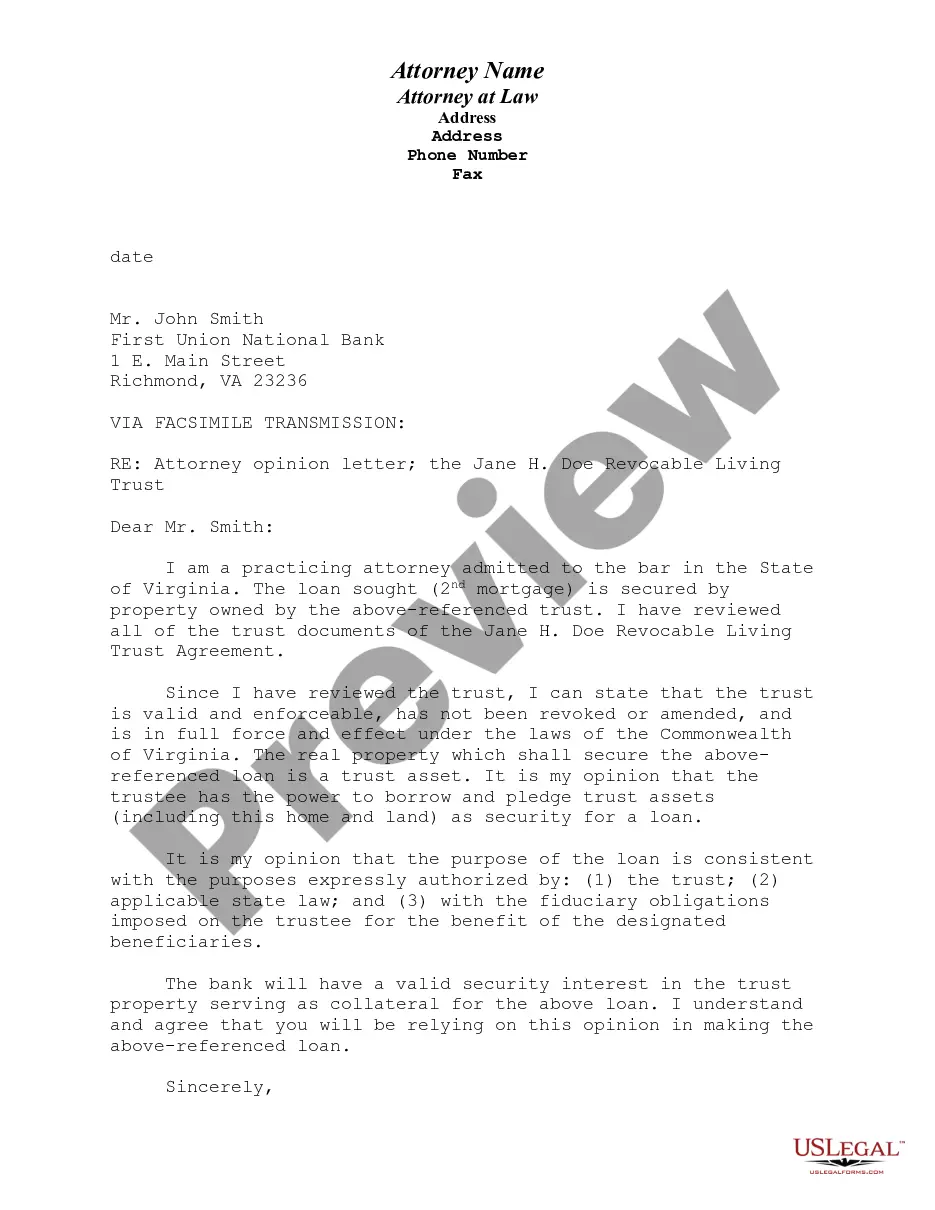
Most mortgage providers will have a template that you can follow, but in general, your gift letter should include: The donor's name, address and phone number. The donor's relationship to the client. The dollar amount of the gift. The date when the funds were (or will be) transferred.
(Date) Dear (Donor): I have received your "Offer of Gift," dated ___________________, by which you, on behalf of the (Name of Company), offered to convey (Description of Property) to the United States of America as a gift. I accept with pleasure your gift and conveyance of the (Property), pursuant to 10 U.S.C. 2601.
Gifted equity requirements The letter should be signed by the buyer and the seller. Funds must also be properly documented through financial records. So, be prepared to provide copies of your recent bank statements, your donor's recent bank statements, and copies of cashier's checks.
Gift of Equity The gift represents a portion of the seller's equity in the property, and is transferred to the buyer as a credit in the transaction.
Gifts of equity, like other gifts, aren't taxable to the recipient. The seller might have to file a gift return. They're allowed to give $15,000 per person each year without having to file a gift return. So, if the gift of equity they gave you is less than $30,000, they don't have to file the return.
