Ownership Agreement For Property In Queens
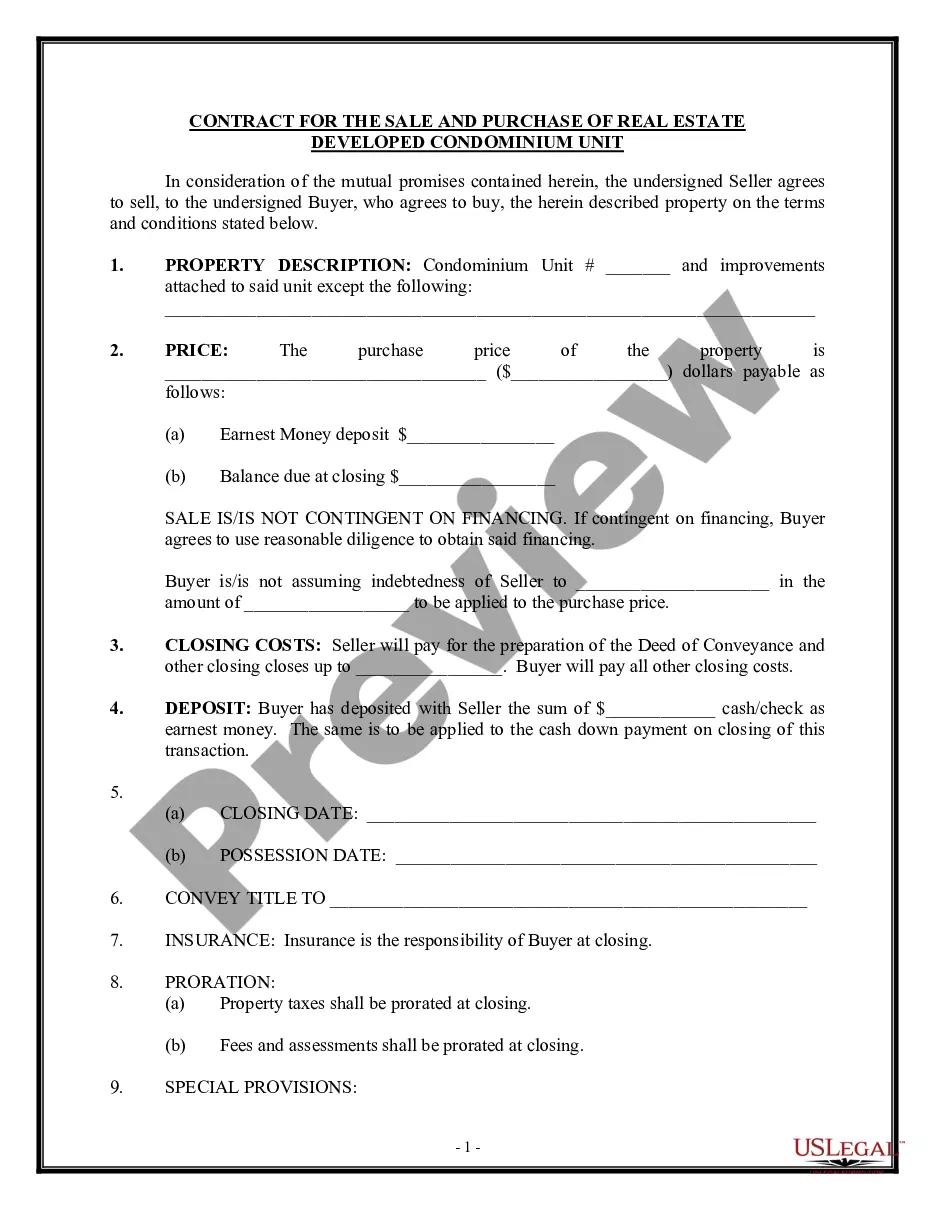
Description






Get your form ready online
Our built-in tools help you complete, sign, share, and store your documents in one place.
Make edits, fill in missing information, and update formatting in US Legal Forms—just like you would in MS Word.
Download a copy, print it, send it by email, or mail it via USPS—whatever works best for your next step.
Sign and collect signatures with our SignNow integration. Send to multiple recipients, set reminders, and more. Go Premium to unlock E-Sign.
If this form requires notarization, complete it online through a secure video call—no need to meet a notary in person or wait for an appointment.
We protect your documents and personal data by following strict security and privacy standards.

Make edits, fill in missing information, and update formatting in US Legal Forms—just like you would in MS Word.

Download a copy, print it, send it by email, or mail it via USPS—whatever works best for your next step.

Sign and collect signatures with our SignNow integration. Send to multiple recipients, set reminders, and more. Go Premium to unlock E-Sign.

If this form requires notarization, complete it online through a secure video call—no need to meet a notary in person or wait for an appointment.

We protect your documents and personal data by following strict security and privacy standards.
Looking for another form?






Form popularity
FAQ
Ownership is the state or fact of legal possession and control over property, which may be any asset, tangible or intangible. Ownership can involve multiple rights, collectively referred to as title, which may be separated and held by different parties.
Visit the City Register Office in the borough where the property is located. Visit the Queens City Register Office to view Brooklyn property record books. If you have the Liber/Reel and page, date recorded, type of document, and number of pages, you should visit the Brooklyn City Register Office for microfilm records.
Property records are public. People may use these records for background information on purchases, mortgages, asset searches, and other legal and financial transactions. Reviewing these documents is not necessarily the same as a title search.
Property Tax Statement: Tax statements are the best form of current proof of ownership, and in most cases, the easiest to obtain. If the tax statement does not list a physical street address, supporting documentation from the documentation types shown below can be utilized to obtain a physical address.
Yes, you can write your own contract. However, including all necessary elements is crucial to make it legally binding.
Write the contract in six steps Start with a contract template. Open with the basic information. Describe in detail what you have agreed to. Include a description of how the contract will be ended. Write into the contract which laws apply and how disputes will be resolved. Include space for signatures.
An agreement is a promise or arrangement between two or more parties to do, or not do, something. It's usually informal and sometimes unwritten (but not always). Some examples of agreements include a letter of intent, or a confidentiality agreement that precedes a commercial discussion.
Right of possession to live on the property. Right of disposition to transfer ownership. Right of control to modify, destroy, or rent the property, and the right to make legal decisions over the property.
Property records are public. People may use these records for background information on purchases, mortgages, asset searches, and other legal and financial transactions.
Visit The Local Assessor's Office If you're scouting out a property, one of the first places you can try for owner information is your local tax assessor's office.