Startup Equity Agreement For First Employees In Pima
Description






Get your form ready online
Our built-in tools help you complete, sign, share, and store your documents in one place.
Make edits, fill in missing information, and update formatting in US Legal Forms—just like you would in MS Word.
Download a copy, print it, send it by email, or mail it via USPS—whatever works best for your next step.
Sign and collect signatures with our SignNow integration. Send to multiple recipients, set reminders, and more. Go Premium to unlock E-Sign.
If this form requires notarization, complete it online through a secure video call—no need to meet a notary in person or wait for an appointment.
We protect your documents and personal data by following strict security and privacy standards.

Make edits, fill in missing information, and update formatting in US Legal Forms—just like you would in MS Word.

Download a copy, print it, send it by email, or mail it via USPS—whatever works best for your next step.

Sign and collect signatures with our SignNow integration. Send to multiple recipients, set reminders, and more. Go Premium to unlock E-Sign.

If this form requires notarization, complete it online through a secure video call—no need to meet a notary in person or wait for an appointment.

We protect your documents and personal data by following strict security and privacy standards.
Looking for another form?

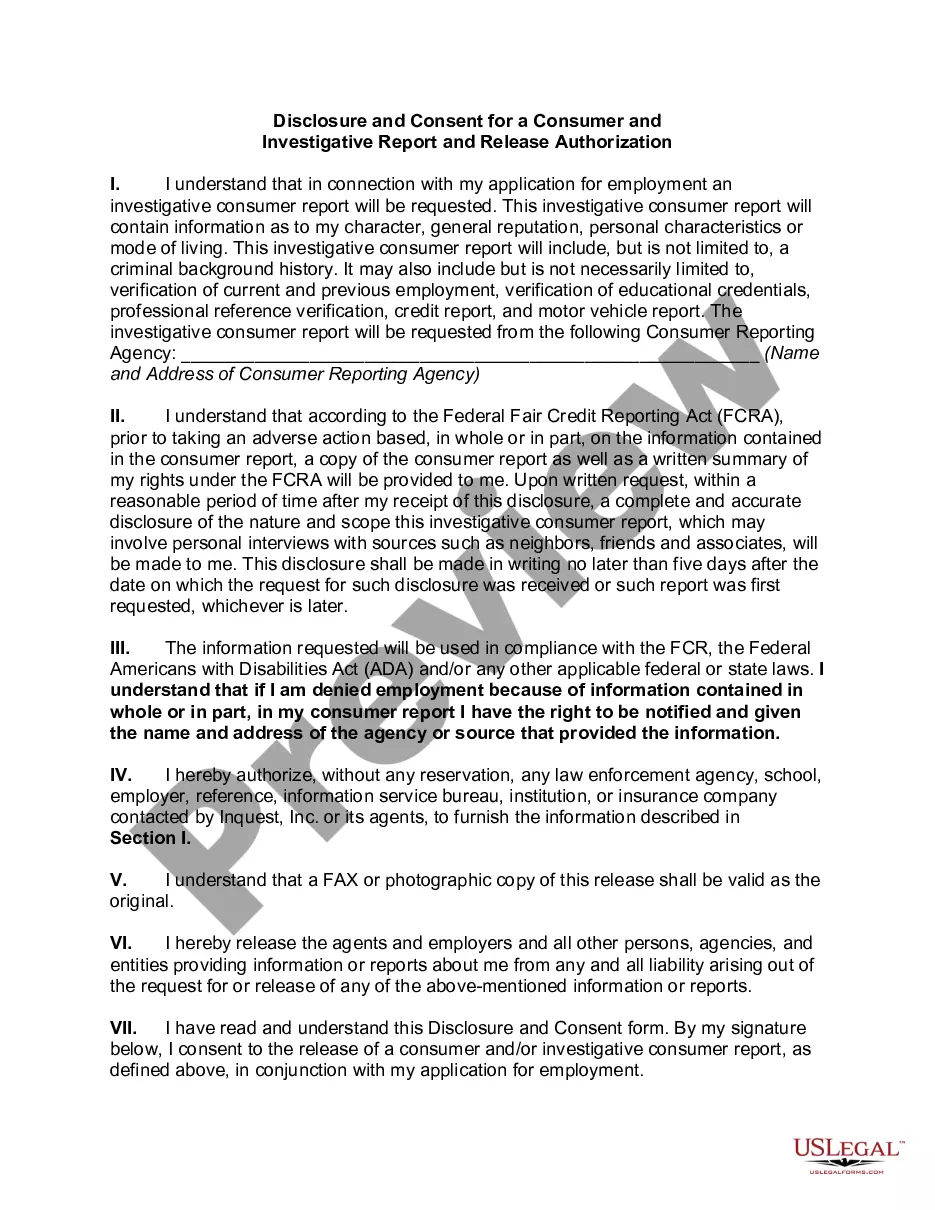





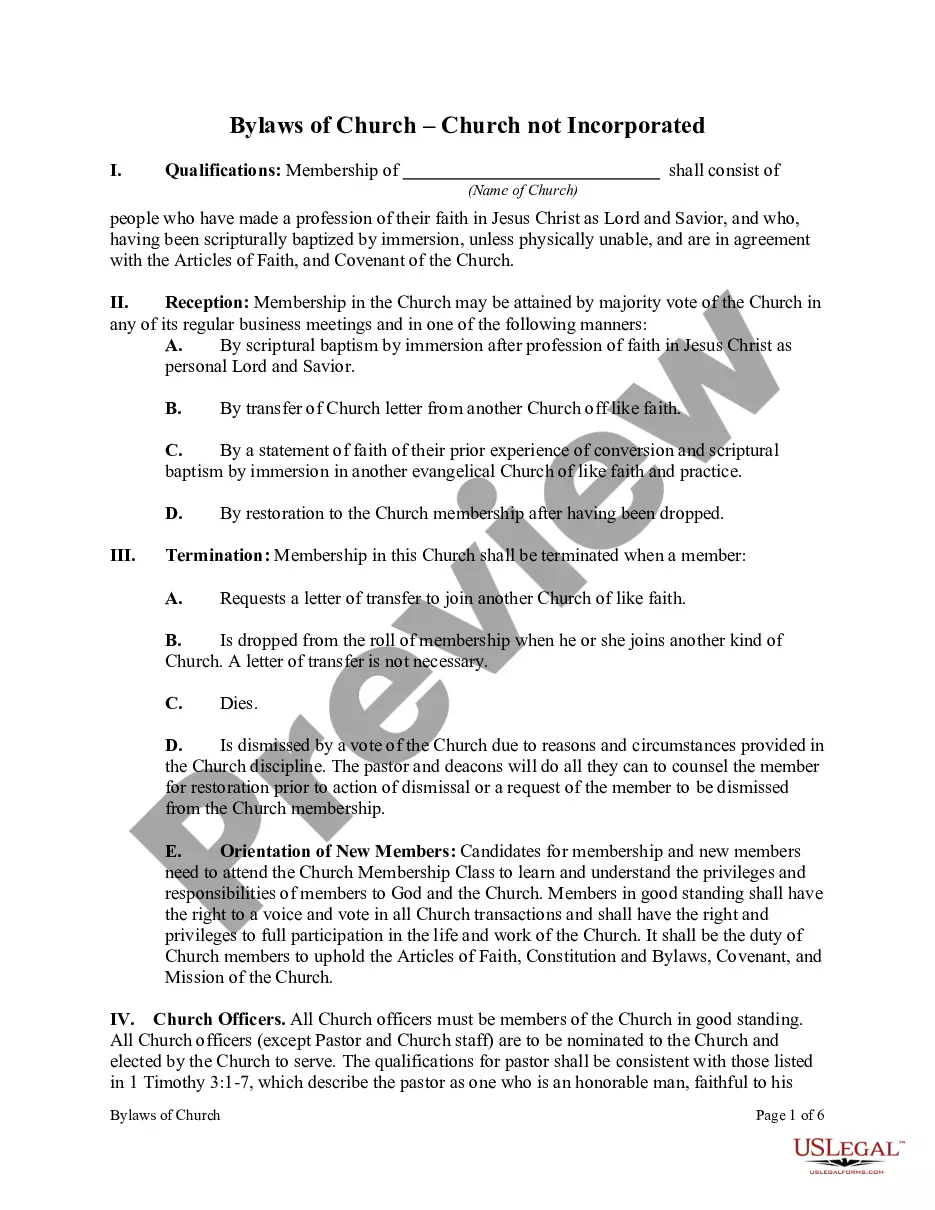
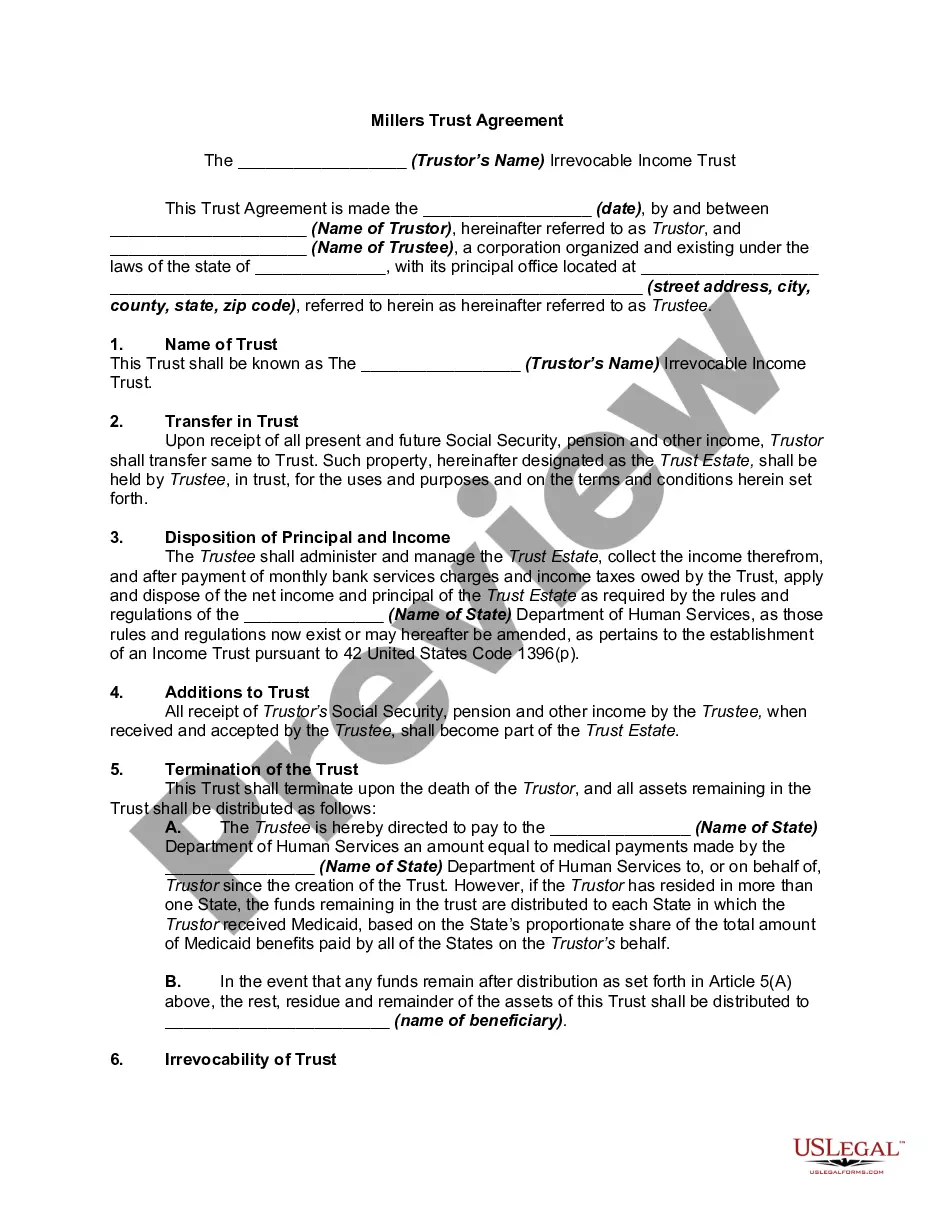

Form popularity
FAQ
In summary, while there's no one-size-fits-all answer, early employees should aim for equity that reflects their contribution and the stage of the company, typically ranging from 0.1% to 5% depending on various factors.
Angel and venture capital investors are great, but they must not take more shares than you're willing to give up. On average, founders offer 10-20% of their equity during a seed round. You should always avoid offering over 25% during this stage. As you progress beyond this stage, you will have less equity to offer.
Startups typically allocate 10-20% of equity during the seed round in exchange for investments ranging from $250,000 to $1 million. The percentage and amount can be dependent on the company's stage, market potential, and the extent of capital needed to achieve initial milestones.
As a rule of thumb, a non-founder CEO joining an early-stage startup (that has been running less than a year) would receive 7-10% equity. Other C-level execs would receive 1-5% equity that vests over time (usually 4 years).
He suggests allocating around 10% of the company's equity to the first 10 employees and emphasizes the importance of financial success for early those team members. ing to Jurovich, the average equity for early hires should be: Hire 1: 1.27%
In summary, 1% equity can be a good offer if the startup has strong potential, your role is significant, and the overall compensation package is competitive. However, it could also be seen as low depending on the context. It's essential to assess all these factors before making a decision.
Startup equity is distributed among employees as a form of compensation to attract and retain talent, and the amount allocated often varies based on the company's stage, the employee's role and the potential growth of the startup.
Typically, startup companies create an employee equity pool of about 10% to 20% of outstanding equity used to incentivize staff.
The precise amounts can be calculated by multiplying an employee's salary by an equity-to-salary ratio for their role. Sam Altman, the CEO of OpenAI and investor, suggests that a company should give at least 10% to the first ten employees, 5% to the next 20, and 5% to the next 50.
There are two common ways to grant Common Stock to employees: through stock options or restricted stock. As an early-stage startup, stock options are by far the most common way to grant equity to employees. However, it's important for you to understand the alternative so you can make the best possible decision.
