Equity Agreement Sample With Collateral In Philadelphia
Description






Get your form ready online
Our built-in tools help you complete, sign, share, and store your documents in one place.
Make edits, fill in missing information, and update formatting in US Legal Forms—just like you would in MS Word.
Download a copy, print it, send it by email, or mail it via USPS—whatever works best for your next step.
Sign and collect signatures with our SignNow integration. Send to multiple recipients, set reminders, and more. Go Premium to unlock E-Sign.
If this form requires notarization, complete it online through a secure video call—no need to meet a notary in person or wait for an appointment.
We protect your documents and personal data by following strict security and privacy standards.

Make edits, fill in missing information, and update formatting in US Legal Forms—just like you would in MS Word.

Download a copy, print it, send it by email, or mail it via USPS—whatever works best for your next step.

Sign and collect signatures with our SignNow integration. Send to multiple recipients, set reminders, and more. Go Premium to unlock E-Sign.

If this form requires notarization, complete it online through a secure video call—no need to meet a notary in person or wait for an appointment.

We protect your documents and personal data by following strict security and privacy standards.
Looking for another form?



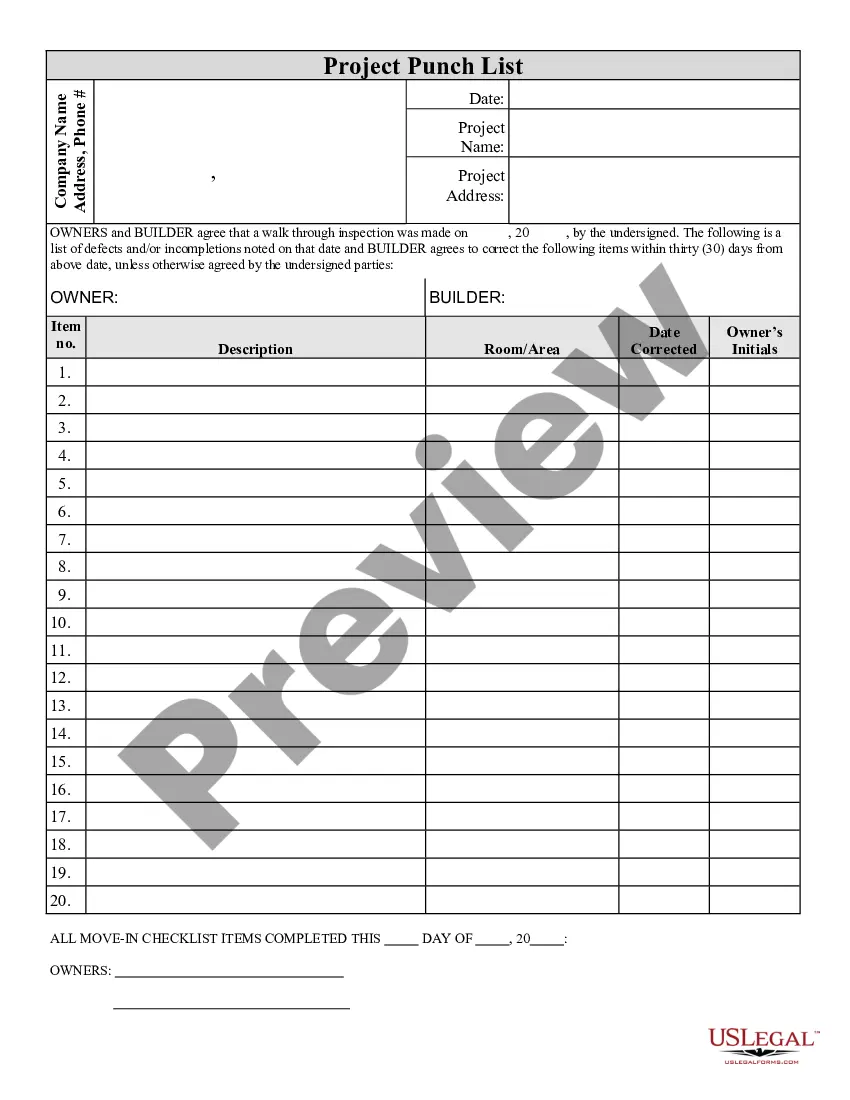

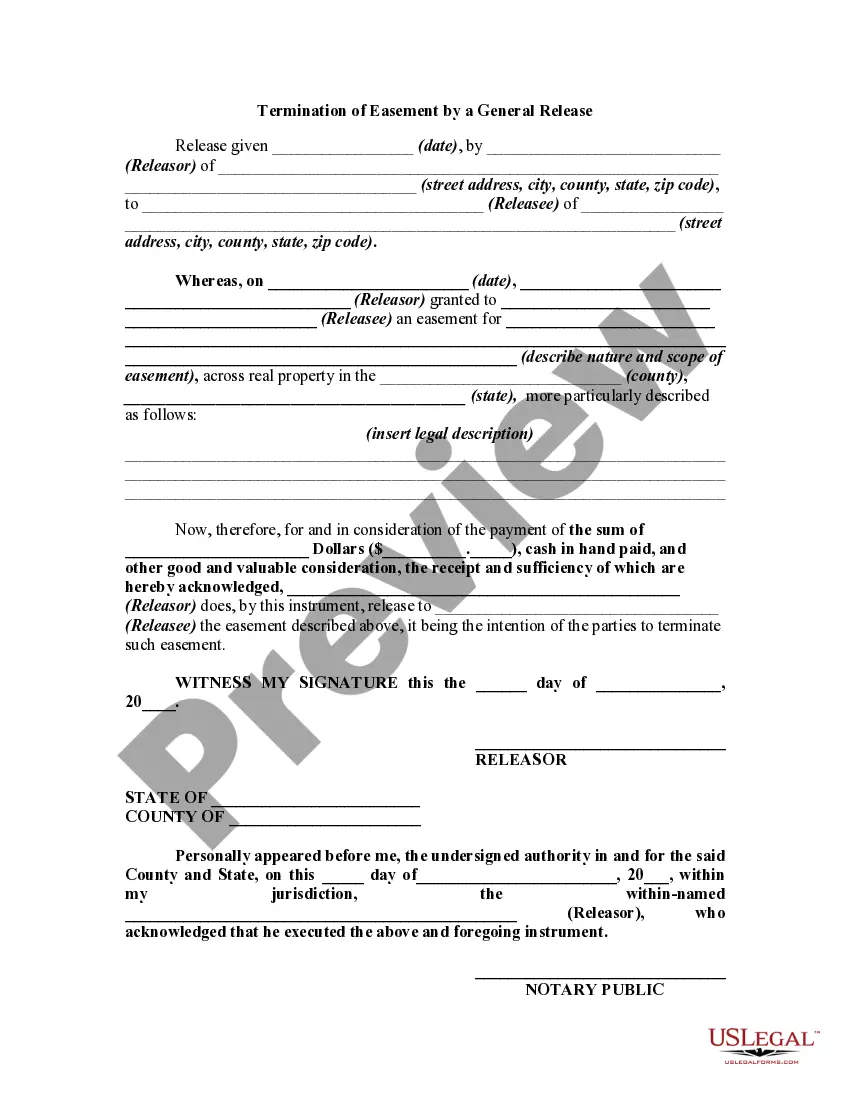


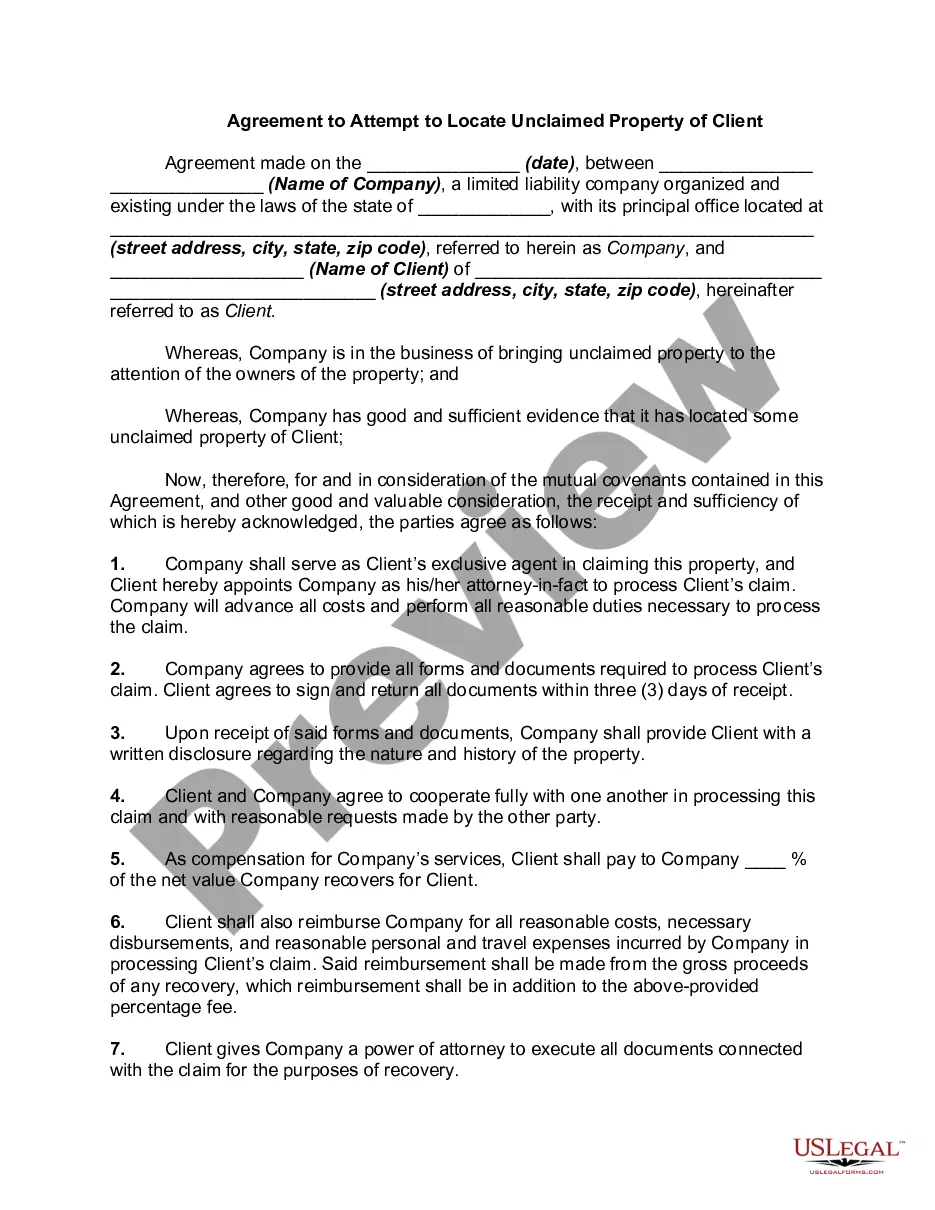
Form popularity
FAQ
These agreements allow the secured party to perfect a security interest in collateral posted by the pledgor while ensuring that, in the event of the bankruptcy or insolvency of the secured party, such collateral will not become a part of the secured party's estate and will, to the extent owed to the pledgor, be ...
A company provides you with a lump sum in exchange for partial ownership of your home, and/or a share of its future appreciation. You don't make monthly repayments of principal or interest; instead, you settle up when you sell the home or at the end of a multi-year agreement period (typically between 10 and 30 years).
Equity agreements allow entrepreneurs to secure funding for their start-up by giving up a portion of ownership of their company to investors. In short, these arrangements typically involve investors providing capital in exchange for shares of stock which they will hold and potentially sell in the future for a profit.
Investment agreements are legal contracts between an investor and a company. The investor supplies funds with the intent of receiving a return. In turn, the company protects the individual's financial investment in the business. The Securities Act of 1933 governs investment contracts.
Published . Collateral management agreement (CMA) is a type of inventory financing between a lender and a borrower, where the goods are used as collateral.
A Security Agreement, also known as a Collateral Agreement or Pledge Agreement, gives to a lender or other party a security interest in property that a debtor or obligor owns.
A guarantee is an agreement through which an individual or legal entity undertakes to meet certain obligations, such as paying a third party's debt if the latter defaults.
A collateral contract is a contract to enter into an future contract. Part of the consideration for the collateral contract is the promise to enter into the second contract. This is similar to a conditional contract whereby the consideration for one party is conditioned on the other party doing something.
However, the two are often considered different because of the different choice of words or pronunciations used. For example, collateral is commonly used to describe Unsecured Loans or KTA. On the other hand, the word guarantee is usually used to describe bank loans that require assets from the borrower as collateral.
