Equity Share Statement For Loan In Nassau
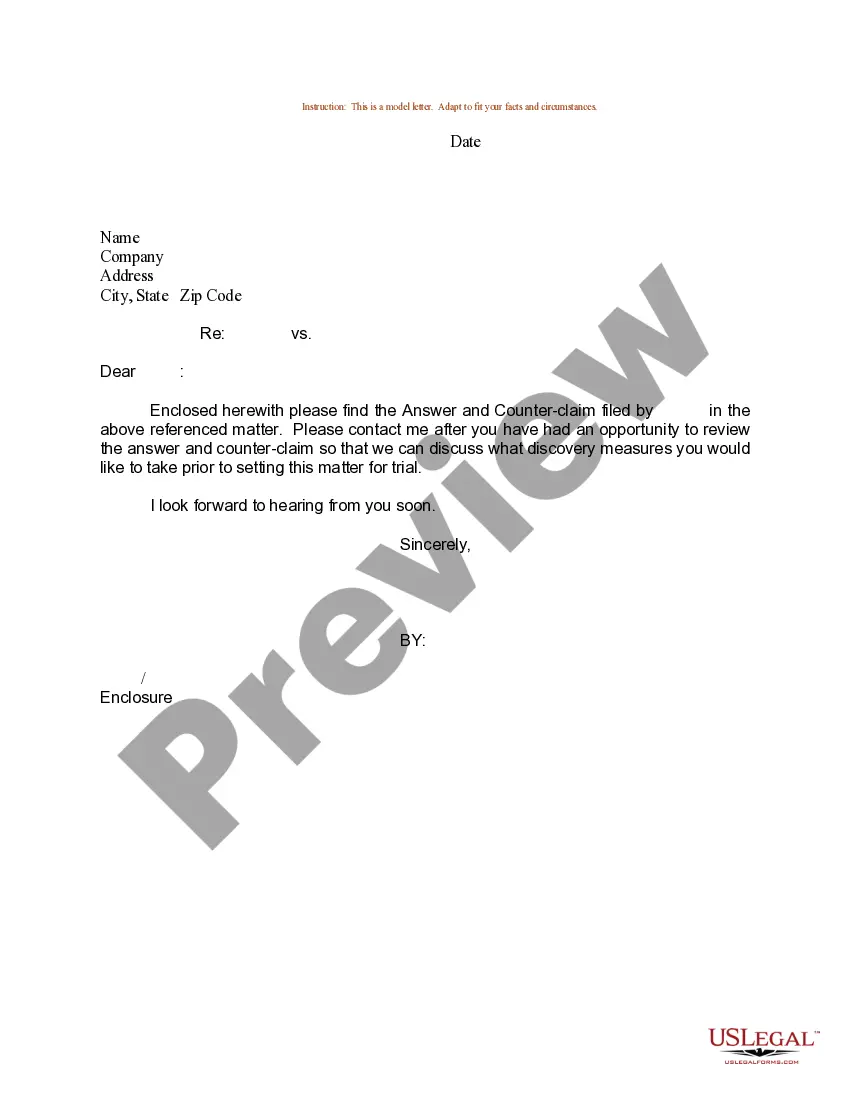
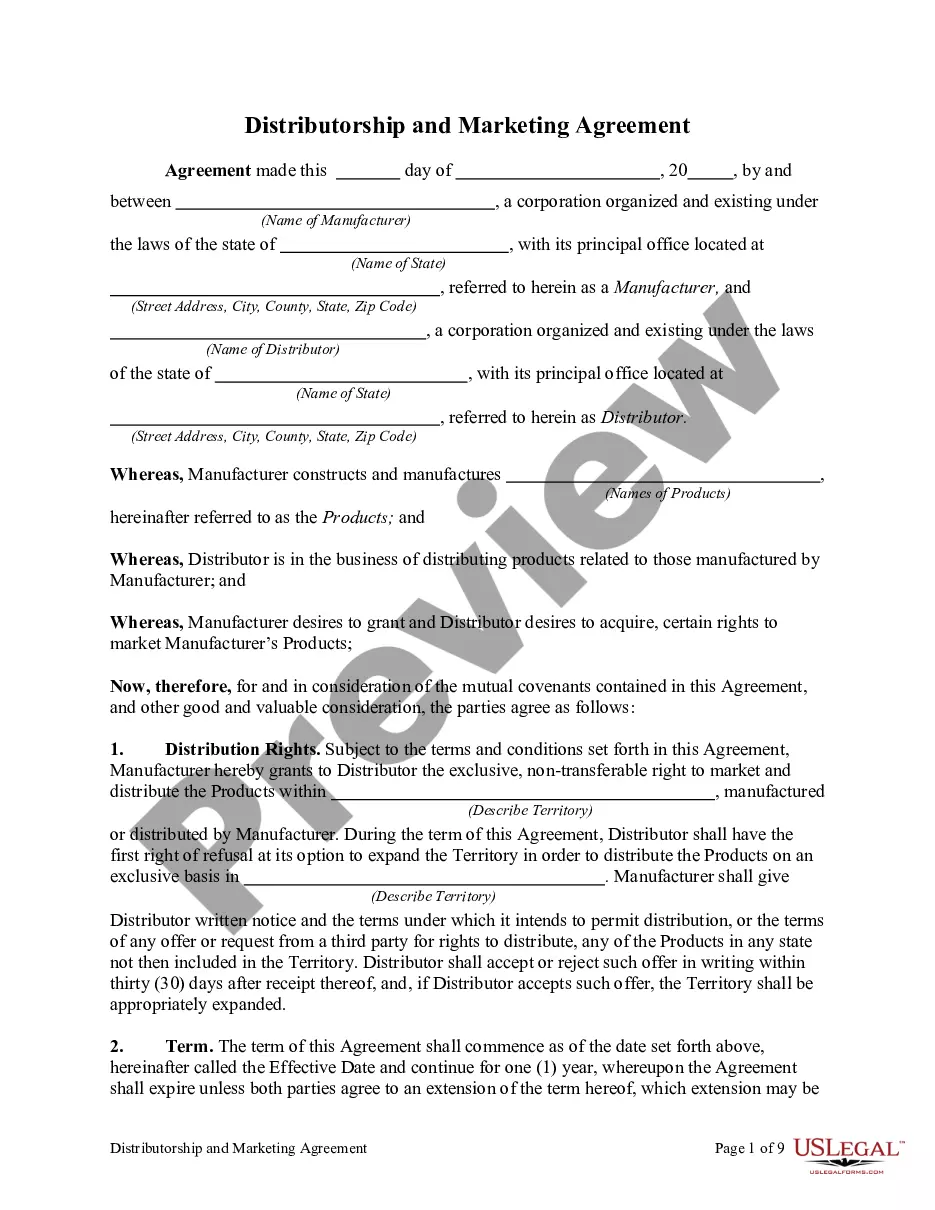
Description






Get your form ready online
Our built-in tools help you complete, sign, share, and store your documents in one place.
Make edits, fill in missing information, and update formatting in US Legal Forms—just like you would in MS Word.
Download a copy, print it, send it by email, or mail it via USPS—whatever works best for your next step.
Sign and collect signatures with our SignNow integration. Send to multiple recipients, set reminders, and more. Go Premium to unlock E-Sign.
If this form requires notarization, complete it online through a secure video call—no need to meet a notary in person or wait for an appointment.
We protect your documents and personal data by following strict security and privacy standards.

Make edits, fill in missing information, and update formatting in US Legal Forms—just like you would in MS Word.

Download a copy, print it, send it by email, or mail it via USPS—whatever works best for your next step.

Sign and collect signatures with our SignNow integration. Send to multiple recipients, set reminders, and more. Go Premium to unlock E-Sign.

If this form requires notarization, complete it online through a secure video call—no need to meet a notary in person or wait for an appointment.

We protect your documents and personal data by following strict security and privacy standards.
Looking for another form?








Form popularity
FAQ
Taking equity out of your home can be risky because it involves borrowing against the value of your property. This means you are increasing your debt and potentially putting your home at risk if you are unable to repay the borrowed amount.
Although the UCC-1 Financing Statement does not require signatures, any attachment such as the legal description or special terms and conditions may require the signature of the Debtor. A UCC-1 Financing Statement expires after five (5) years unless a continuation is recorded and/or filed.
What is your routing/ABA number? Nassau Financial Federal Credit Union's ABA number is 2214-7668-8.
A financing statement may be filed before a security agreement is made or a security interest otherwise attaches.
(b) The office in which to file a financing statement to perfect a security interest in collateral, including fixtures, of a transmitting utility is the office of the Secretary of State.
In addition to filing with the state, the UCC is filed with the County office that holds the county real estate records for the property. Filings for ownership entities are made in the state where the entity is registered. Filings for individuals are made in the state in which the individual resides.
UCC records may be submitted directly to the Secretary of State's office using the UCC information management system which can be accessed through the Secretary of State's website. Record Indexing.
Our headquarters is located in East Meadow, NY, at 2575 Hempstead Turnpike, Suite 300, where we oversee our full range of financial products and services, including savings and checking accounts, loans, credit cards, and innovative digital banking solutions.
How to Fill Out a Personal Financial Statement in 8 Simple Steps General Information. Asset Information. Liability Information. Income Sources. Contingent Liabilities. Life Insurance. Read Authorization Statements. Review.
How to prepare a statement of owner's equity Step 1: Gather the needed information. Step 2: Prepare the heading. Step 3: Capital at the beginning of the period. Step 4: Add additional contributions. Step 5: Add net income. Step 6: Deduct owner's withdrawals. Step 7: Compute for the ending capital balance.