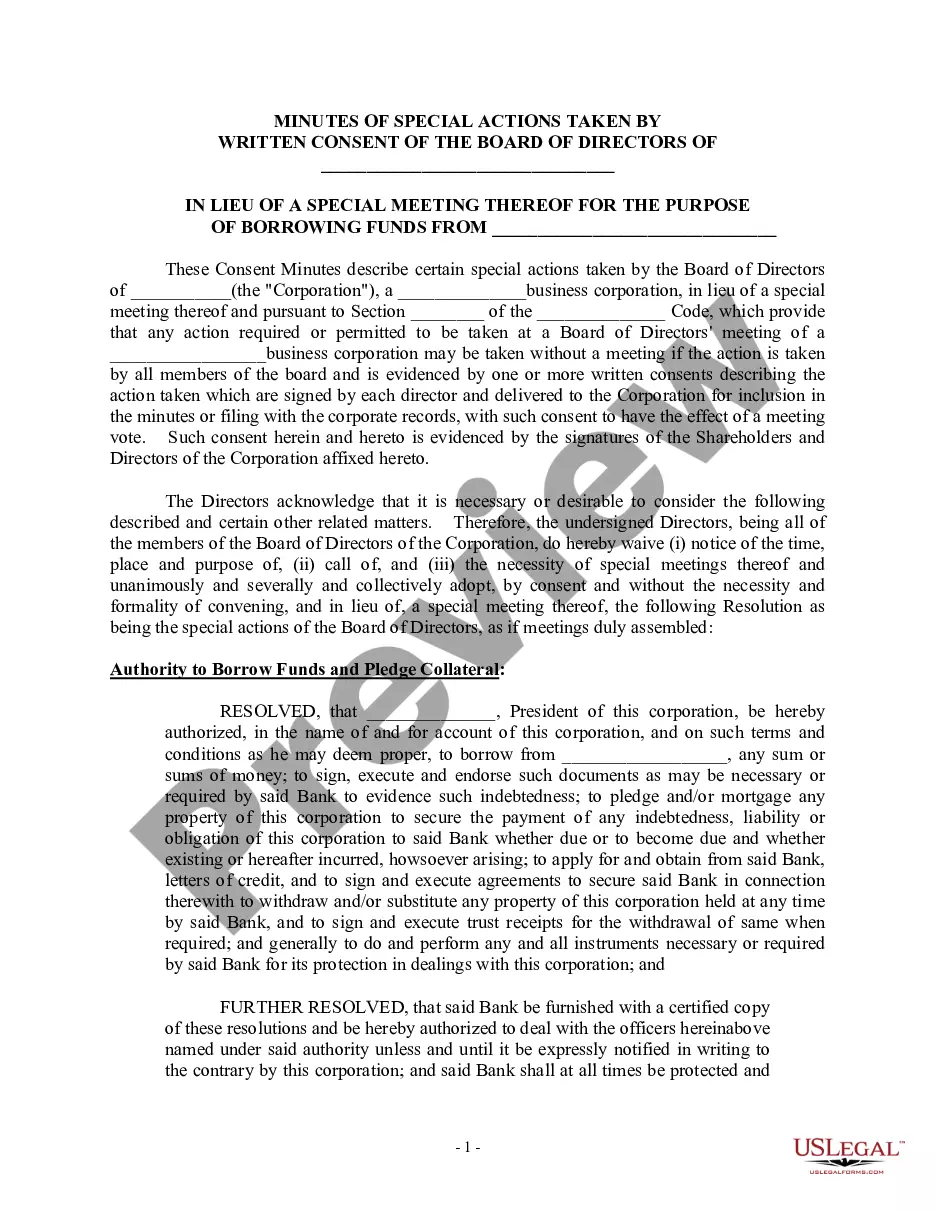
Equity Agreement Form Template For Background Check In Middlesex
Description






Get your form ready online
Our built-in tools help you complete, sign, share, and store your documents in one place.
Make edits, fill in missing information, and update formatting in US Legal Forms—just like you would in MS Word.
Download a copy, print it, send it by email, or mail it via USPS—whatever works best for your next step.
Sign and collect signatures with our SignNow integration. Send to multiple recipients, set reminders, and more. Go Premium to unlock E-Sign.
If this form requires notarization, complete it online through a secure video call—no need to meet a notary in person or wait for an appointment.
We protect your documents and personal data by following strict security and privacy standards.

Make edits, fill in missing information, and update formatting in US Legal Forms—just like you would in MS Word.

Download a copy, print it, send it by email, or mail it via USPS—whatever works best for your next step.

Sign and collect signatures with our SignNow integration. Send to multiple recipients, set reminders, and more. Go Premium to unlock E-Sign.

If this form requires notarization, complete it online through a secure video call—no need to meet a notary in person or wait for an appointment.

We protect your documents and personal data by following strict security and privacy standards.
Looking for another form?

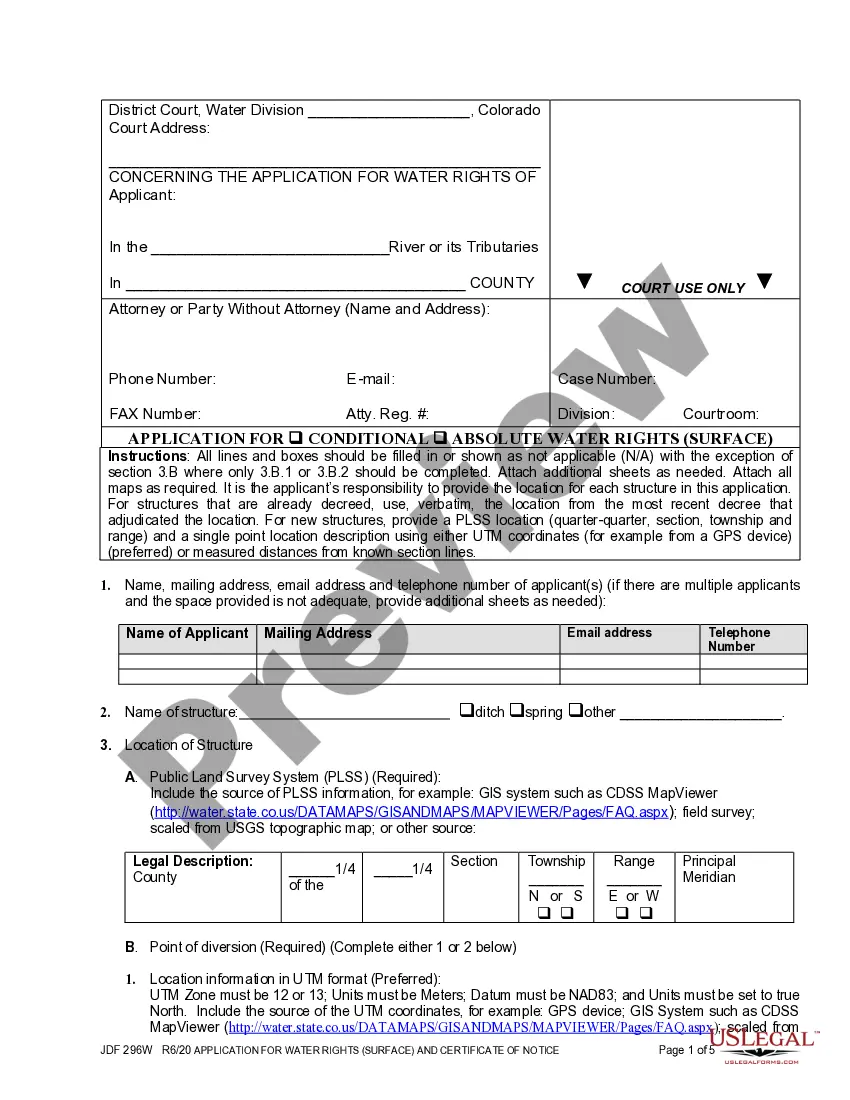








Form popularity
FAQ
When you draft an employment contract that includes equity incentives, you need to ensure you do the following: Define the equity package. Outline the type of equity, and the number of the shares or options (if relevant). Set out the vesting conditions. Clarify rights, responsibilities, and buyout clauses.
Equity agreements allow entrepreneurs to secure funding for their start-up by giving up a portion of ownership of their company to investors. In short, these arrangements typically involve investors providing capital in exchange for shares of stock which they will hold and potentially sell in the future for a profit.
Equity agreements commonly contain the following components: Equity program. This section outlines the details of the investment plan, including its purpose, conditions, and objectives. It also serves as a statement of intention to create a legal relationship between both parties.
Equity agreements allow entrepreneurs to secure funding for their start-up by giving up a portion of ownership of their company to investors. In short, these arrangements typically involve investors providing capital in exchange for shares of stock which they will hold and potentially sell in the future for a profit.
A stipulation and proposed order that parties may use to memorialize and enforce their pretrial agreements on the admissibility or authenticity of evidence, including documents or electronically stored information (ESI), in federal litigation.
The plaintiff must file and serve any written reply to the defendant's order to show cause opposition by . The reply papers must be filed with the Clerk of the Superior Court in the county listed above and a copy of the reply papers must be sent directly to the chambers of Judge .
A proposed order, in the context of legal proceedings, is a document that outlines the specific actions or decisions that a party involved in a case is asking the court to make. It is typically drafted by one of the parties or their attorney and presented to the court for approval.
Divorce records are publicly accessible in New Jersey unless sealed by a Family Court judge. In addition to the final judgement of divorce cases, New Jersey law provides public access to documents providing details of all hearings, arraignments, sentencing, and appeal of divorce cases.
Proposed Form of Order – A proposed order is a form that the judge can use to either grant or. deny the relief sought in the motion. Every motion must be accompanied by a proposed form of. order. Return date – The return date is the date on which the court will consider the motion.