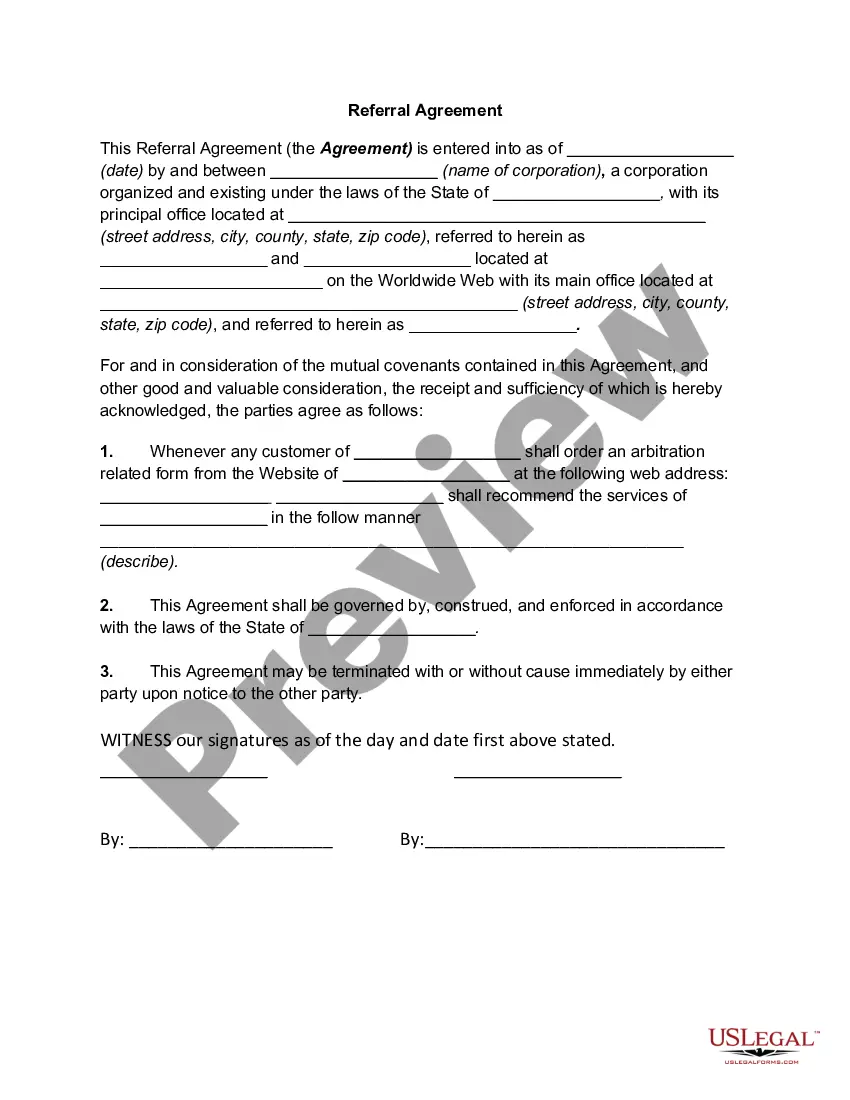
Equity Agreement Form Template For Background Check In Mecklenburg
Description






Get your form ready online
Our built-in tools help you complete, sign, share, and store your documents in one place.
Make edits, fill in missing information, and update formatting in US Legal Forms—just like you would in MS Word.
Download a copy, print it, send it by email, or mail it via USPS—whatever works best for your next step.
Sign and collect signatures with our SignNow integration. Send to multiple recipients, set reminders, and more. Go Premium to unlock E-Sign.
If this form requires notarization, complete it online through a secure video call—no need to meet a notary in person or wait for an appointment.
We protect your documents and personal data by following strict security and privacy standards.

Make edits, fill in missing information, and update formatting in US Legal Forms—just like you would in MS Word.

Download a copy, print it, send it by email, or mail it via USPS—whatever works best for your next step.

Sign and collect signatures with our SignNow integration. Send to multiple recipients, set reminders, and more. Go Premium to unlock E-Sign.

If this form requires notarization, complete it online through a secure video call—no need to meet a notary in person or wait for an appointment.

We protect your documents and personal data by following strict security and privacy standards.
Looking for another form?




Form popularity
FAQ
I hereby authorize (Organization Name) and its designated agents and representatives to conduct a comprehensive review of my background causing a consumer report and/or an investigative consumer report to be generated for employment and/or volunteer purposes.
An I-9 form is not a background check. Many employers conduct pre-employment background screenings to verify a candidate's prior employment, education, references, criminal history, or driving record. This is different from employment eligibility verification.
A background check authorization form is a release given to allow someone else to perform credit and criminal background checks. A person who is agreeing to have their information looked up must provide consent to the requesting party.
In order to conduct the search the requestor will have to do one (1) of the following: For Employment – An employer can make an account with their State's Department of Law Enforcement or use a 3rd party service like HireRight. For the FBI – Fill-in Form I-783 and make 2 copies of FD-258.
Tell the truth. Most employers will run a background check and learn about your criminal record, whether you tell them or not. Know what is in your criminal record. It is not uncommon for your criminal record to contain incorrect information, and prospective employers will probably see it.
Understanding red flags in a candidate's report A "red flag" in a background check could be any number of things. It might be a criminal record or a discrepancy between someone's resume and reality. Sometimes, those anomalies are simple mistakes; other times, they reveal that a candidate wasn't entirely truthful.
On March 23, 2021, Governor J.B. Pritzker signed HB 3056 into law, which is known as the Employee Background Fairness Act (EBFA). This law limits the ability of employers to disqualify applicants based on their convictions unless specific exceptions apply and the employer completes the required process.