Co-ownership Agreement Example In Harris
Description






Get your form ready online
Our built-in tools help you complete, sign, share, and store your documents in one place.
Make edits, fill in missing information, and update formatting in US Legal Forms—just like you would in MS Word.
Download a copy, print it, send it by email, or mail it via USPS—whatever works best for your next step.
Sign and collect signatures with our SignNow integration. Send to multiple recipients, set reminders, and more. Go Premium to unlock E-Sign.
If this form requires notarization, complete it online through a secure video call—no need to meet a notary in person or wait for an appointment.
We protect your documents and personal data by following strict security and privacy standards.

Make edits, fill in missing information, and update formatting in US Legal Forms—just like you would in MS Word.

Download a copy, print it, send it by email, or mail it via USPS—whatever works best for your next step.

Sign and collect signatures with our SignNow integration. Send to multiple recipients, set reminders, and more. Go Premium to unlock E-Sign.

If this form requires notarization, complete it online through a secure video call—no need to meet a notary in person or wait for an appointment.

We protect your documents and personal data by following strict security and privacy standards.
Looking for another form?






Form popularity
FAQ
Examining The 4 Types Of Co-Ownerships Tenancy in common. This this sort of property ownership, co-owners do not specifically mention their share at the time of buying. Joint tenancy. Tenancy in entirety. Coparcenary.
The practice of co-ownership has traditionally taken the form of a group of friends or family members coming together to buy a second home or a child who inherits a house from their parents or grandparents.
The flexibility offered by co-ownership of properties can cater to various needs and preferences. Joint property ownership typically requires all owners to have similar needs and wants, limiting customisation.
There are different types of co-ownership, including tenancy in common, joint ownership, community property and tenancy by the entirety.
Co-ownership is a legal concept in a business where two or more co-owners share the legal ownership of property. For the concept of co-ownership in different legal codes, see: Concurrent estate, for co-ownership in the common law system.
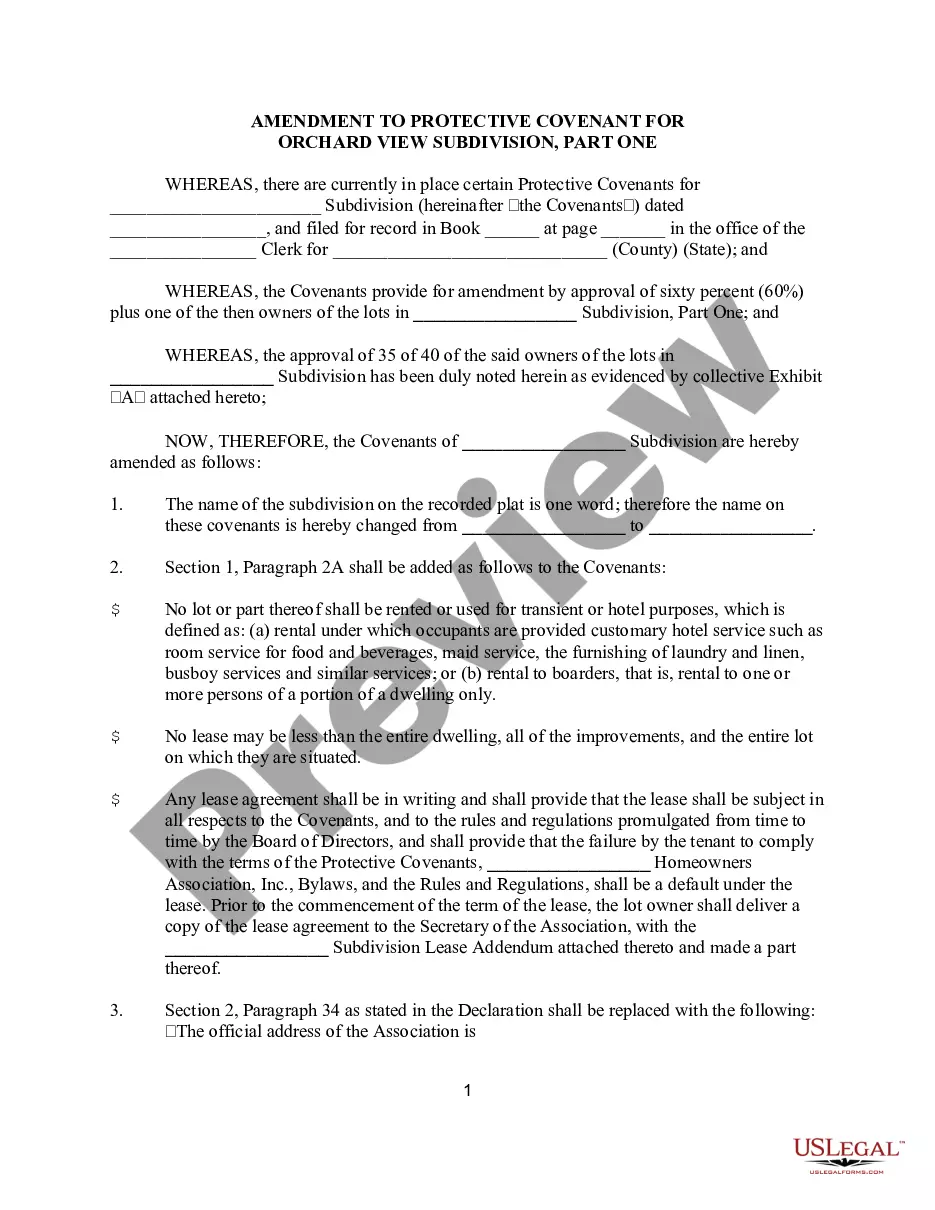
A property co-ownership agreement is a legally binding document that outlines the terms under which two or more parties share ownership of a property. It specifies each party's rights, responsibilities, and financial commitments, creating a clear framework for managing the property and preventing disputes.
owner is an individual or group that shares ownership of an asset with another individual or group. Each coowner owns a percentage of the asset, although the amount may vary ing to the ownership agreement.
Write the contract in six steps Start with a contract template. Open with the basic information. Describe in detail what you have agreed to. Include a description of how the contract will be ended. Write into the contract which laws apply and how disputes will be resolved. Include space for signatures.
The Living Together section of Nolo also discusses various forms of contracts for unmarried people who want to share ownership of property. Also, because your shared home represents a major economic investment, you should hire a lawyer to help you prepare an agreement that meets your needs.
How to draft a contract between two parties: A step-by-step checklist Know your parties. Agree on the terms. Set clear boundaries. Spell out the consequences. Specify how you will resolve disputes. Cover confidentiality. Check the legality of the contract. Open it up to negotiation.