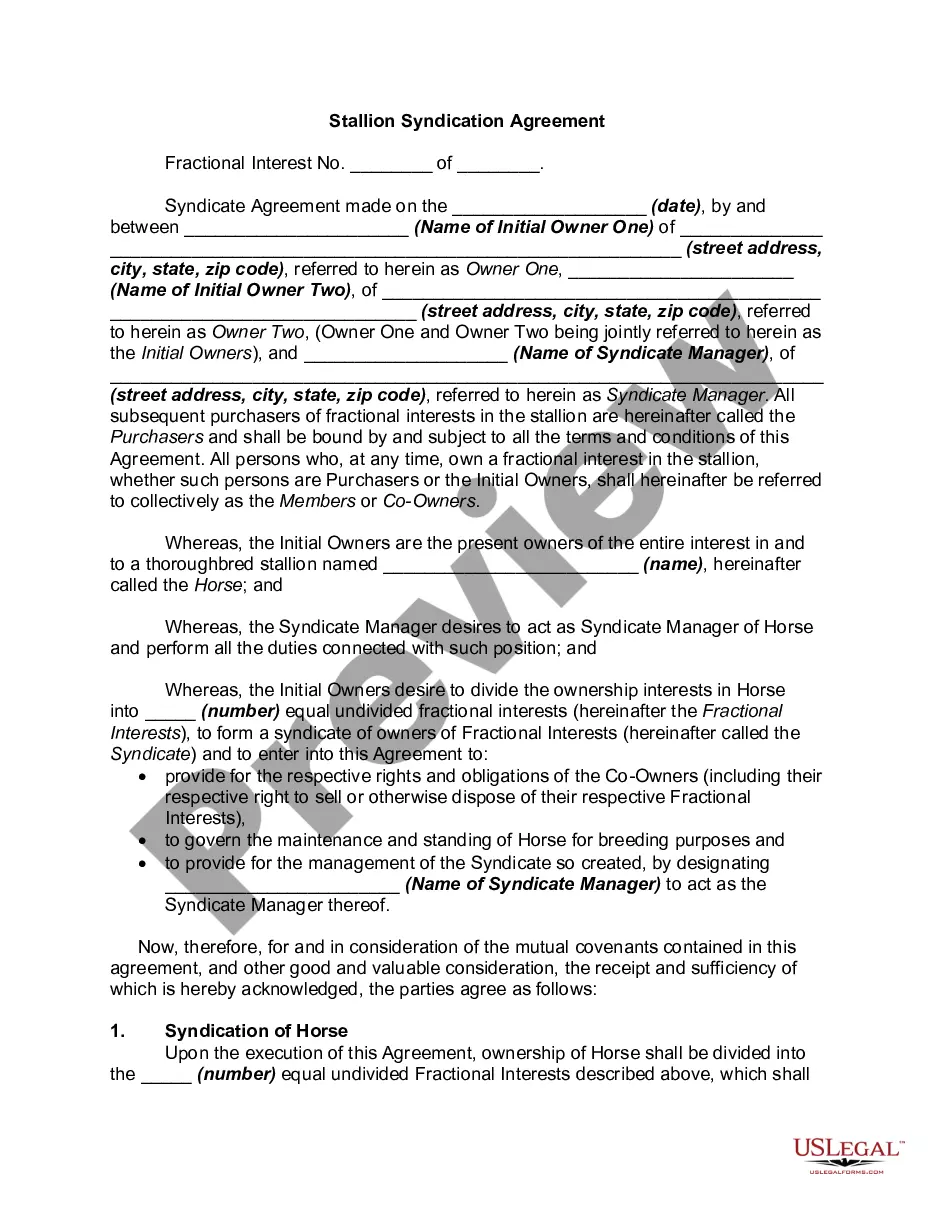
Business Equity Share Agreement Template For Business In Harris
Description






Get your form ready online
Our built-in tools help you complete, sign, share, and store your documents in one place.
Make edits, fill in missing information, and update formatting in US Legal Forms—just like you would in MS Word.
Download a copy, print it, send it by email, or mail it via USPS—whatever works best for your next step.
Sign and collect signatures with our SignNow integration. Send to multiple recipients, set reminders, and more. Go Premium to unlock E-Sign.
If this form requires notarization, complete it online through a secure video call—no need to meet a notary in person or wait for an appointment.
We protect your documents and personal data by following strict security and privacy standards.

Make edits, fill in missing information, and update formatting in US Legal Forms—just like you would in MS Word.

Download a copy, print it, send it by email, or mail it via USPS—whatever works best for your next step.

Sign and collect signatures with our SignNow integration. Send to multiple recipients, set reminders, and more. Go Premium to unlock E-Sign.

If this form requires notarization, complete it online through a secure video call—no need to meet a notary in person or wait for an appointment.

We protect your documents and personal data by following strict security and privacy standards.
Looking for another form?



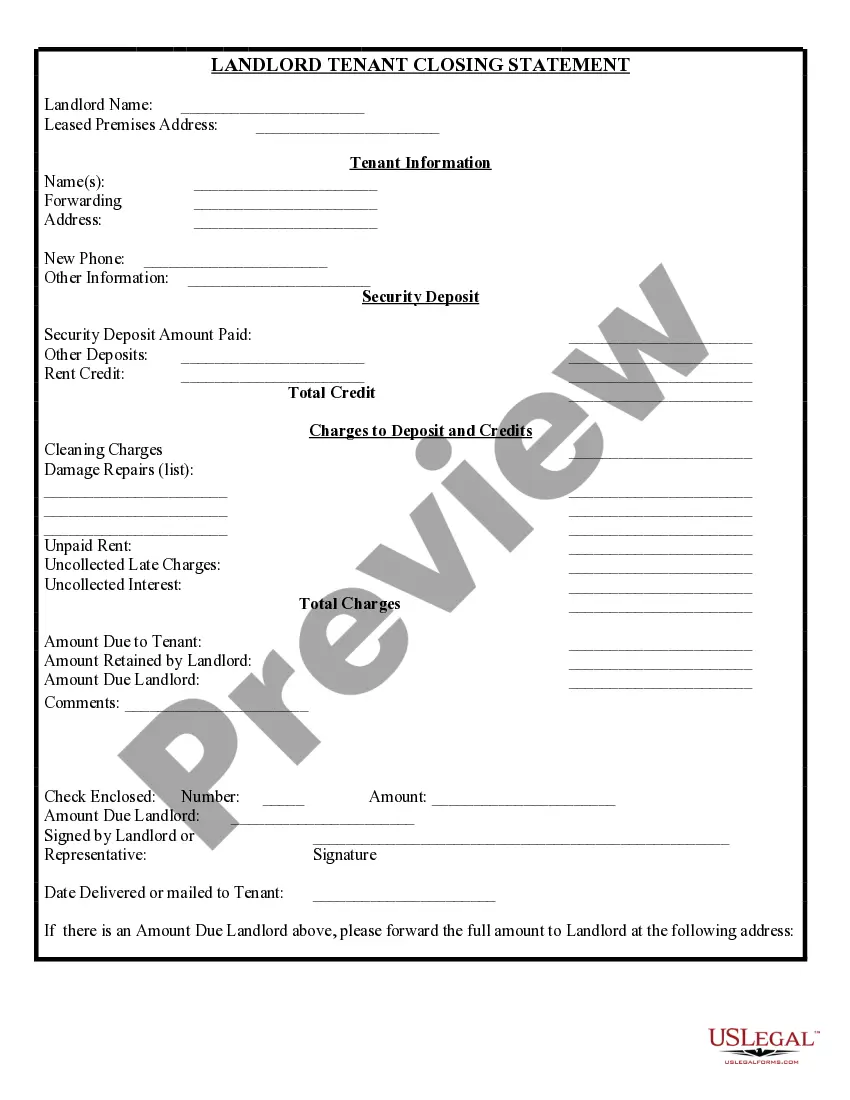
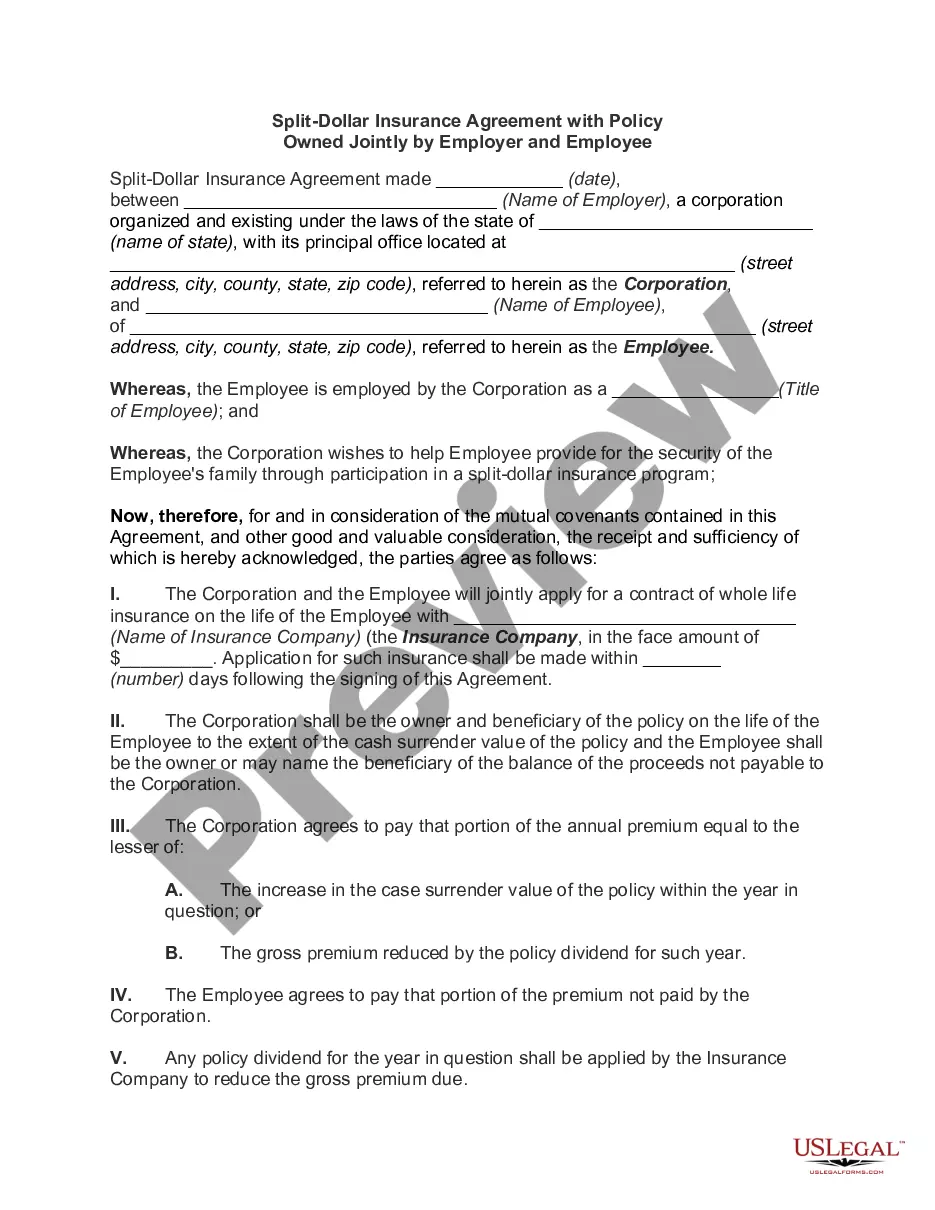

Form popularity
FAQ
Equity agreements commonly contain the following components: Equity program. This section outlines the details of the investment plan, including its purpose, conditions, and objectives. It also serves as a statement of intention to create a legal relationship between both parties.
Equity agreements allow entrepreneurs to secure funding for their start-up by giving up a portion of ownership of their company to investors. In short, these arrangements typically involve investors providing capital in exchange for shares of stock which they will hold and potentially sell in the future for a profit.
How do I create a Shareholder Agreement? Step 1: Provide details about the corporation. Step 2: Include details about the shareholders. Step 3: Provide details about share ownership. Step 4: Outline share information including class and number. Step 5: Determine how the corporation's directors will be appointed.
Let's say your home has an appraised value of $250,000, and you enter into a contract with one of the home equity agreement companies on the market. They agree to provide a lump sum of $25,000 in exchange for 10% of your home's appreciation. If you sell the house for $250,000, the HEA company is entitled to $25,000.
How to write an effective business contract agreement #1 Incorporate details about relevant stakeholders. #2 Define the purpose of the contract. #3 Include key terms and conditions. #4 Outline the responsibilities of all parties. #5 Review and edit. #6 Provide enough space for signatures and dates.
There are four common methods of granting equity or equity incentives in an LLC: (1) outright membership interest or membership unit grants, (2) LLC incentive units (aka “profit interests”), (3) a phantom or parallel unit plan (aka. synthetic equity), and (4) options to acquire LLC capital interests.
Let's say a company is looking to raise $50,000 in exchange for a 20% stake in its business. Investing $50,000 in that company could entitle you to 20% of that business's profits going forward.
A business can ``give'' equity any time its articles of incorporation or anti-dilution agreements allow. The IRS requires the business to report the fair market value of the gift of equity if it goes to non-employees . If equity goes to employees it is considered compensation and is reported on their w2.