Gift Of Equity Contract Example With Seller
Description
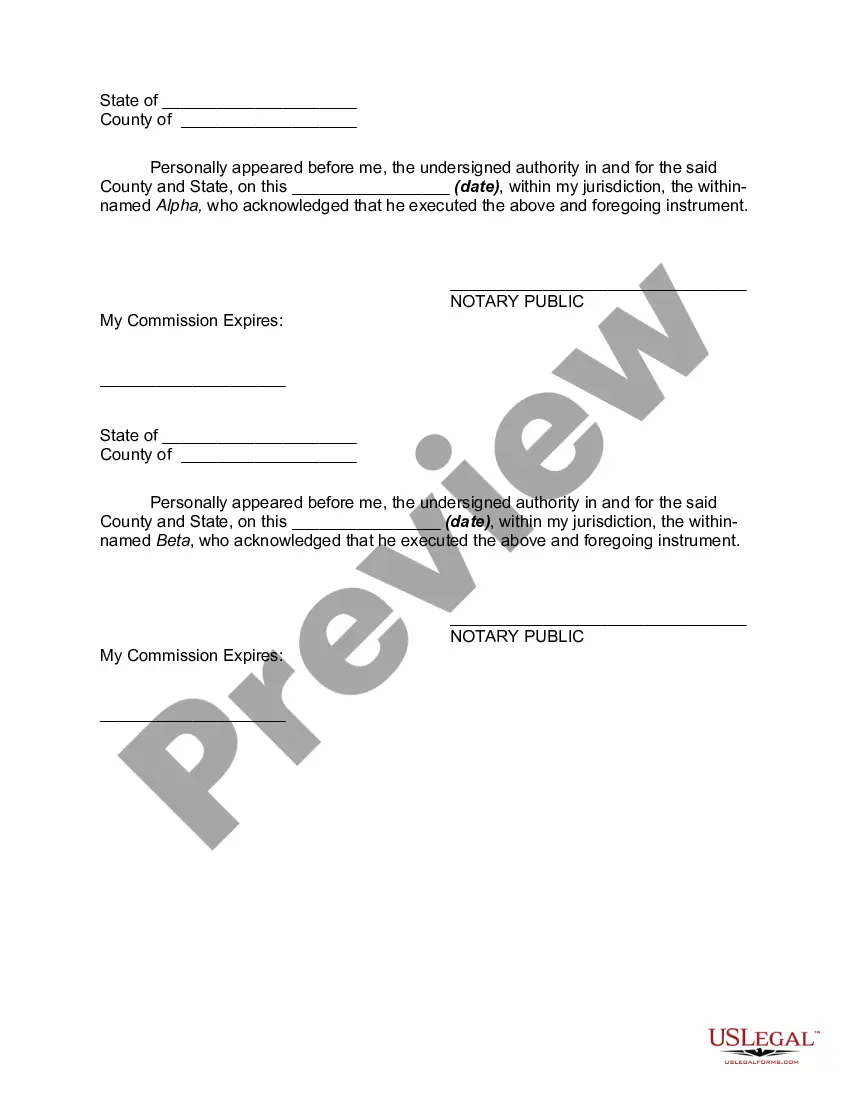
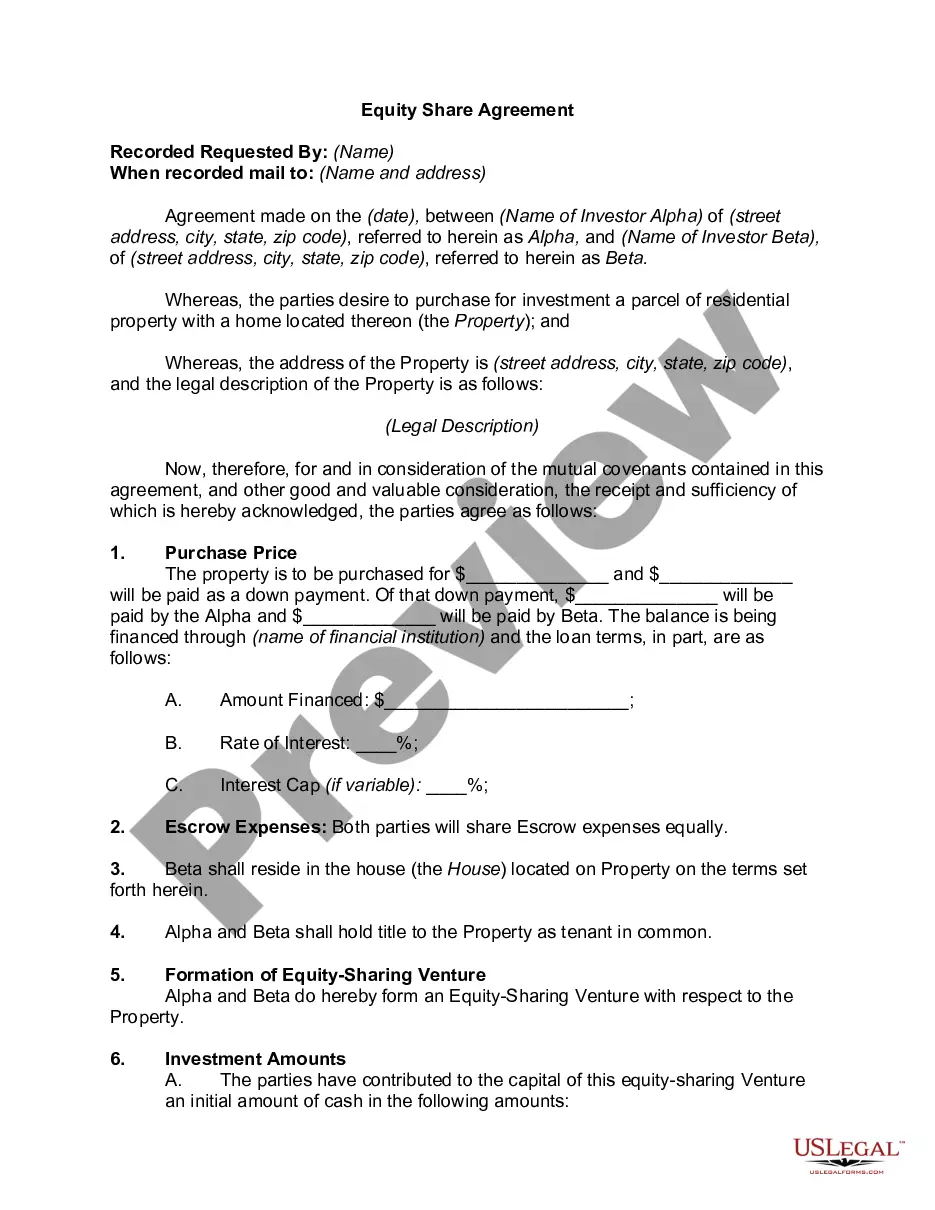
Get your form ready online
Our built-in tools help you complete, sign, share, and store your documents in one place.
Make edits, fill in missing information, and update formatting in US Legal Forms—just like you would in MS Word.
Download a copy, print it, send it by email, or mail it via USPS—whatever works best for your next step.
Sign and collect signatures with our SignNow integration. Send to multiple recipients, set reminders, and more. Go Premium to unlock E-Sign.
If this form requires notarization, complete it online through a secure video call—no need to meet a notary in person or wait for an appointment.
We protect your documents and personal data by following strict security and privacy standards.

Make edits, fill in missing information, and update formatting in US Legal Forms—just like you would in MS Word.

Download a copy, print it, send it by email, or mail it via USPS—whatever works best for your next step.

Sign and collect signatures with our SignNow integration. Send to multiple recipients, set reminders, and more. Go Premium to unlock E-Sign.

If this form requires notarization, complete it online through a secure video call—no need to meet a notary in person or wait for an appointment.

We protect your documents and personal data by following strict security and privacy standards.
Looking for another form?
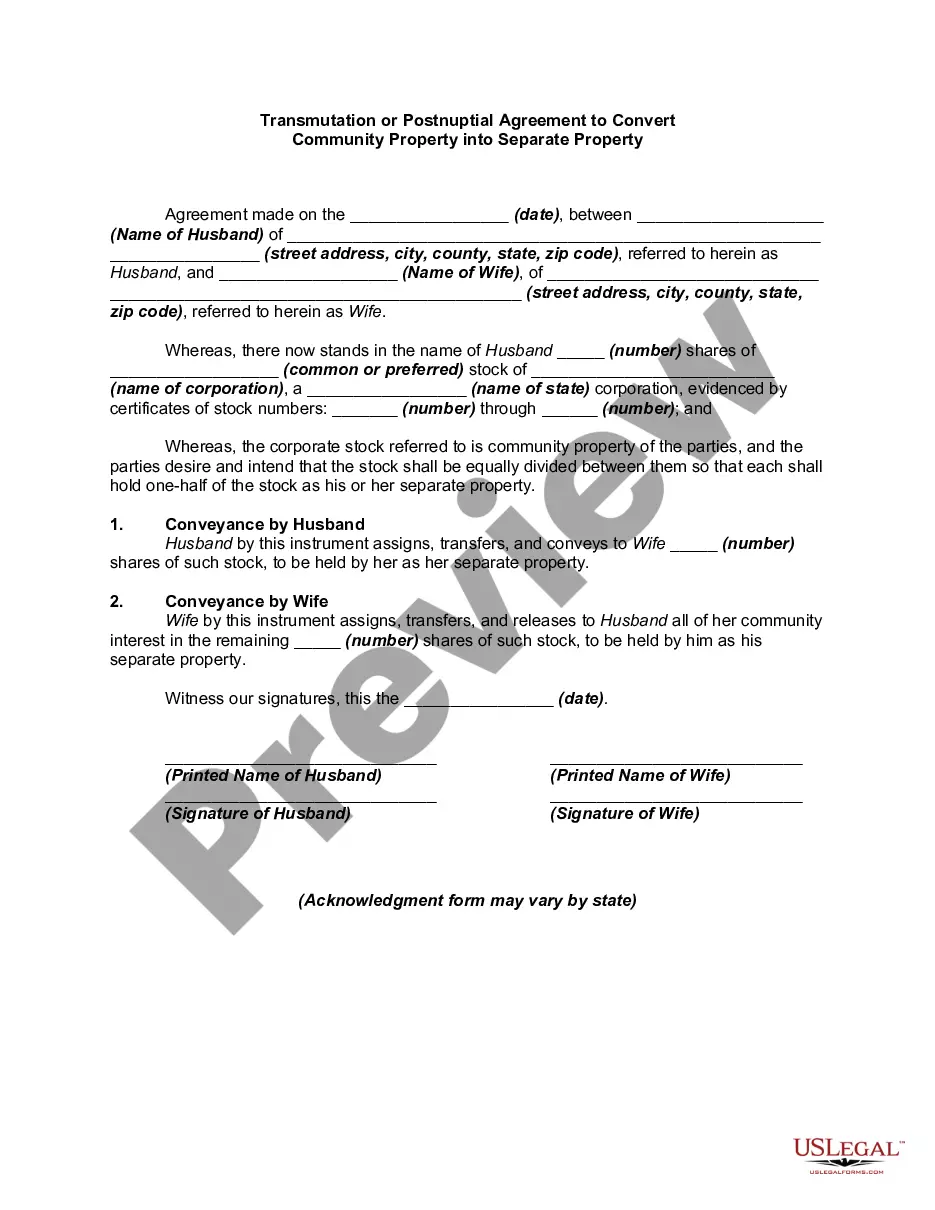
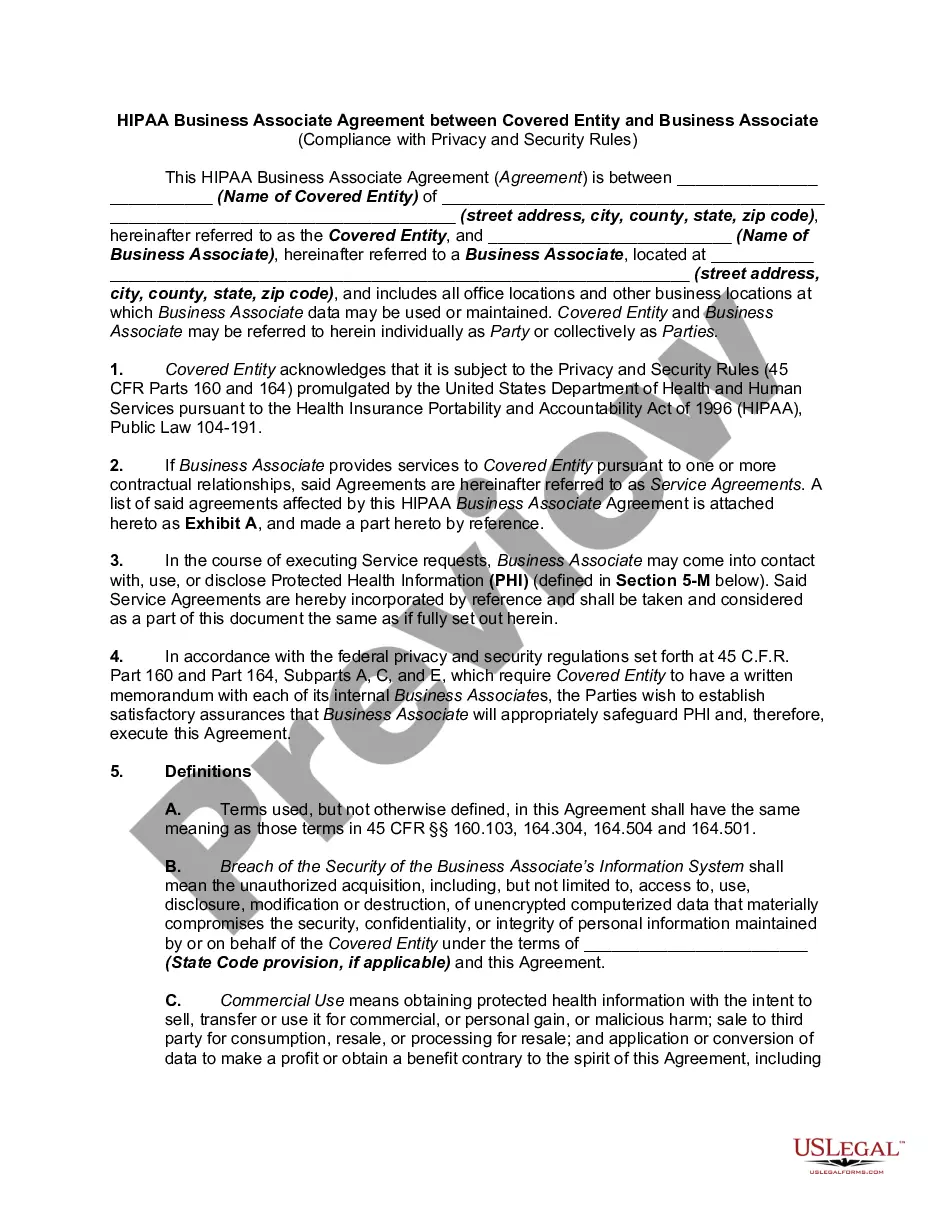
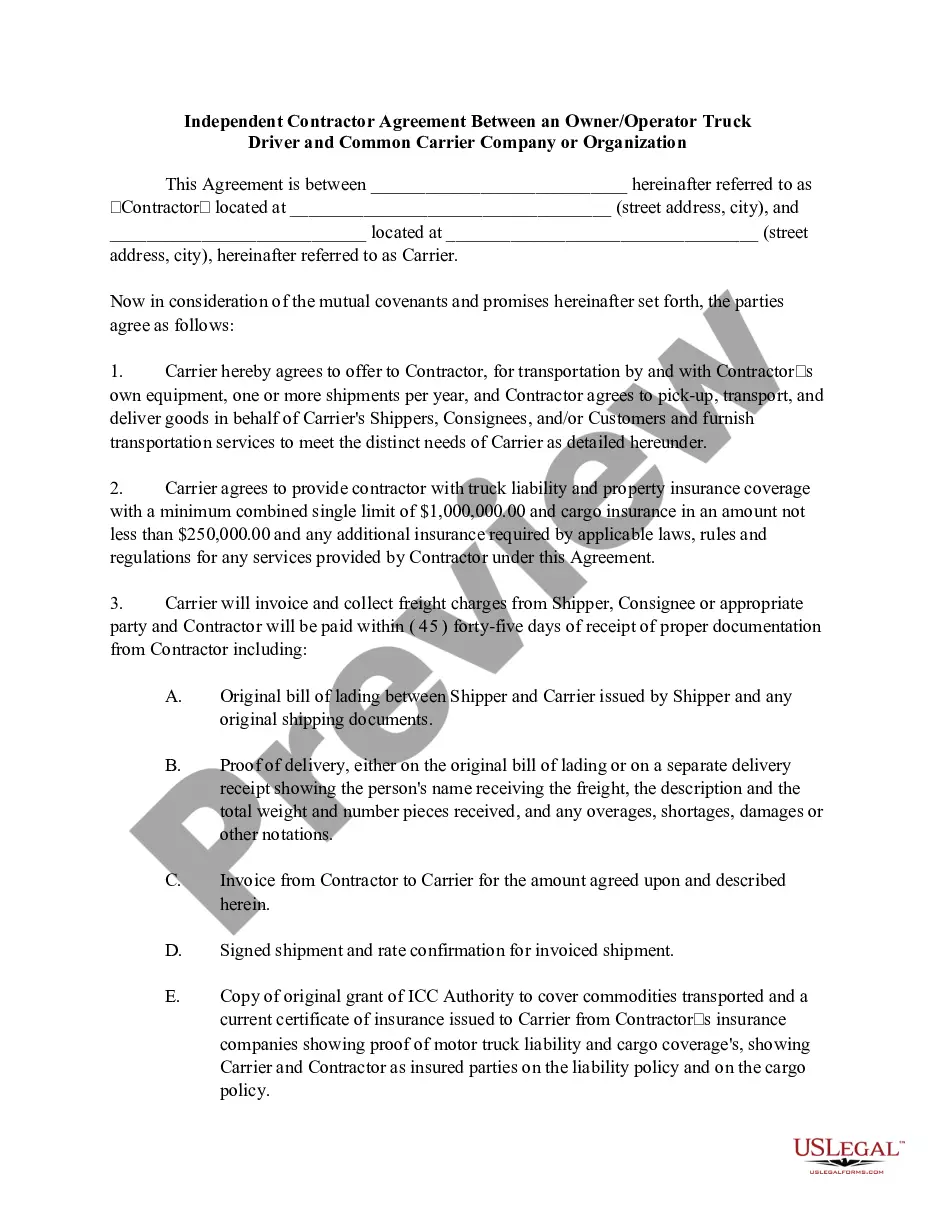
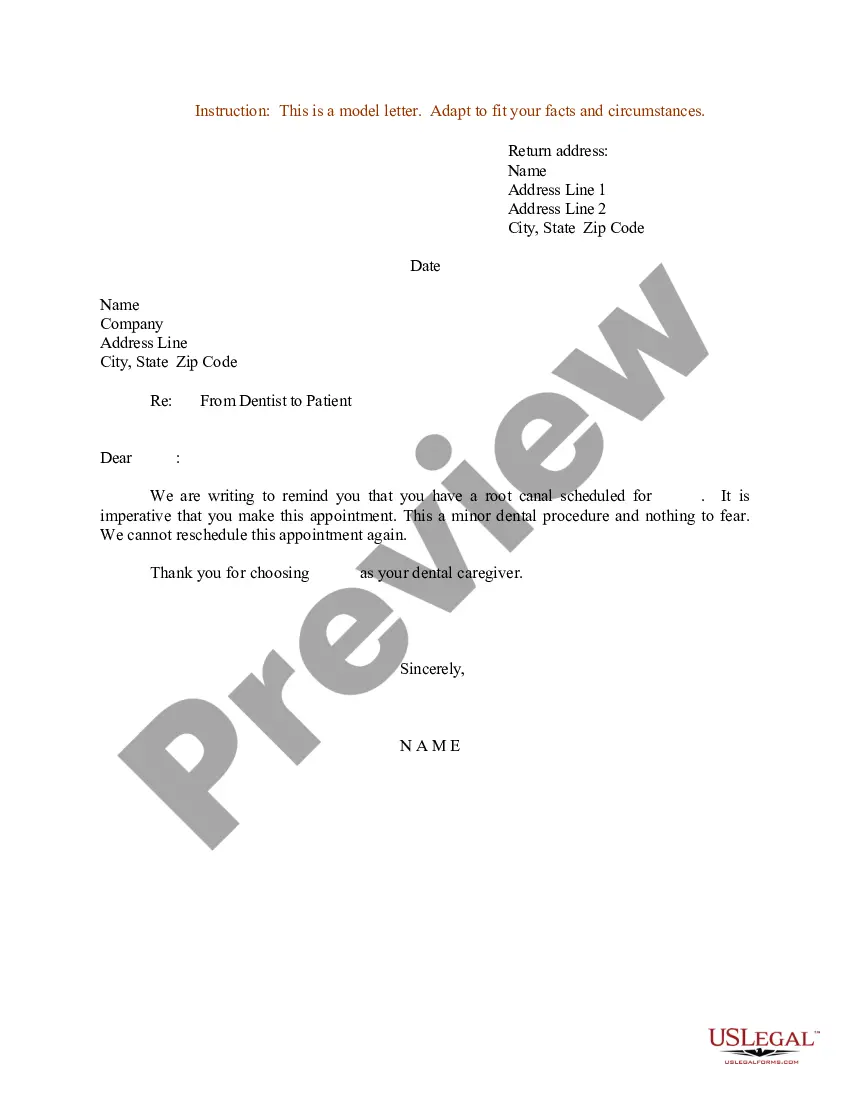
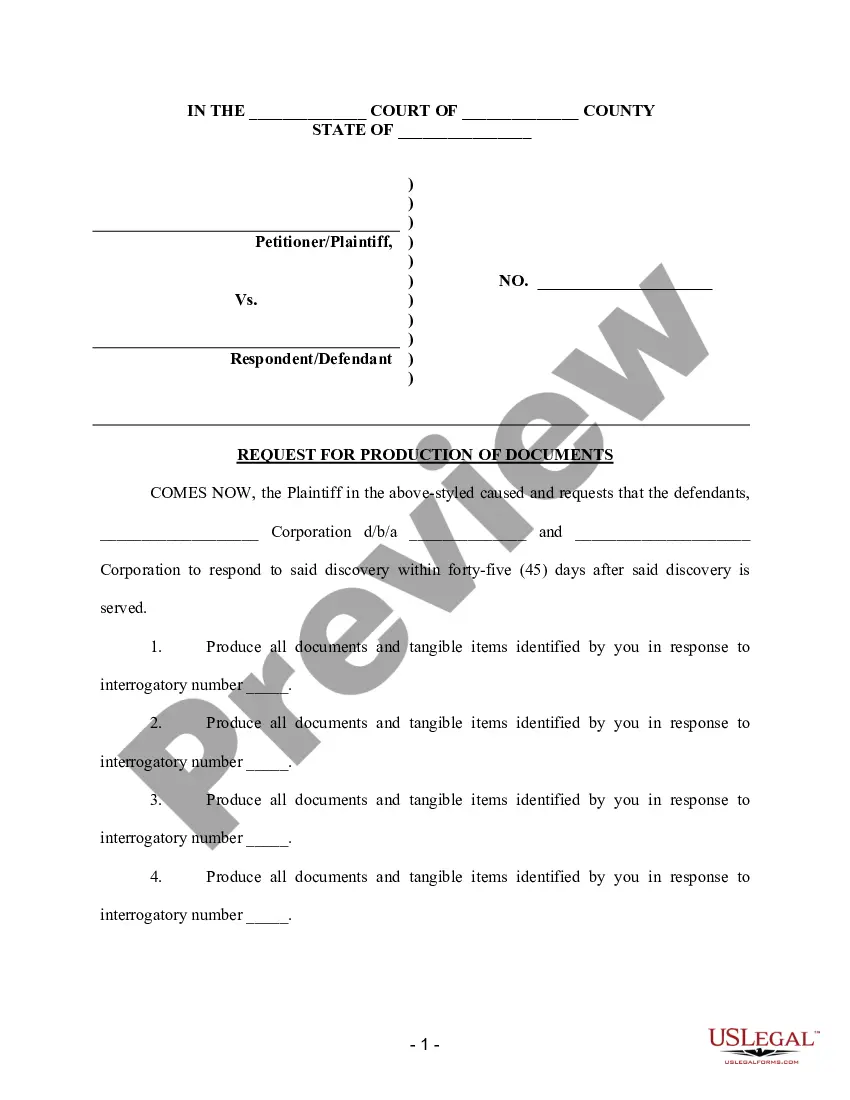
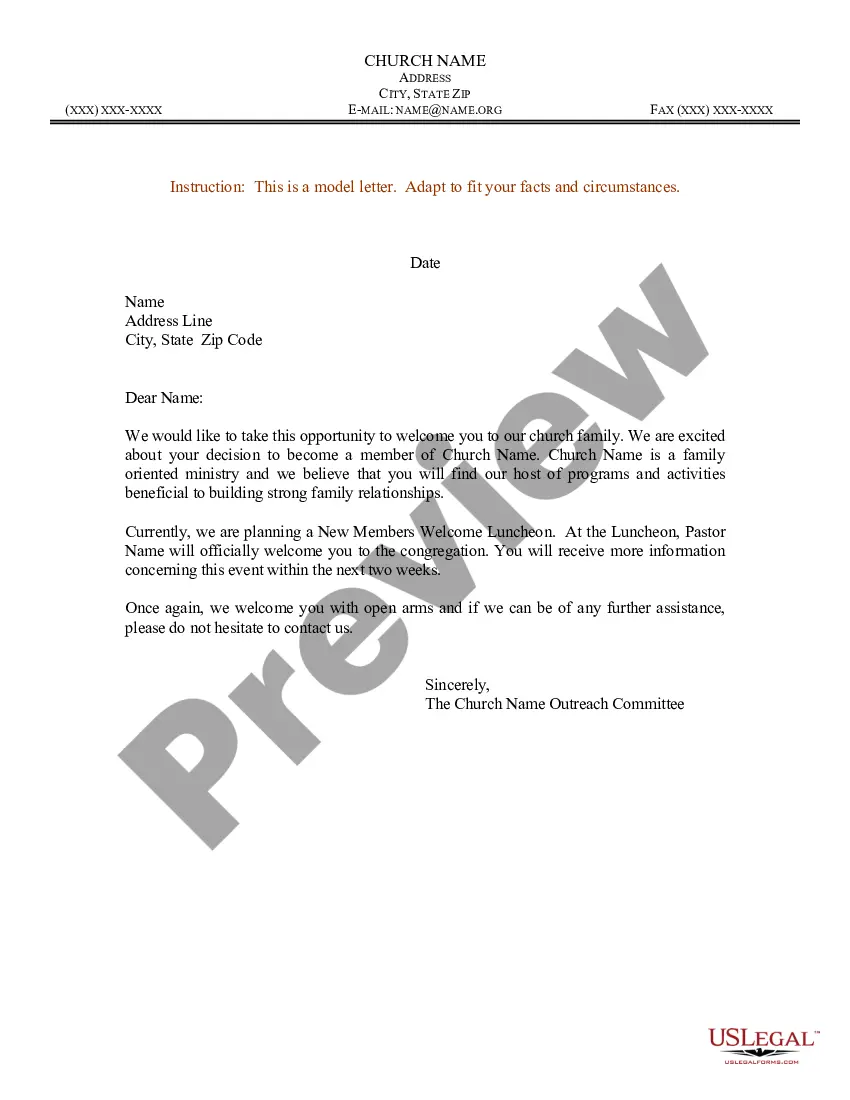
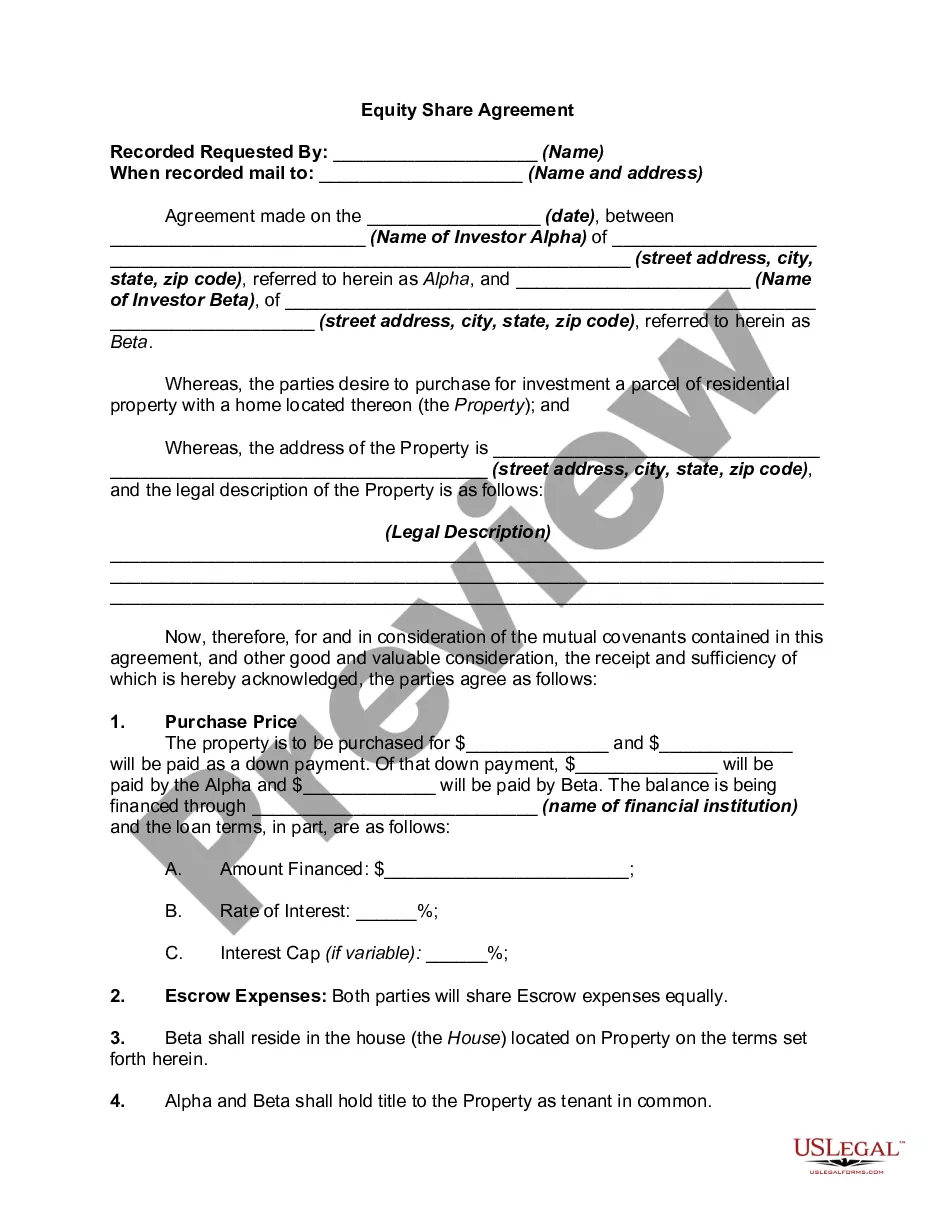
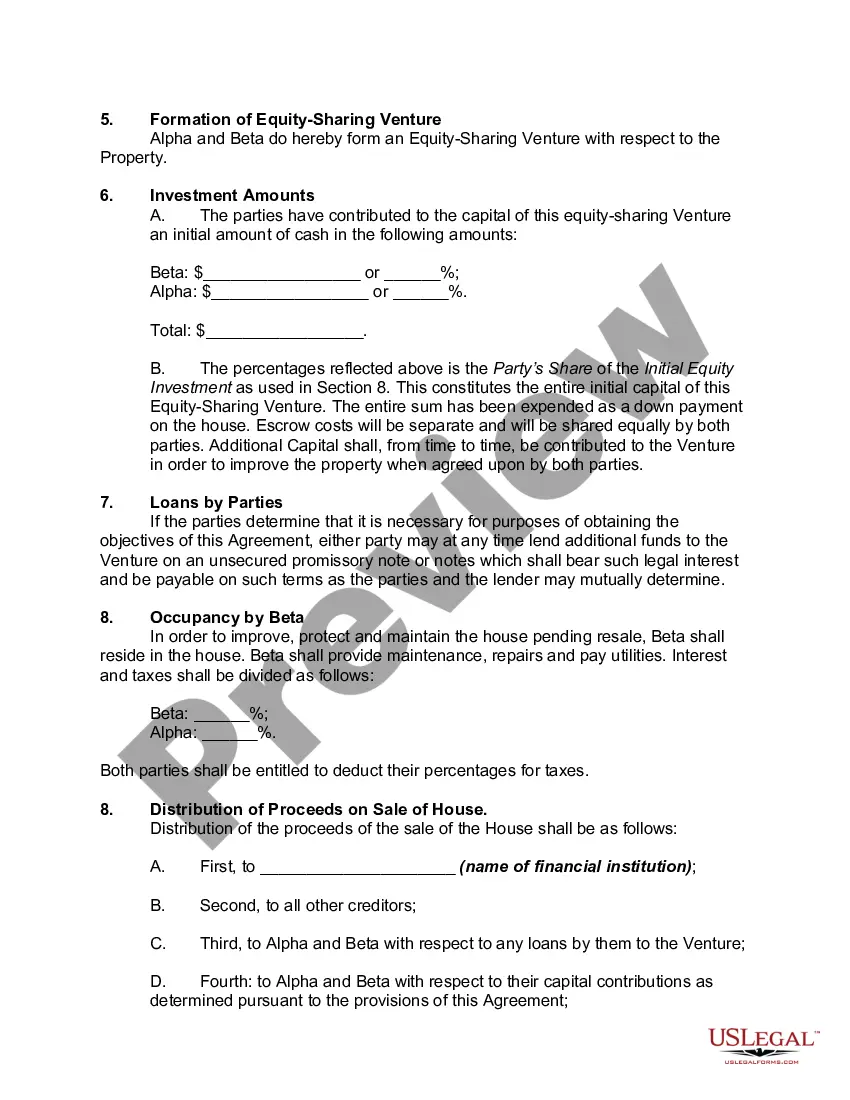
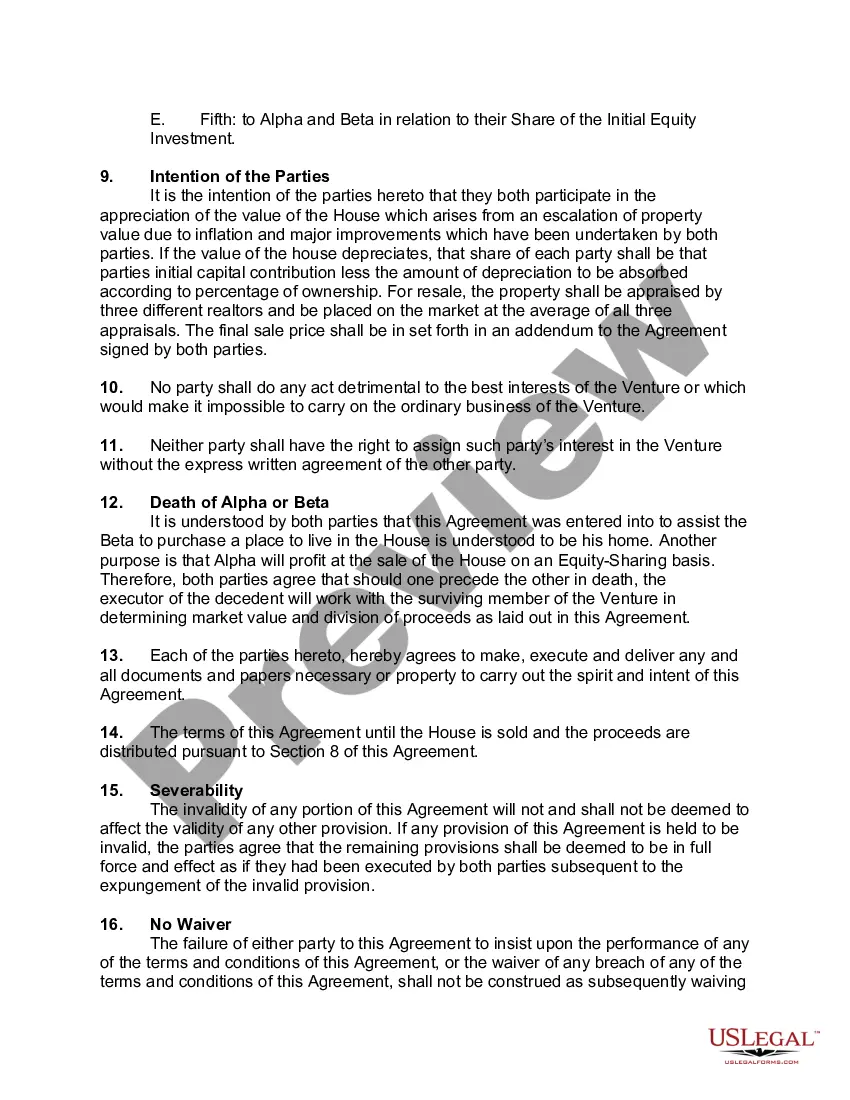
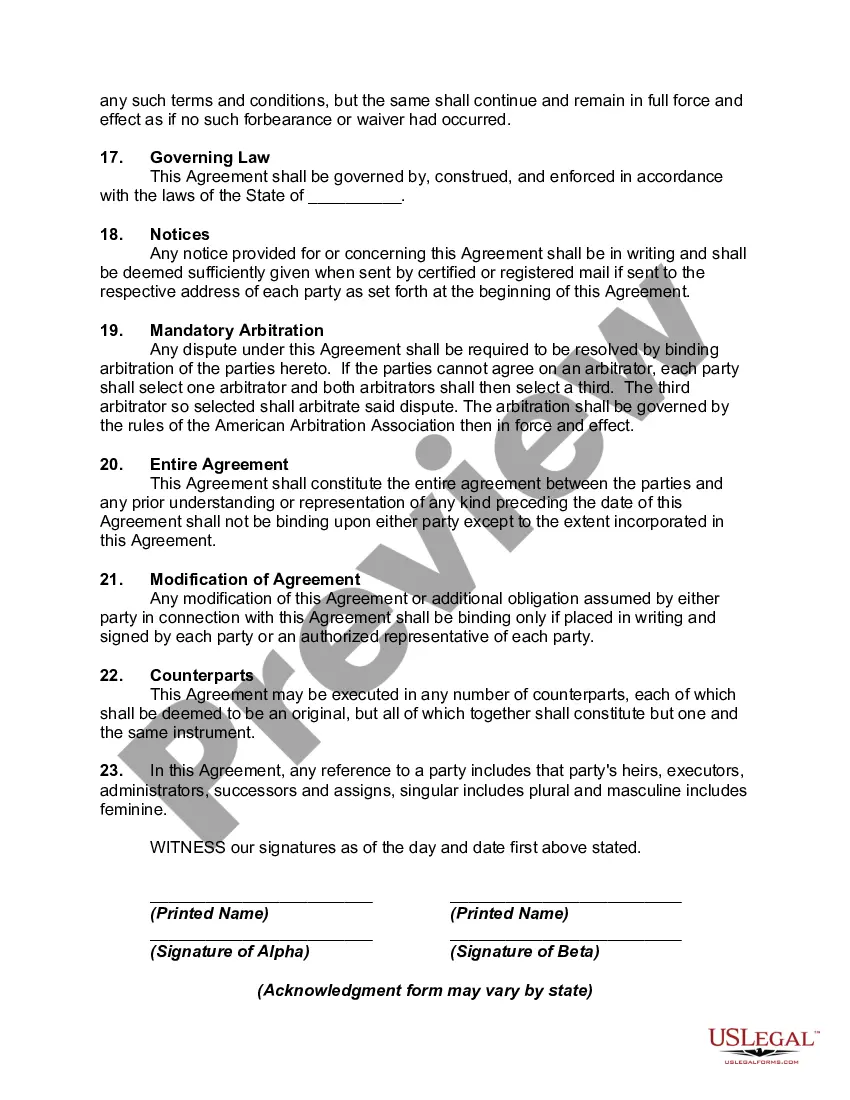
How to fill out Equity Share Agreement?
Regardless of whether it is for professional reasons or personal issues, everyone must confront legal matters at some point in their lives.
Filling out legal documents requires meticulous care, beginning with choosing the correct form template.
With a comprehensive catalog from US Legal Forms available, you don't have to waste time searching for the appropriate template online. Utilize the library's straightforward navigation to find the right form for every situation.
- Locate the required template by using the search bar or browsing the catalog.
- Review the form's details to confirm it aligns with your situation, region, and county.
- Click on the form's preview to inspect it.
- If it is not the correct form, return to the search tool to find the Gift Of Equity Contract Example With Seller template you need.
- Download the template if it suits your requirements.
- If you have a US Legal Forms account, simply click Log in to retrieve previously stored documents in My documents.
- If you do not possess an account yet, you may download the form by clicking Buy now.
- Select the suitable pricing option.
- Fill out the profile registration form.
- Choose your payment method: you can use a credit card or PayPal account.
- Select the document format you desire and download the Gift Of Equity Contract Example With Seller.
- After it is saved, you can complete the form using editing software or print it and fill it out by hand.
Form popularity
FAQ
Text and Data You can use up to 10%, but no more than 1000 words, of essays, articles, or stories, of a single copyrighted work. You can use up to 250 words of an entire poem, or a portion of a poem.
Your Access Copyright licence gives you pre-authorized permission to: Copy up to 10% of a published work or the following, whichever is greater: An entire chapter which is no more than 20% of a book. An entire newspaper article or a page.
How to write a copyright disclaimer the copyright symbol (©); your name as author and your website's name. It can also be the name of an organization, a business, or a corporate name; a current year or year range; a statement of ownership (?All Rights Reserved?).
Under those guidelines, a prose work may be reproduced in its entirety if it is less than 2500 words in length. If the work exceeds such length, the reproduced excerpt may not exceed 1000 words, or 10% of the work, whichever is less.
You can copy 10% or one chapter (whichever is greater) for study or research: Print copy ? The 10% rule applies to the total number of pages. Online ? The 10% rule applies to the total number of words.
Ingly, you cannot claim copyright to another's work, no matter how much you change it, unless you have the owner's consent.
In general, all you need to do is create a work of authorship and write it down or otherwise record it somewhere. This will automatically create copyright protections. In theory, you do not need to own the original copy in order to own the copyright.
Works that no longer attract copyright protection are said to be in the public domain, and you are free to use them without restriction. That includes no restrictions on copying and adapting, no need to seek permission, and no uncertainty about your rights as a user.