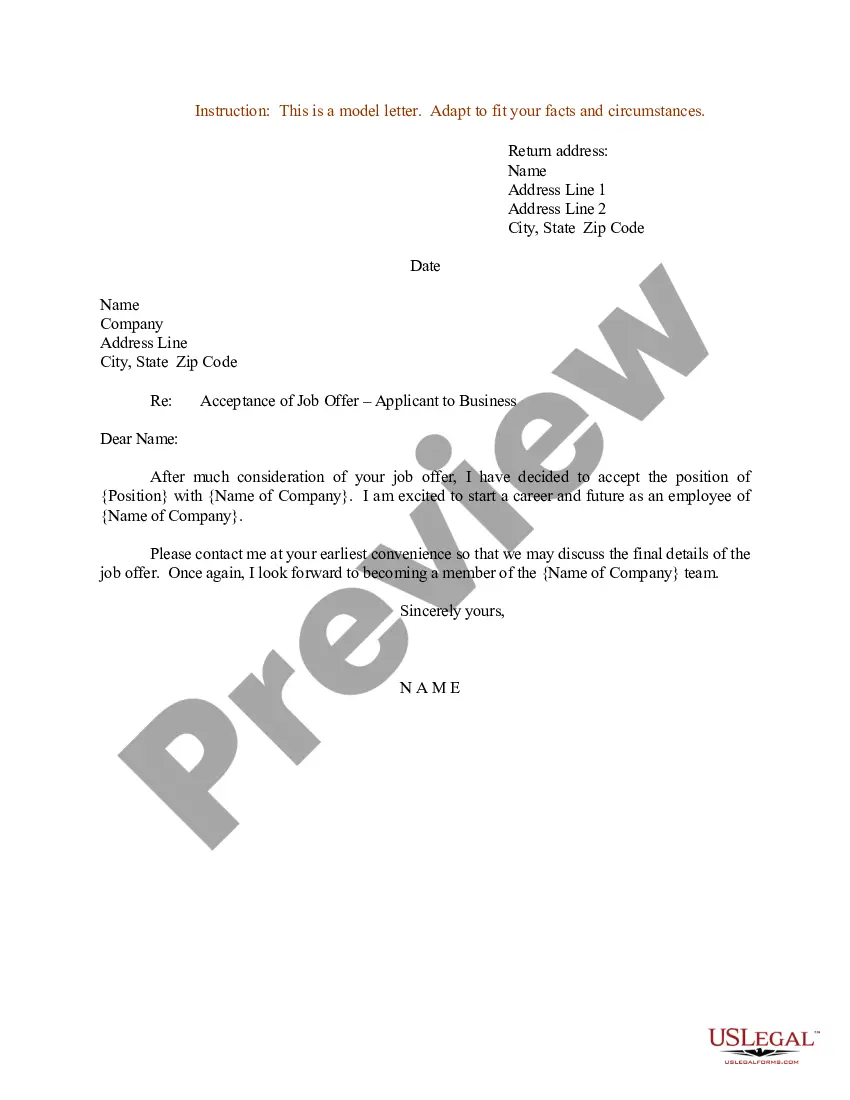
Sample Shareholder Agreement For Startup In Franklin
Description






Get your form ready online
Our built-in tools help you complete, sign, share, and store your documents in one place.
Make edits, fill in missing information, and update formatting in US Legal Forms—just like you would in MS Word.
Download a copy, print it, send it by email, or mail it via USPS—whatever works best for your next step.
Sign and collect signatures with our SignNow integration. Send to multiple recipients, set reminders, and more. Go Premium to unlock E-Sign.
If this form requires notarization, complete it online through a secure video call—no need to meet a notary in person or wait for an appointment.
We protect your documents and personal data by following strict security and privacy standards.

Make edits, fill in missing information, and update formatting in US Legal Forms—just like you would in MS Word.

Download a copy, print it, send it by email, or mail it via USPS—whatever works best for your next step.

Sign and collect signatures with our SignNow integration. Send to multiple recipients, set reminders, and more. Go Premium to unlock E-Sign.

If this form requires notarization, complete it online through a secure video call—no need to meet a notary in person or wait for an appointment.

We protect your documents and personal data by following strict security and privacy standards.
Looking for another form?







Form popularity
FAQ
What to Think about When You Begin Writing a Shareholder Agreement. Name Your Shareholders. Specify the Responsibilities of Shareholders. The Voting Rights of Your Shareholders. Decisions Your Corporation Might Face. Changing the Original Shareholder Agreement. Determine How Stock can be Sold or Transferred.
Drafting shareholder agreements without expert advice could put you at risk of including provisions which may be deemed by a court as invalid.
A Shareholders Agreement is usually created when the company brings on external investors. A Founders Agreement focuses on the roles and responsibilities of the founders. It also sets out the equity allocation and who can decide what. It typically also addresses vesting and leaver arrangements for the founders.
No notarization or filing of a shareholders' agreement is required.
We have 5 steps. Step 1: Decide on the issues the agreement should cover. Step 2: Identify the interests of shareholders. Step 3: Identify shareholder value. Step 4: Identify who will make decisions - shareholders or directors. Step 5: Decide how voting power of shareholders should add up.
How do I create a Shareholder Agreement? Step 1: Provide details about the corporation. Step 2: Include details about the shareholders. Step 3: Provide details about share ownership. Step 4: Outline share information including class and number. Step 5: Determine how the corporation's directors will be appointed.
A shareholder agreement should be detailed. It should describe how the business will be run, how problems between shareholders will be handled, and clarify the responsibilities and benefits of each shareholder.
Shareholders agreements: important points to consider Introduction. Step 1: Decide on the issues the agreement should cover. Step 2: Identify the interests of shareholders. Step 4: Identify who will make decisions - shareholders or directors. Step 5: Decide how voting power of shareholders should add up.
We have 5 steps. Step 1: Decide on the issues the agreement should cover. Step 2: Identify the interests of shareholders. Step 3: Identify shareholder value. Step 4: Identify who will make decisions - shareholders or directors. Step 5: Decide how voting power of shareholders should add up.